Rievaulx Abbey, Yorkshire — History & Analysis
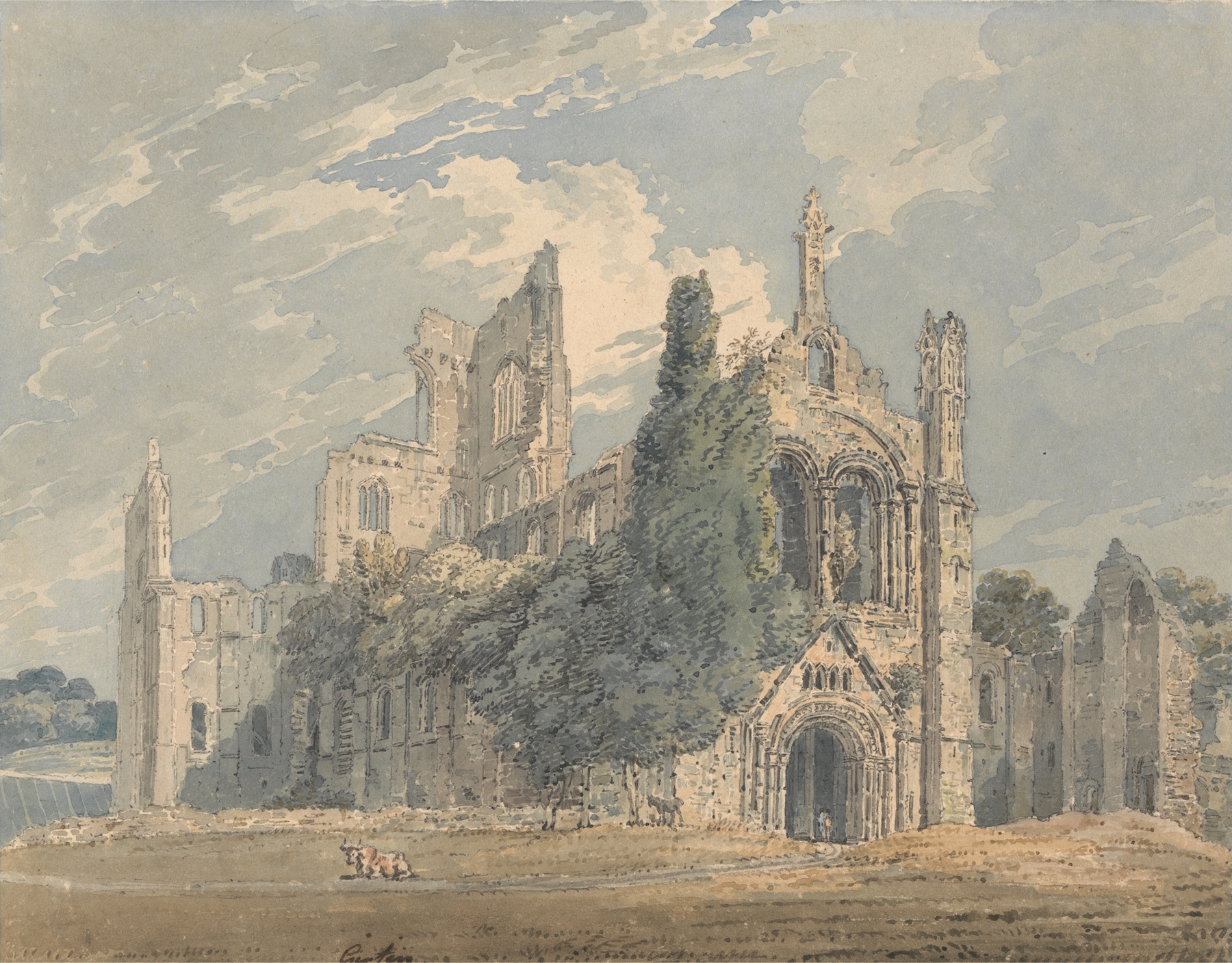
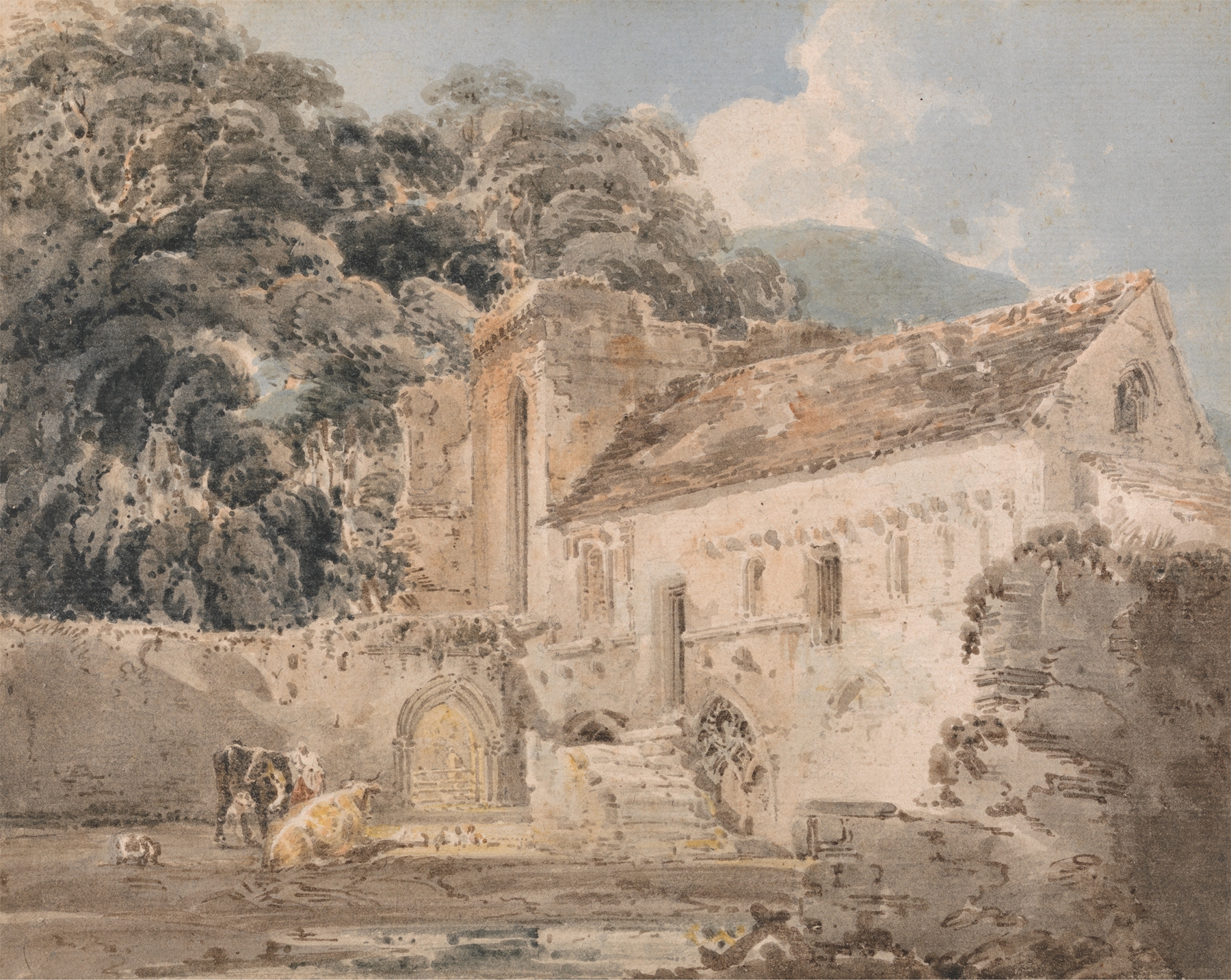
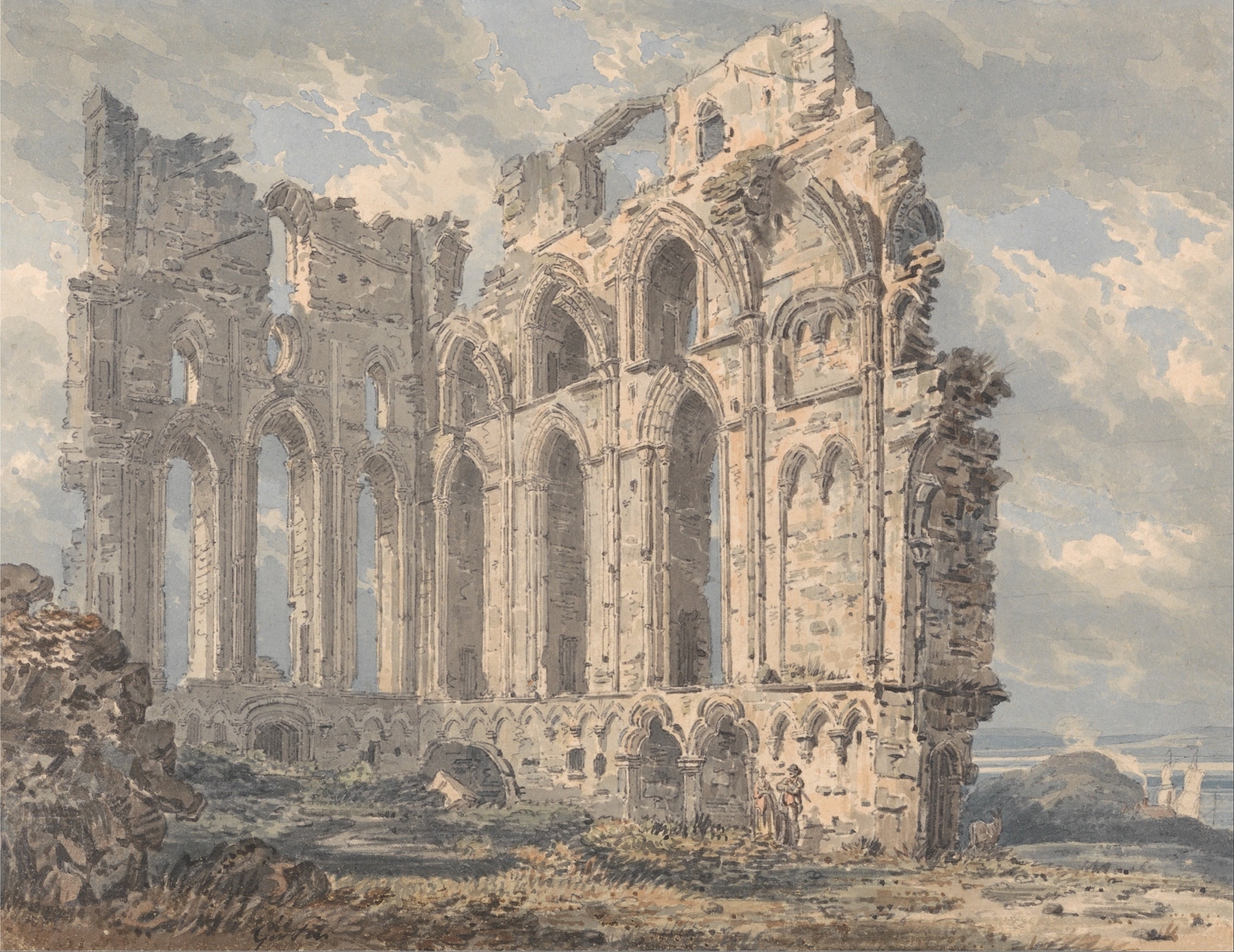
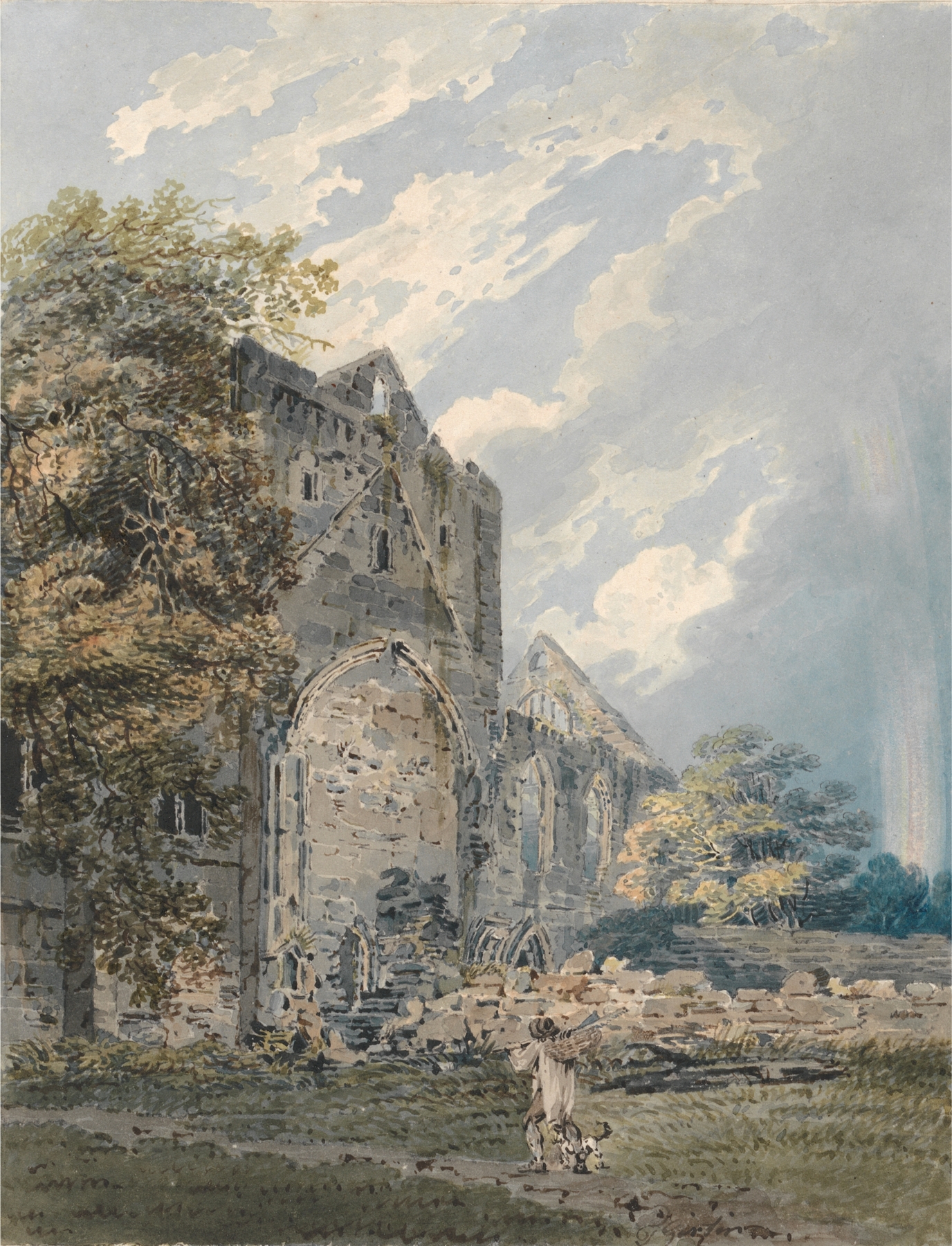
What if beauty was never meant to be finished? In Thomas Girtin's Rievaulx Abbey, this notion echoes through the vibrant hues and delicate brushstrokes that capture the essence of an unfinished world, forever in the embrace of twilight. Focus on the vibrant greens and blues that envelop the ruins, drawing your eye to the majestic arches that rise above the lush landscape. Notice how the interplay of light and shadow dances across the stone, emphasizing both its age and its enduring beauty.
The atmospheric perspective creates depth, inviting you to wander through the scene, while the soft, almost ethereal quality of the colors infuses a sense of tranquility. Hidden within the painting are themes of transience and nostalgia, where the crumbling abbey stands as a testament to both human ambition and the inevitability of decay. The juxtaposition of nature’s vibrant greens against the muted grays of the architecture symbolizes the tension between the permanence of the natural world and the fleeting nature of human creations. Each brushstroke tells a story of time, inviting contemplation on what is lost and what remains.
In 1796, Girtin painted Rievaulx Abbey during a crucial period of his career as a leading figure in the Romantic movement. At this time, he was exploring the picturesque landscapes of England, capturing the sublime beauty found in ruins and the natural world. The era was marked by a growing appreciation for the emotions evoked by nature, reflecting the broader cultural shift towards romanticism in art, literature, and philosophy.