Rijke man en de Dood — History & Analysis
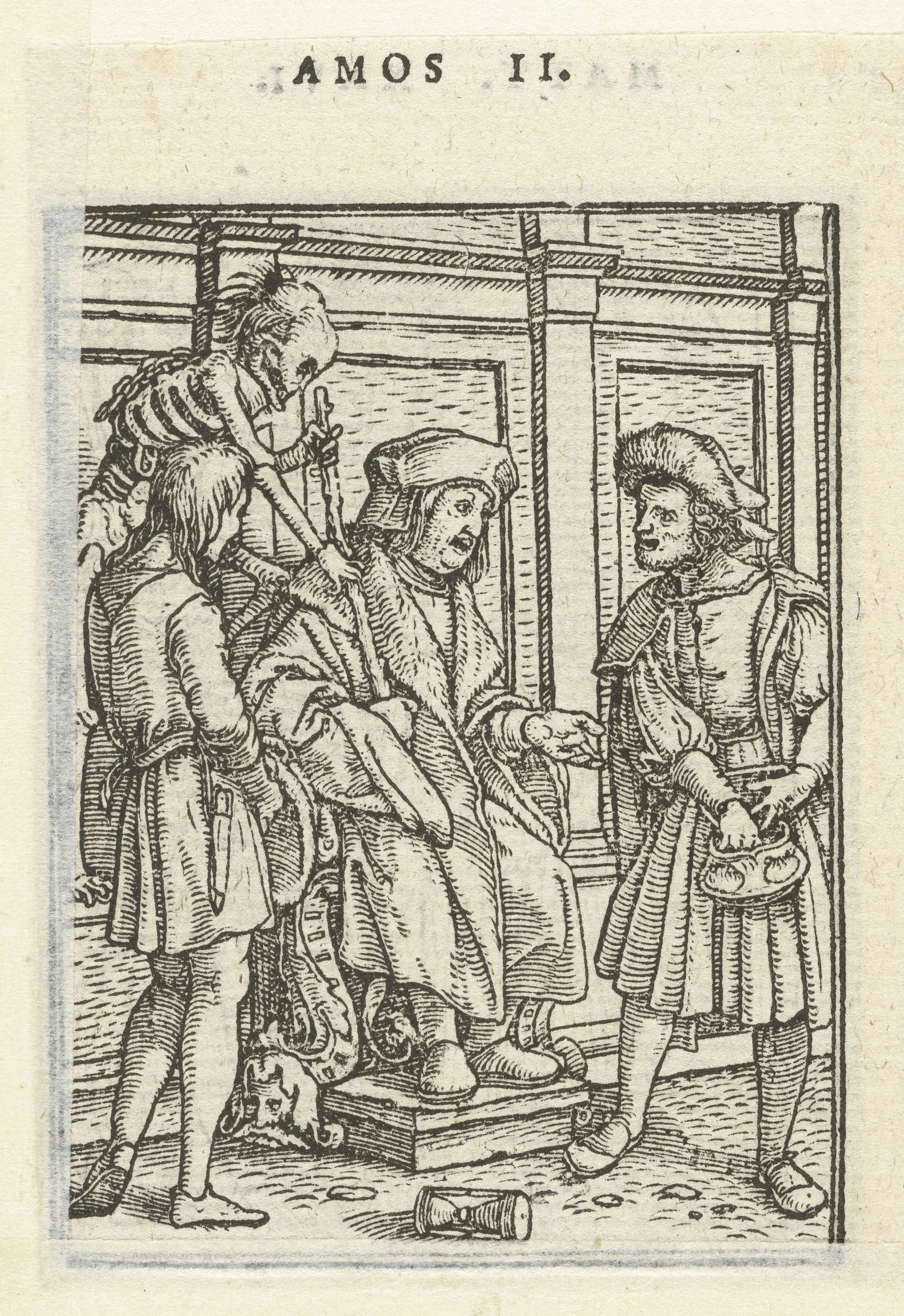
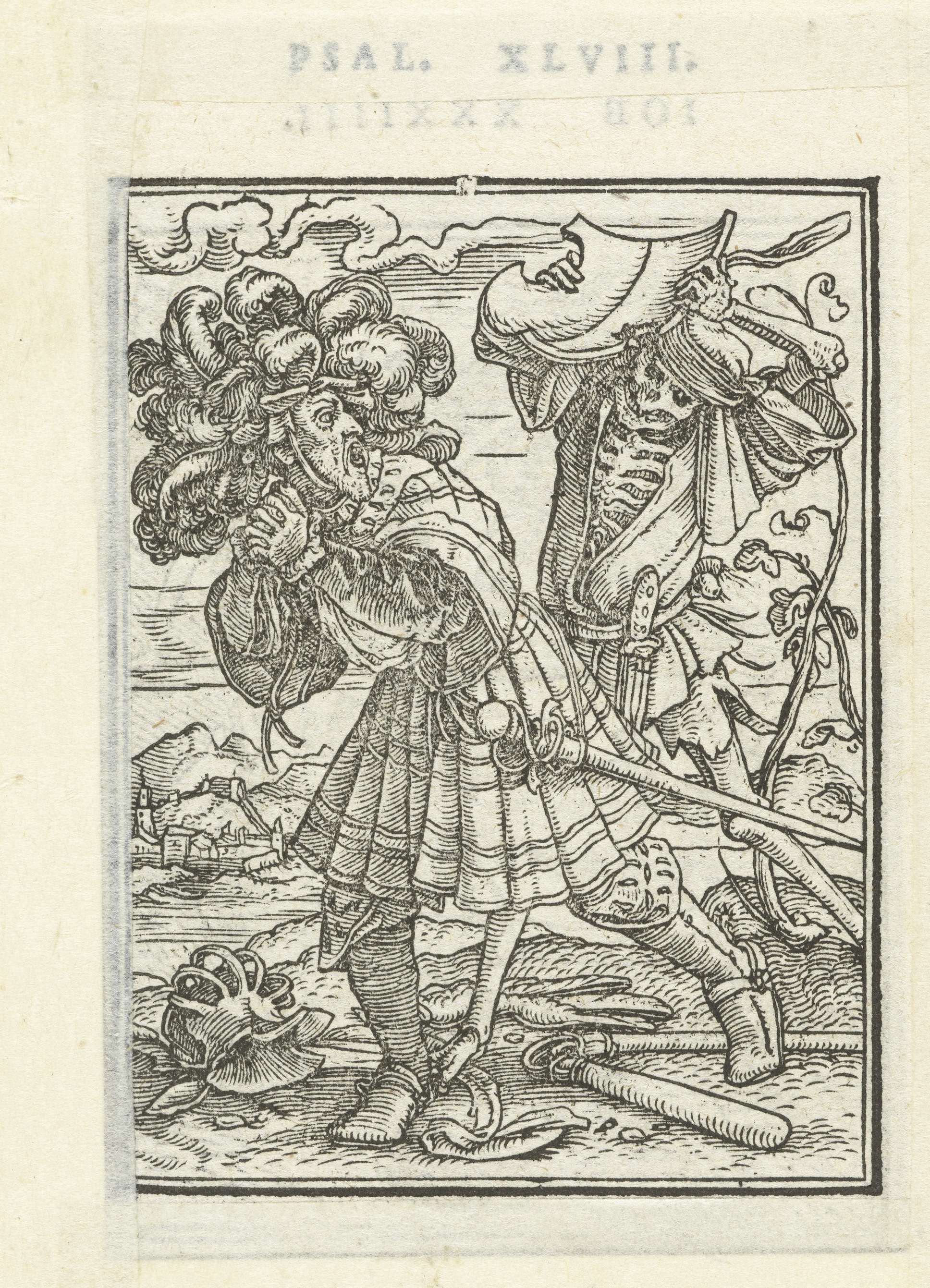
Art reveals the soul when the world turns away. In moments of stillness, it captures the essence of existence and our inevitable encounters with mortality. Look to the left at the stately figure of the wealthy man, draped in opulent fabrics that shimmer with shades of deep crimson and rich gold. His posture is dignified, yet his gaze is drawn to an ominous specter, the figure of Death on the right.
Notice how the contrasting tones — vibrant against muted hues — emphasize the tension between life and the inevitability of death. The surrounding details, from the intricate patterns on the man's attire to the dark, shadowy background, create a profound atmosphere of solemn reflection. There’s an unsettling serenity in the rich man's expression, hinting at a dual awareness of his fortune and his fate. The skeletal figure, cloaked in darkness, symbolizes the inescapable truth that even wealth cannot shield one from death.
This juxtaposition evokes contemplation on the transient nature of materialism, urging viewers to reflect on what lies beyond the physical realm. Hans Holbein (II) painted Rijke man en de Dood in 1538 during a period marked by religious turmoil and shifting ideals in Europe. At that time, the artist was established in the court of Henry VIII and was deeply influenced by the humanist movement, which blended art with philosophical inquiry. This painting encapsulates that era's preoccupation with mortality and moral introspection, compelling viewers to confront their mortality through the lens of wealth and power.