Ripon Minster, Yorkshire — History & Analysis
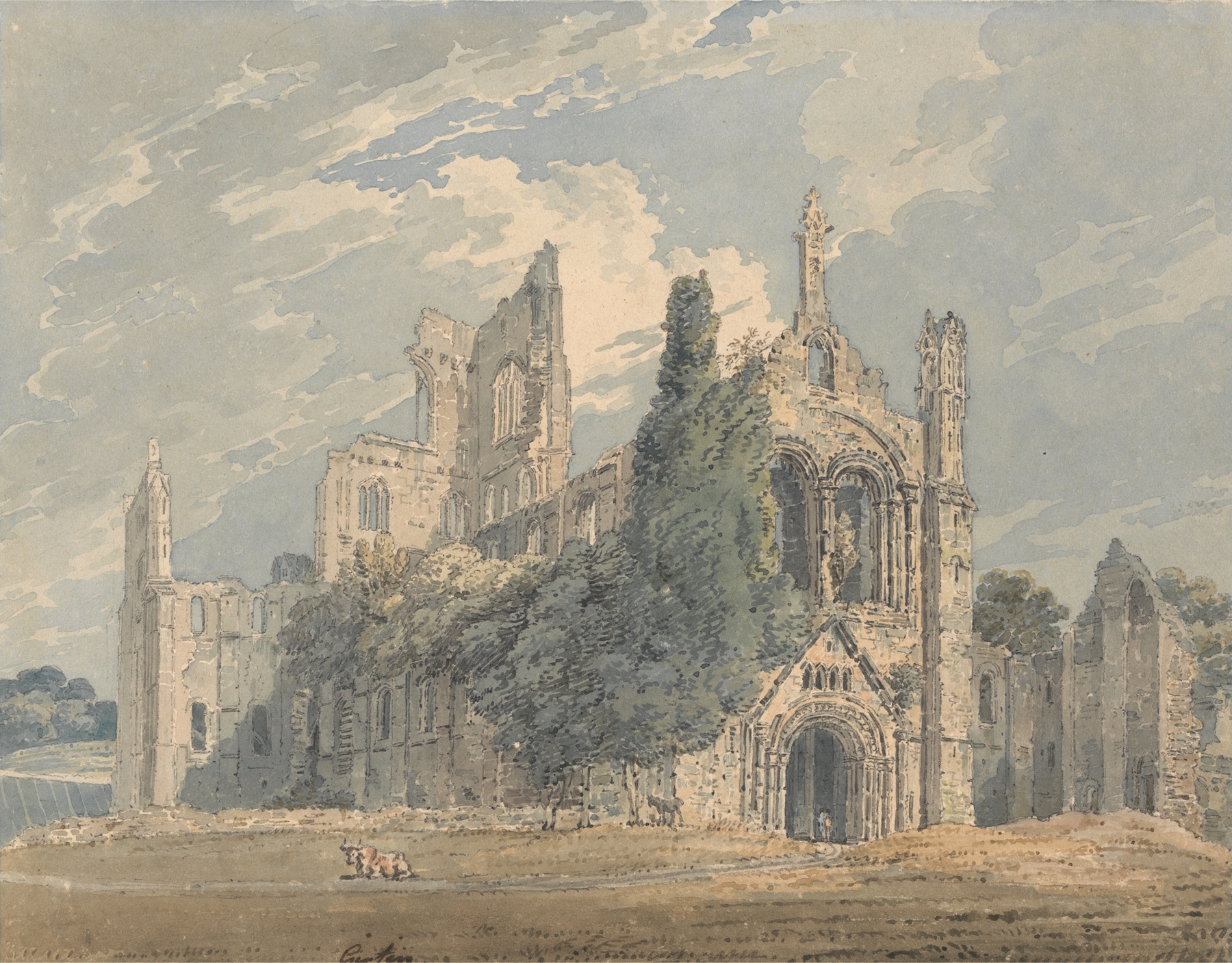
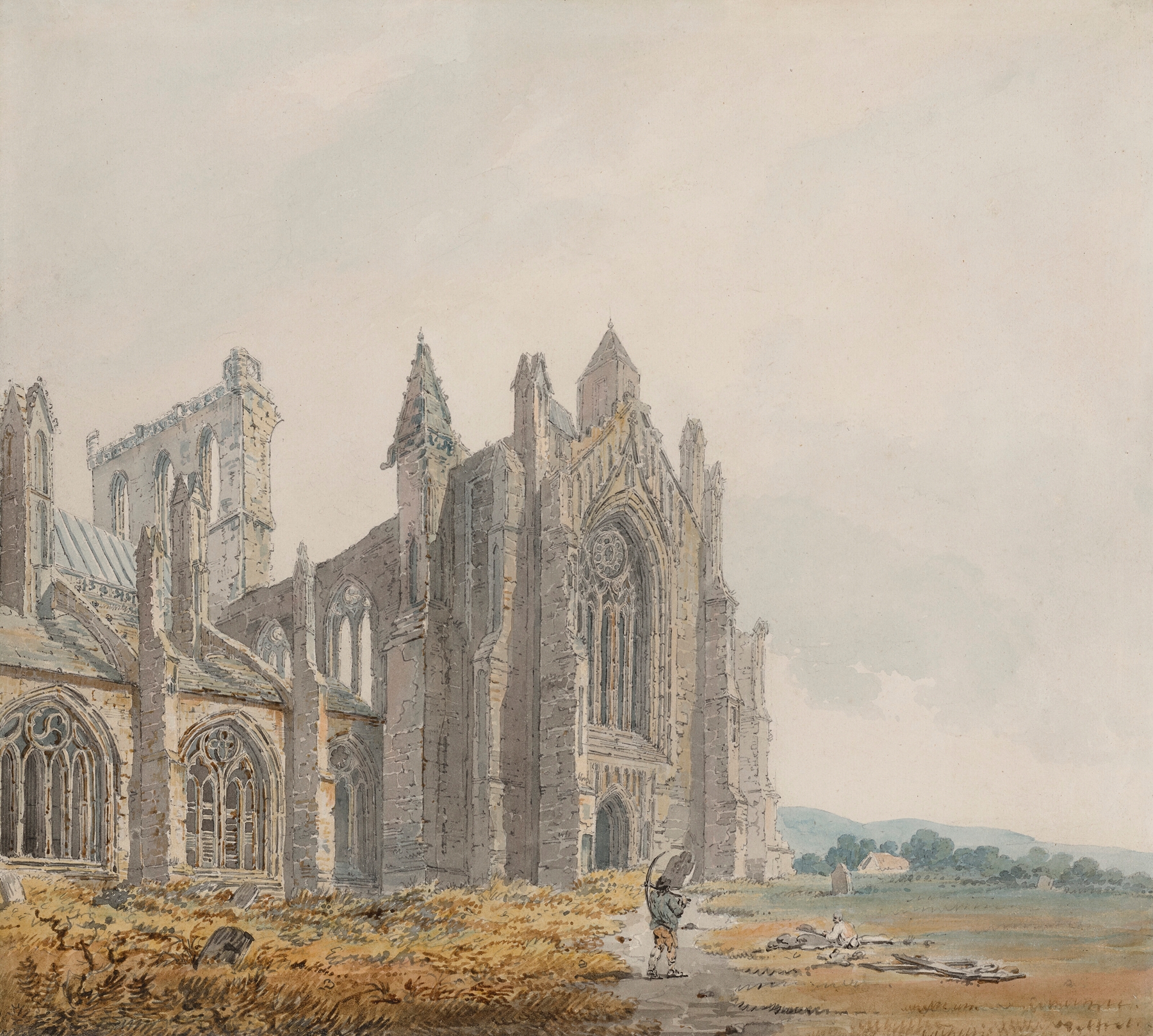
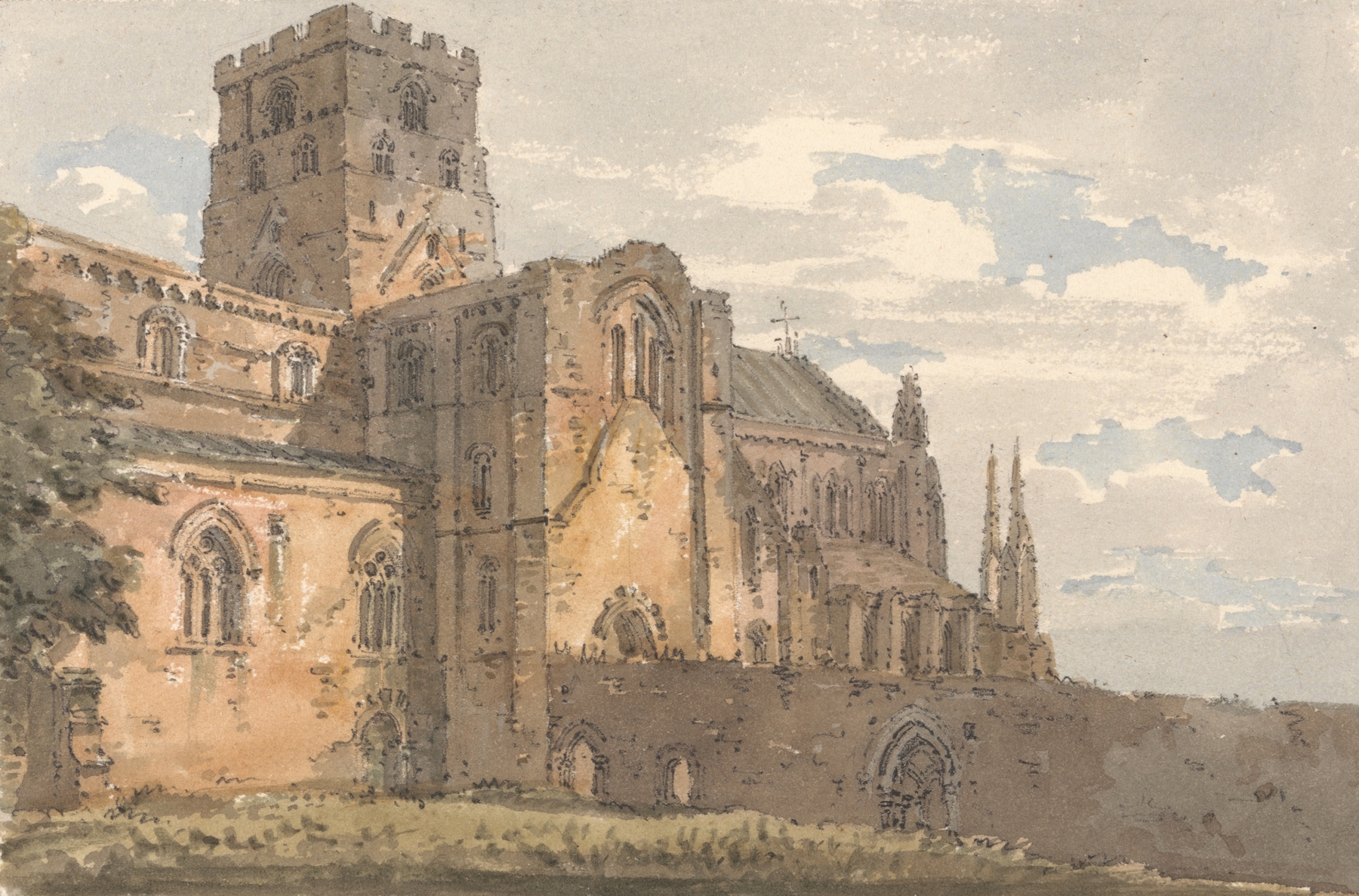
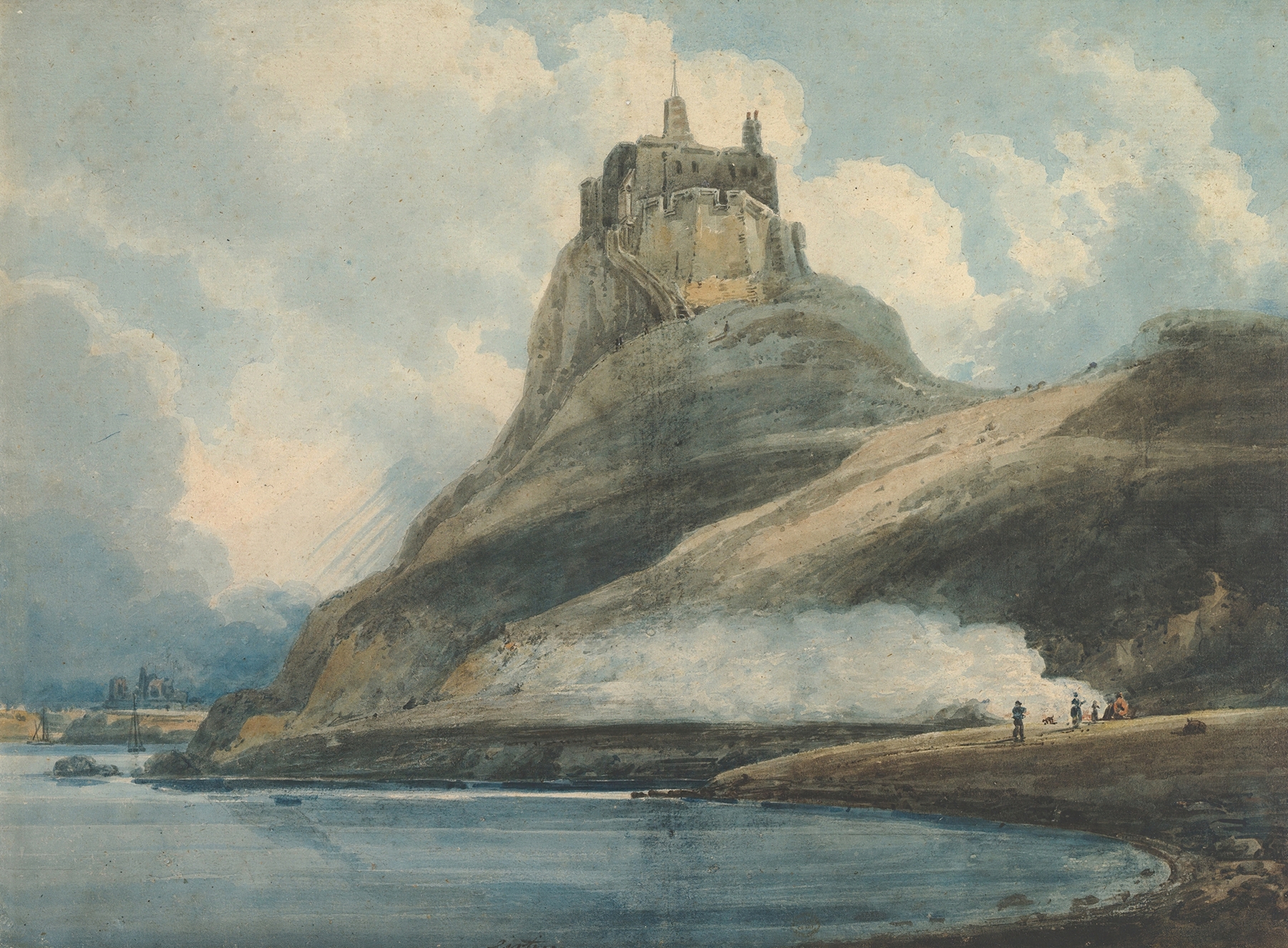
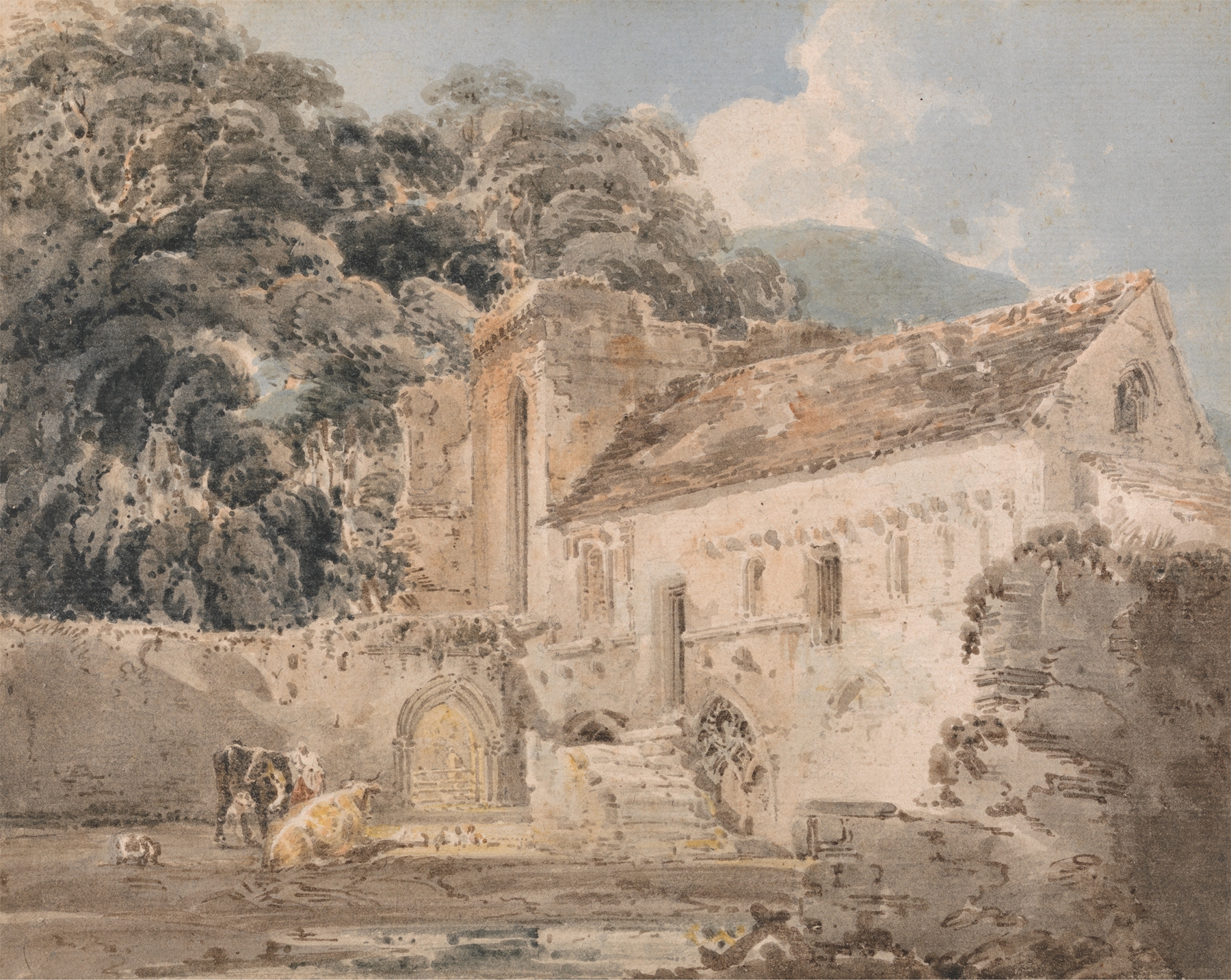
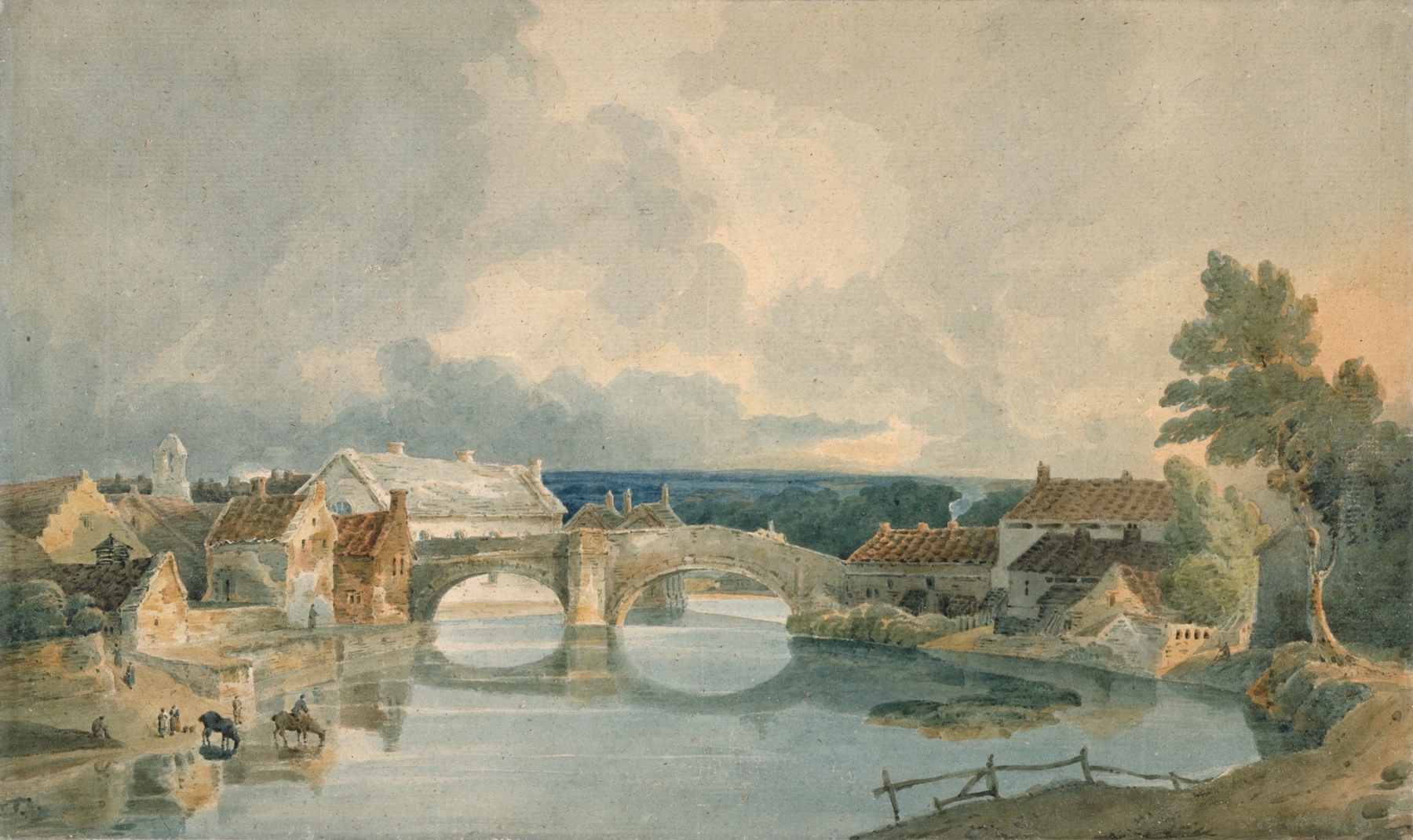
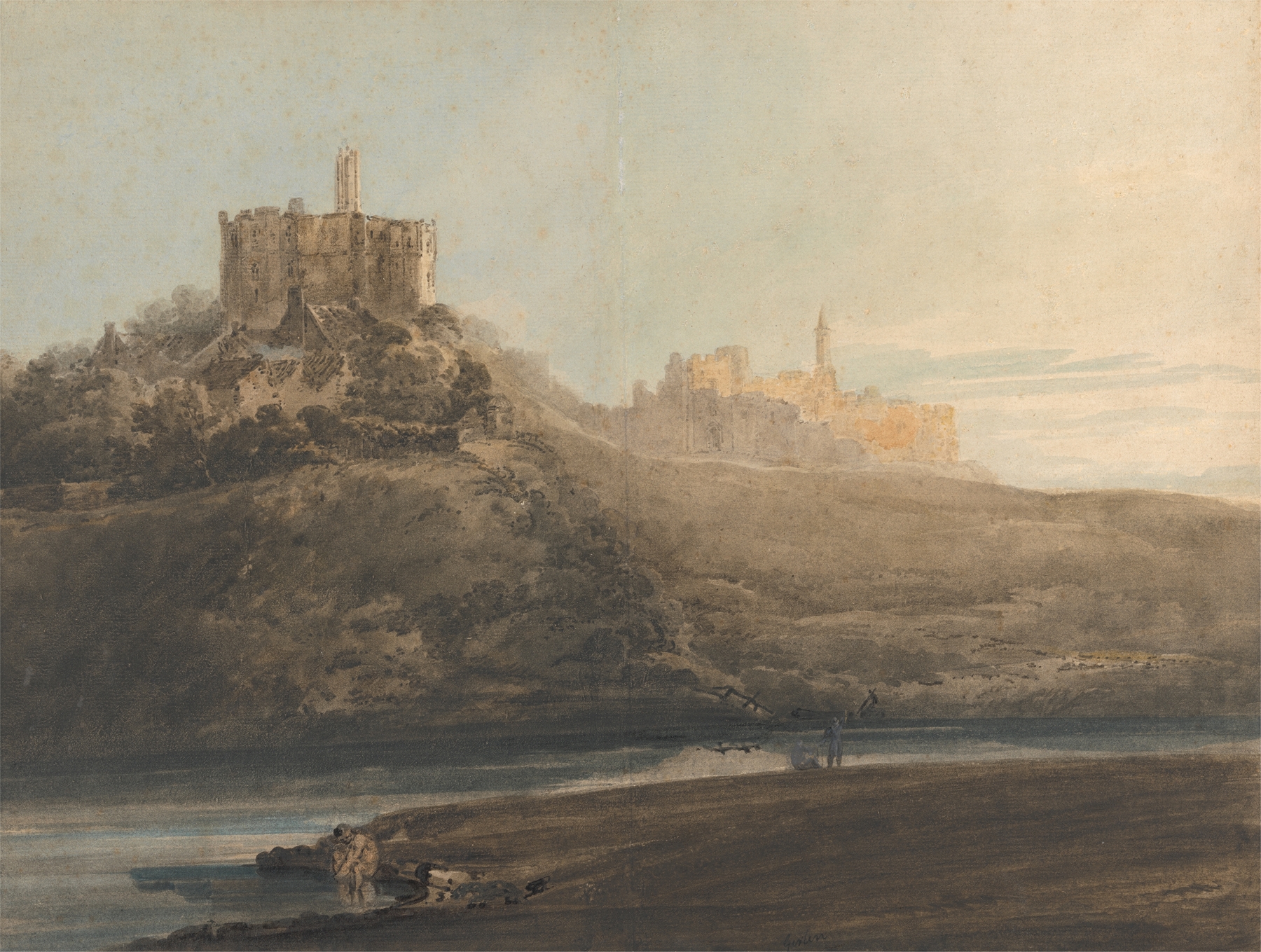
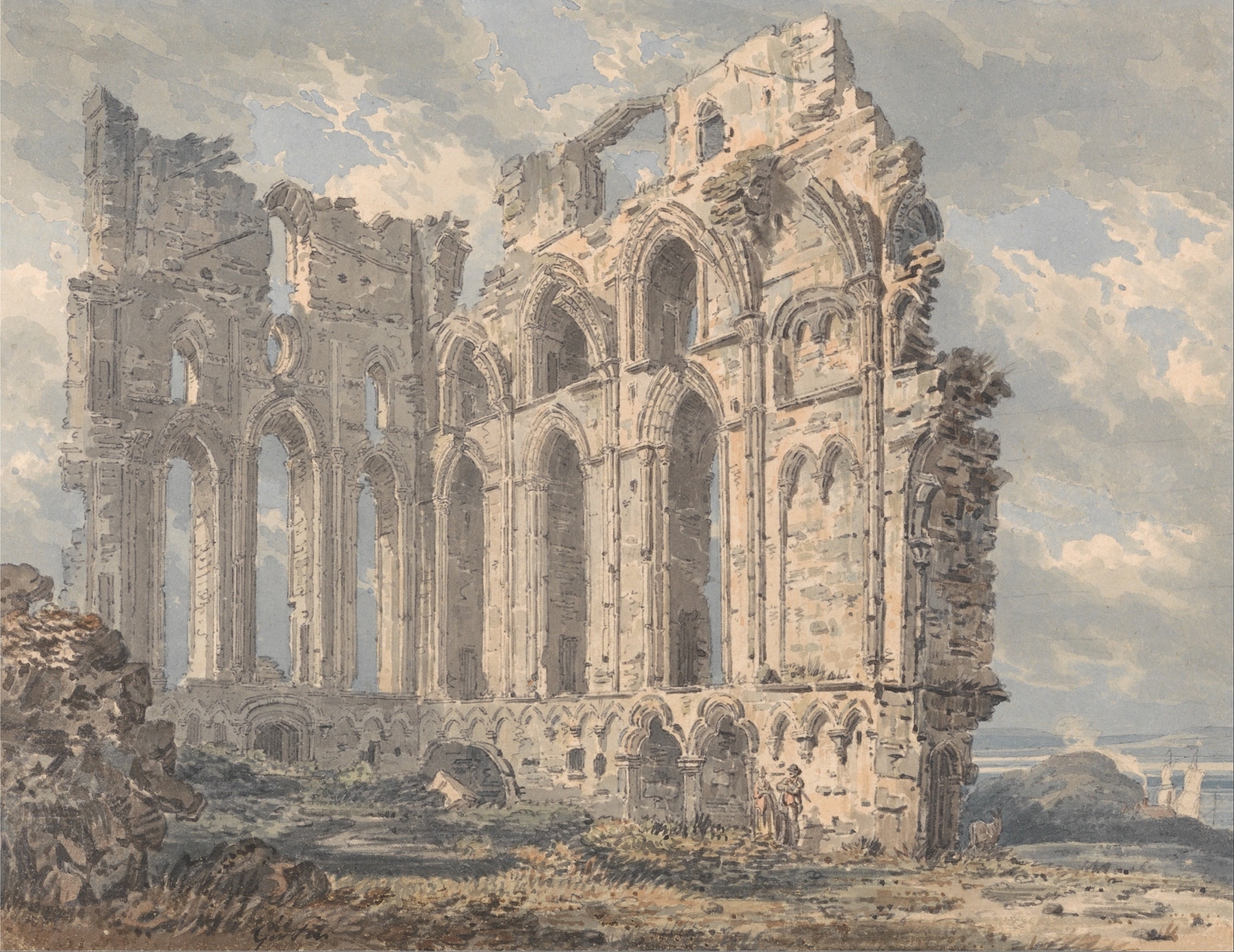
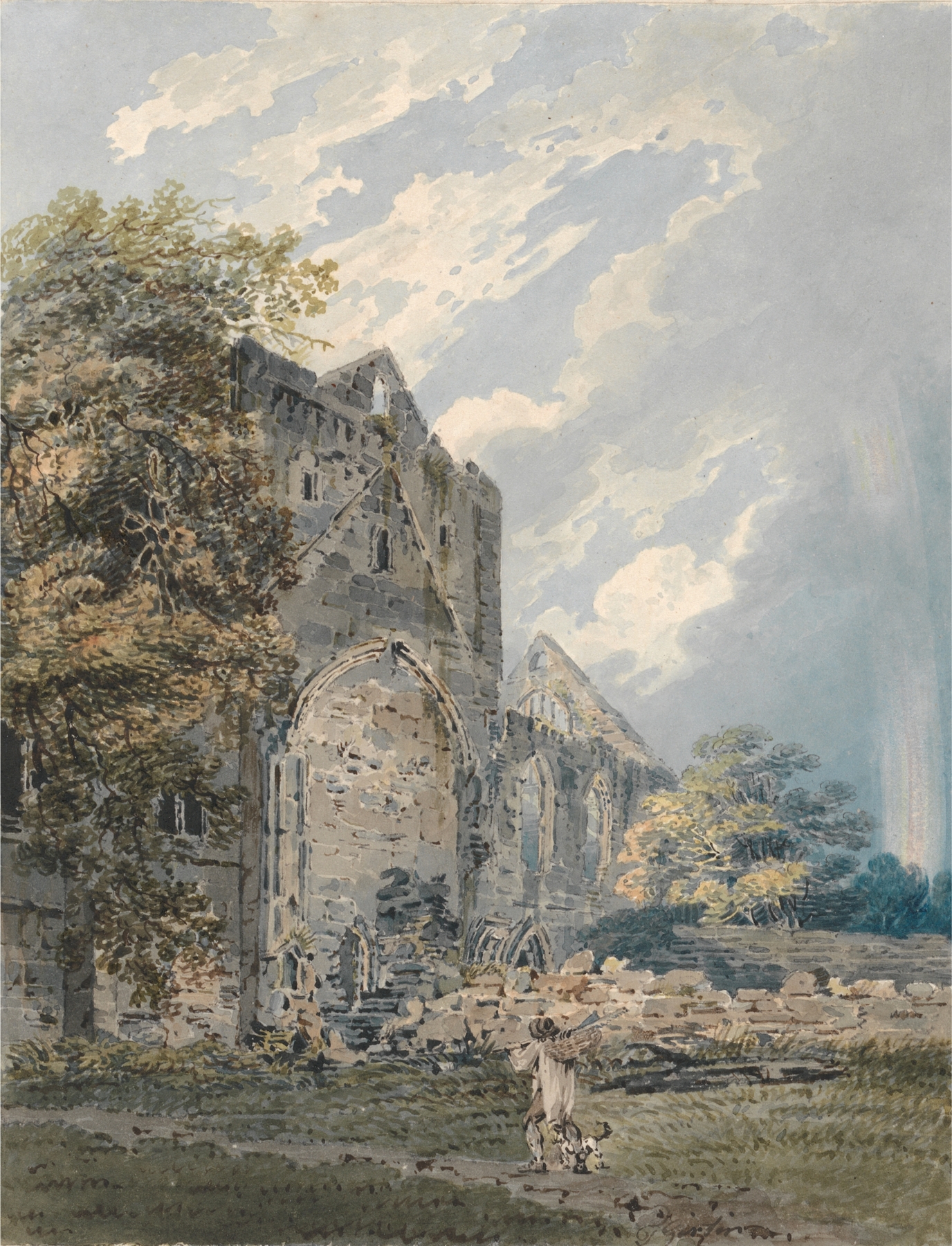
Can paint confess what words never could? In Ripon Minster, Yorkshire, the passage of time seems to stretch and curl, capturing the essence of a moment that resonates through centuries. Look to the left, where the majestic cathedral rises, its towering spires reaching for the sky, bathed in soft, golden sunlight. Notice how the gentle hues of blue and lavender interplay in the sky, contrasting with the earthy tones of the stone façade. The careful brushwork mimics the texture of the ancient stones, inviting the viewer to trace the contours of history etched within them.
The foreground, with its delicate greenery, serves as a grounding element, pulling the viewer into this serene landscape. The painting stands at the intersection of permanence and transience. The sturdy minster represents the unyielding passage of time, while the ethereal clouds hint at the fleeting nature of life itself. The light, filtered through the atmospheric perspective, creates a juxtaposition between the steadfastness of the architecture and the impermanence of the surrounding environment.
This interplay speaks to a deeper longing for connection with something eternal, even as life ebbs and flows around it. By 1800, Girtin found himself at the forefront of the Romantic movement in England, capturing landscapes that stirred the soul. He painted this work in Yorkshire, reflecting the era's shift toward valuing emotional experience over classical ideals. It was a time when the natural world began to be seen as a source of inspiration and reflection, and Girtin's ability to fuse the physical and the spiritual marked a significant moment in the evolution of landscape painting.