River Bank — History & Analysis
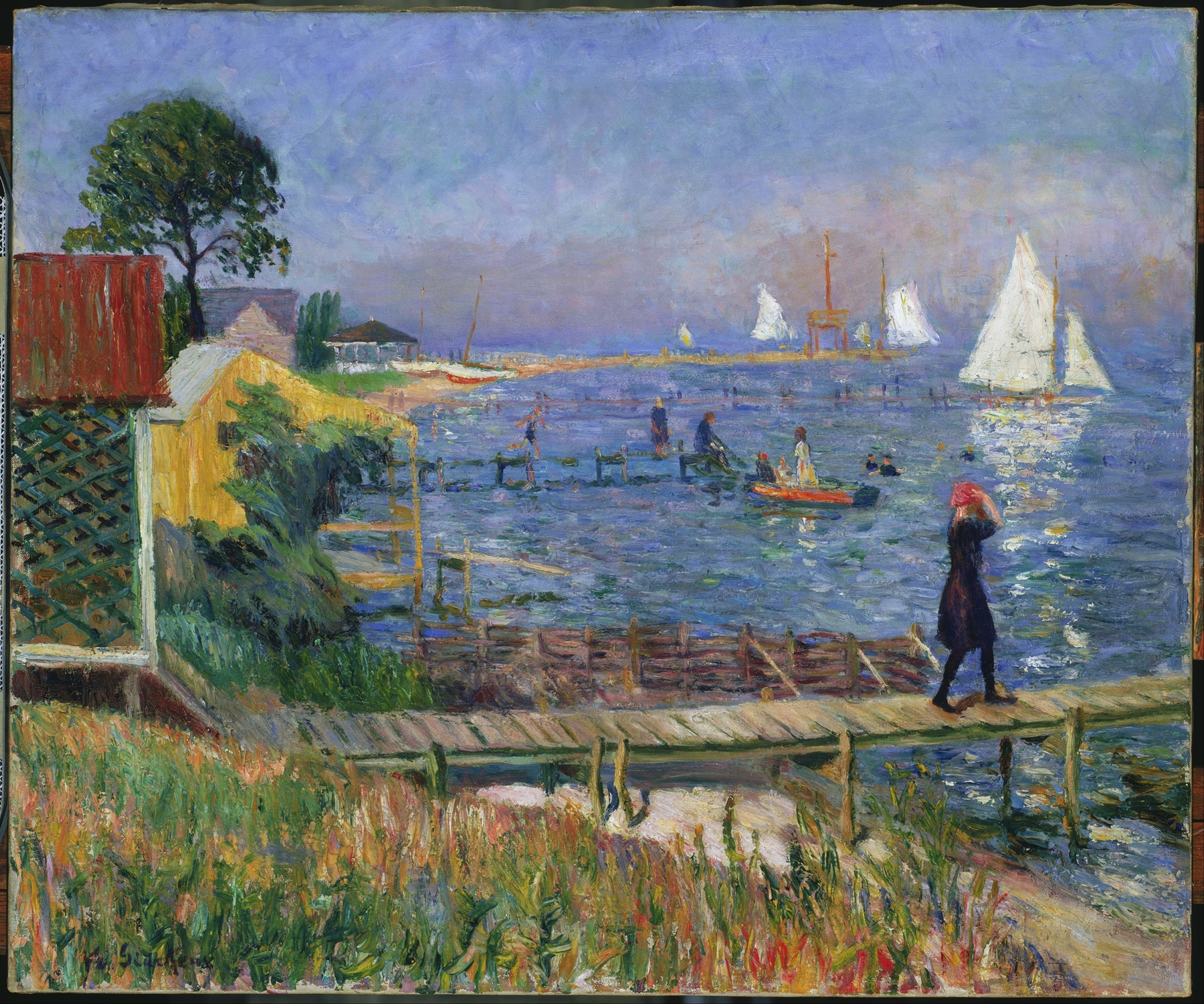
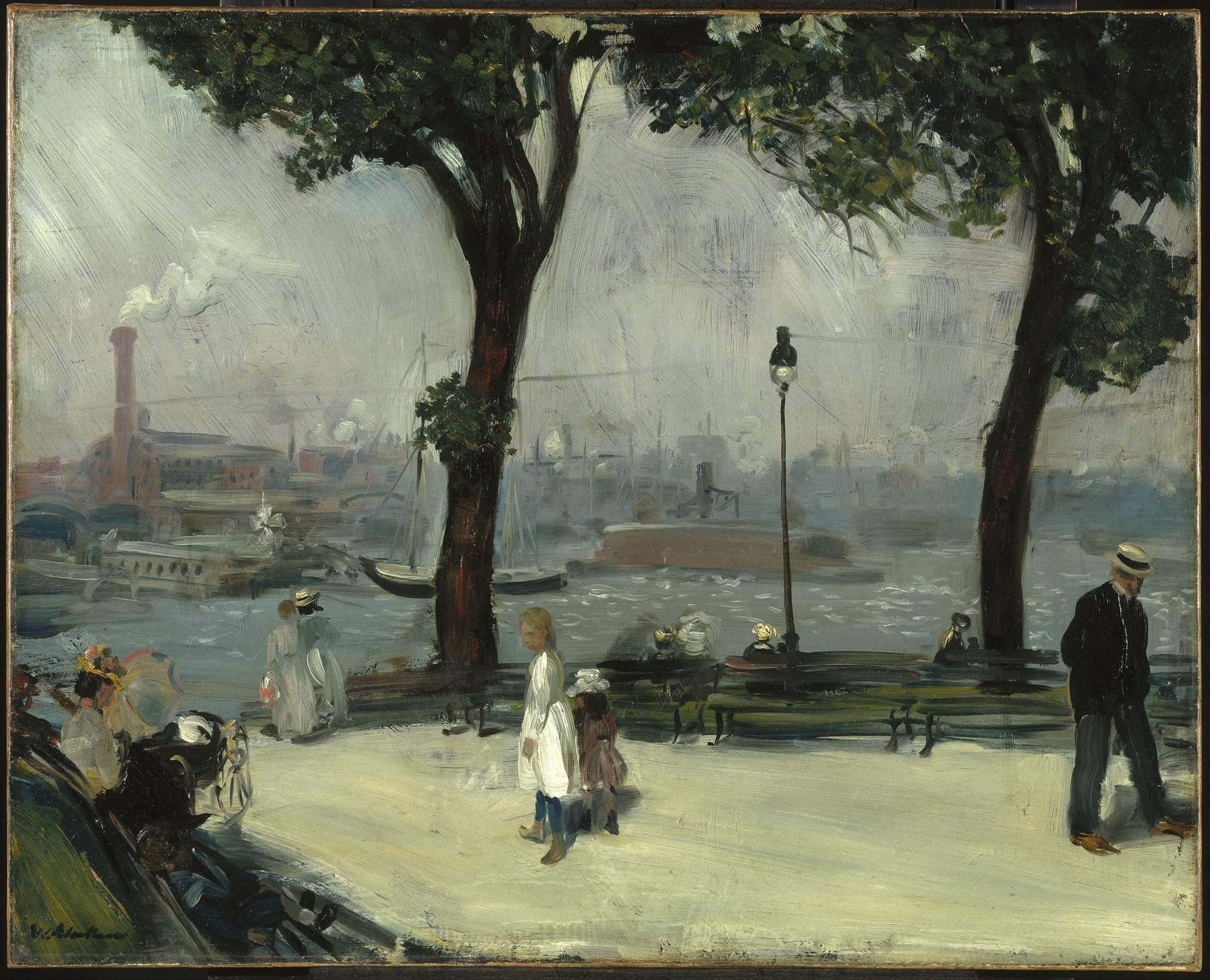
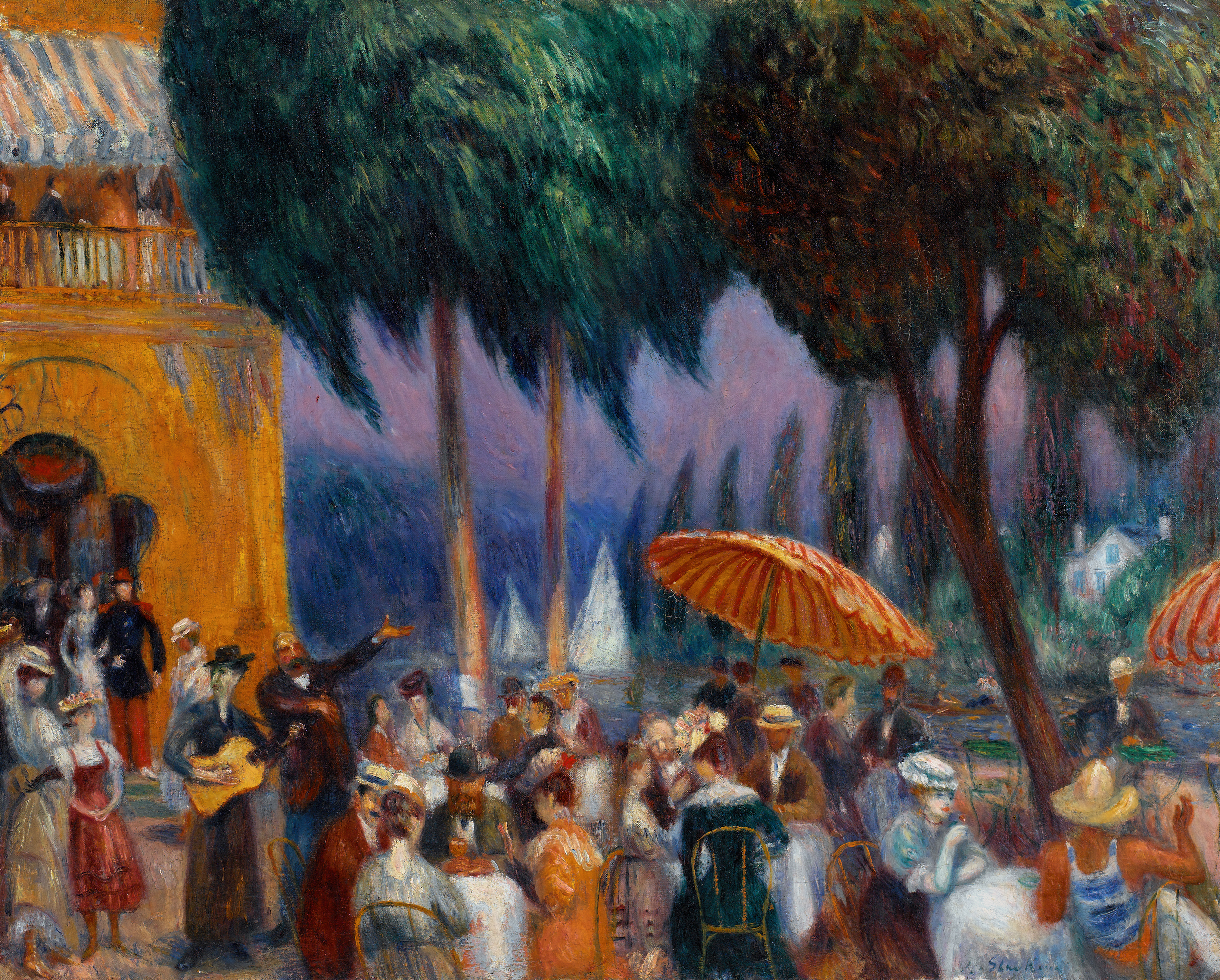
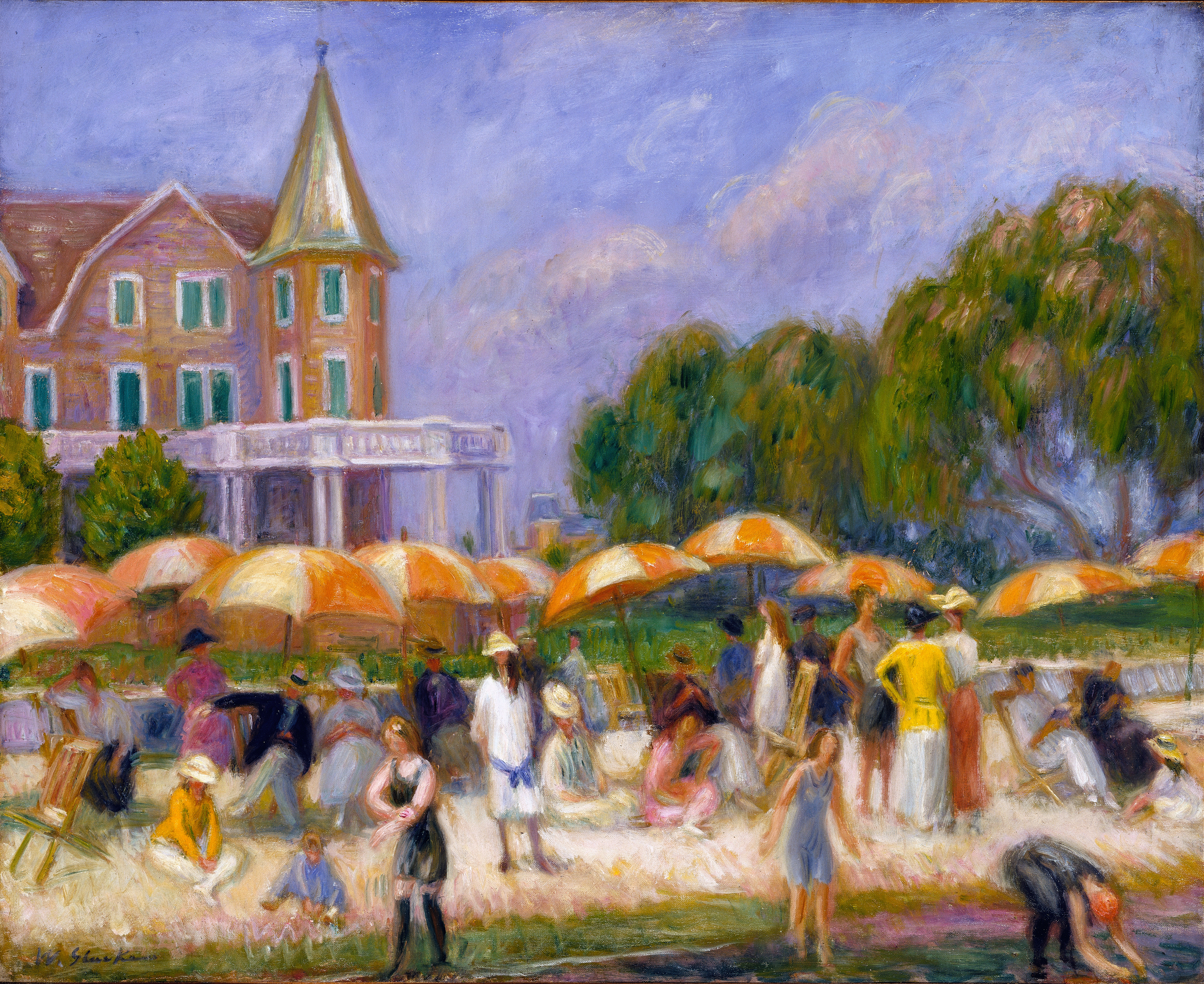
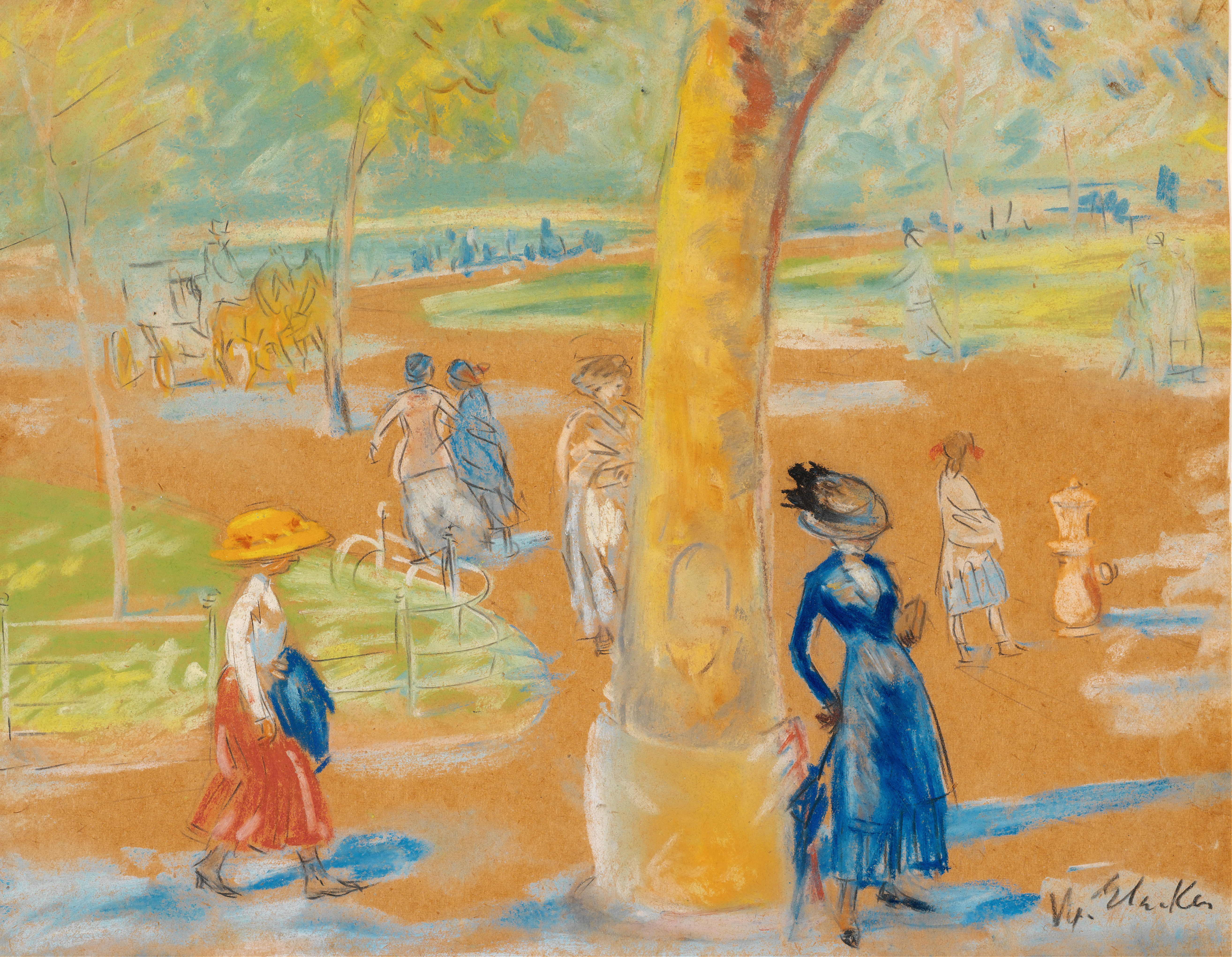
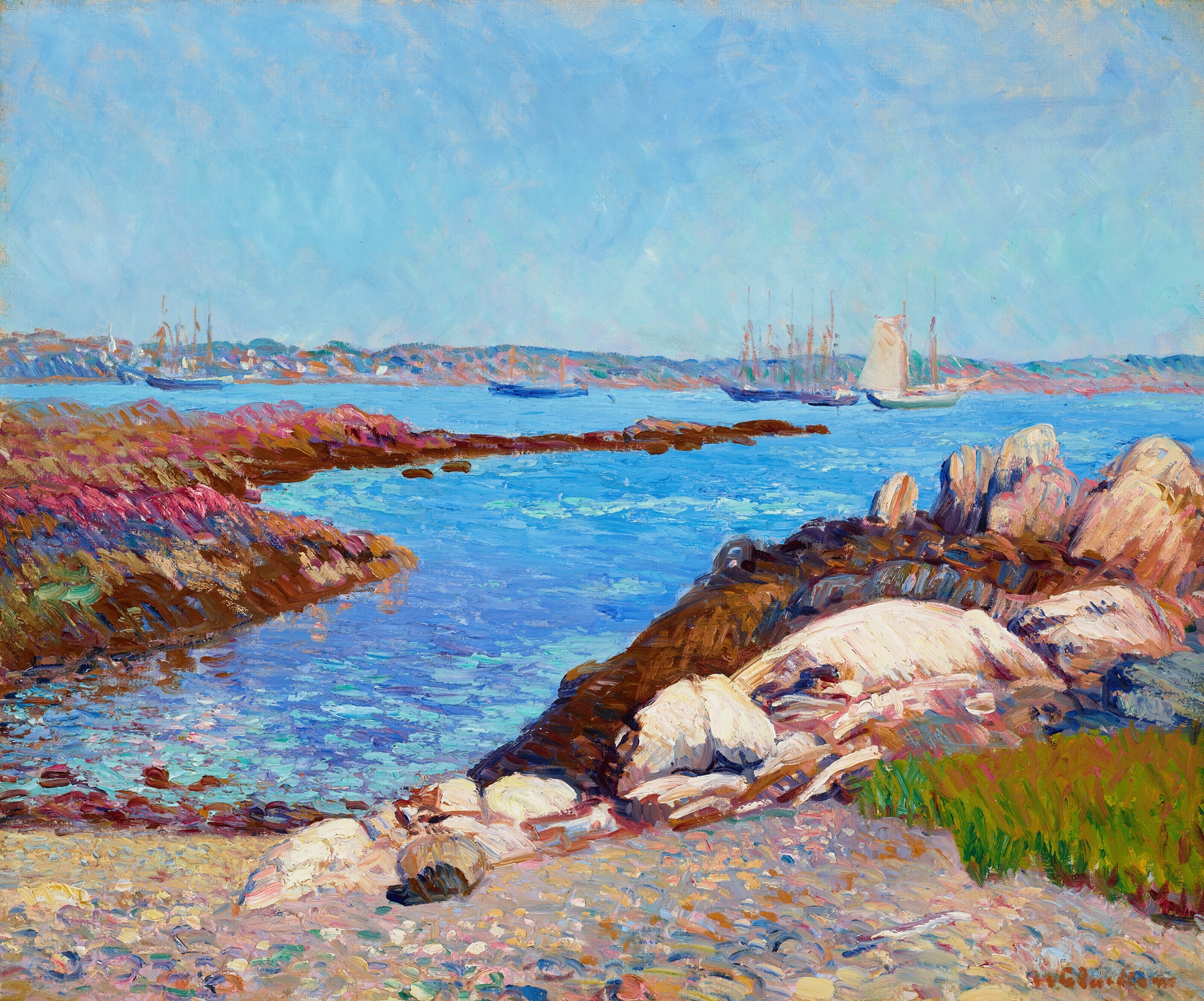
Is this a mirror — or a memory? The surface of the water reflects not just the world above, but the solitude of the soul, as if longing for company yet remaining unfilled. Focus on the gentle ripples in the water that draw your gaze, creating a sense of movement amidst the stillness. The muted colors evoke a tranquil atmosphere—soft blues and greens merge seamlessly, while hints of light filter through the trees above.
Notice how the composition is anchored by the subtle curve of the riverbank that invites you to explore, yet simultaneously suggests a barrier, an unseen separation from the surrounding life. Beneath the surface tranquility lies an inherent tension. The isolation of the riverbank, devoid of figures or activity, mirrors the emotional state of the viewer, suggesting themes of loneliness and introspection. The playful dance of light on the water contrasts with the somber palette, hinting at the complexity of human experience—beauty entwined with a sense of yearning.
In 1920, William James Glackens painted River Bank during a period marked by personal reflection and evolving artistic ambitions. Living in New York, he was influenced by the changing artistic landscape, straddling the line between Impressionism and the emerging modern styles. This work encapsulates that moment, revealing not just the external world, but the intimate, often unexpressed emotions that reside within us all.