Rochers, sapins, ruisseau — History & Analysis
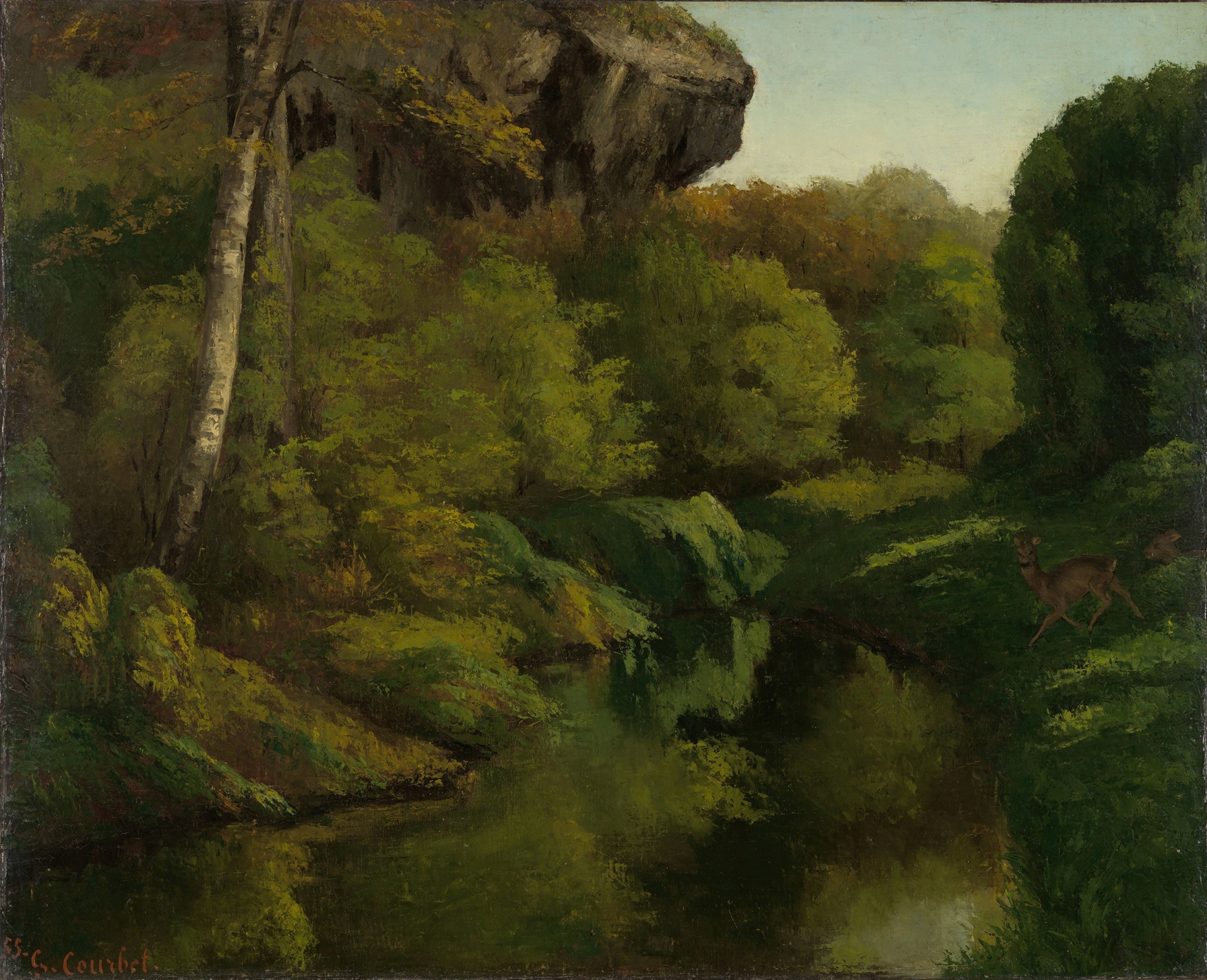
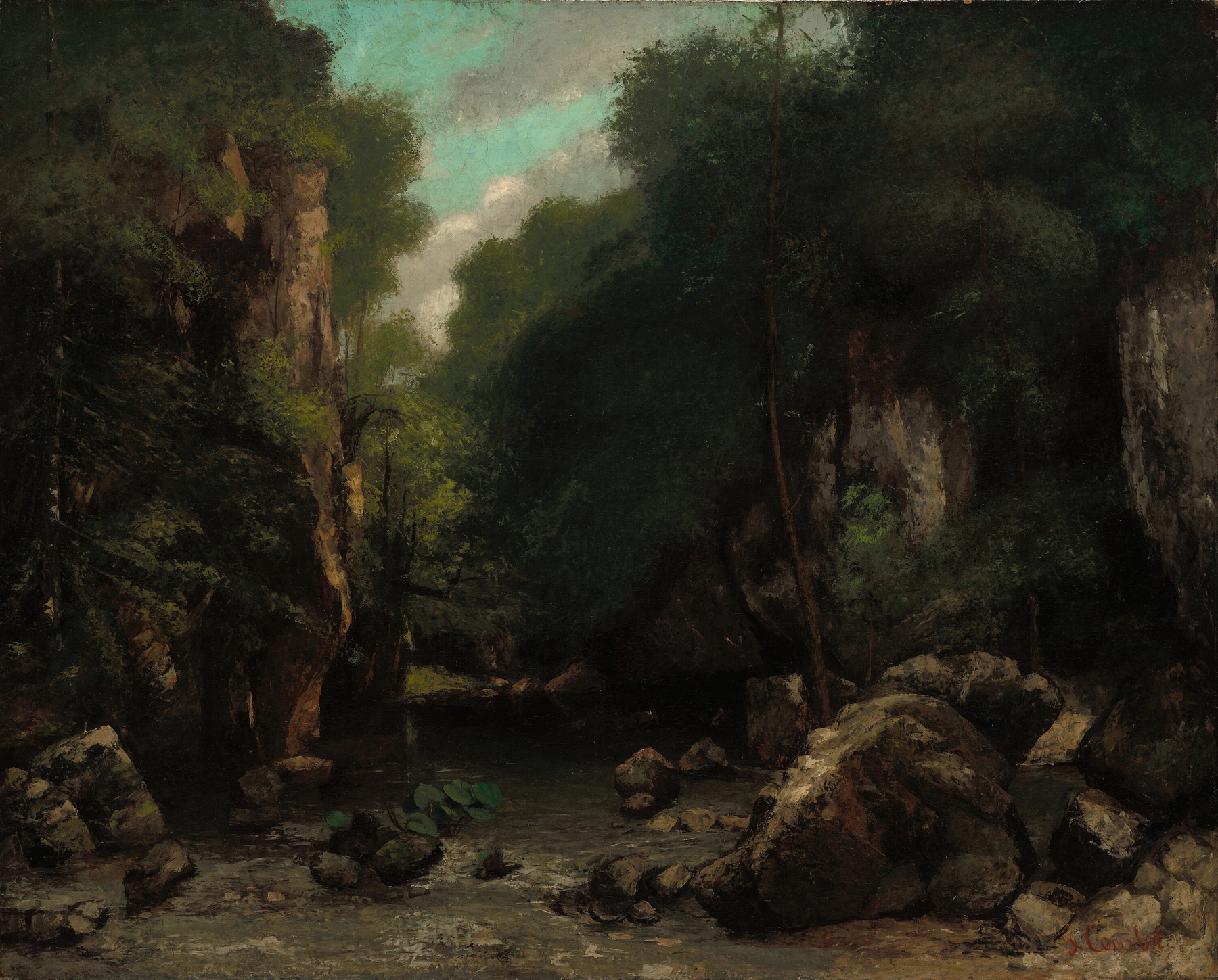
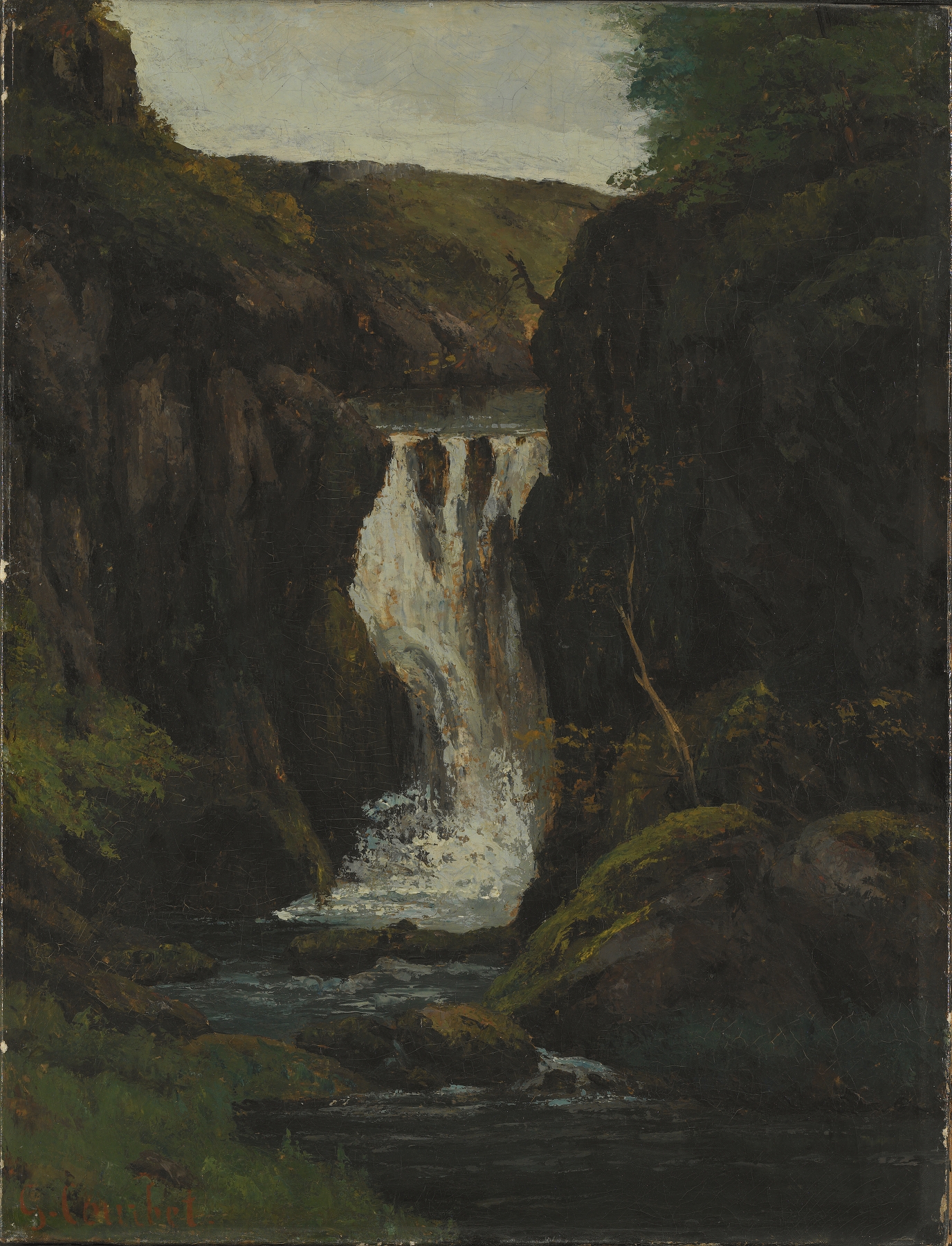
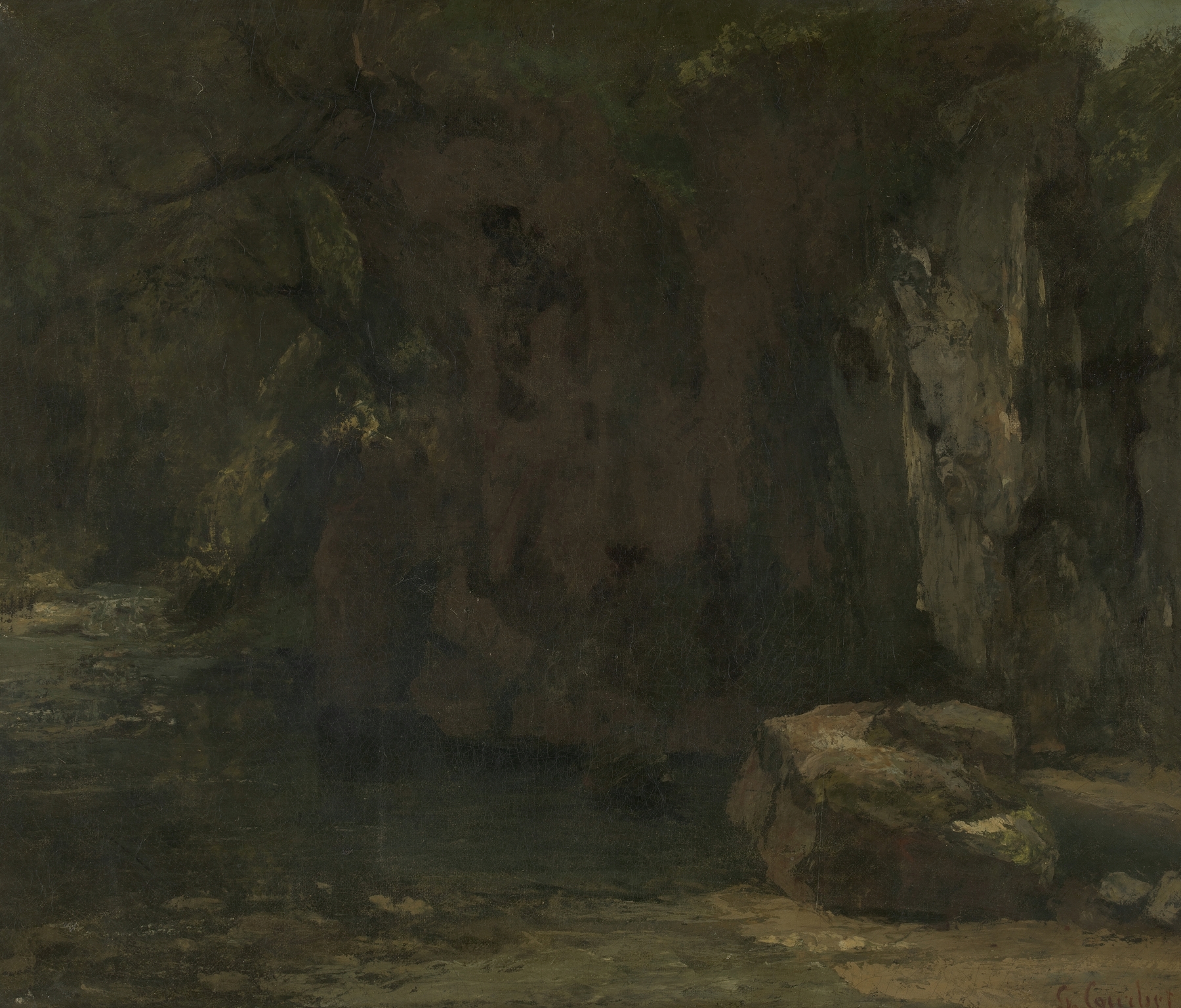
Could beauty survive in a century of chaos? In the hands of Courbet, the answer resonates through the tranquil yet powerful imagery of nature, inviting contemplation and solace amidst the tumult of the era. Focus on the lush greens and browns that envelop the canvas, drawing your gaze to the rugged rocks on the left, where the vibrant foliage cascades down with an almost tangible richness. Notice how the sunlight dapples through the trees, creating a dance of shadows that plays upon the water's surface and accentuates the gentle flow of the stream.
The brushstrokes are bold yet delicate, perfectly capturing the essence of the landscape while inviting an emotional response from the viewer. As you explore the scene, consider the juxtaposition of raw nature against the subtle serenity it embodies. The rough textures of the rocks contrast with the smooth water, symbolizing the balance between chaos and calm. The vibrant greens serve not only as a celebration of life but also pose a question about the relationship between humanity and the natural world.
Are we stewards of beauty, or do we risk losing it to the relentless march of time? Courbet painted this work during a period marked by political upheaval and societal change in mid-19th century France. Emerging from an artist's community that valued realism, he sought to depict the world as it truly was, often reflecting his own beliefs about nature and society. This piece captures a moment of creation, showcasing Courbet's commitment to authenticity in art—a response to the chaos surrounding him.