Rocky coast — History & Analysis
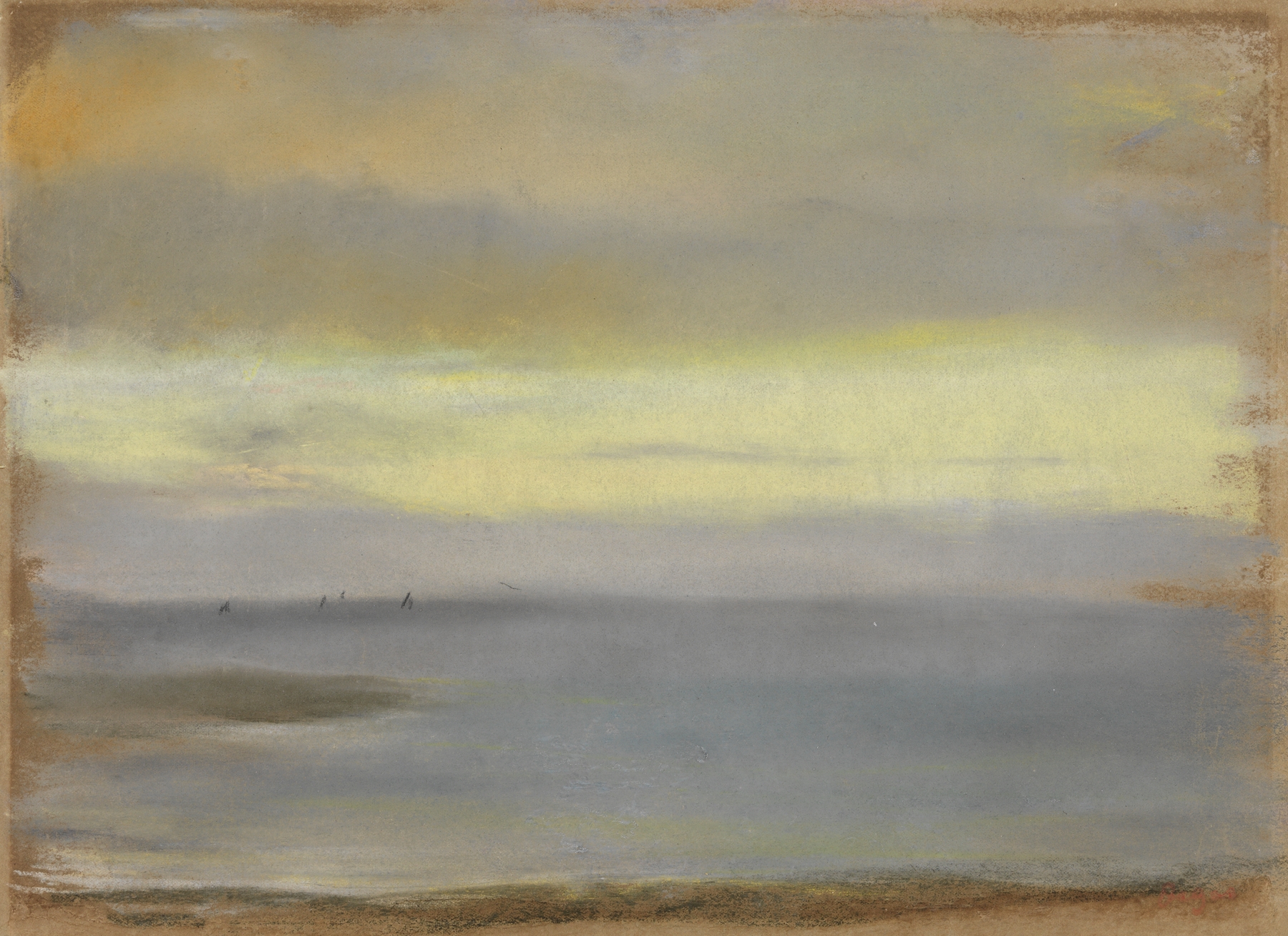
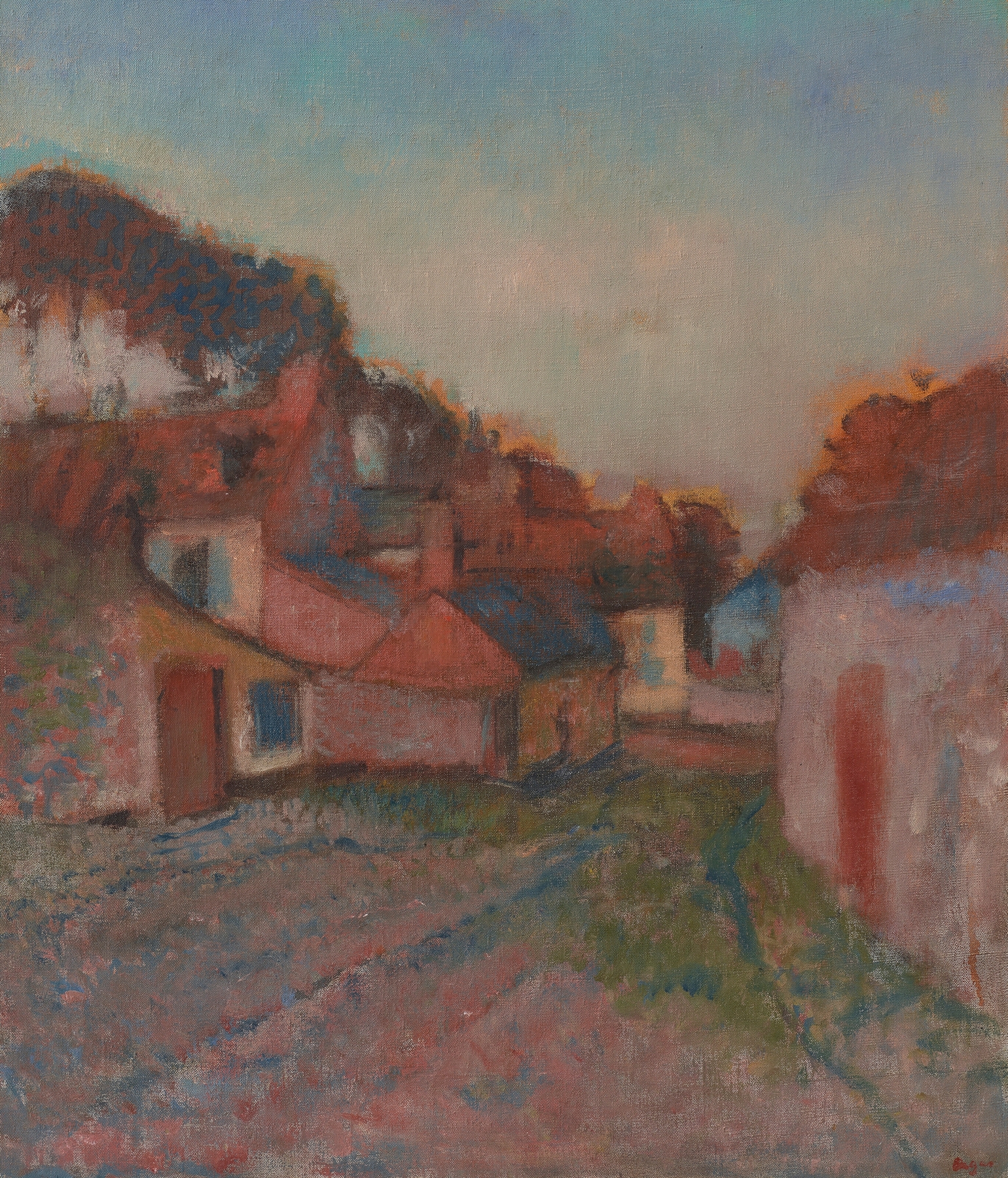
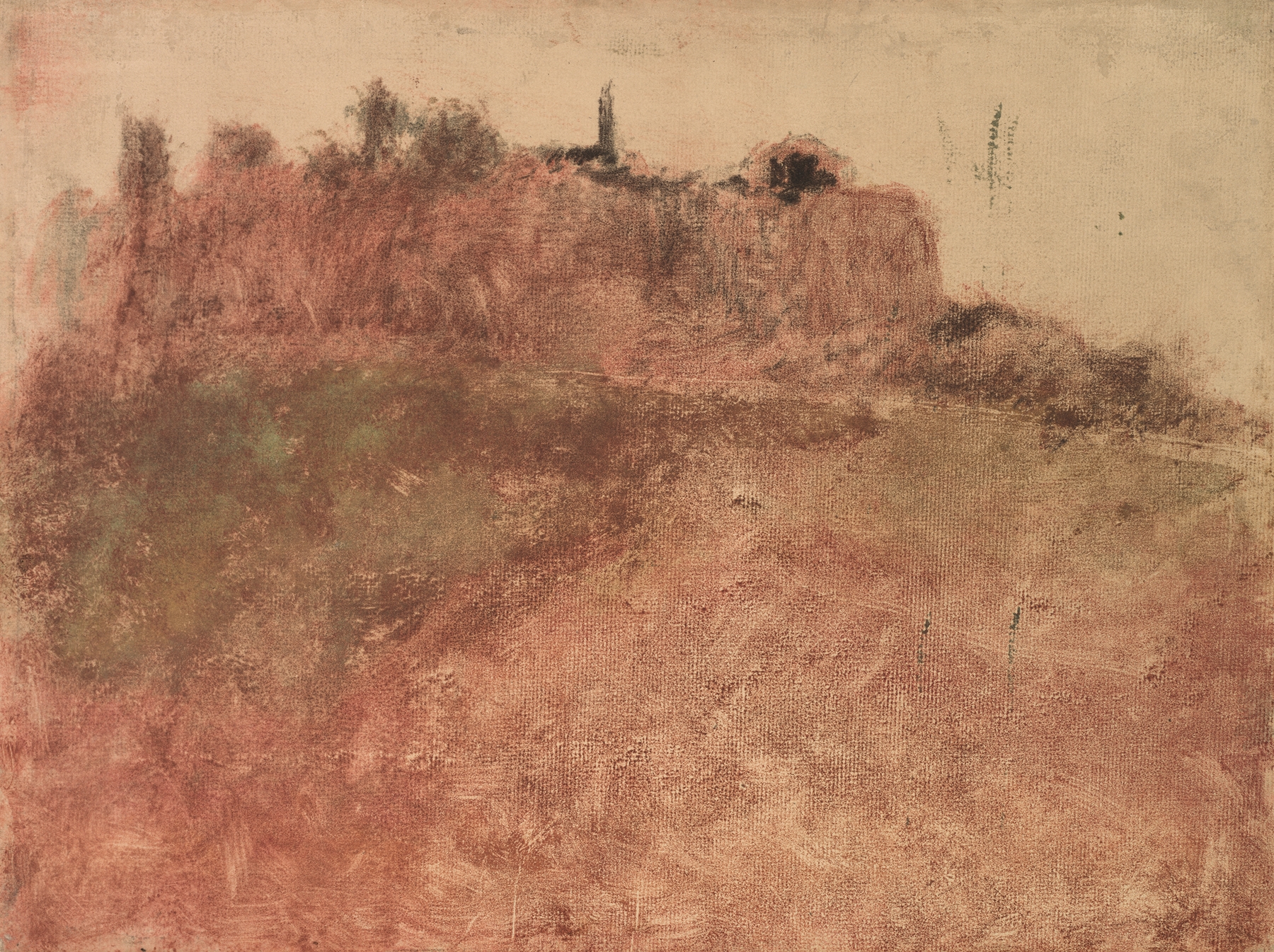
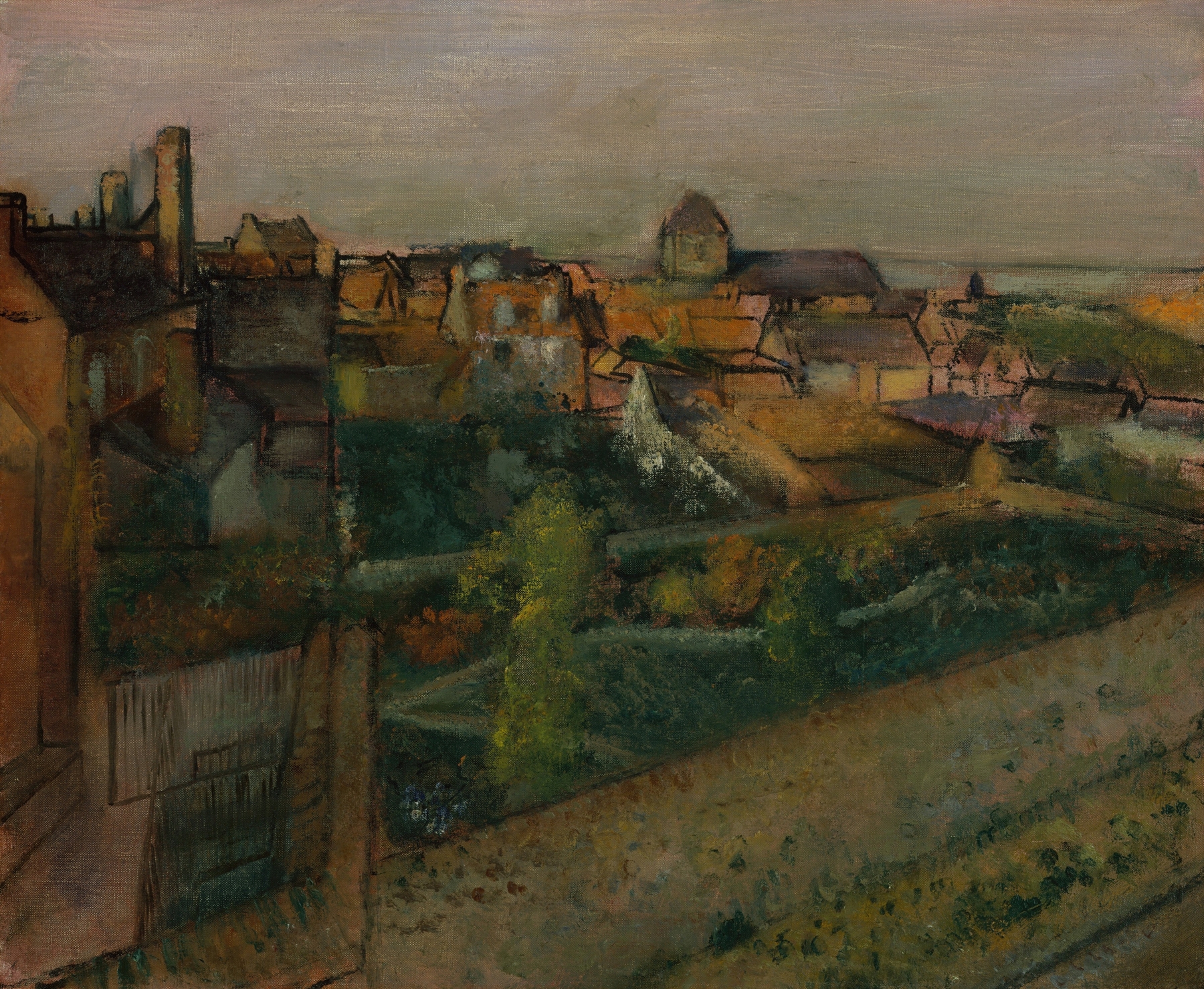
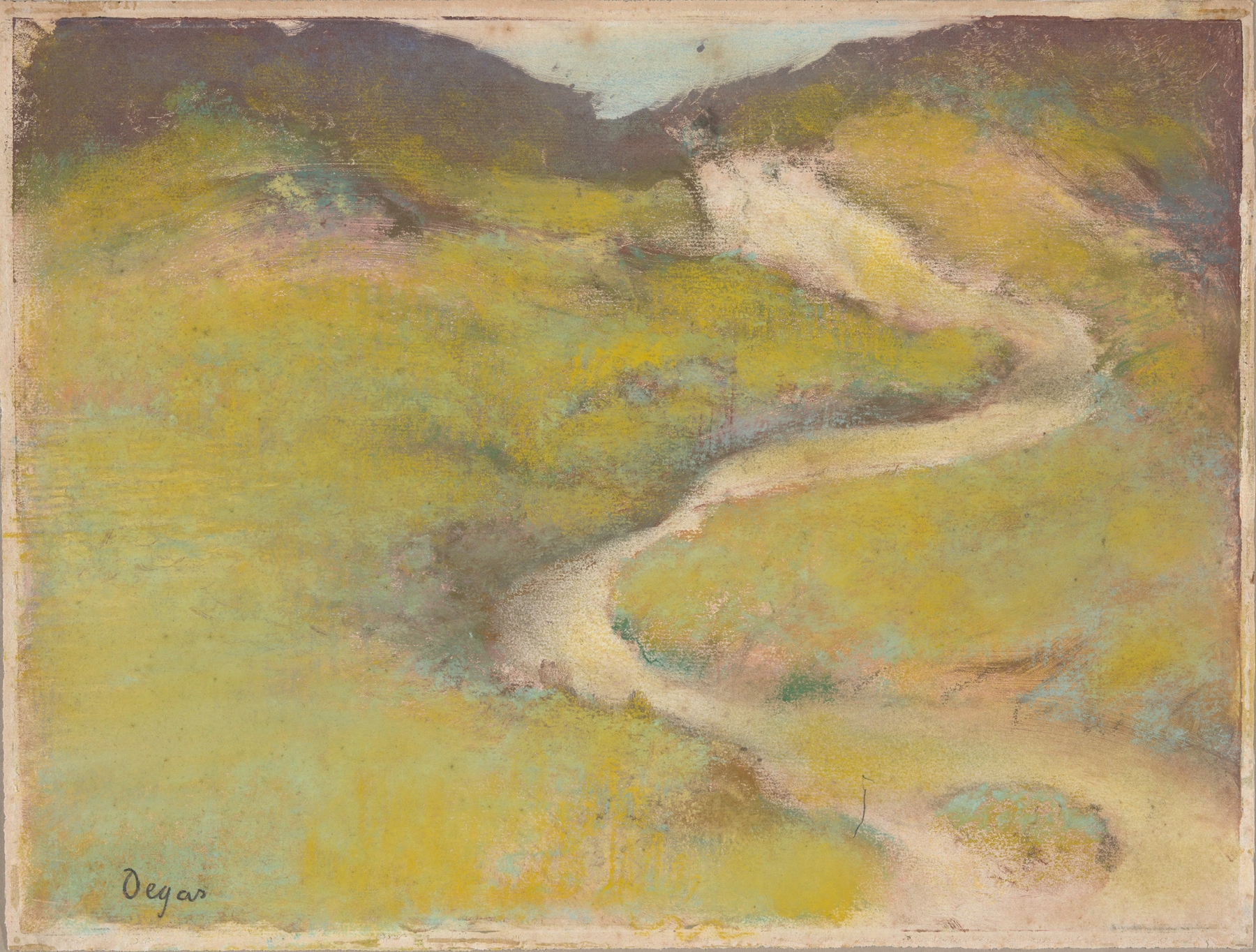
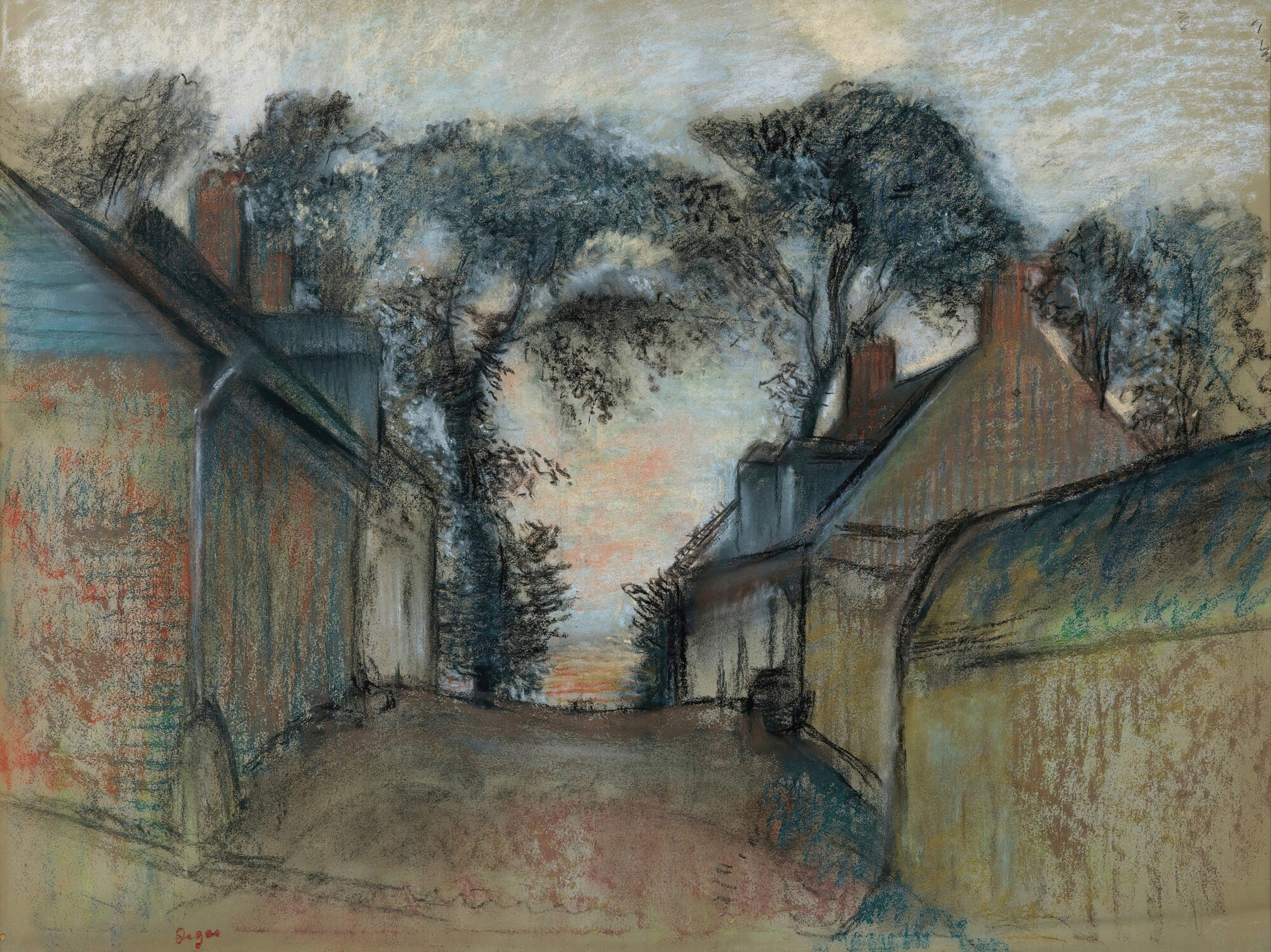
“Every silence here is a confession.” In the stillness of nature, the reflections of a rocky coast echo the unspoken truths of existence. The interplay of water and stone offers a moment of introspection, inviting the viewer to contemplate what lies beneath the surface. Look to the foreground, where jagged rocks rise dramatically from the sea, their textures rendered with deft brushwork. Notice how the delicate play of light dances across the water, illuminating the reflective surface as it cradles the colors of the sky.
The soft hues of cerulean and muted greens contrast with the rugged earthiness of the coast, creating a dialogue between the fluid and the solid, urging the observer to explore deeper. Yet, the stillness carries an undercurrent of tension. The restless waves suggest a world in motion, while the rocks remain unwavering, embodying the struggle between permanence and change. This juxtaposition speaks to the fragility of life, capturing both the beauty of the coastal landscape and the isolation that can come from such stark contrasts.
The reflections shimmer and distort, masking hidden sorrows, and revealing the complexity of the human experience. During the years between 1890 and 1892, Edgar Degas was navigating a transformative period in his career. Living in Paris, he was deeply influenced by the Impressionist movement, though he often diverged from its traditions. The era was marked by a growing interest in capturing fleeting moments, and through this piece, Degas offered a contemplative meditation on nature, reflecting both personal and universal themes in a world that was rapidly changing around him.