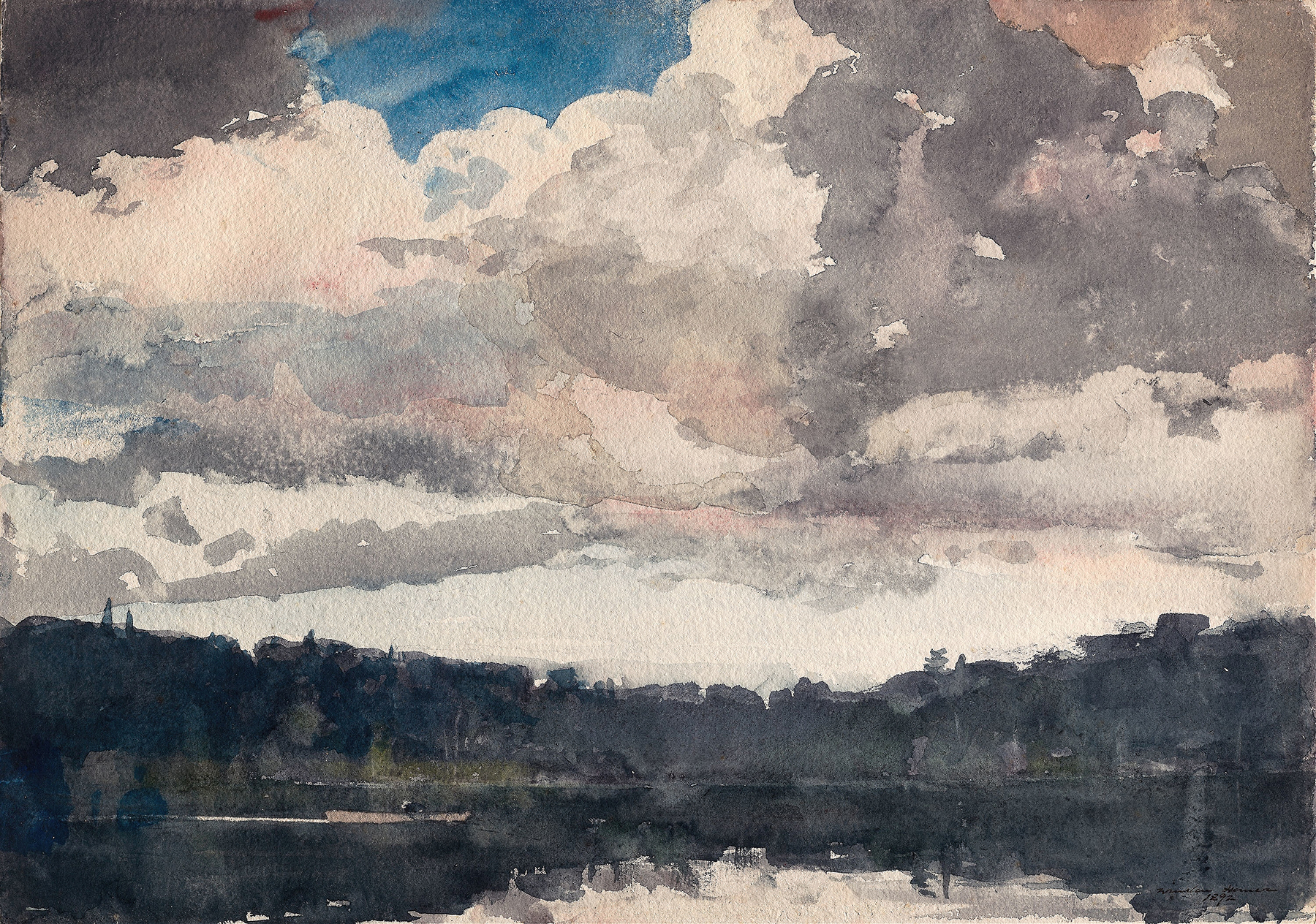
Rocky Shore, Bermuda — History & Analysis
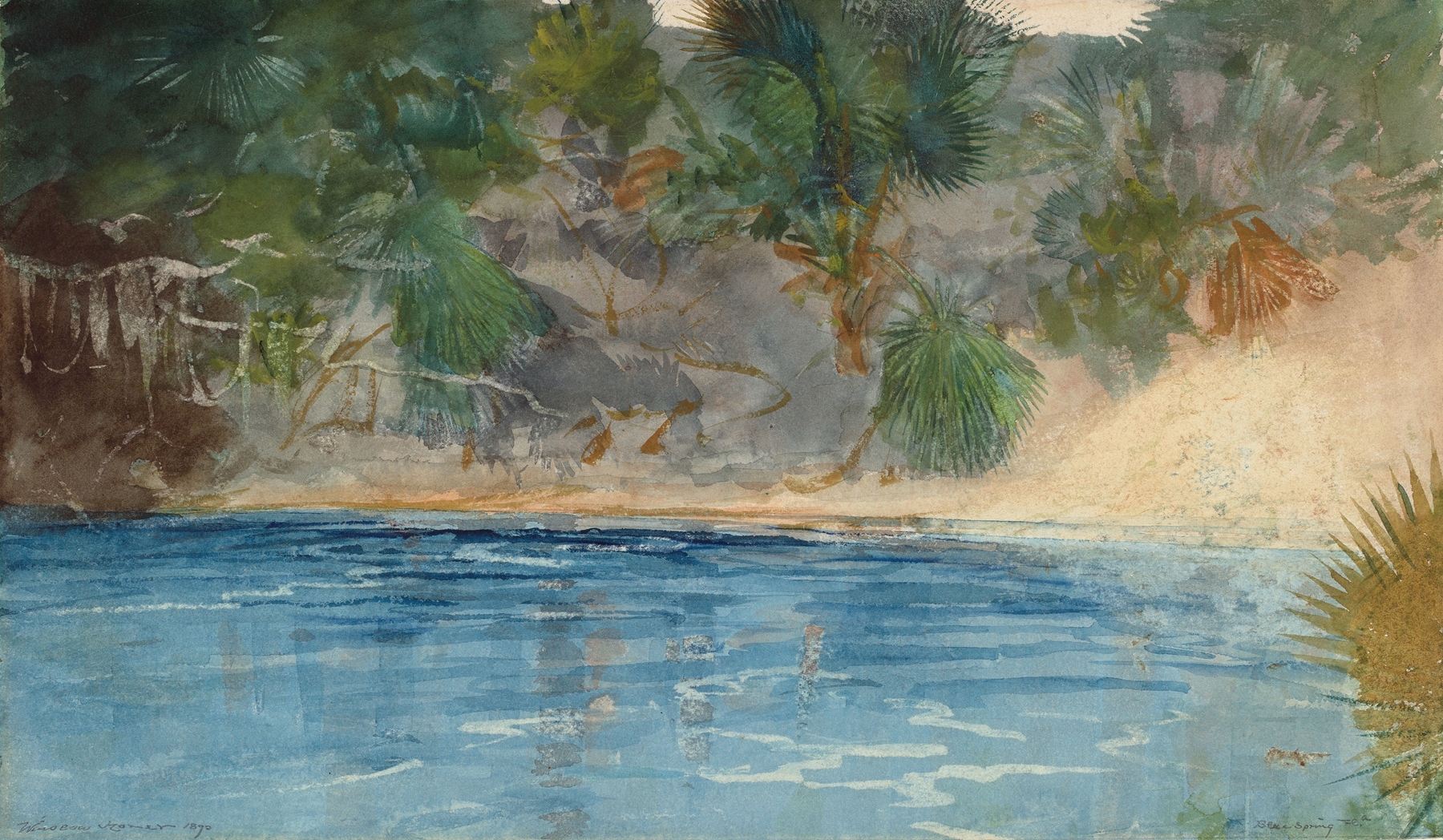
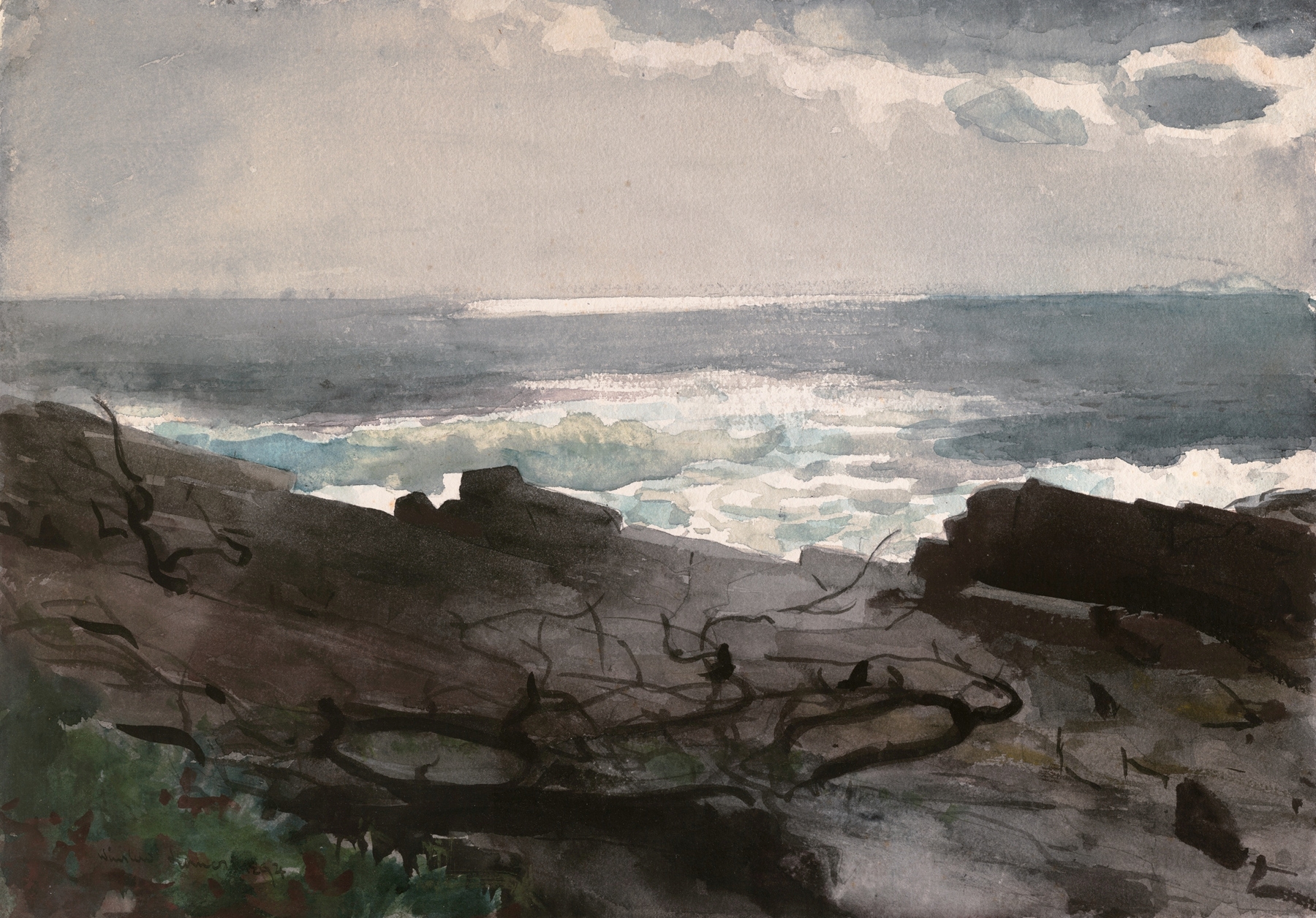
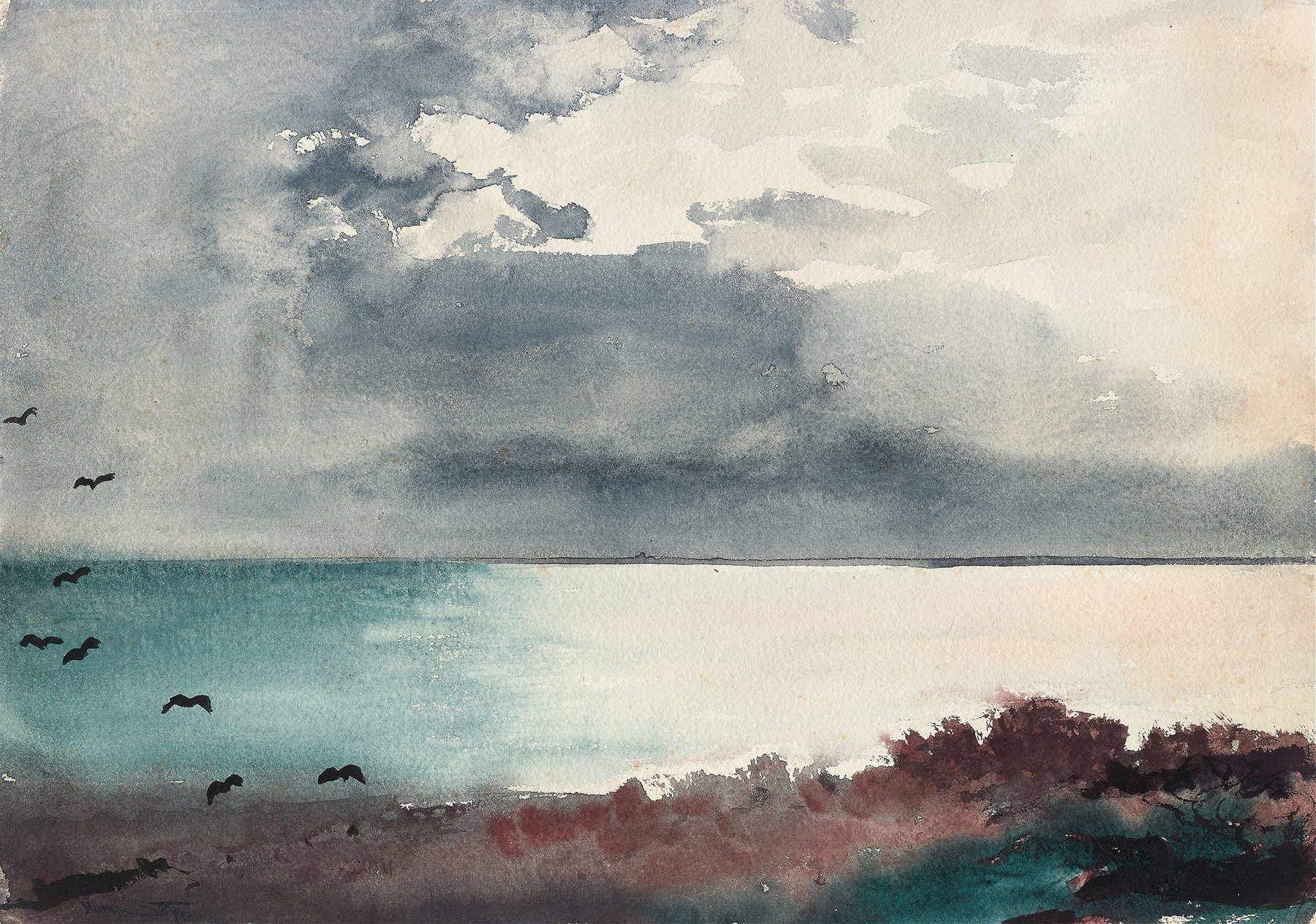
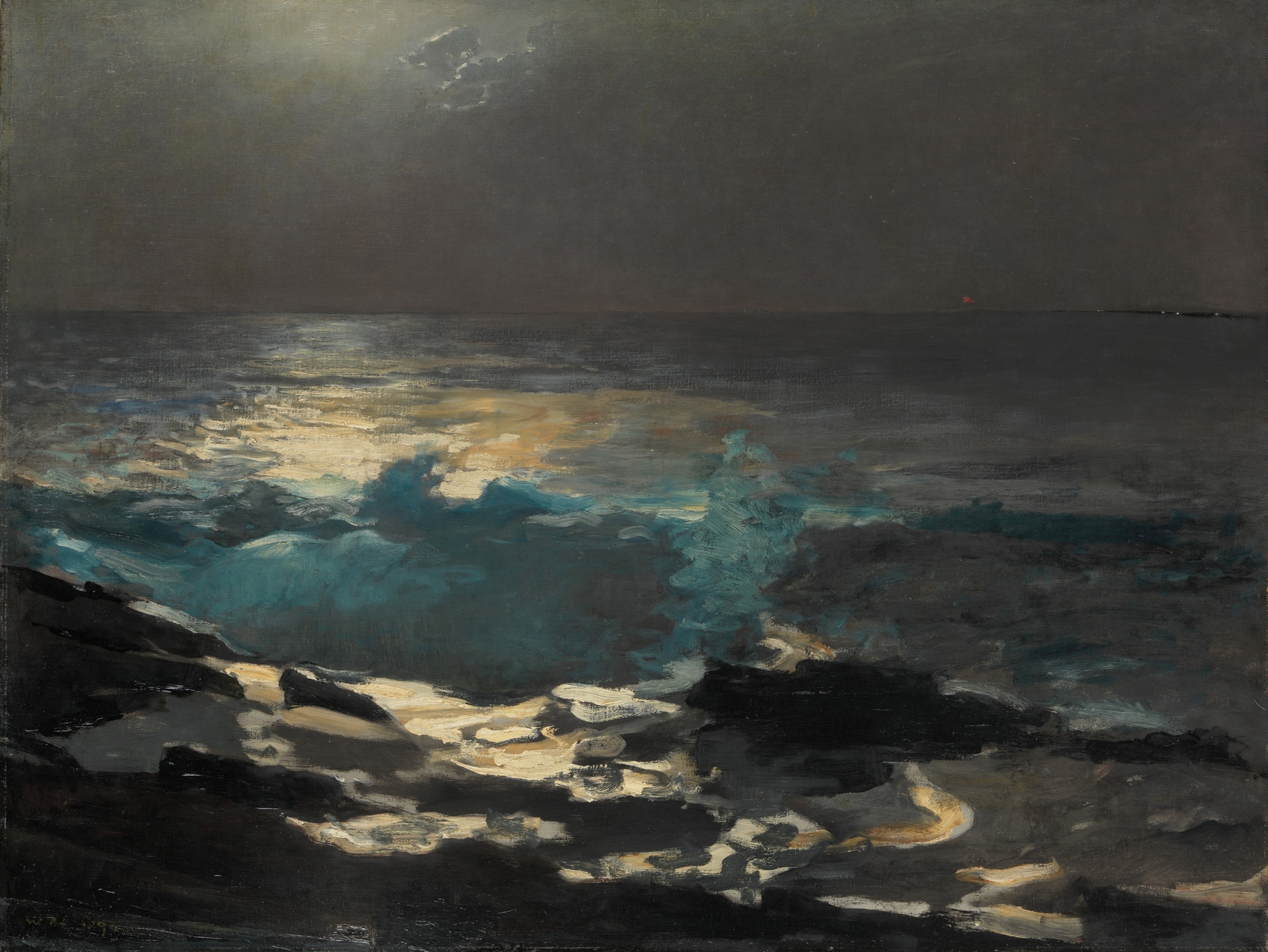
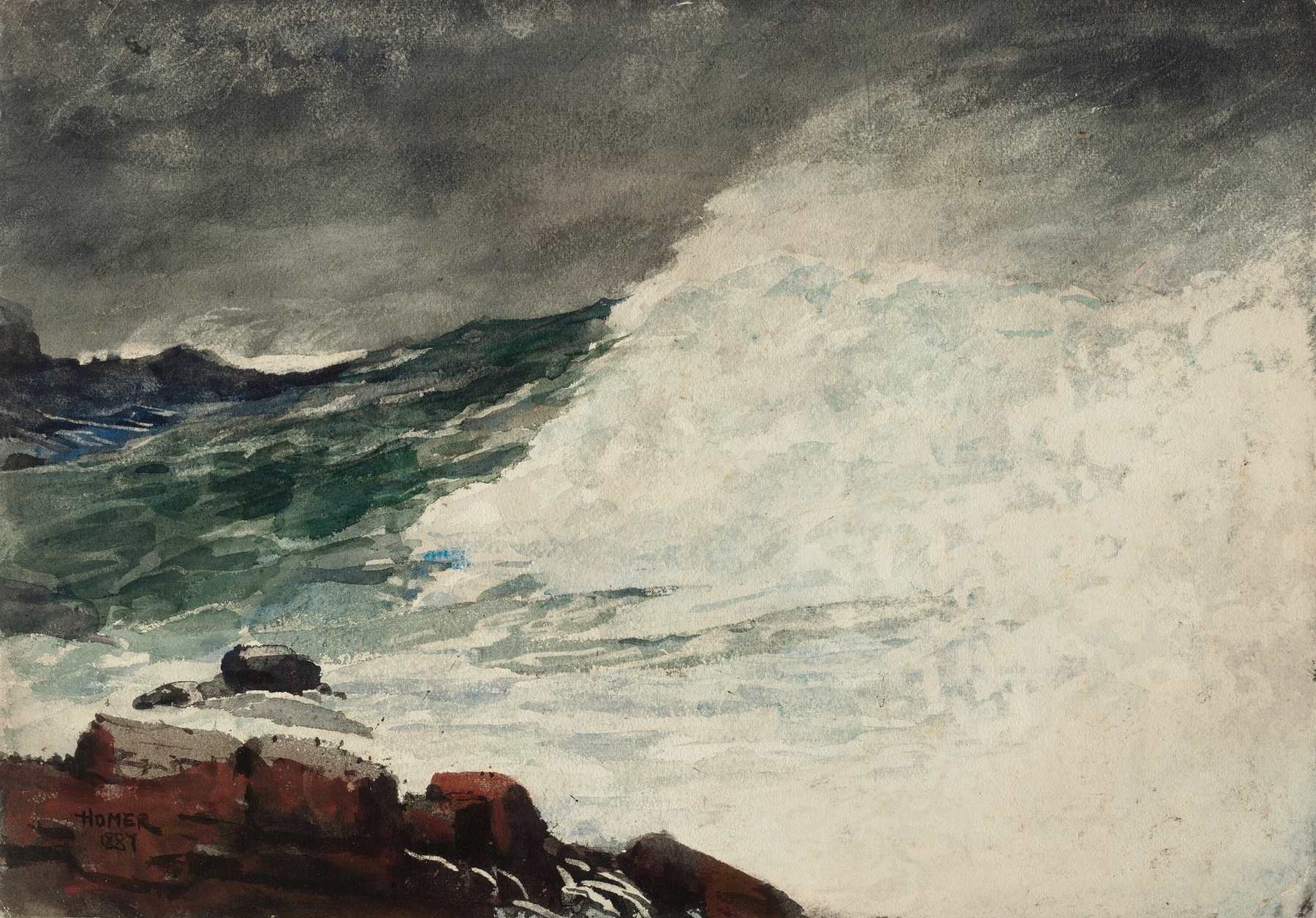
What if silence could speak through light? It whispers of decay, of change, of the relentless passage of time etched into the canvas. As the viewer stands before this landscape, a sense of melancholy intertwines with beauty, inviting contemplation on nature's impermanence. First, look to the foreground, where rugged rocks emerge with an earthy solidity, bathed in soft, muted hues of gray and brown. The tumultuous sea churns gently in the background, its deep blues contrasting sharply with the whites of the frothy waves that break against the shore.
Notice how the light delicately glimmers on the water's surface, creating an ethereal glow that draws your gaze across the entire scene. Homer's masterful brushwork reveals textures, from the smooth contours of the rocks to the ripple of the water, each stroke enhancing the overall dynamism of the composition. Yet, beneath the surface of this tranquil vista lies an emotional tension. The juxtaposition of the steadfast rocks against the fluidity of the ocean speaks to a silent struggle between permanence and transience. The decaying remnants of nature resonate with the inevitability of change, while the vibrant sea foams at their feet, embodying life’s relentless forward march.
Each element carries a story of resilience and decline, evoking reflections on our own journeys through time. In 1900, Winslow Homer created Rocky Shore, Bermuda during a period of personal introspection and artistic exploration. Living in Prouts Neck, Maine, he was immersed in the natural world, which deeply influenced his work. At this time, the art world was transitioning towards modernism, yet Homer remained steadfast in his commitment to realism, using the landscape to convey emotional depth and a connection to the fleeting nature of existence.