Roman Cloister — History & Analysis
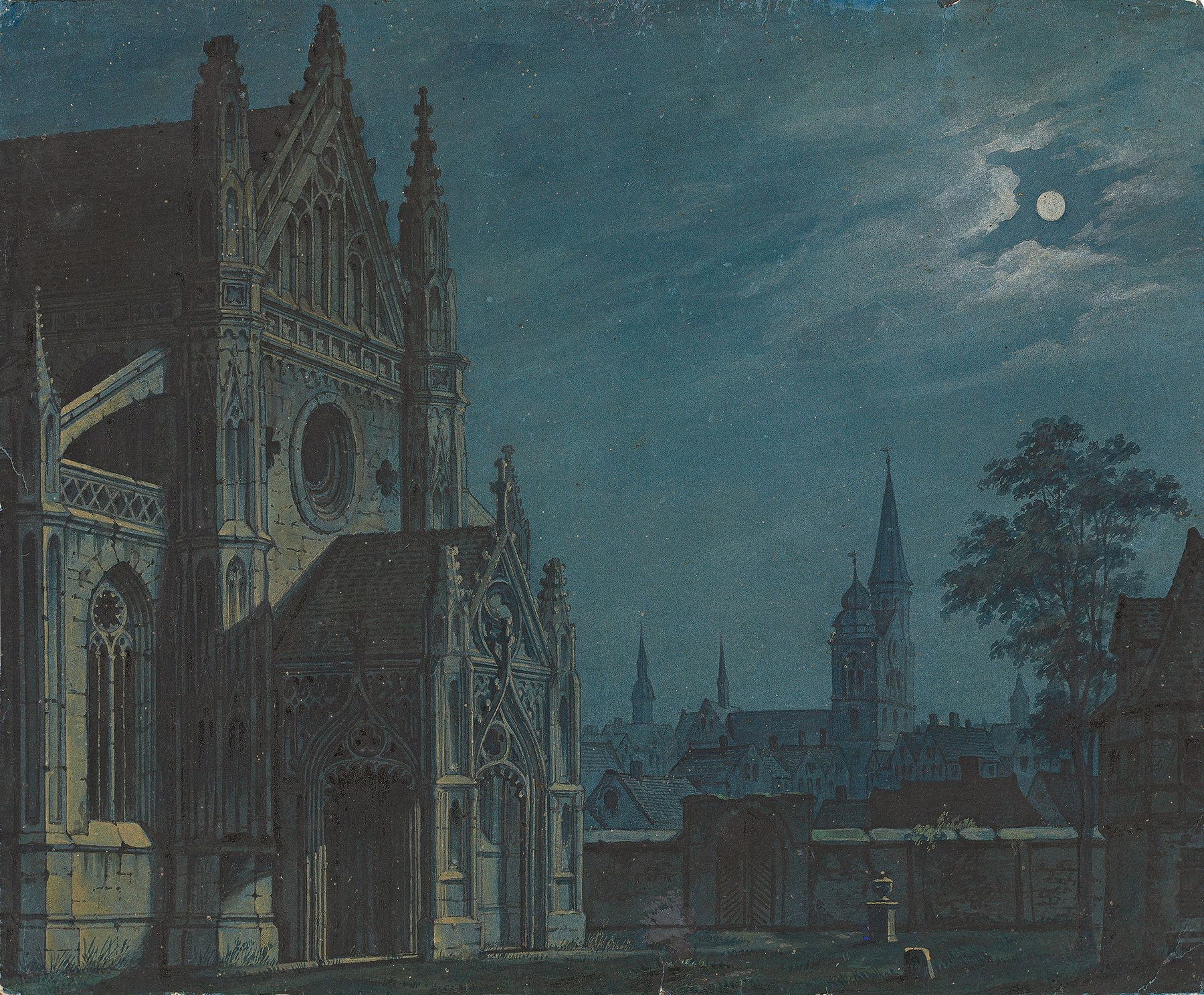
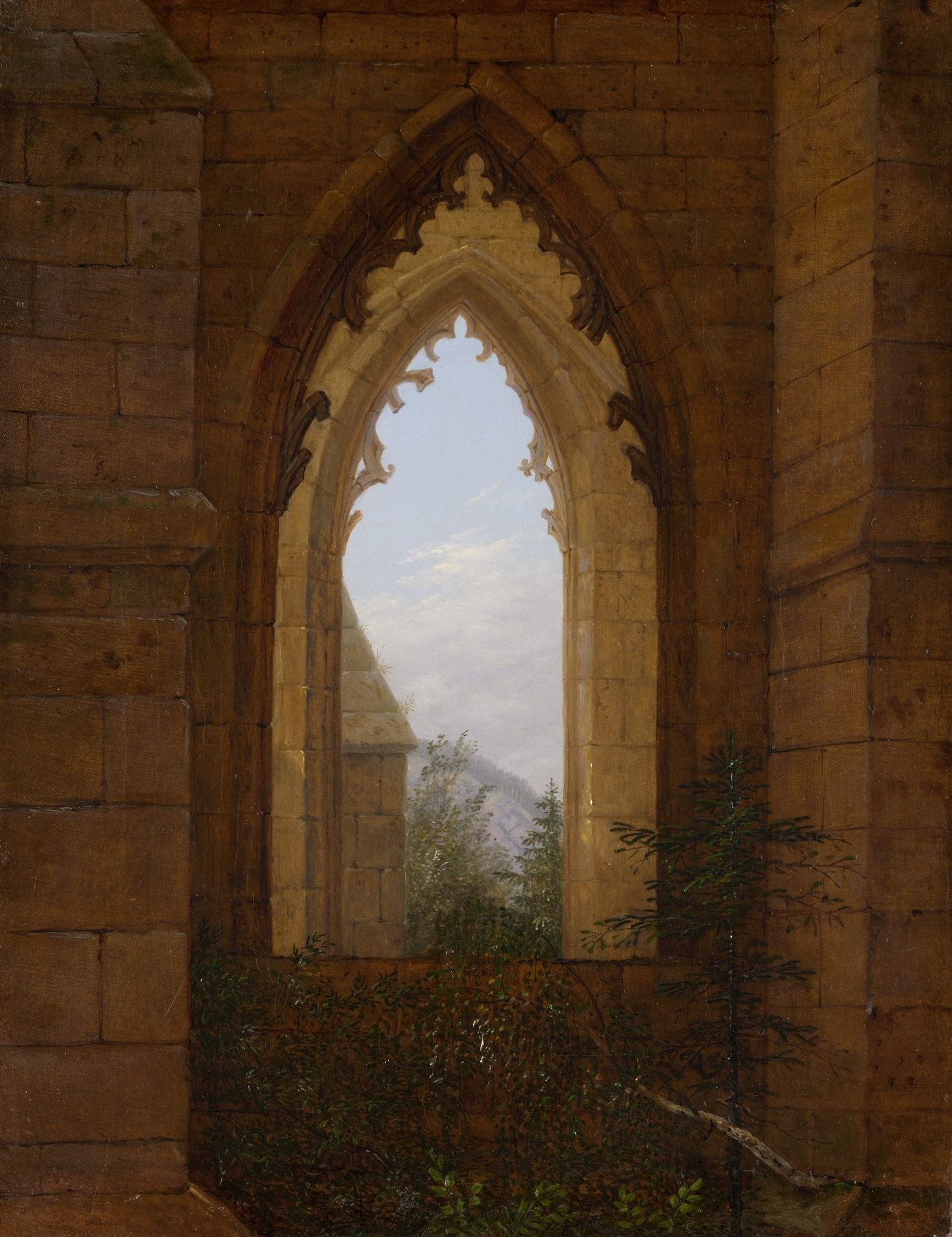
Can paint confess what words never could? In the subtle play of light and shadow within Roman Cloister, layers of truth emerge, whispering secrets of time and space. Look to the left at the delicate arches that rise gracefully against the backdrop, their stone surfaces kissed by a gentle illumination. The artist’s meticulous brushwork captures the undulating textures of the walls, inviting you to trace the contours of history.
Notice how the soft, muted palette enhances the serene atmosphere, as shades of ochre and gray evoke a sense of timelessness, grounding the viewer in this tranquil sanctuary. Hidden within the serene façade lies a profound exploration of solitude and reflection. The interplay of light symbolizes hope breaking through the confines of the cloister, while the stillness captures an introspective silence that encourages deeper contemplation. Small details, such as the subtle hints of greenery peeking through the arches, suggest life persisting quietly beyond the stone—an echo of both fragility and resilience that resonates within the viewer's own existence.
In 1828, Carl Gustav Carus painted Roman Cloister during a period of personal and artistic introspection. Residing in Dresden, he was influenced by the Romantic movement's emphasis on nature and the sublime, as well as the ideals of truth and beauty. This work reflects not only his fascination with classical architecture but also the broader cultural shifts at the time, as artists sought to reconcile the emotional depths of the human experience with the enduring legacies of the past.