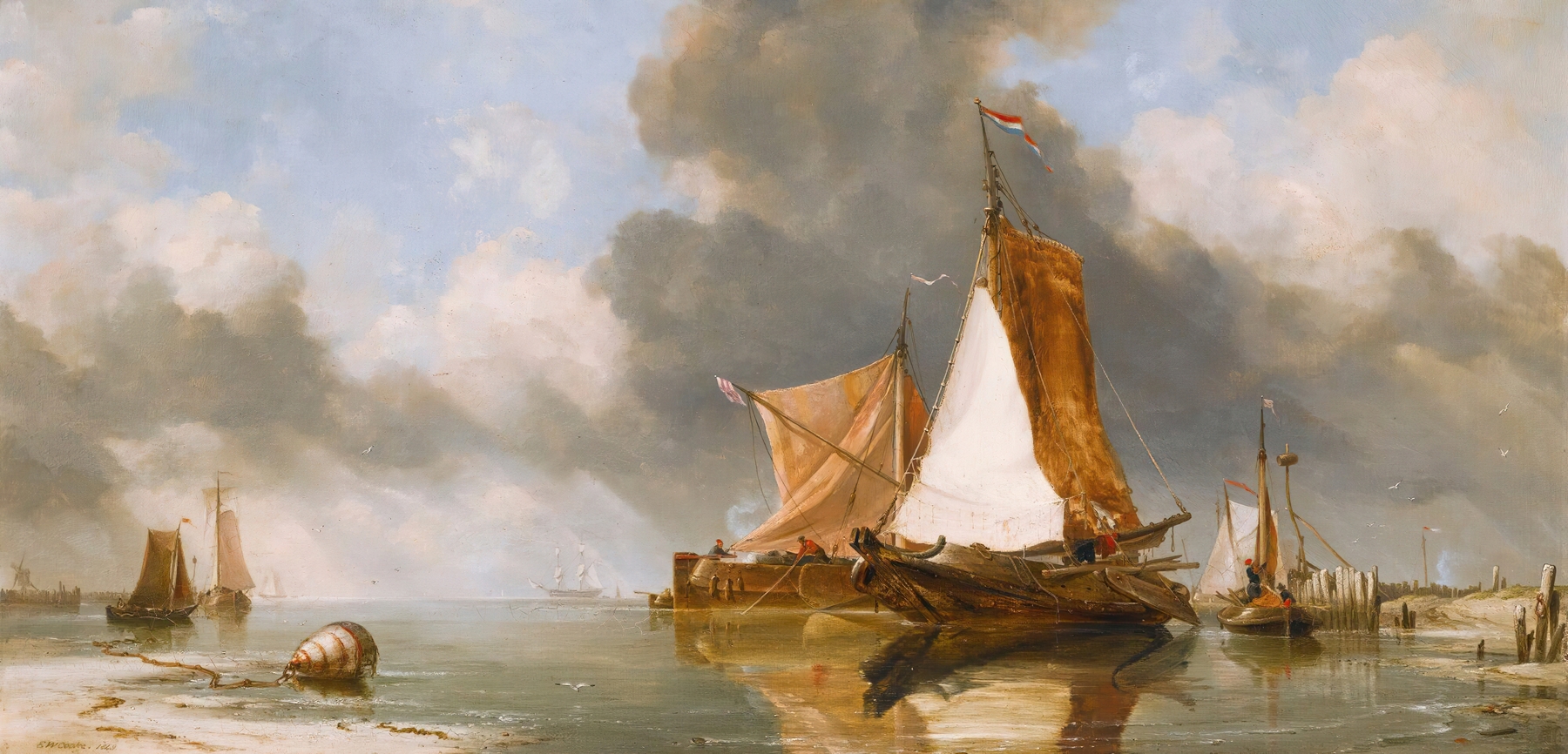
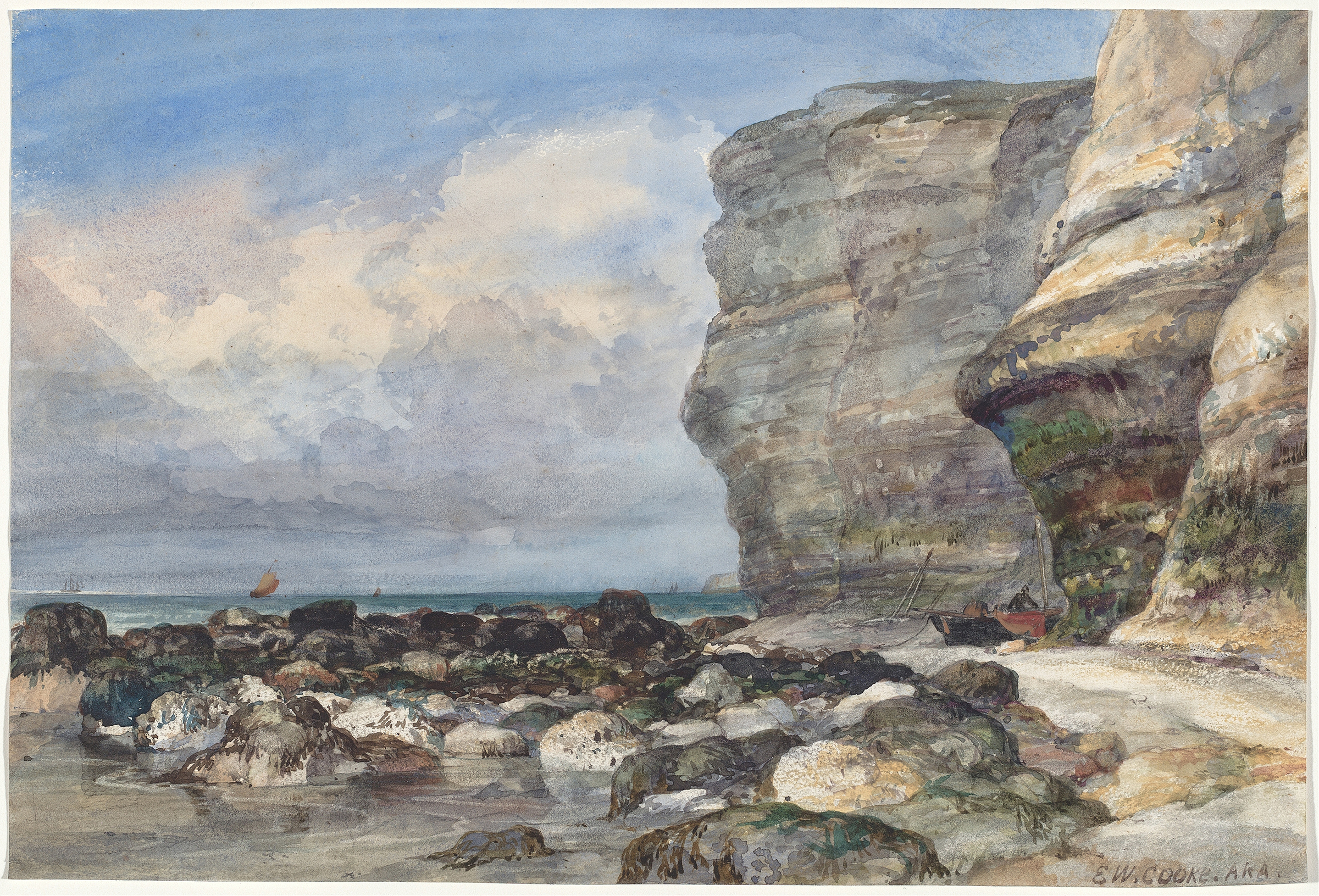
Rome — History & Analysis
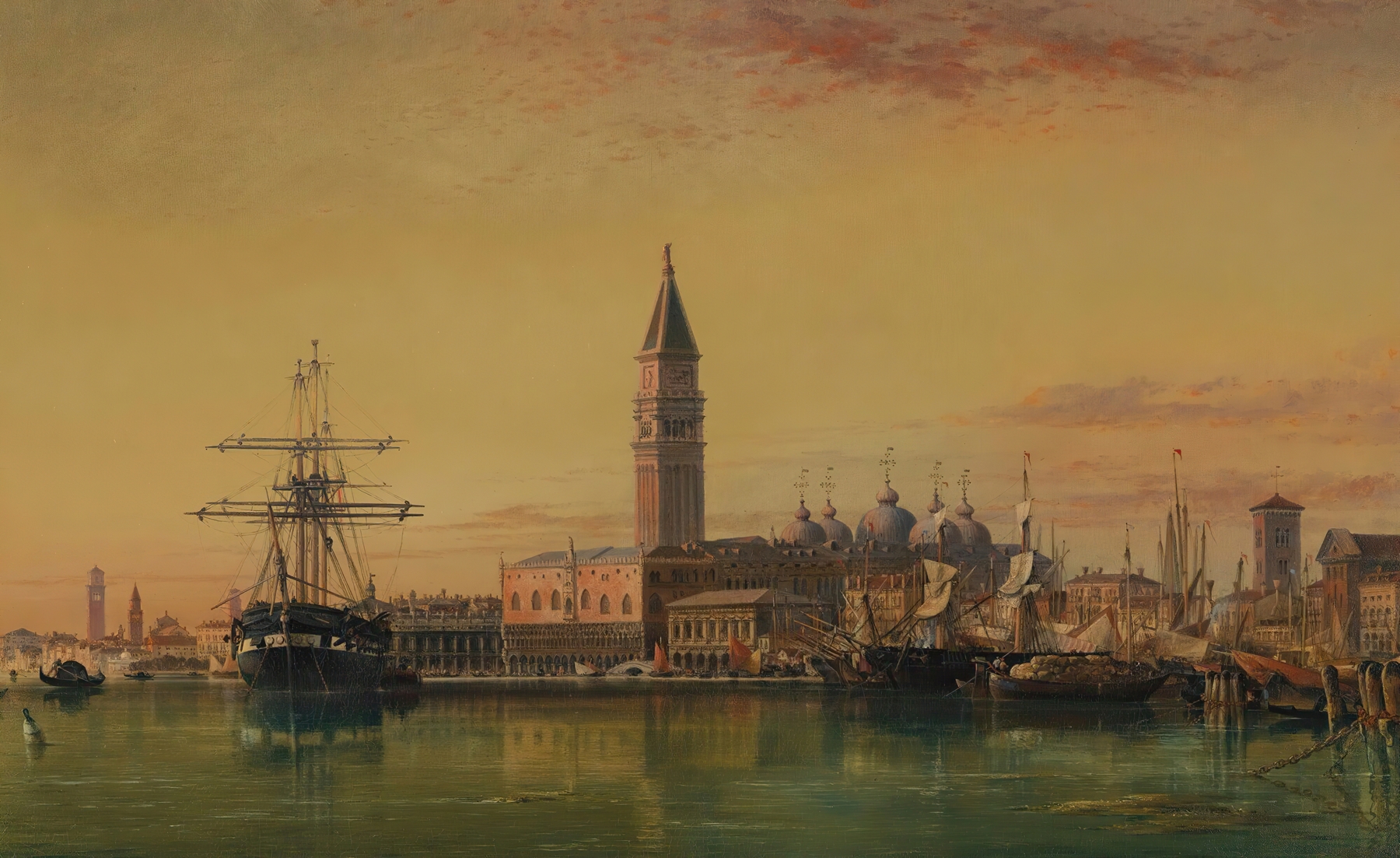
“To paint is to remember what time wants us to forget.” In the delicate brushstrokes of Rome, we encounter a world suspended in the fragility of memory, where the past whispers through the ancient stones of the city. Focus your gaze on the horizon where the soft sunlight bathes the ruins in golden hues, illuminating their timeworn surfaces. Look closely at the interplay between light and shadow; it dances across the structures, highlighting the columns that rise like ghosts against the softly colored sky. The artist’s use of muted tones evokes a sense of nostalgia, inviting viewers to ponder the stories held within these venerable walls.
Within this canvas lies a tension between permanence and transience. The vibrant life represented by the figures in the foreground stands in stark contrast to the crumbling edifices behind them, hinting at the inevitable passage of time. This juxtaposition speaks to the fragility of culture, the fleeting nature of existence, and the persistence of memory, urging us to reflect on what remains and what is lost.
Edward William Cooke painted Rome in 1868 during a period of artistic exploration and experimentation in Europe. Living in London, he was influenced by the growing fascination with travel and historical subjects that characterized the Victorian era. At this time, Cooke was also involved in a shift towards more expressive landscape painting, capturing not just the details of architecture but the emotional resonance of the places he depicted.