Rotherhithe — History & Analysis
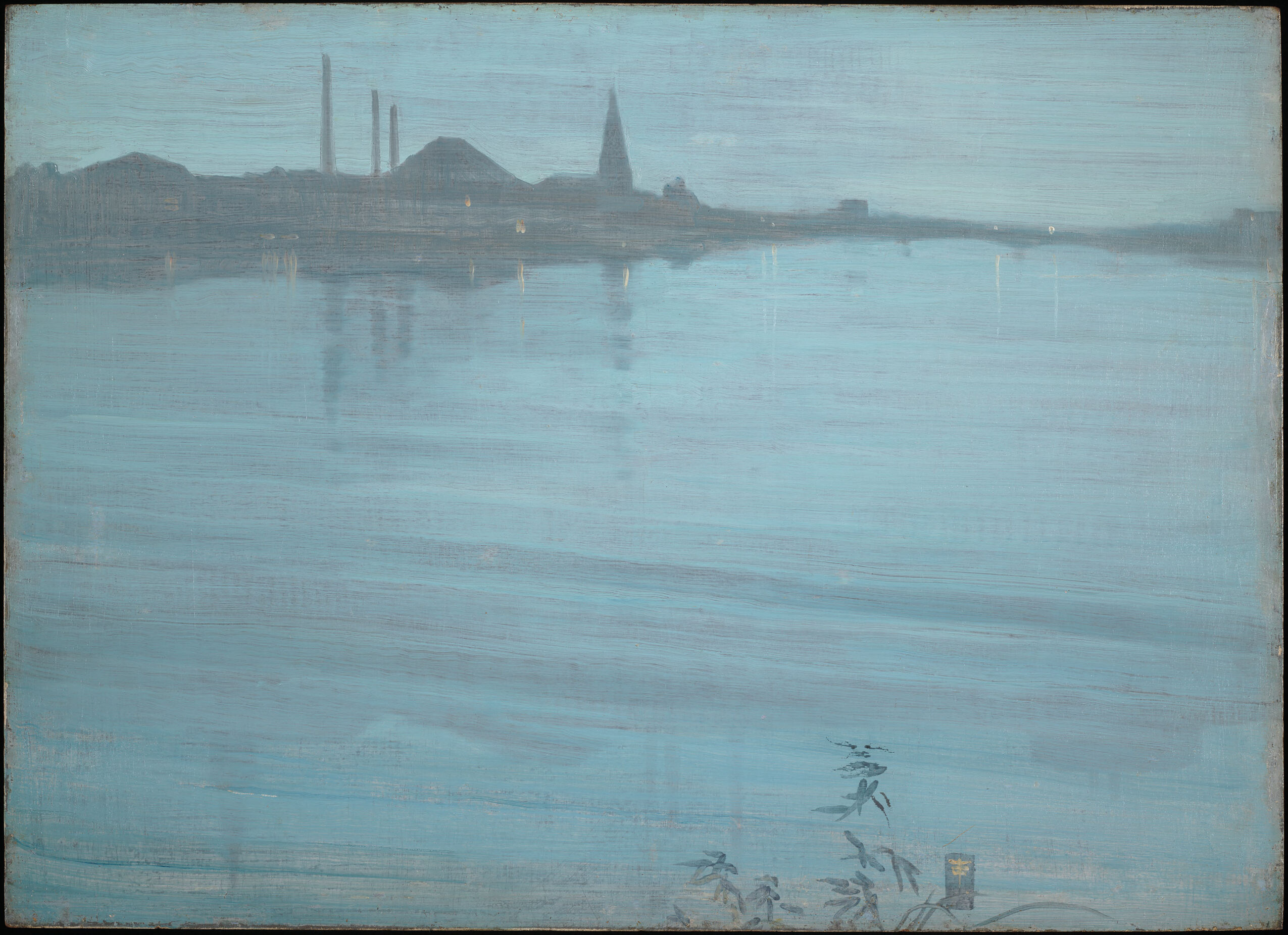
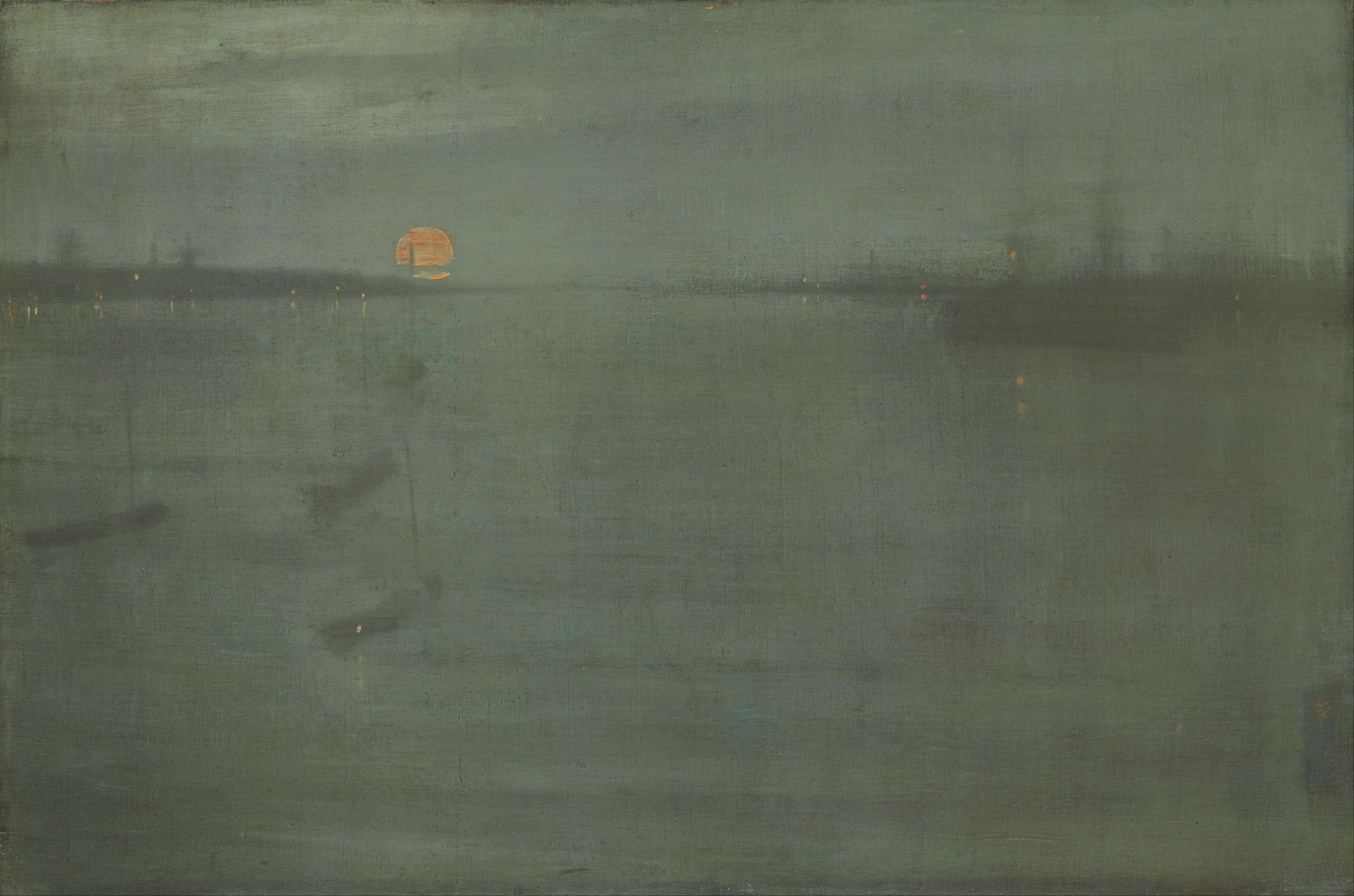
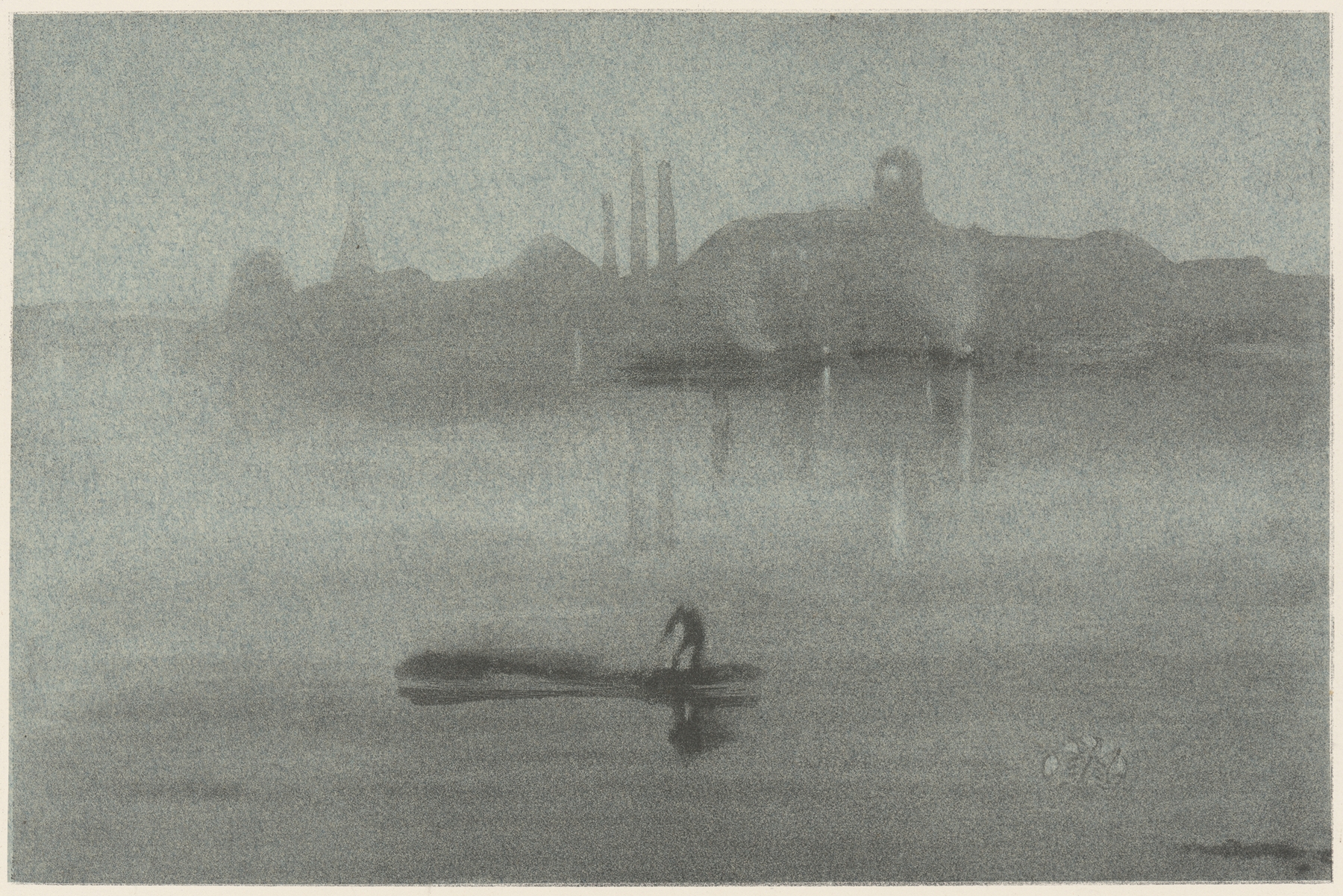
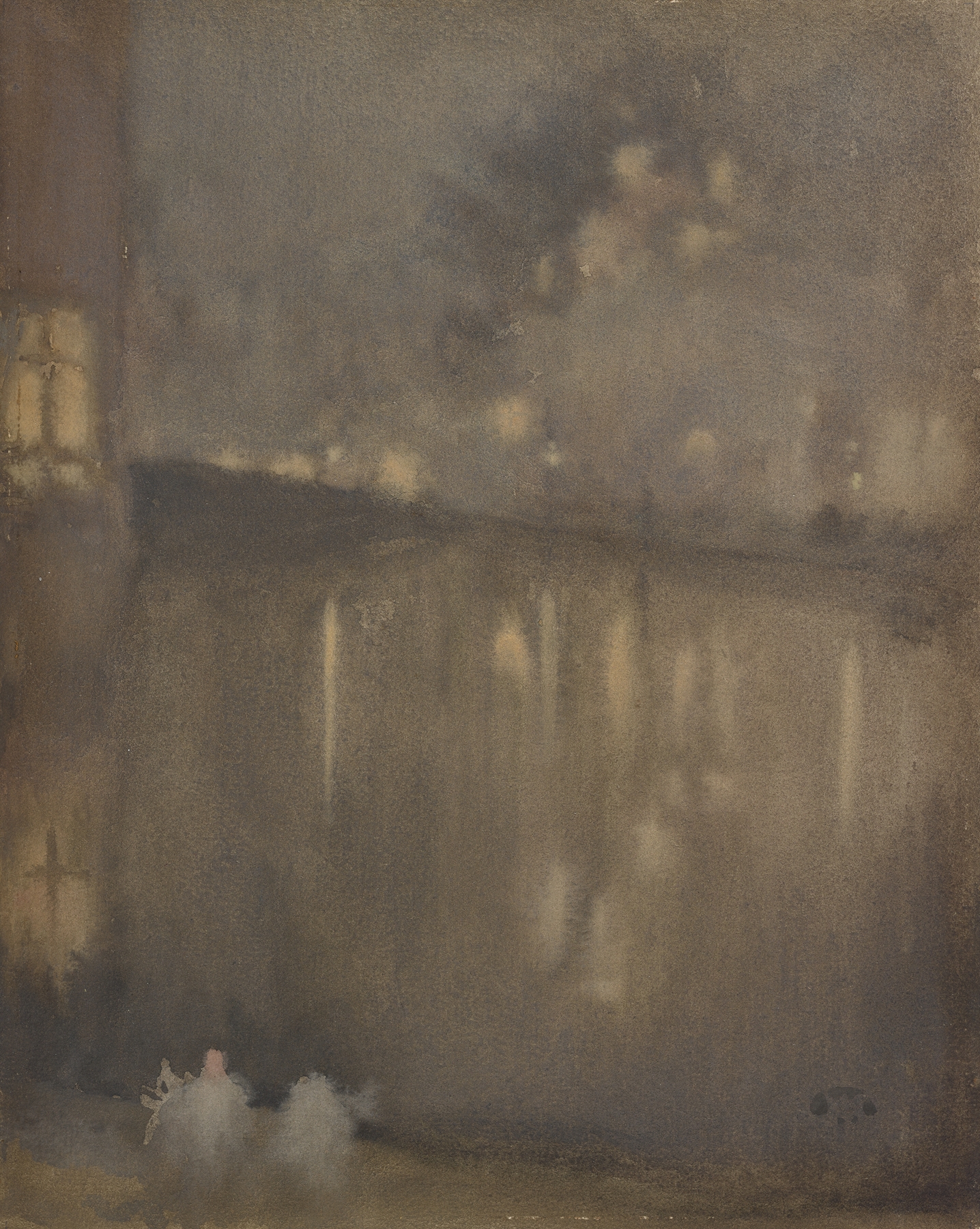
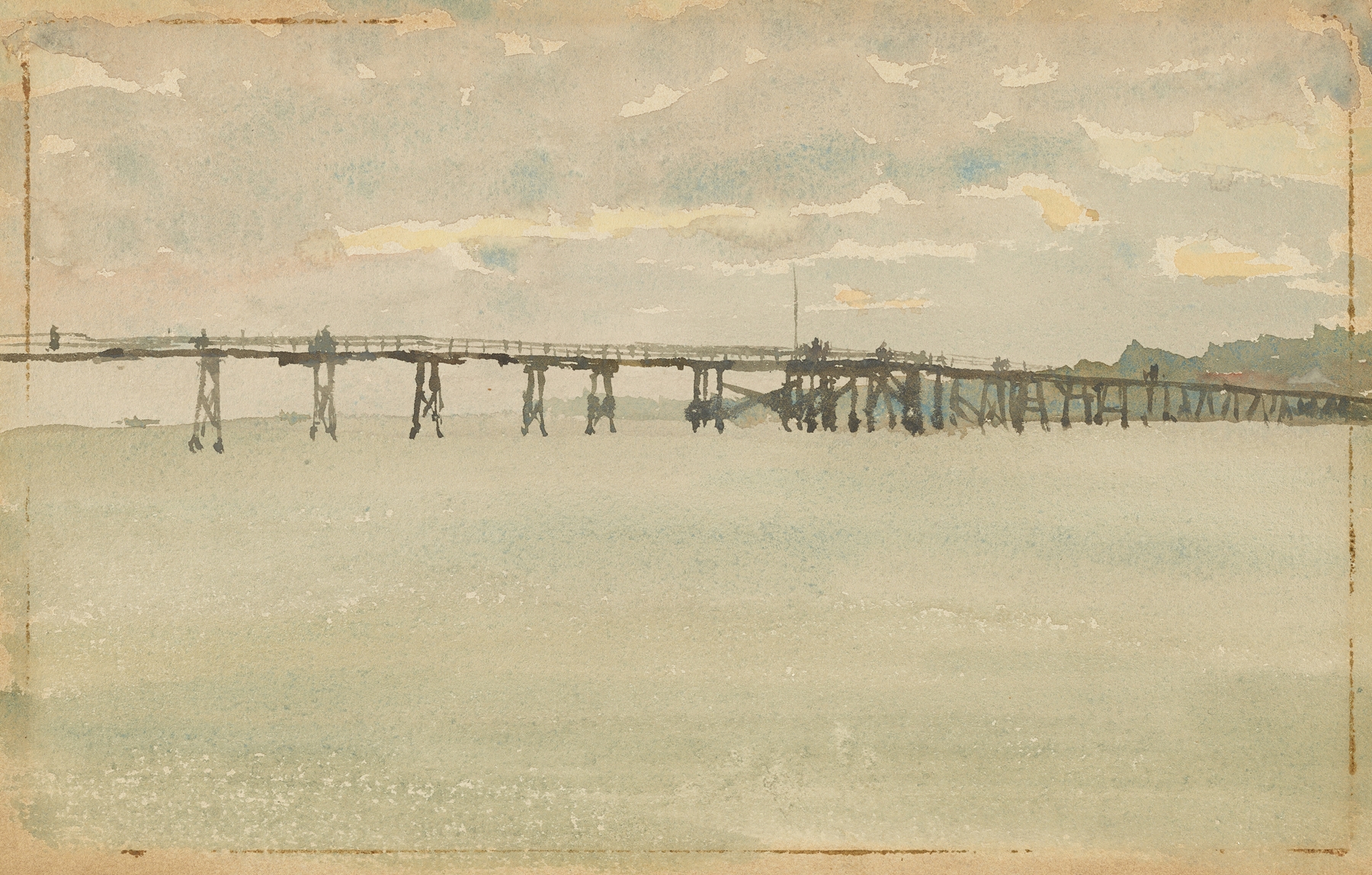
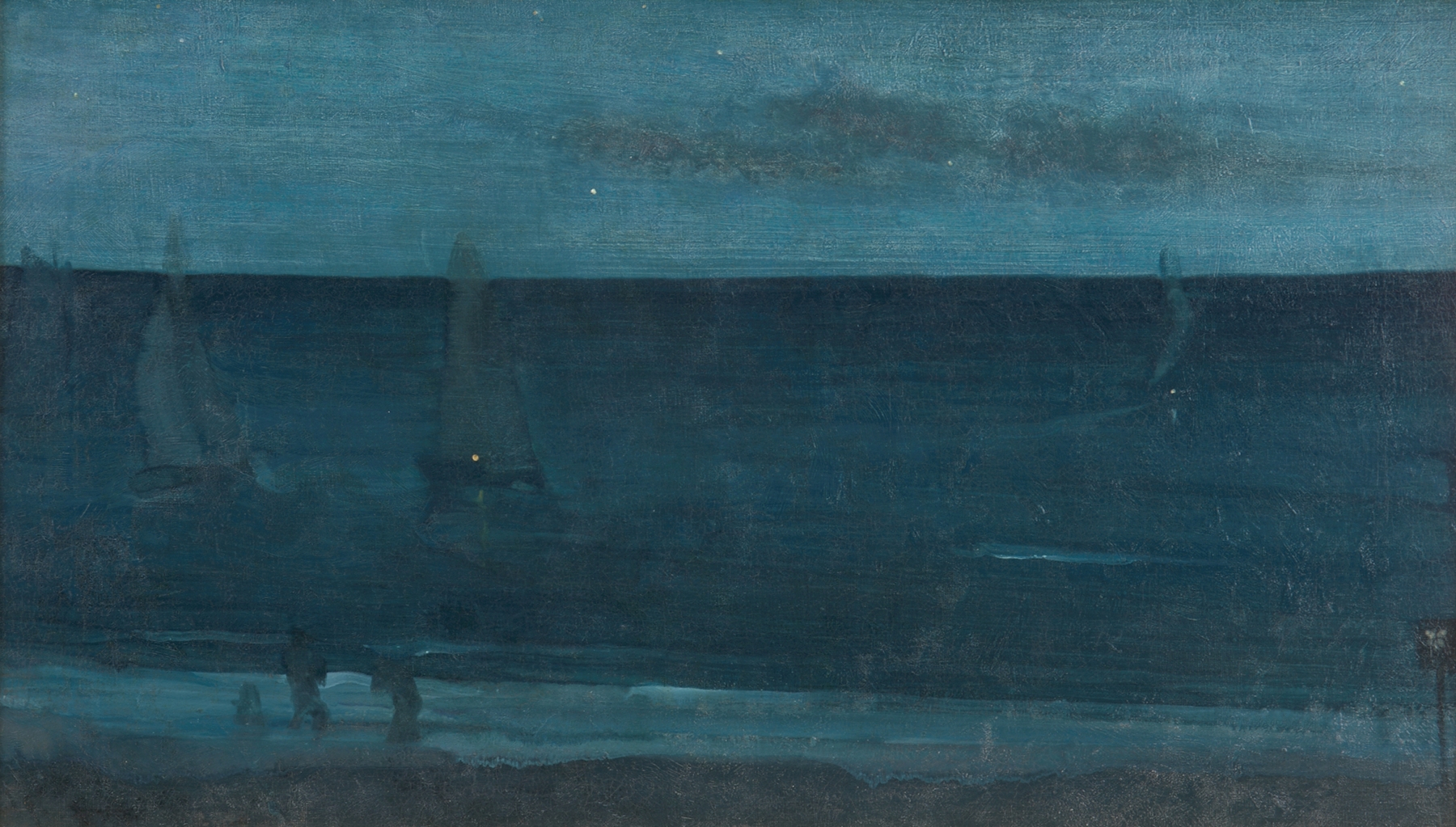
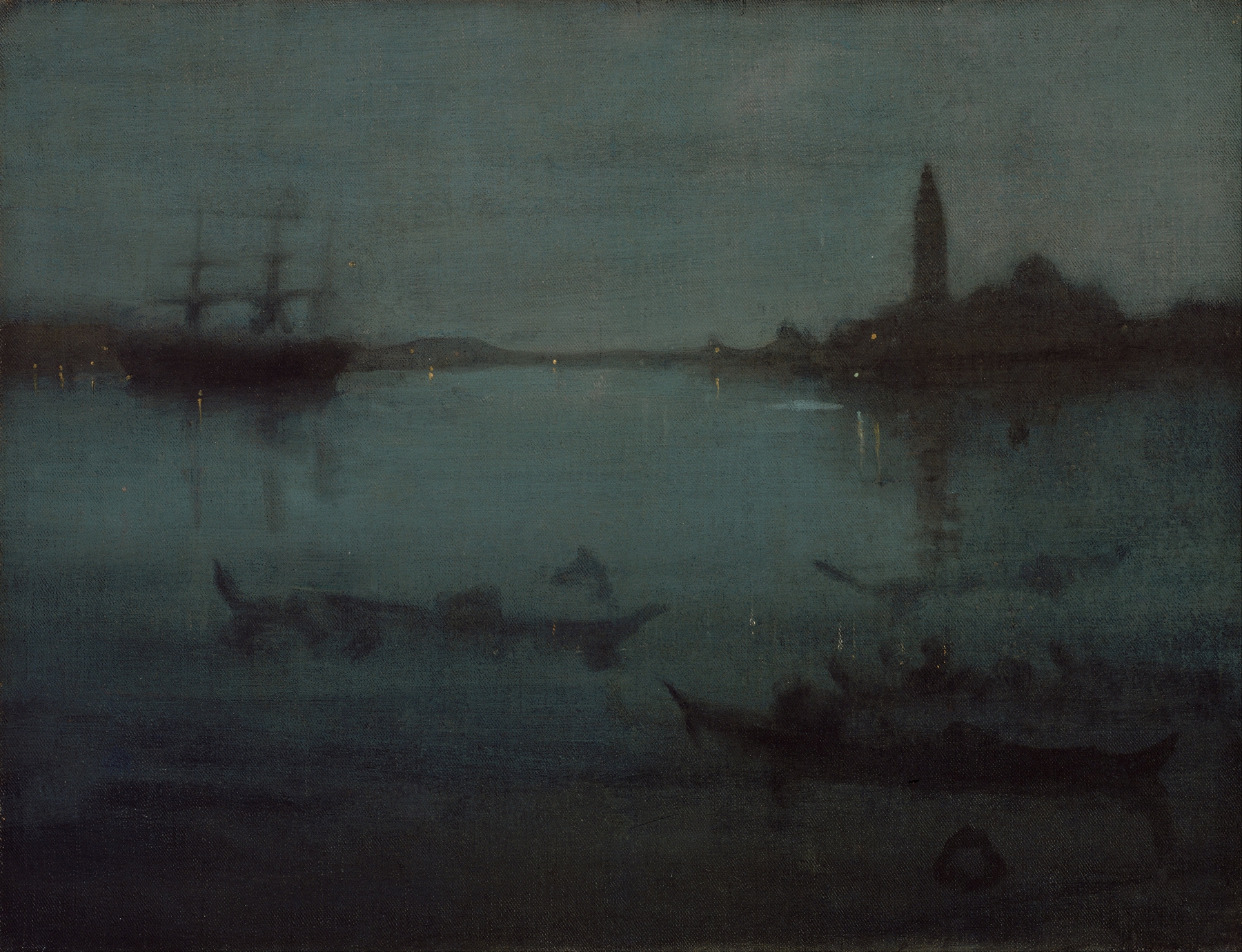
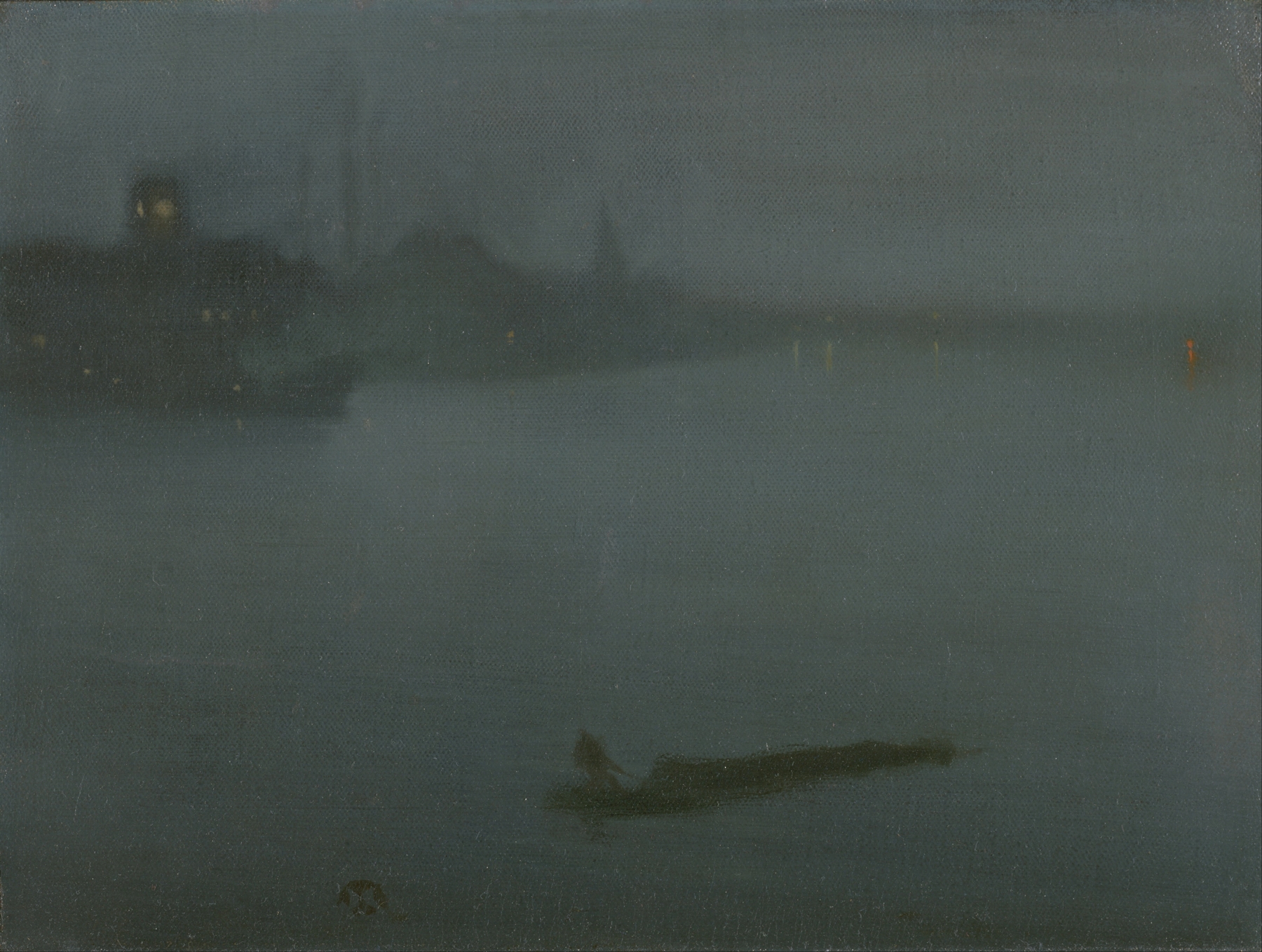
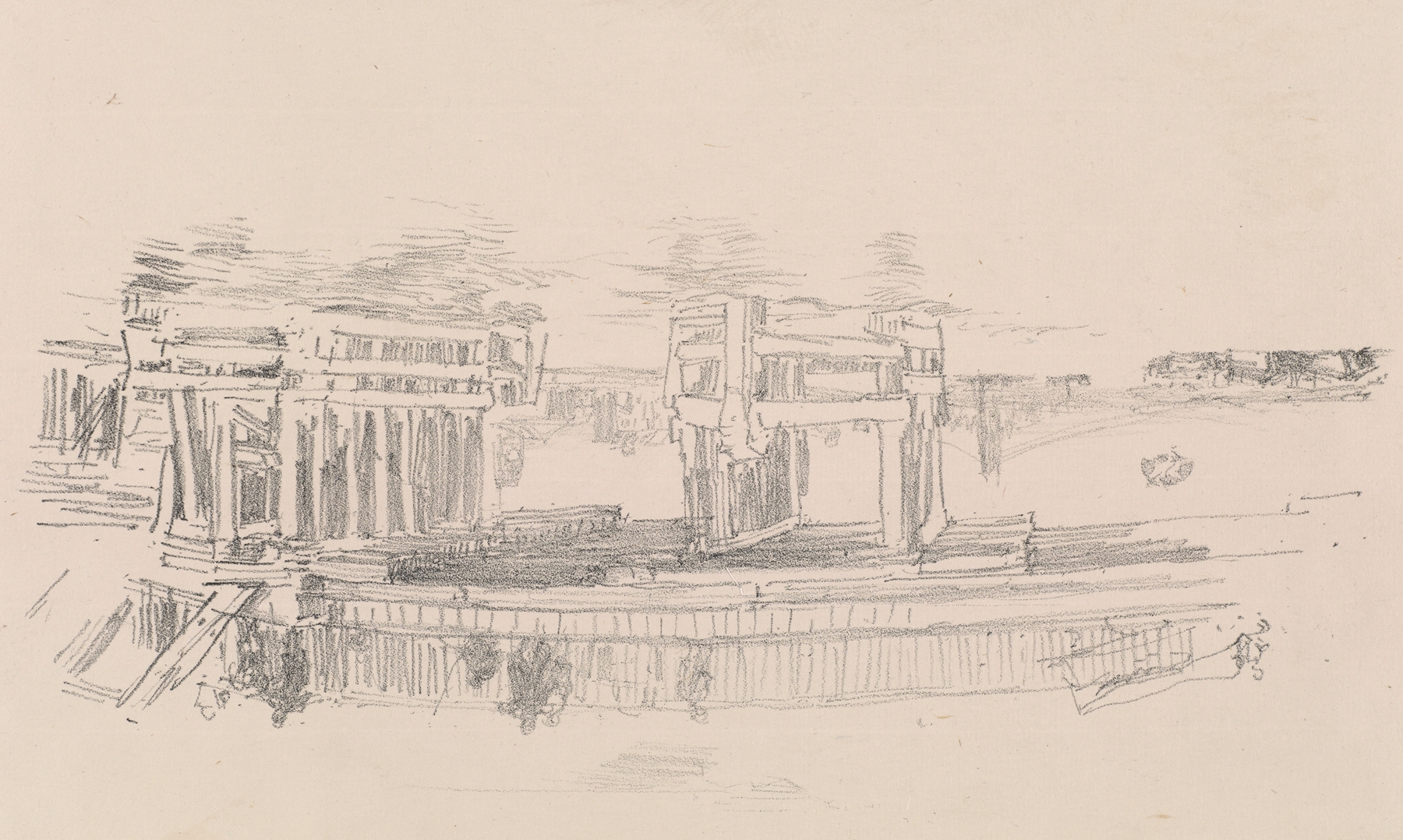
Did the painter know this moment would outlive them? In the stillness of Rotherhithe, a sense of anticipation hangs in the air, evoking a subtle fear of fleeting time and forgotten lives. Look to the left at the soft, muted hues that form the distant skyline, where the silhouette of the buildings evokes a ghostly presence. Focus on the water's surface, its reflective quality expertly captured with delicate brushstrokes, mirroring both the sky and the emotions swirling beneath.
The palette is dominated by cool blues and grays, enhancing the melancholic atmosphere, while the hazy industrial backdrop hints at the encroaching modernization threatening to consume traditional landscapes. Beneath the tranquil surface lies a poignant contrast — the calmness of the river juxtaposed against the looming presence of the docks. This tension encapsulates a fear of change, as the natural world faces the relentless march of progress. The figures, small and almost forgotten, navigate the dock's edge with hesitation, representing humanity's struggle to find place and purpose in a rapidly transforming environment.
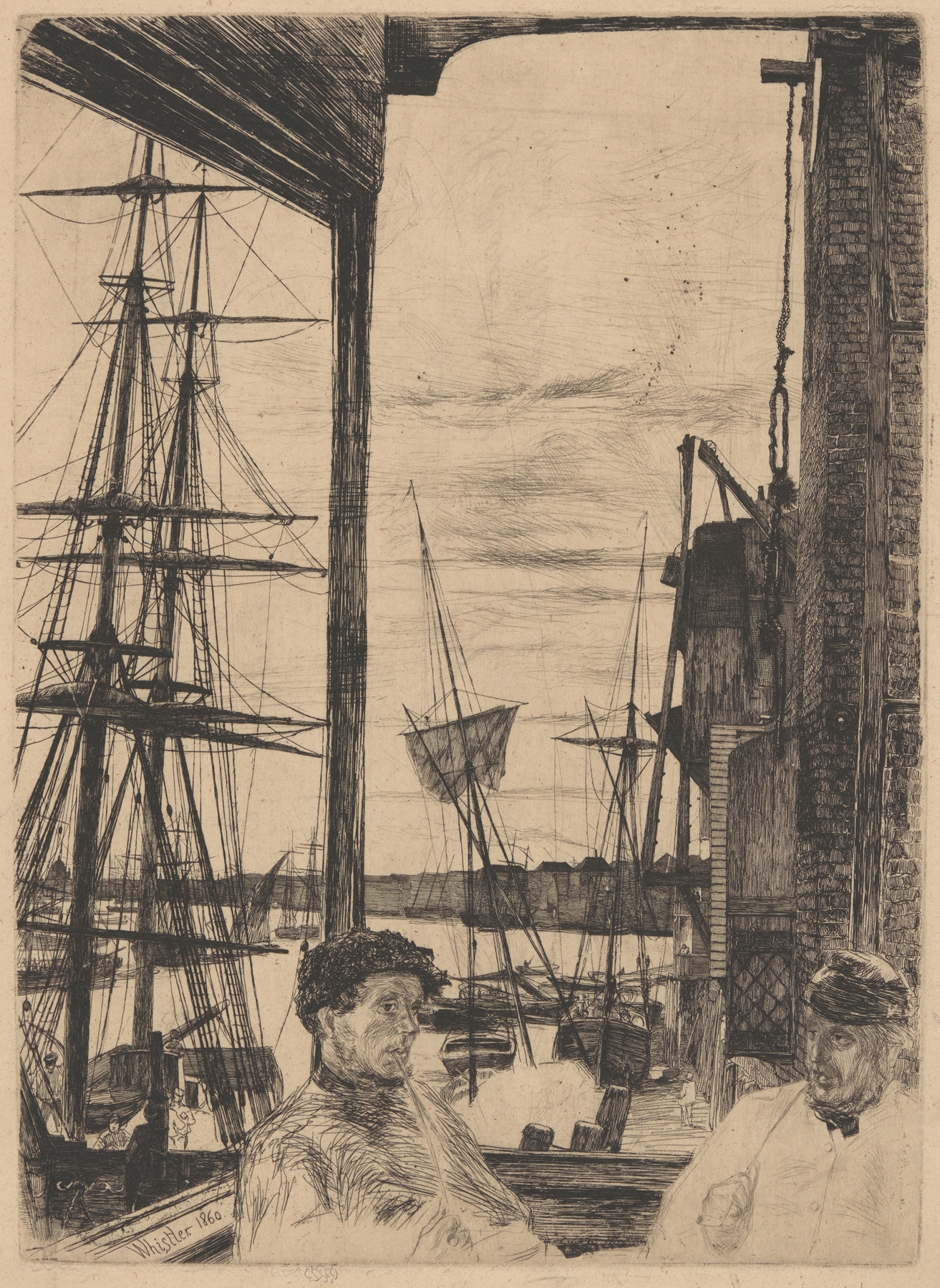
In 1860, Whistler painted this scene while living in London, at a time when industrialization was reshaping the urban landscape. The artist was deeply influenced by the aesthetic movements around him, seeking to balance beauty with modern realities. This work emerged during a crucial period in his life as he transitioned from academic training to a distinctive style that celebrated both the familiar and the ephemeral.