Ruin behind the Free School, Thetford, Suffolk — History & Analysis
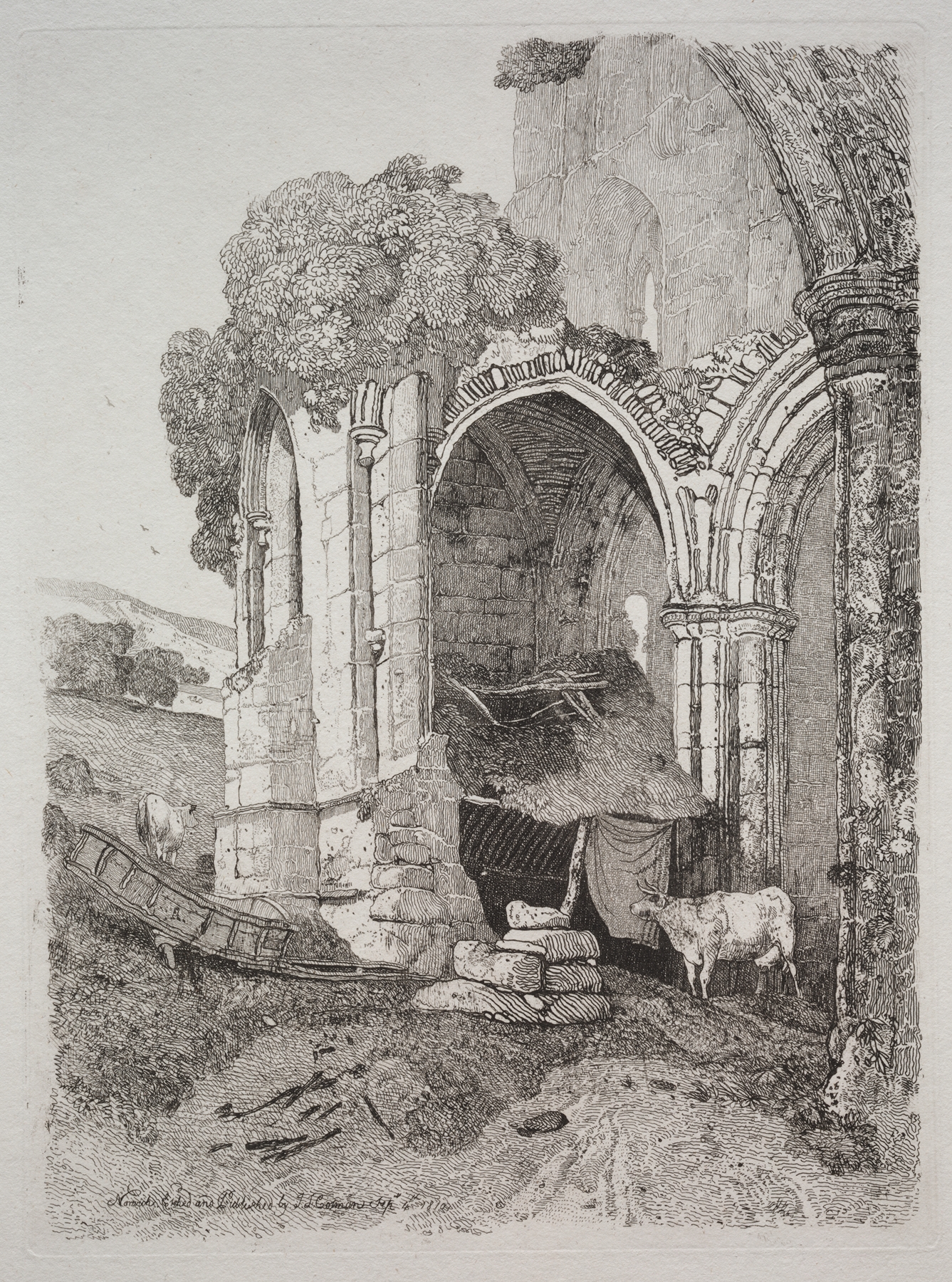
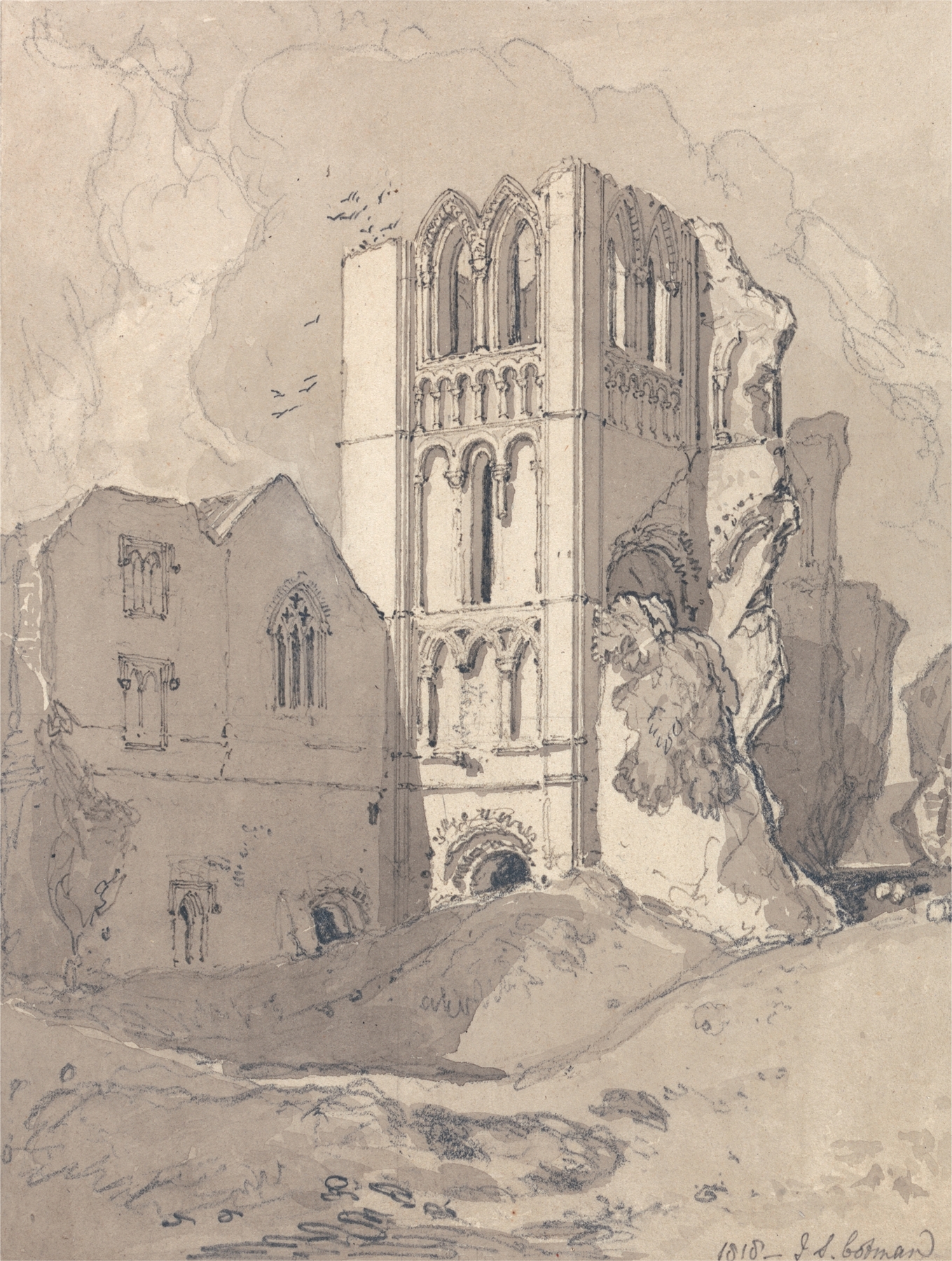
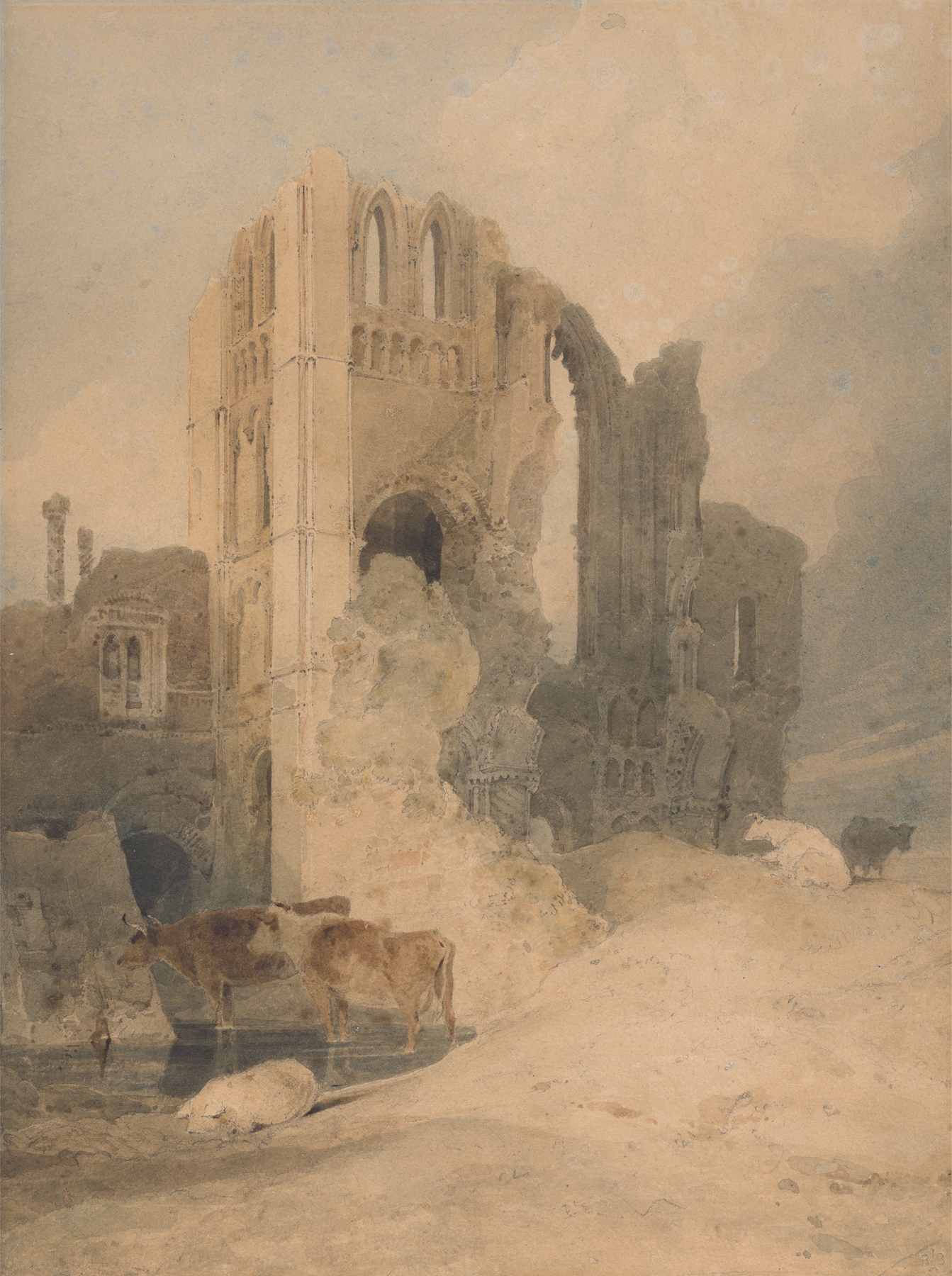
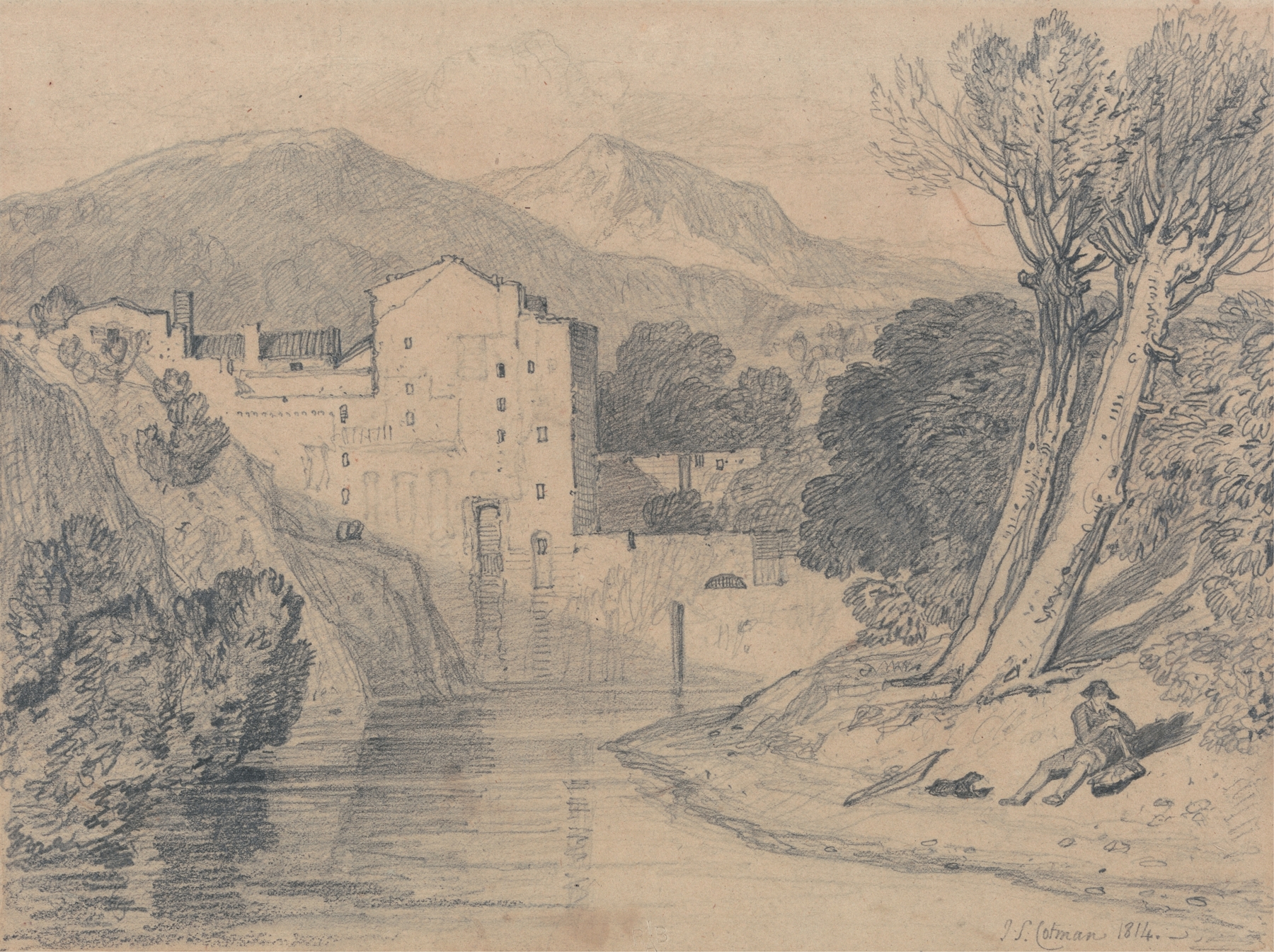
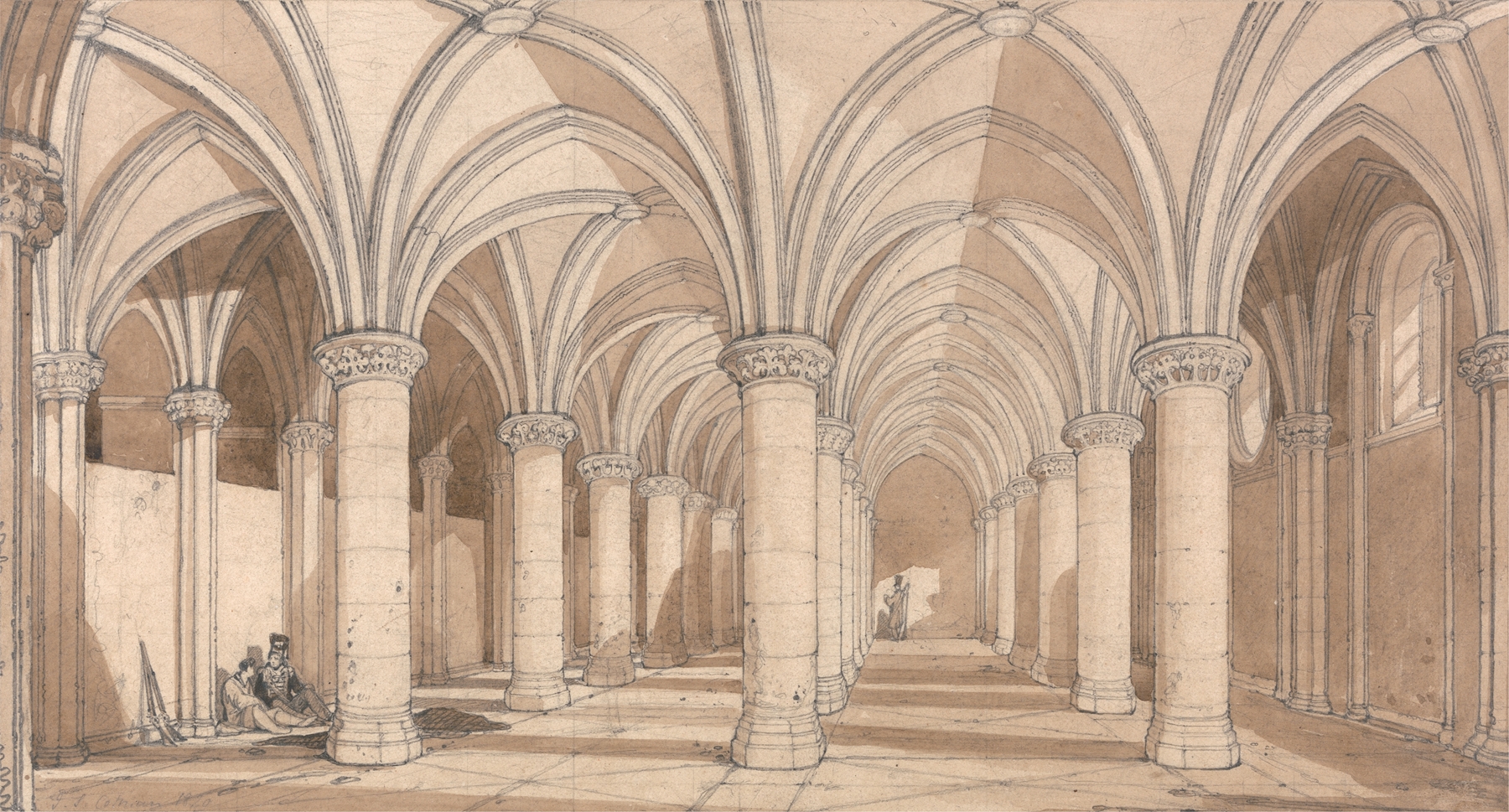
The sun casts long shadows across the weathered remnants of an ancient structure, its stones whispering secrets of a bygone era. A solitary figure stands at the forefront, contemplating the beauty and decay that intertwine like ivy around the ruins. The stillness is palpable, where the only sound is the soft rustle of leaves and the distant call of a bird, evoking a sense of both nostalgia and loss. Look to the left at the crumbling walls that rise like ghosts against the horizon, the delicate play of light illuminating their texture.
Notice the soft hues of ochre and muted greens that dominate the canvas, each brushstroke revealing Cotman's mastery in capturing the ethereal quality of the natural landscape. The foreground beautifully frames the weathered stones, leading the viewer's eye through the composition, where the ruins sit as a solemn reminder of history amidst the encroaching life of nature. The juxtaposition of fragility and resilience pulses throughout this piece. The void left by the ruins serves as a poignant reminder of what has been lost, while the surrounding foliage appears to embrace the decay, suggesting a cycle of rebirth.
The solitary figure represents the human connection to history; we stand as witnesses, grappling with our own transient existence in the face of time's relentless passage. John Sell Cotman painted Ruin behind the Free School, Thetford, Suffolk in 1818 during a period of personal turmoil and artistic evolution. At this time, he was deeply engaged in the Romantic movement, emphasizing emotion and nature in his works. The early 19th century was marked by a growing appreciation for the picturesque and the sublime, and Cotman’s reflections on the past mirrored broader societal shifts towards valuing historical landscapes in the wake of industrialization.