Ruined House — History & Analysis
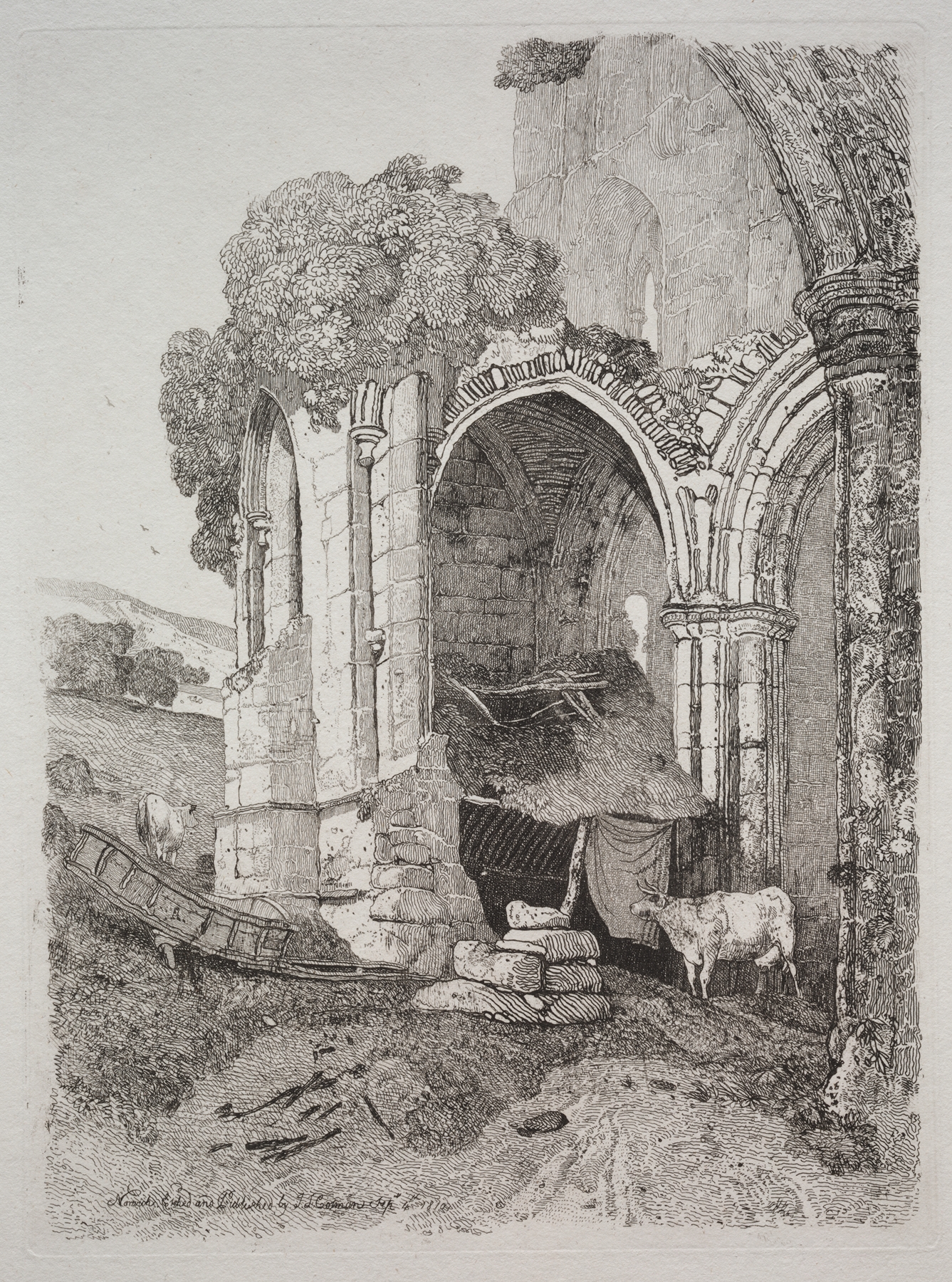
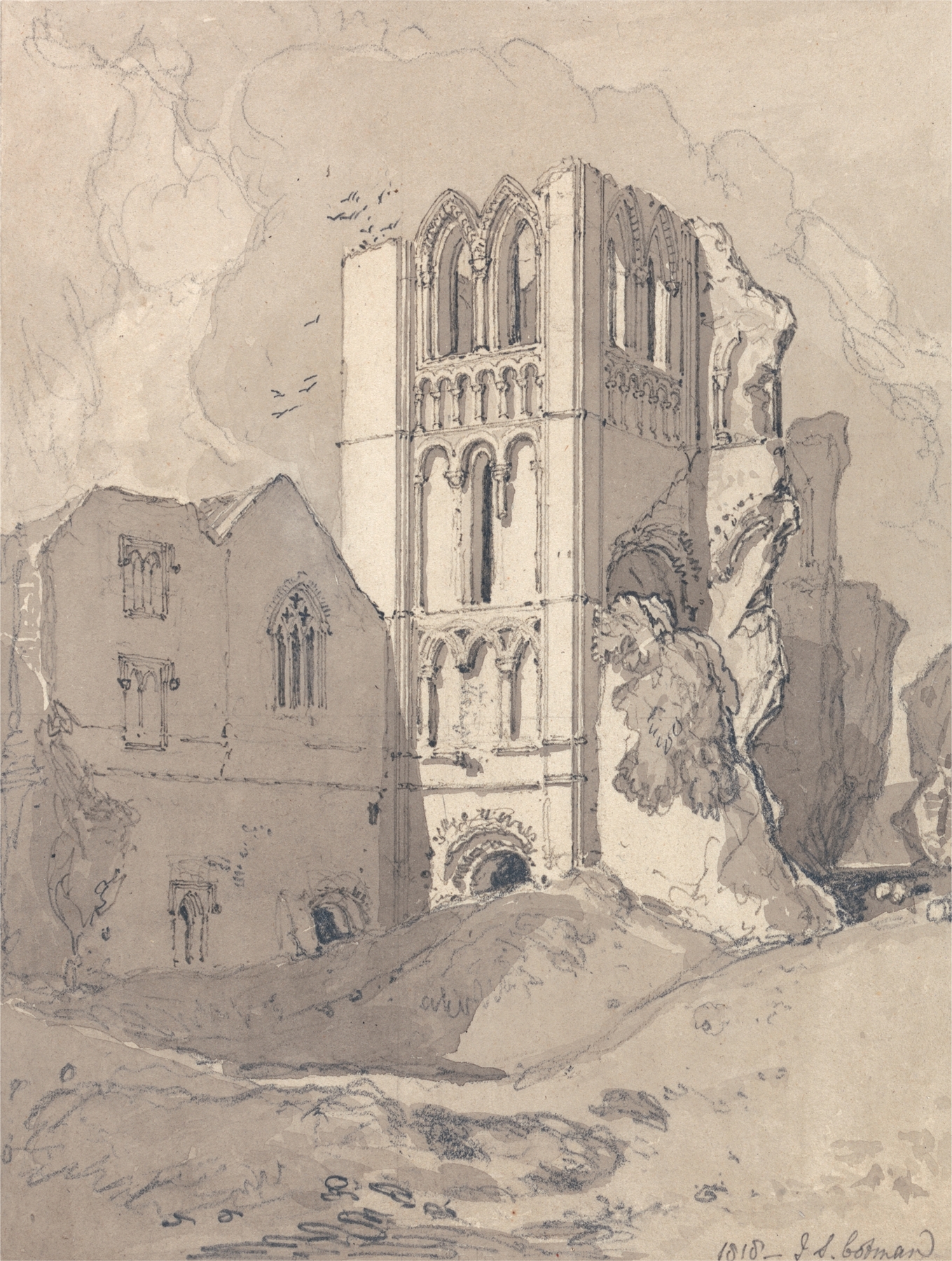
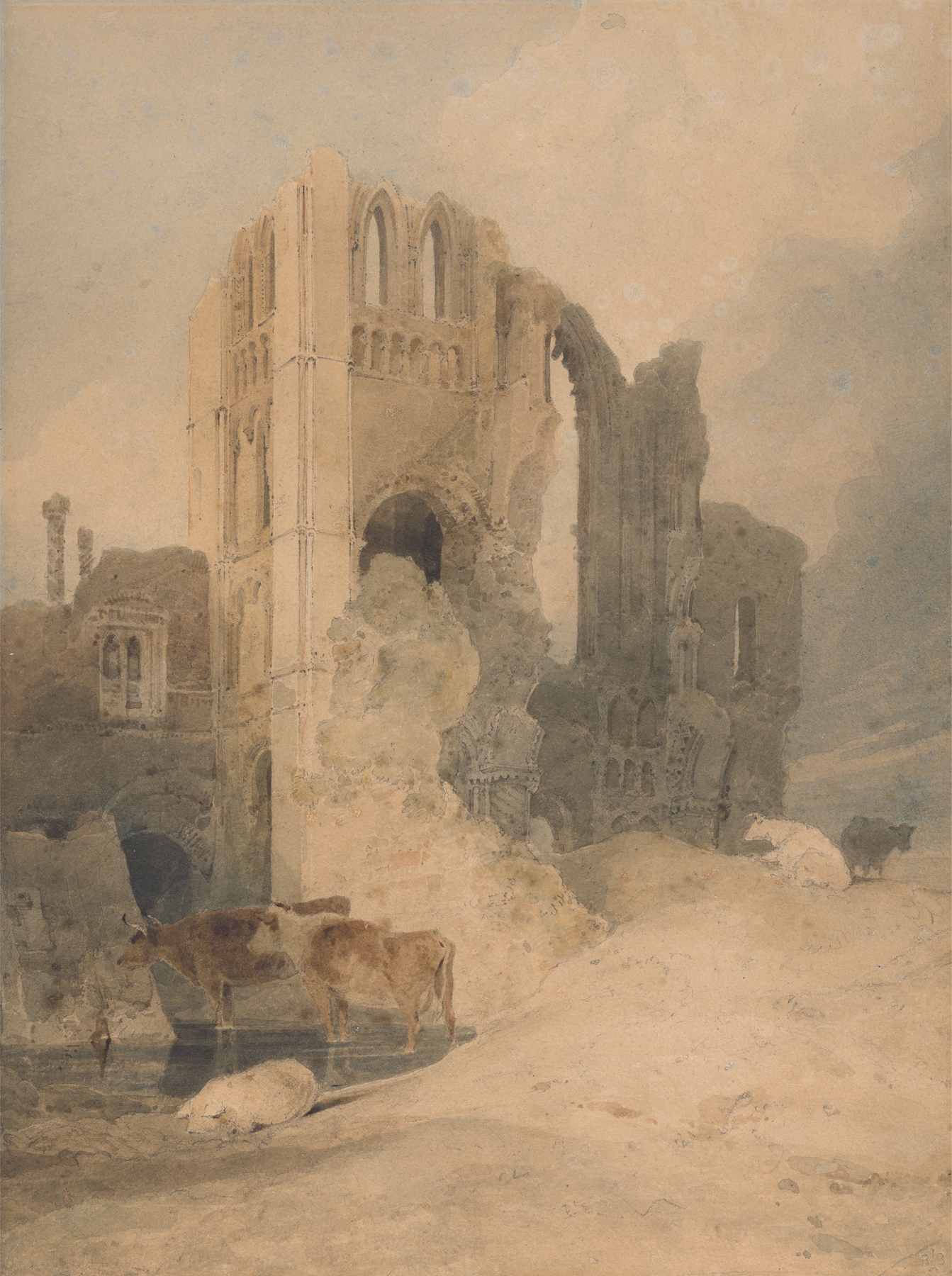
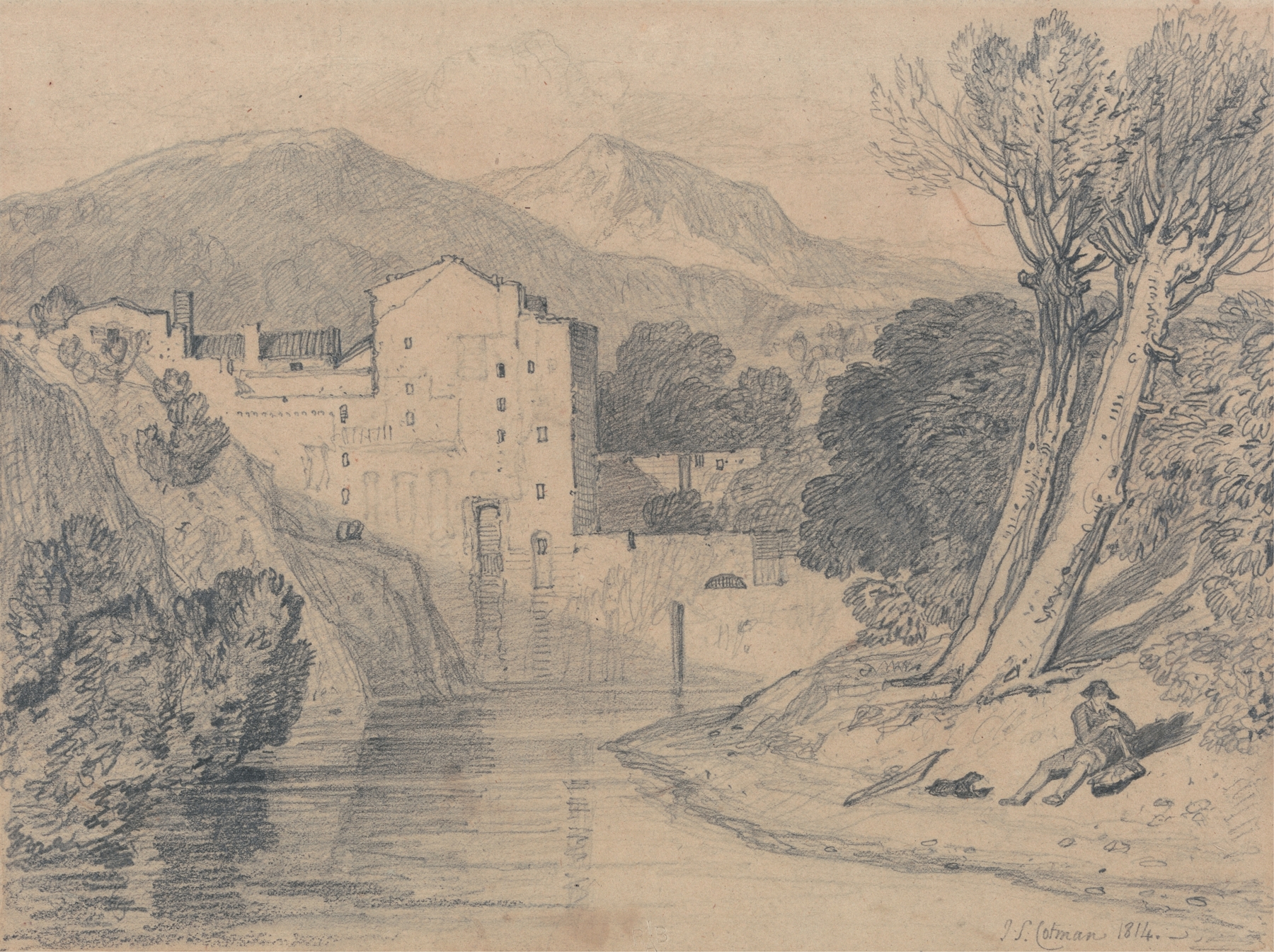
What if beauty was never meant to be finished? In the crumbling walls of a dilapidated structure, madness and decay intermingle, revealing the haunting remnants of a once-vibrant life. The chaos of time transforms familiarity into a poignant echo of what was, inviting contemplation on loss and impermanence. Look to the left at the fractured stonework, where vines creep through fissures, as if nature itself is reclaiming the space.
Notice the subtle interplay of shadows and light, which dances across the weathered surfaces, creating a stark contrast between the soft greens of overgrowth and the grays of the decaying structure. This careful balance of color and texture draws the eye deeper, each stroke revealing the artist’s meticulous attention to the interplay between ruin and regeneration. Hidden within the decay lies a narrative of forgotten stories and emotional tensions. Each crack and crevice serves as a metaphor for fragility and resilience, evoking a sense of melancholic beauty.
The stillness of the scene belies the chaotic forces of nature and time, suggesting that the madness of abandonment can still produce moments of profound clarity and reflection for those who pause to observe. John Sell Cotman painted Ruined House between 1807 and 1810 during a period marked by the burgeoning Romantic movement in England. Straddling the line between the neoclassical and the emerging focus on individual emotion and nature, he found inspiration in the ruins of the past as a commentary on the impermanence of human endeavors. It was a time when artists began to explore the sublime aspects of nature, often reflecting personal turmoil and societal changes, positioning the work within a complex historical context.