Ruins of the Naurattan, Sasaram, Bihar — History & Analysis
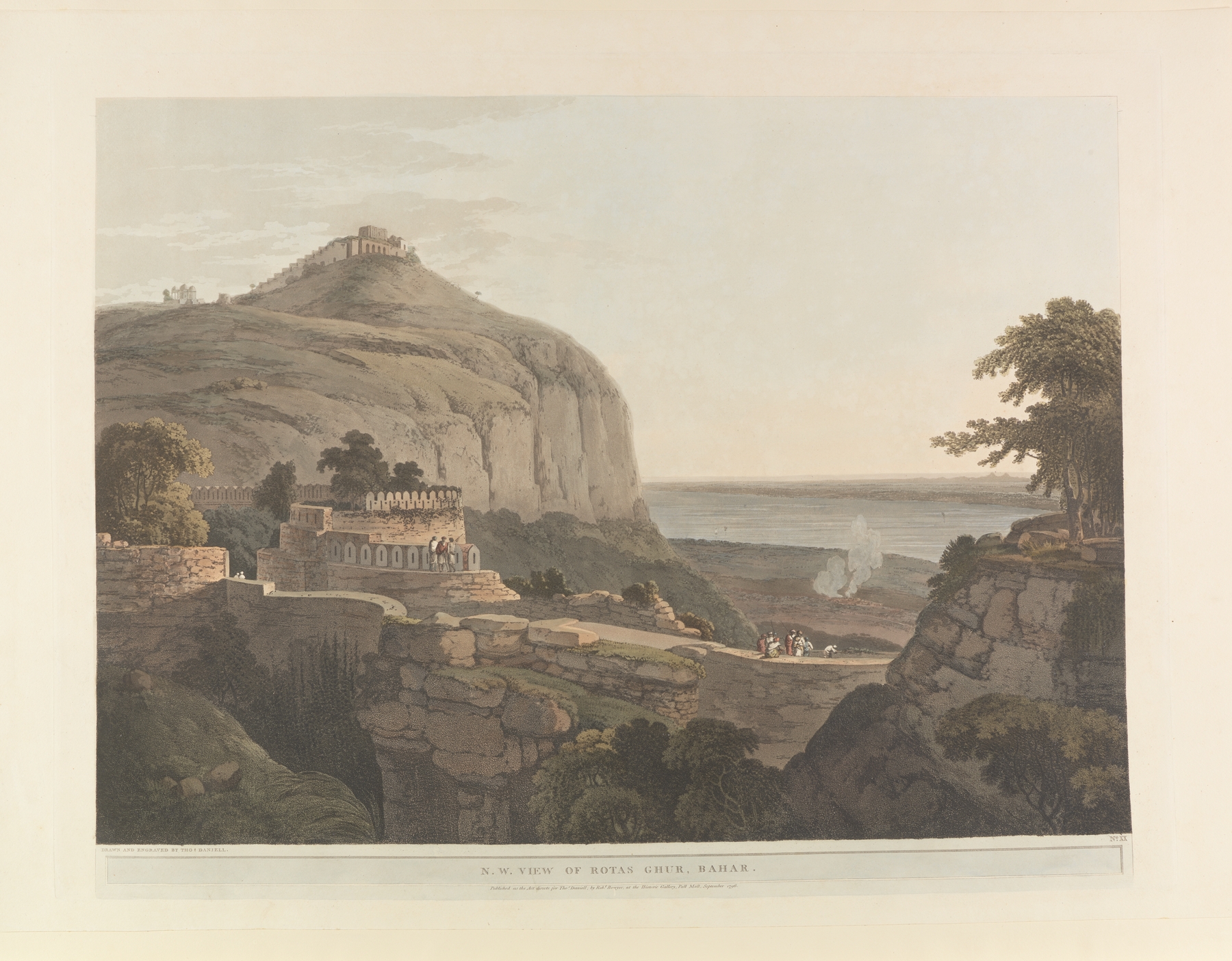
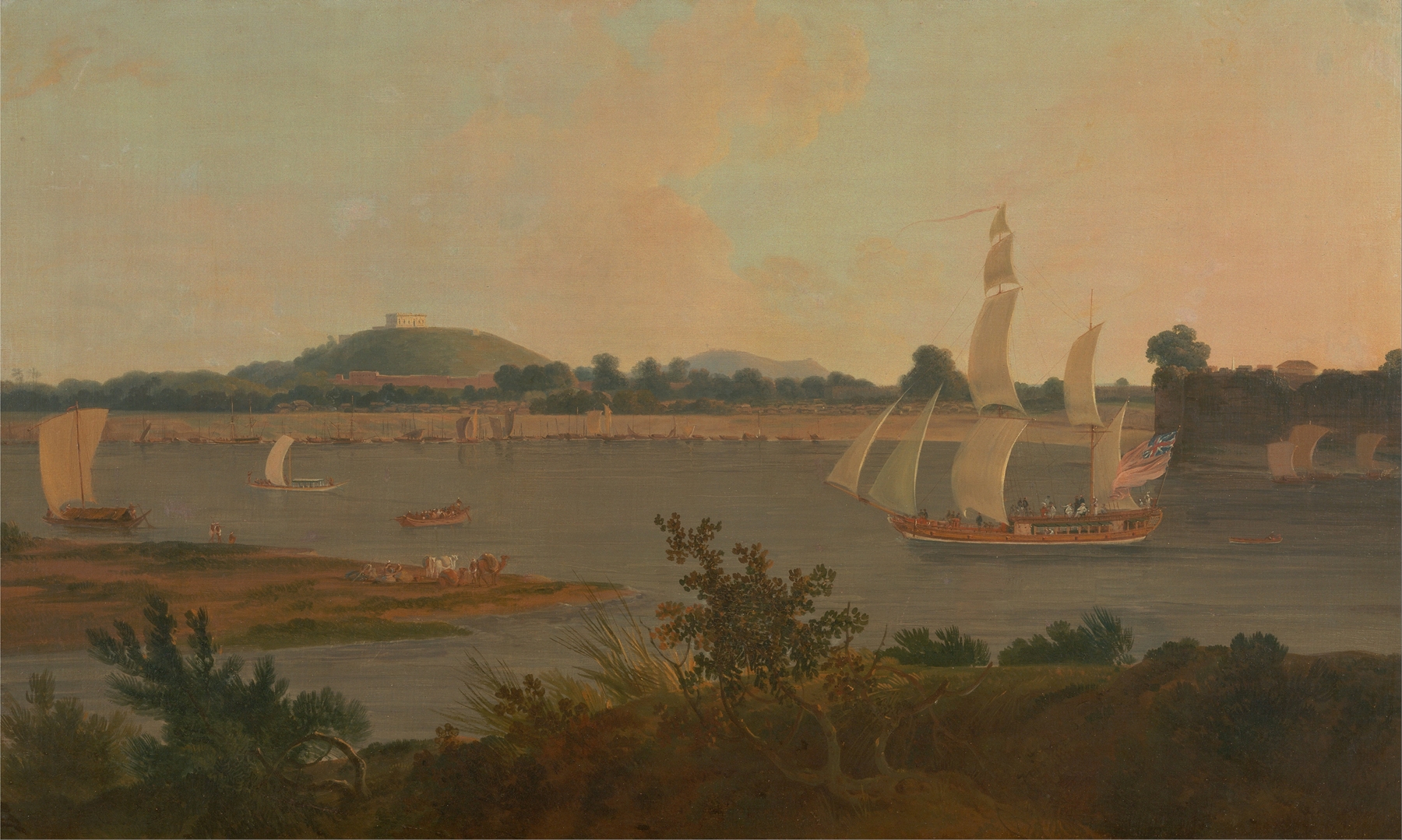
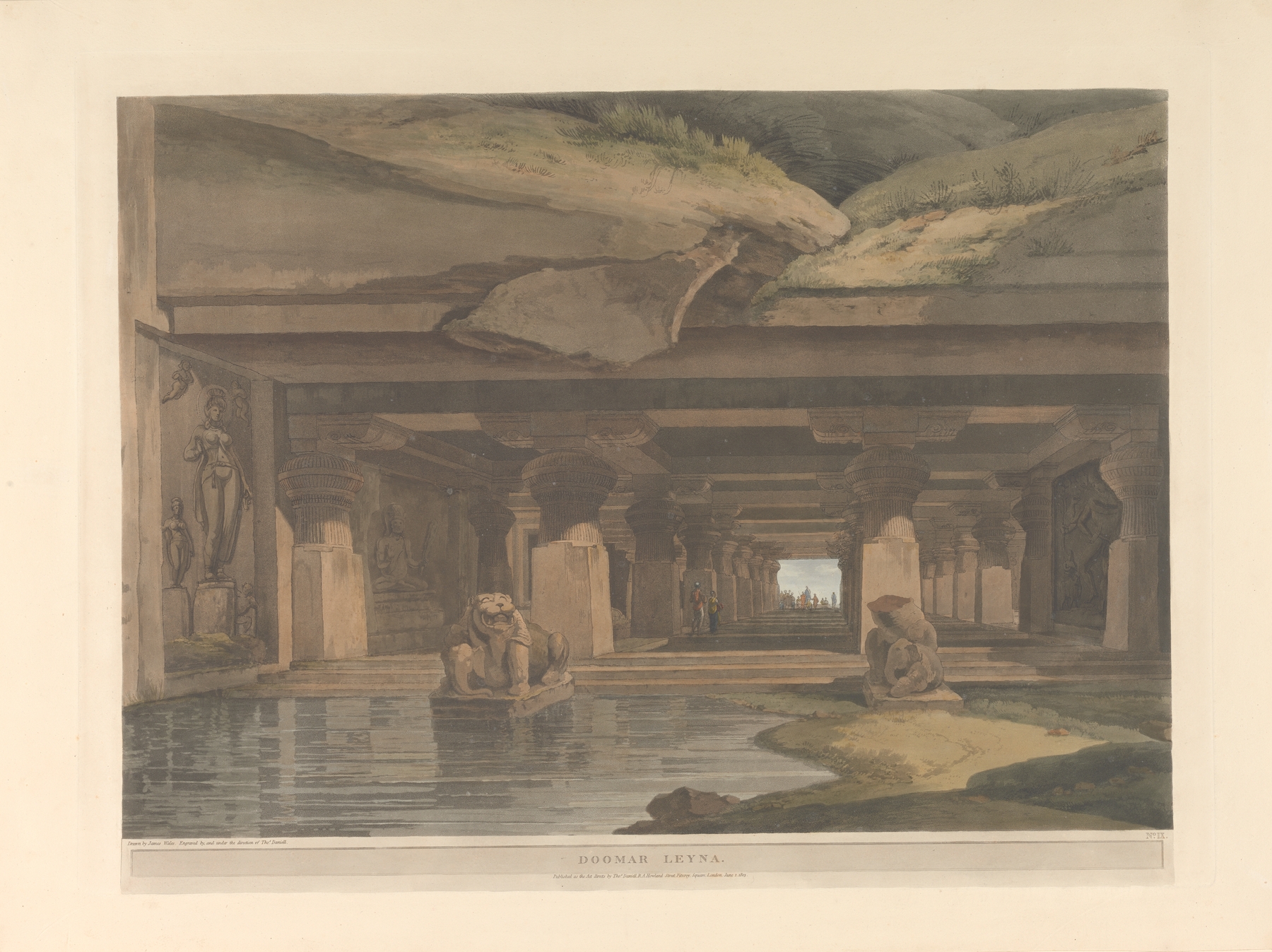
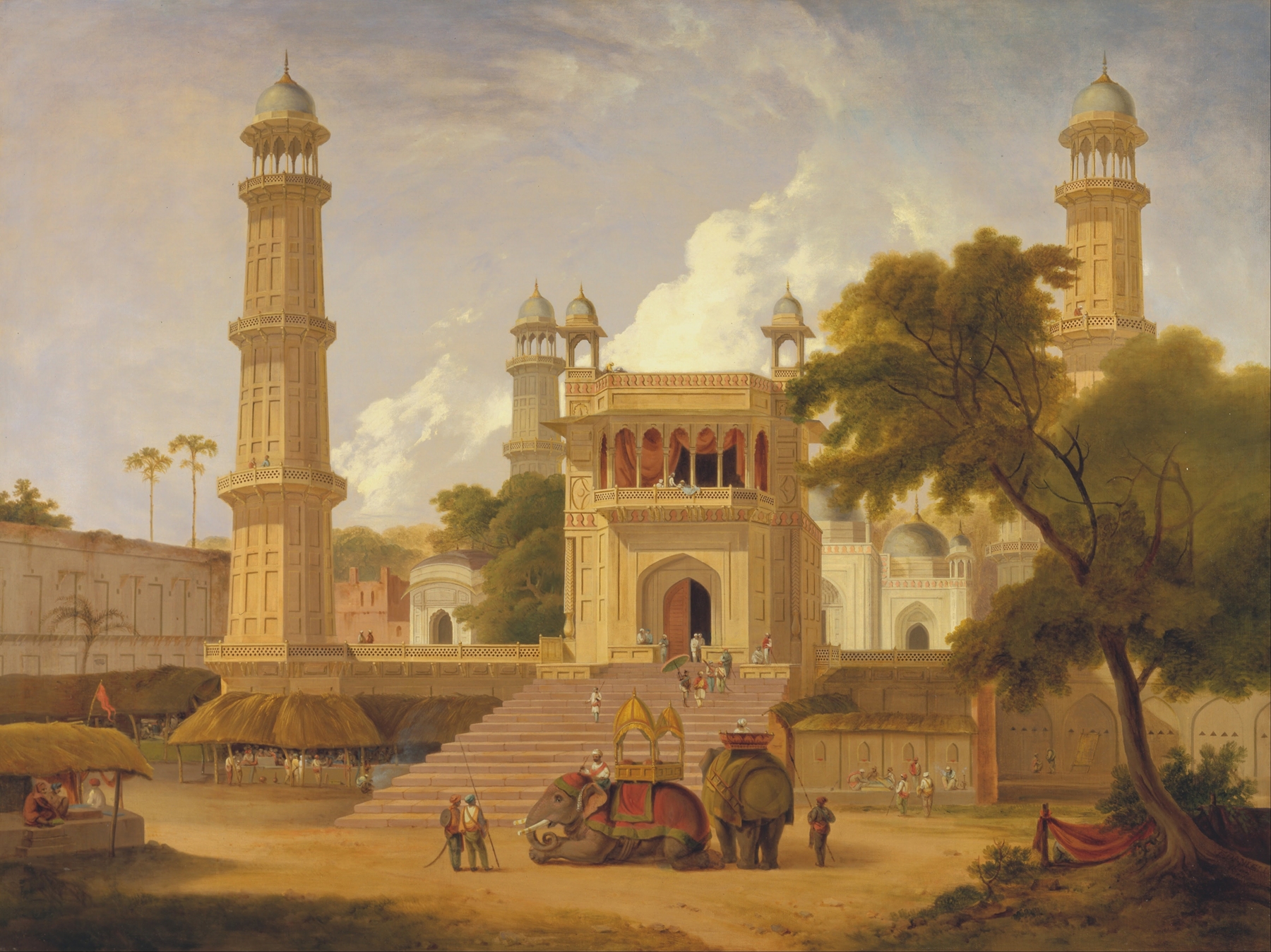
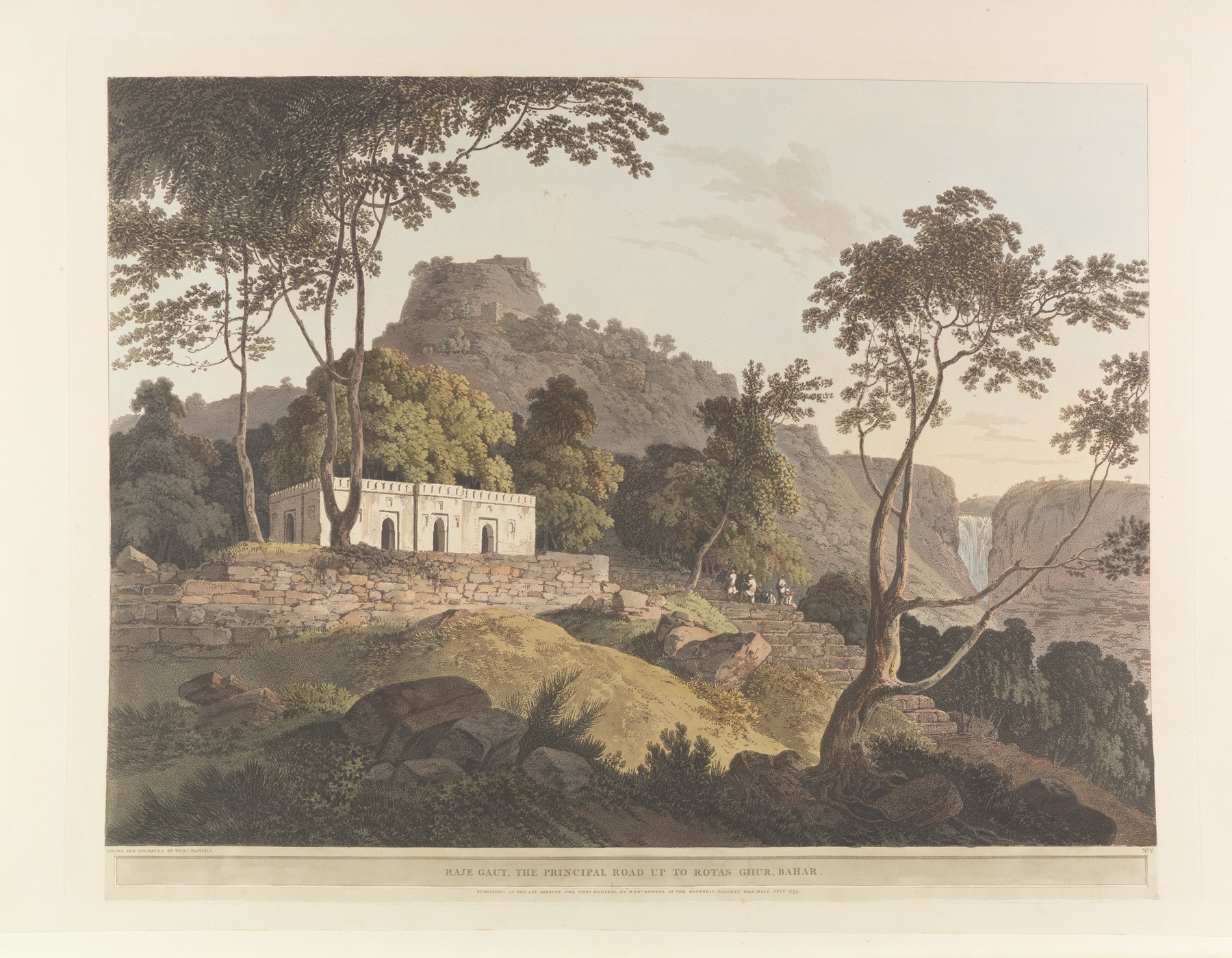
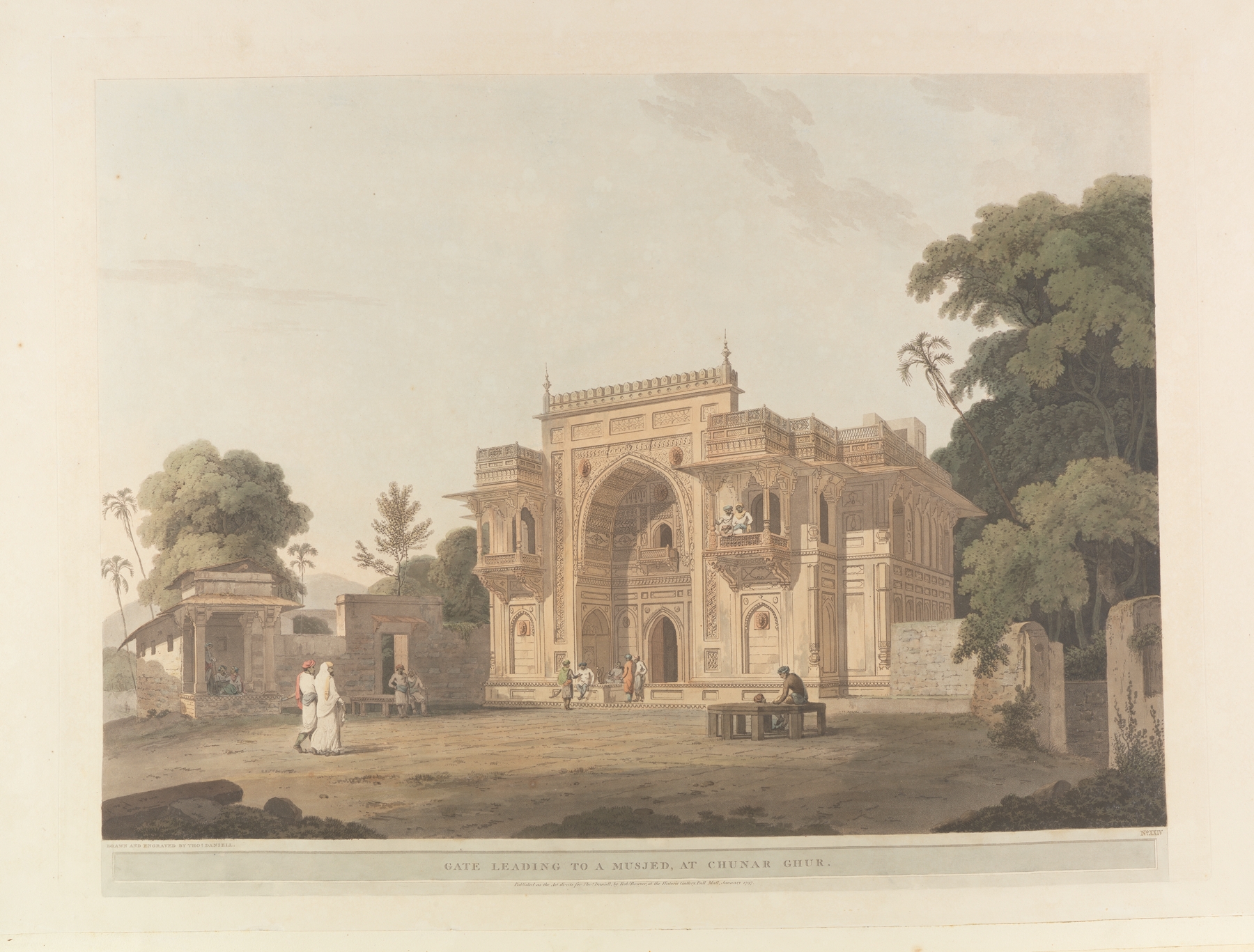
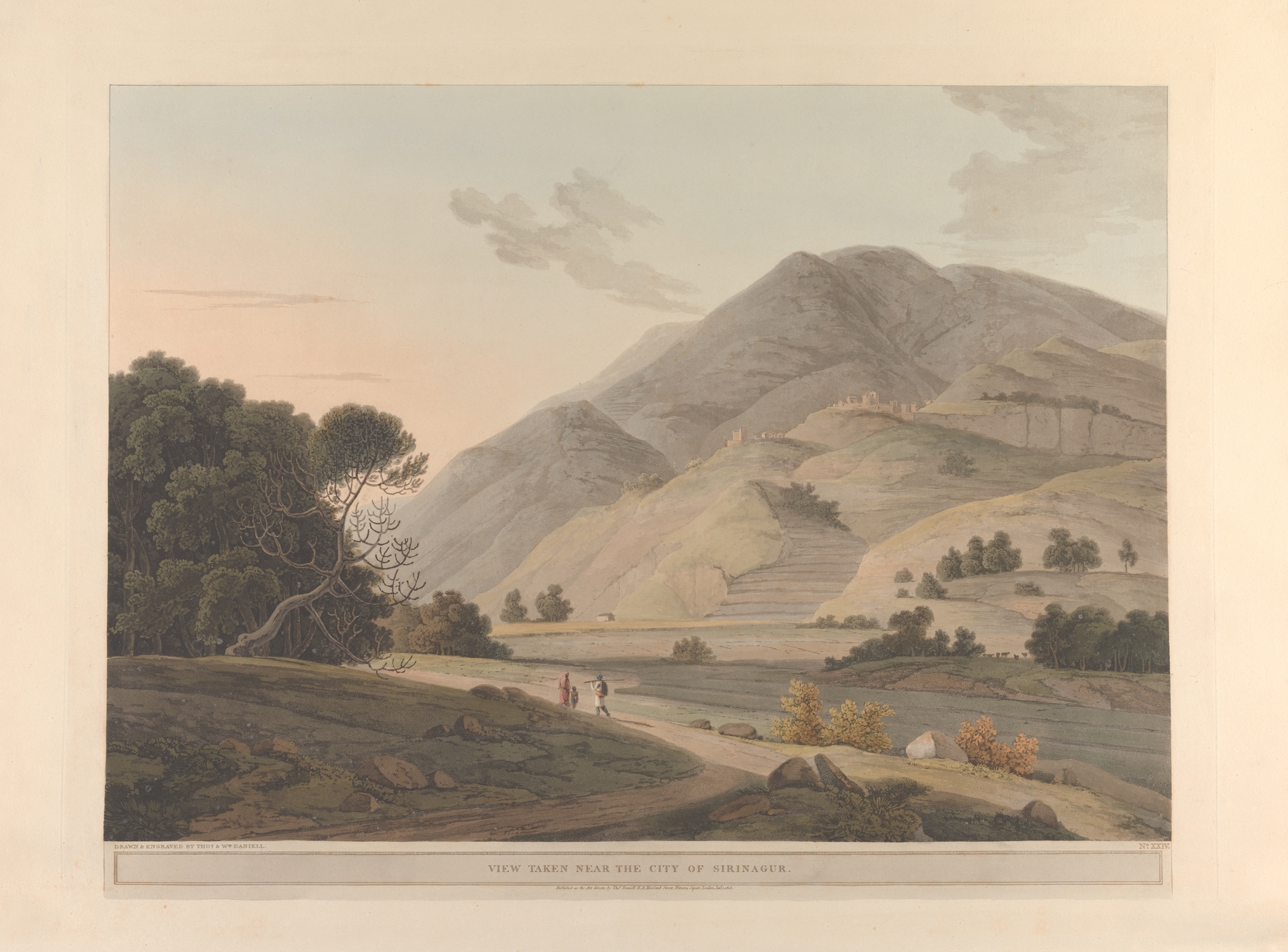
The canvas doesn’t lie — it simply waits. In each brushstroke, beauty emerges not just from what is seen, but from what is felt in the silence of decay. Look to the left at the crumbling stone walls, their rugged textures whispering tales of time. The muted palette of ochres and browns dominates the scene, suggesting the weight of history, while glimmers of green from the creeping vines breathe life into the ruins.
Notice how the light dances delicately across the remnants of architecture, illuminating certain areas while leaving others in shadow, creating an interplay of visibility and obscurity that invites deeper contemplation. Beneath the surface, there lies a poignant meditation on transience and endurance. The juxtaposition of decay against the lushness of nature poses questions about the passage of time, suggesting that beauty persists even in destruction. Each chipped surface and fragmented column speaks to the impermanence of human endeavor, yet the scene is imbued with a sense of reverence for what once was, evoking both nostalgia and hope.
In 1811, Thomas Daniell was in India, deeply influenced by the exotic landscapes and rich cultural heritage surrounding him. This period marked a significant moment in European art, as artists began to grapple with the allure of the Eastern world, blending Romanticism with realism. Daniell’s work in this time reflected not only his experiences but also a growing fascination with the beauty of ruins, emblematic of a broader shift in artistic focus towards the sublime in nature and architecture.