Ruiter en wandelaars op een weg bij Lisse — History & Analysis
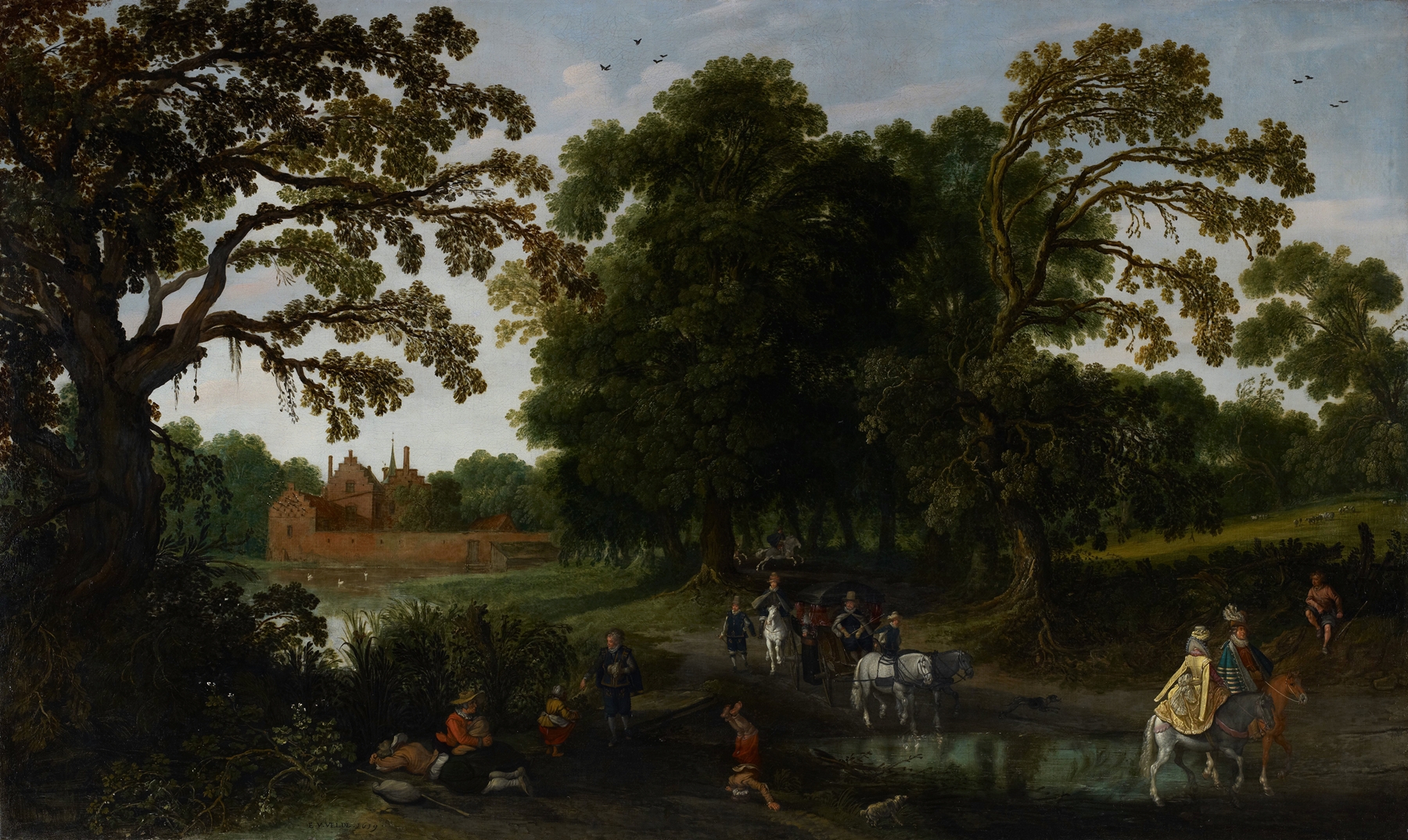
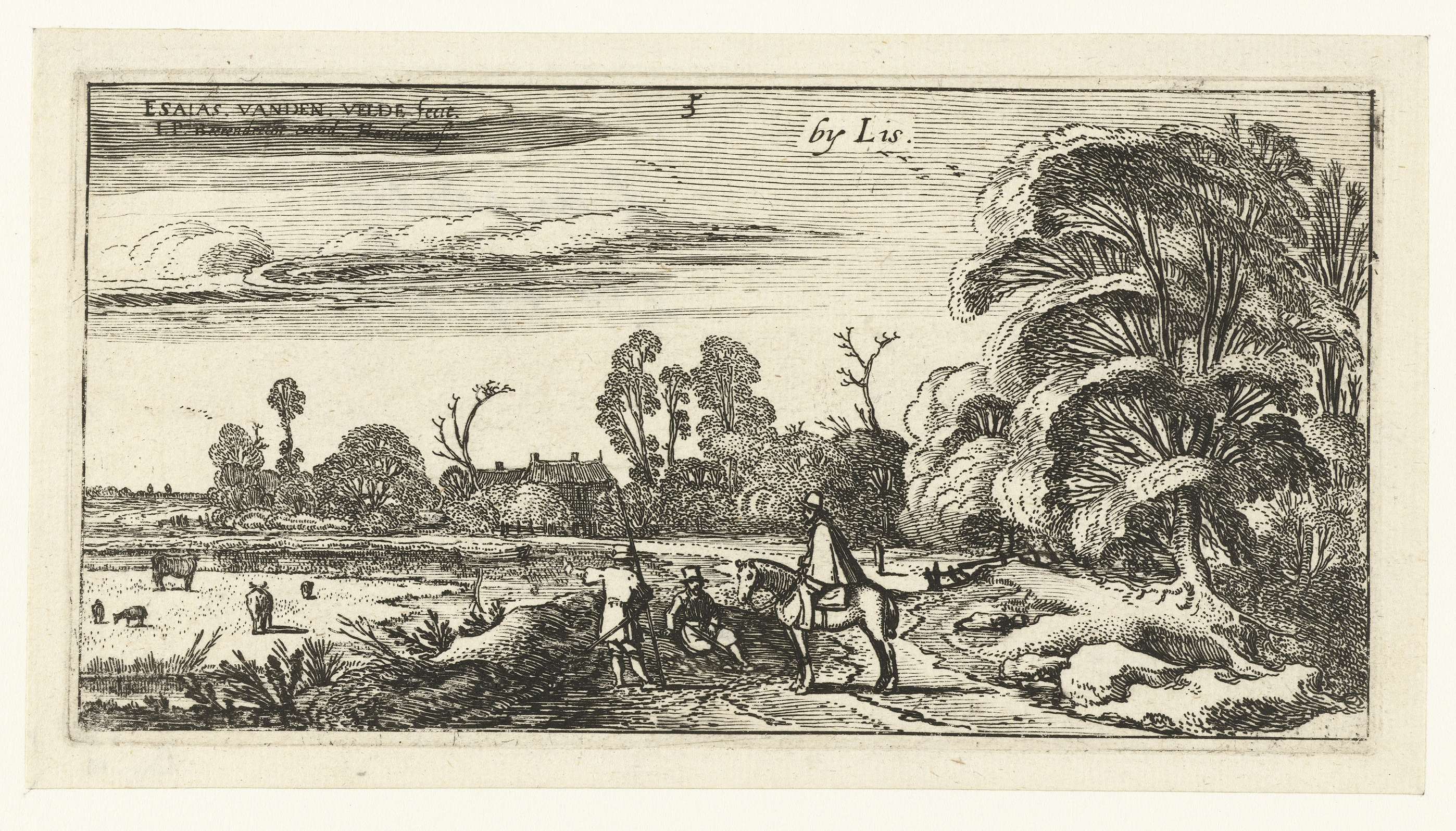
“To paint is to remember what time wants us to forget.” In the stillness of a world awash in fleeting moments, dreams and reality dance together on the canvas, bridging the ephemeral and the eternal. Look to the center of the painting, where a figure on horseback glides along a winding path, accompanied by two wandering pedestrians. Notice how the rich earthy tones of the road contrast with the vibrant greens of the surrounding fields, inviting your gaze deeper into the pastoral scene. The soft, golden light filters through the trees, casting delicate shadows that hint at unspoken narratives unfolding in this serene landscape.
As you absorb the tranquil composition, consider the interplay between movement and stillness. The horse and its rider symbolize freedom and exploration, while the leisurely walkers evoke a sense of introspection. Each figure's posture reveals a different relationship with their surroundings; the rider embodies purpose, while the pedestrians suggest a quiet reverie. This nuanced dynamic invites contemplation on the nature of journey and destination.
During the years 1615 to 1616, the artist crafted this evocative piece amidst a burgeoning Dutch Golden Age, where landscapes began to flourish as a prominent genre. Living in Amsterdam, he explored themes of leisure and reflection against the backdrop of an evolving society, where the appreciation for nature's beauty was becoming increasingly celebrated. This painting reflects not only his personal vision but also the collective yearning for connection to the tranquil landscapes of home.