Saffira met de dood gestraft — History & Analysis
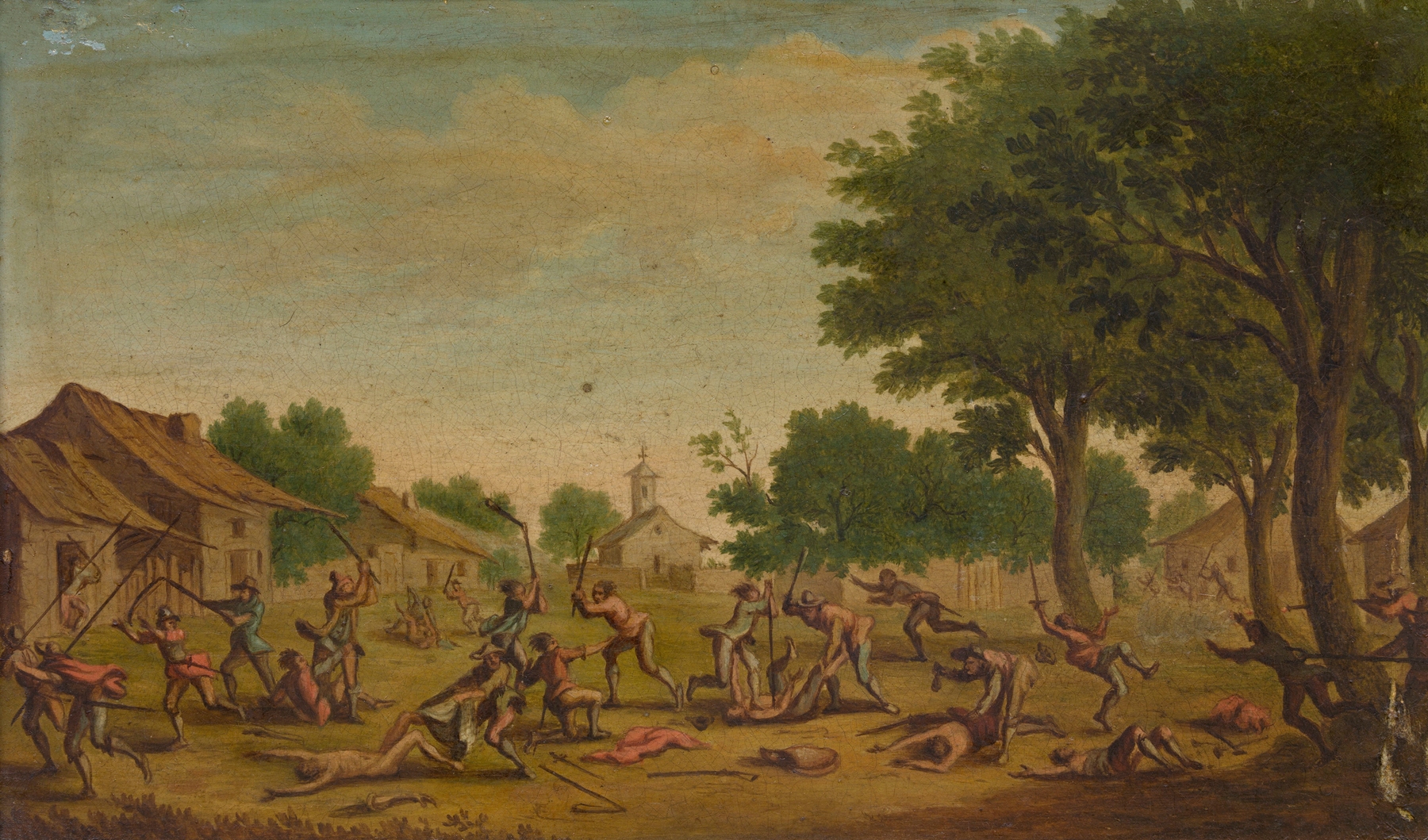
“Sometimes beauty is just pain, disguised in gold.” In Saffira met de dood gestraft, the delicate interplay of form and shadow reveals a haunting emptiness that lingers long after the eyes have wandered away. Here, art serves as a mirror, reflecting the dichotomy of grace and despair. Look to the center of the work, where Saffira’s figure elicits an immediate sense of both vitality and fragility. Her attire, adorned with intricate golden patterns, contrasts starkly against the muted background, drawing your gaze to her poised yet tense posture. Notice how the gentle curve of her body creates a rhythm that feels both alive and constrained, as if she is suspended between life and the impending touch of death.
The artist’s deft brushwork enhances the tension, with light cascading across her features, lending a sense of fleeting beauty. The emotions captured in this piece resonate deeply through the subtle details. The delicate hand gesture, reaching out yet recoiling, speaks of an internal struggle with fate. The juxtaposition of the ornate dress and the stark expression evokes a haunting duality—intense beauty intertwined with inevitable sorrow.
Each brushstroke whispers of the emptiness that comes with such intense allure, a reminder of the fragility that envelops life’s most exquisite moments. During the years 1608 to 1611, Jacques Callot was immersed in the rich art scene of Lorraine, France, where he developed a unique style that blended realism with a theatrical flair. This period marked a significant evolution in his work, as he sought to capture the complexities of human emotion and experience, reflecting the turbulent socio-political atmosphere of the time. The artist’s exploration of themes like beauty, mortality, and emptiness in this piece showcases his deep understanding of the human condition.