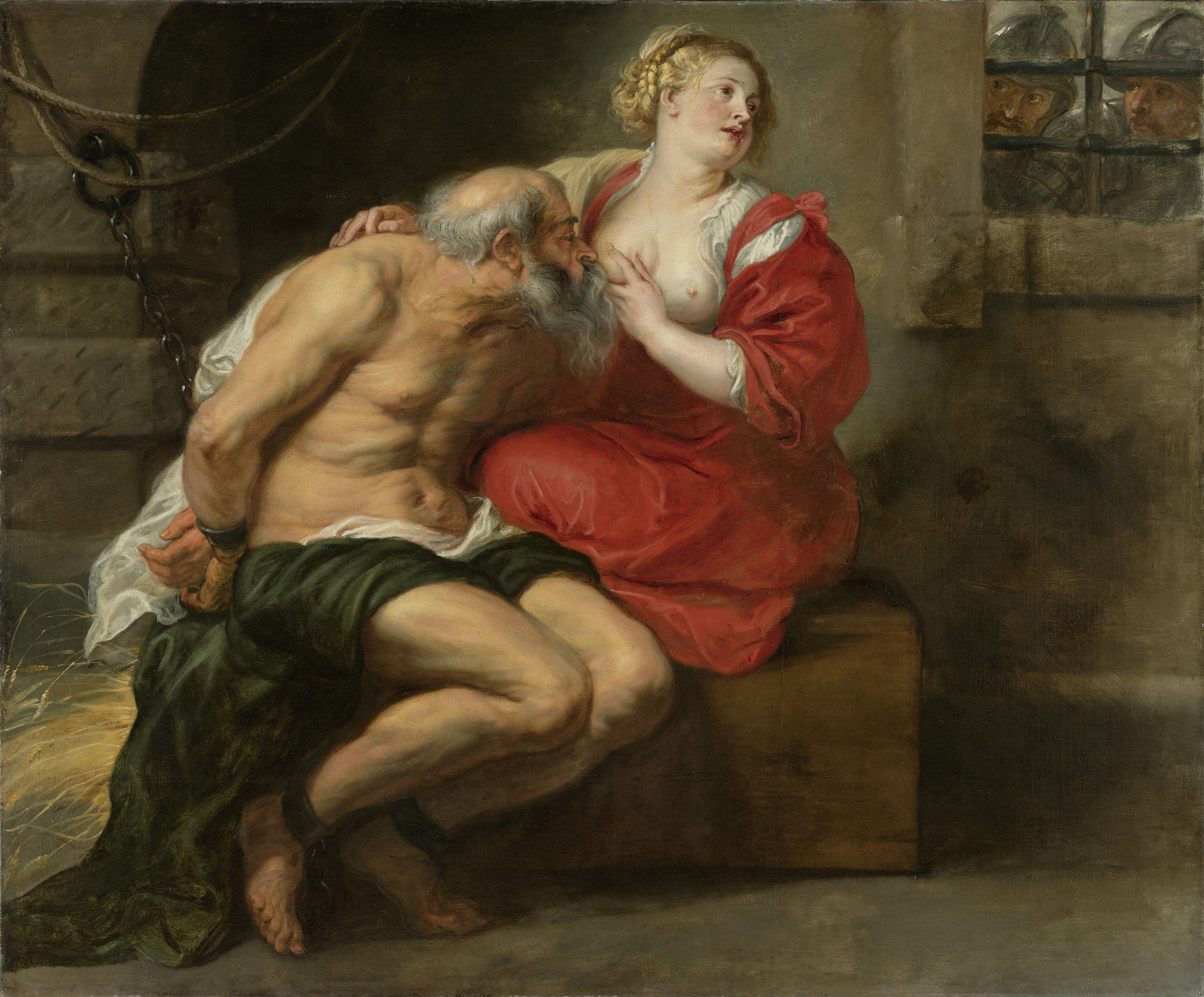
Saint Francis — History & Analysis
Is this a mirror — or a memory? Beneath the lush, swirling colors of Saint Francis, a deep yearning resonates, pulling the viewer into a poignant moment of reflection and transcendence. Look to the left at the figure of Saint Francis, bathed in warm golden light that glimmers against the rich browns and greens of the background. Notice how the gentle halo, almost ethereal, crowns his head, illuminating his serene expression and inviting you to ponder his spiritual journey.
The composition draws your eye to his outstretched hand, signaling not just a gesture of prayer, but an invitation to connect with the divine. Rubens employs a masterful interplay of light and shadow to create depth, evoking a sense of both warmth and solemnity. Delve deeper into the details: the delicate textures of Francis’ robe, the expressive play of light across his face, and the hidden symbolism of the softly folded wings of the angel above. Each element becomes a thread in the tapestry of his devotion, revealing the contrasts between earthly existence and heavenly aspirations.
This tension between flesh and spirit embodies the artist's profound understanding of faith as both a burden and a solace, urging the viewer to confront their own spiritual quests. Rubens painted Saint Francis around 1615 during a transformative period in his career, marked by his return to Antwerp after his travels in Italy. The Baroque movement was gaining momentum, and his work began to reflect the emotional depth and dynamism characteristic of this style. At this time, he was navigating both personal challenges and the evolving landscape of European art, culminating in profound explorations of spirituality and human experience.