Samidare (Arakawa) (Early summer rain at Arakawa) — History & Analysis
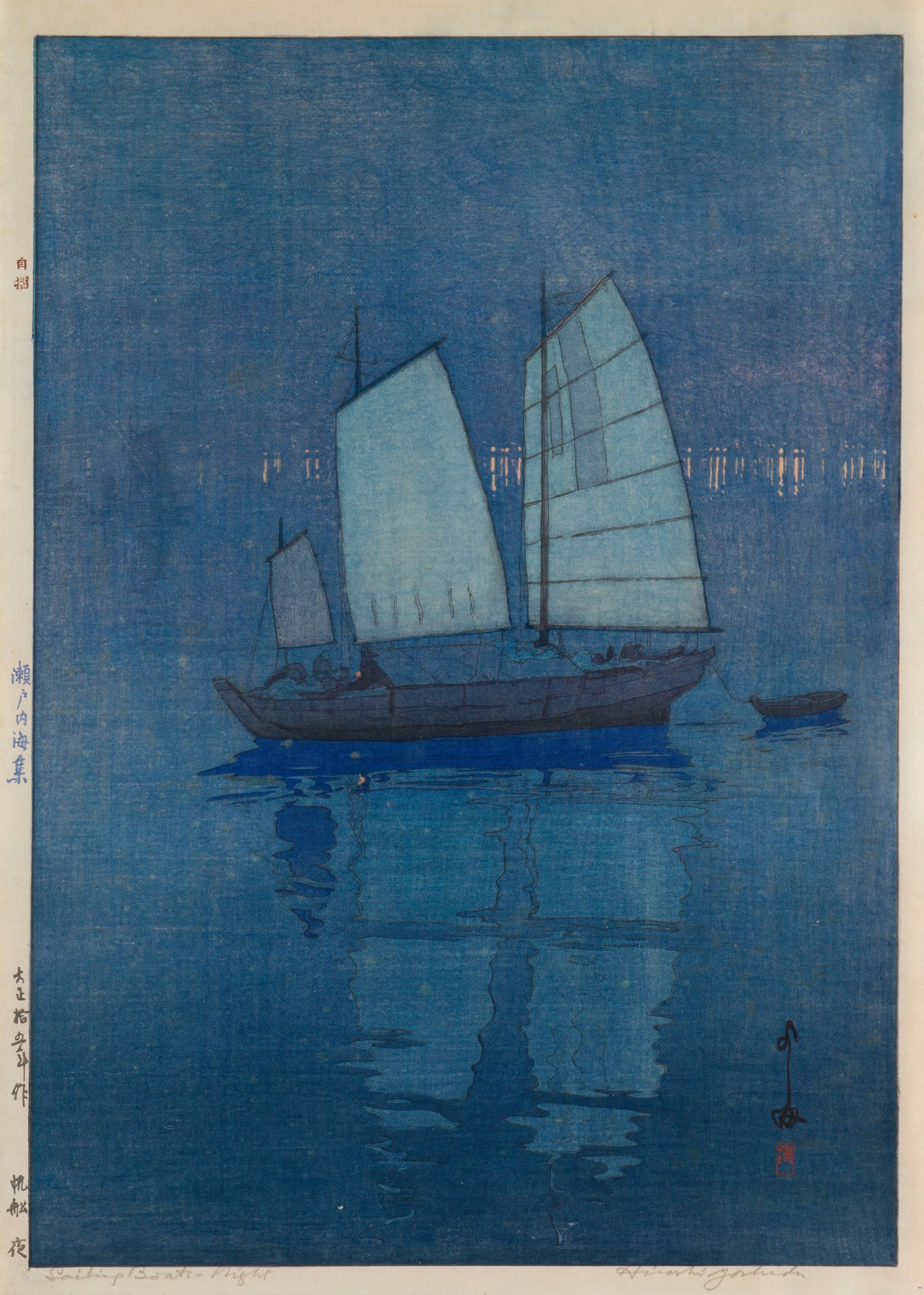
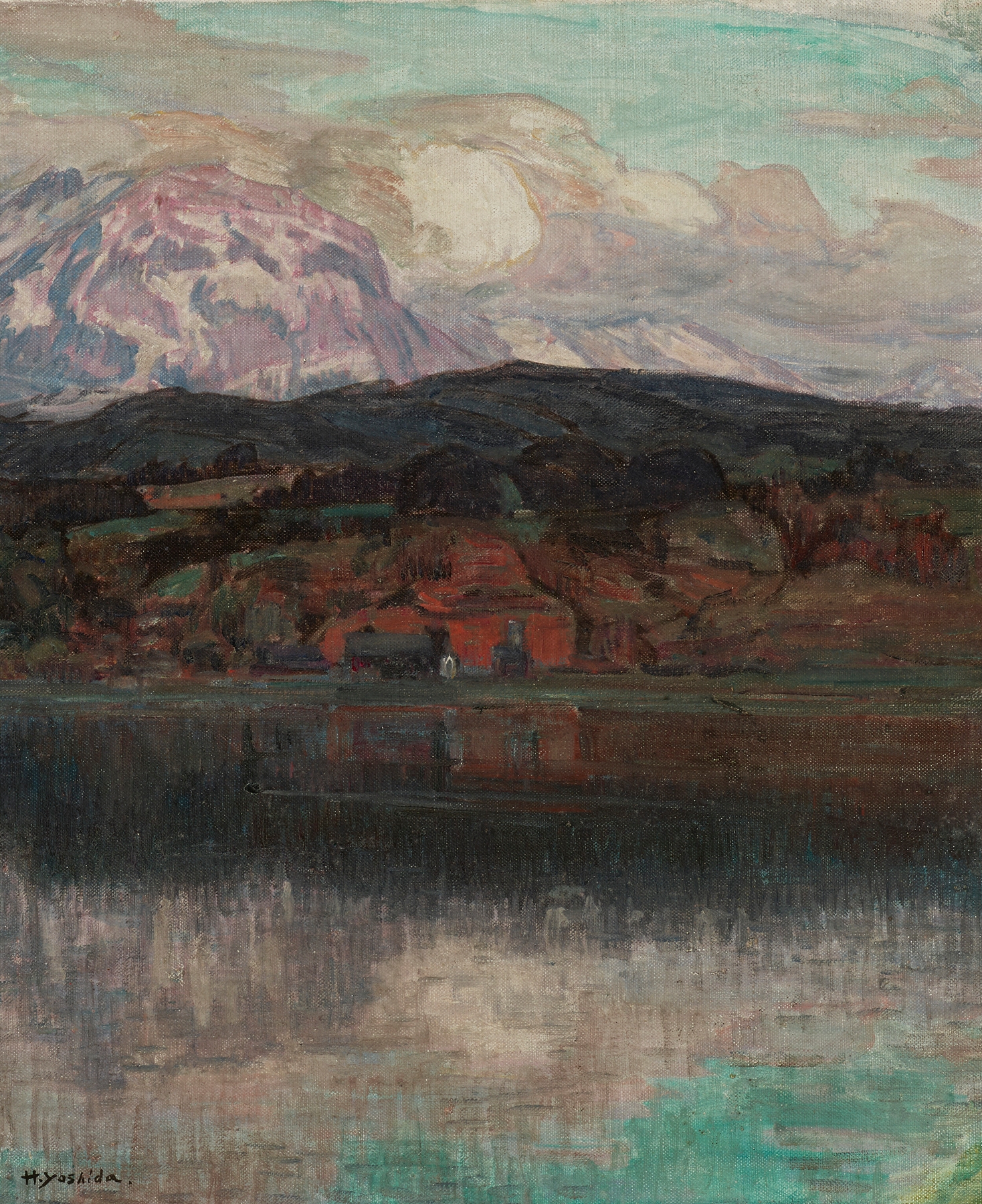
“Art reveals the soul when the world turns away.” In the quiet moments of solitude, we often find the essence of who we are, illuminating the subtle movements of life around us. This is precisely what resonates within the delicate brushstrokes of Samidare (Arakawa), a piece that invites introspection and evokes the whisper of nature’s rhythms. Look to the foreground, where gentle ripples in the water mirror the soft, falling rain, creating a captivating interplay between liquid and land. Notice how the muted blues and grays blend seamlessly into one another, evoking a sense of serenity and calm.
The composition is balanced, with a sliver of land framing the scene while the soft silhouettes of trees stand tall on the horizon, cradling the viewer’s gaze and grounding them in a moment of quiet reflection. Within this tranquil tableau lies a rich tapestry of meaning. The rain, a symbol of renewal, brings both life and a fleeting sense of melancholy, suggesting the transient nature of beauty. The stillness of the water reflects not only the physical world but also the emotional state of the observer, inviting them to contemplate their own journey.
The contrast of light and shadow hints at the duality of existence—joy intertwined with sorrow, movement interlaced with stillness. In 1940, Yoshida Hiroshi painted Samidare (Arakawa) amidst shifting tides in the art world, as traditional methods began to blend with modern innovations. Living in Japan, he was part of a cultural renaissance that saw the fusion of Western influences with Eastern aesthetics. This piece reflects not just the beauty of a rain-soaked landscape but also Hiroshi's profound understanding of nature’s transitory qualities at a time of change, both personally and globally.