Schloss Milkel in Moonlight — History & Analysis
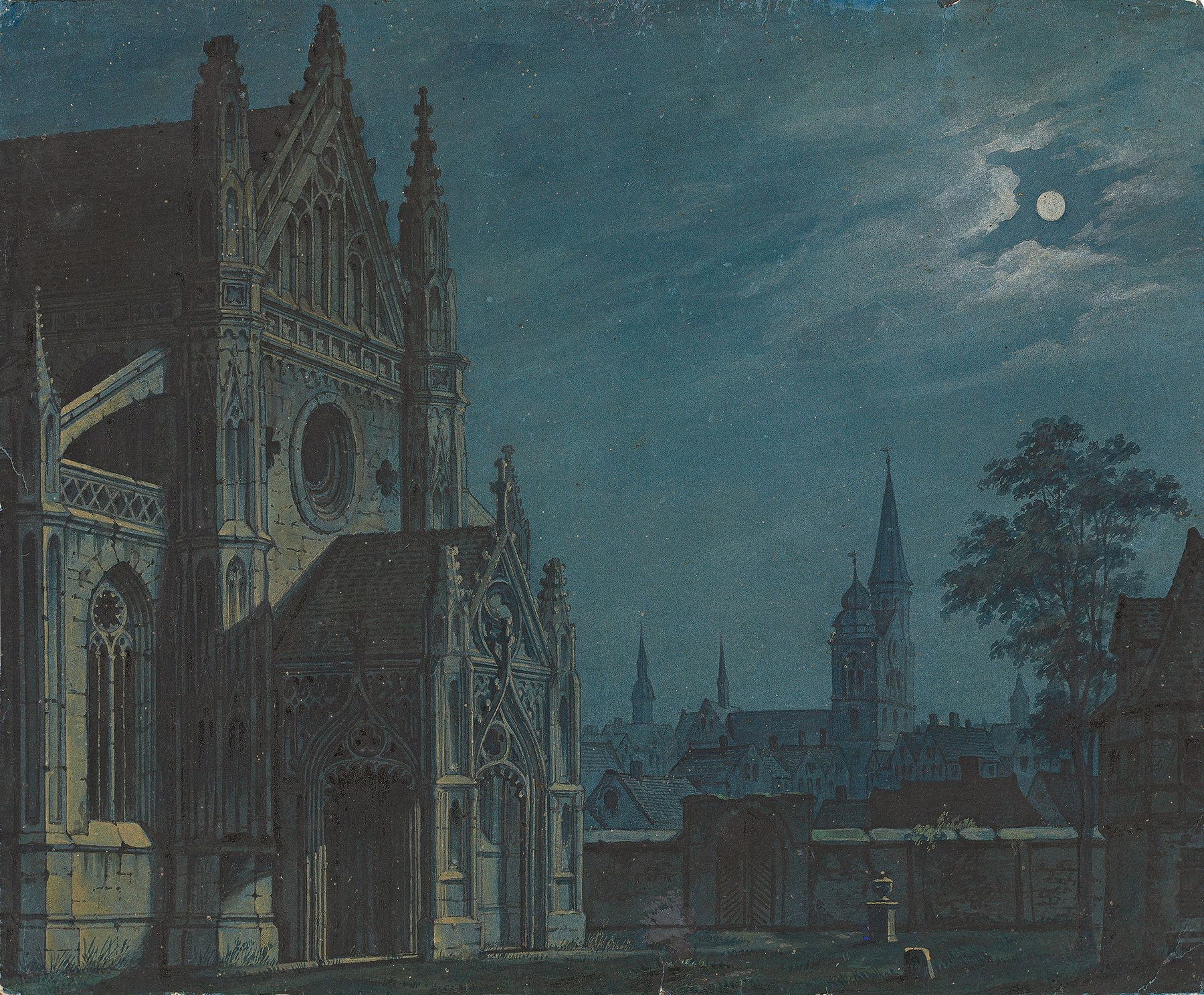
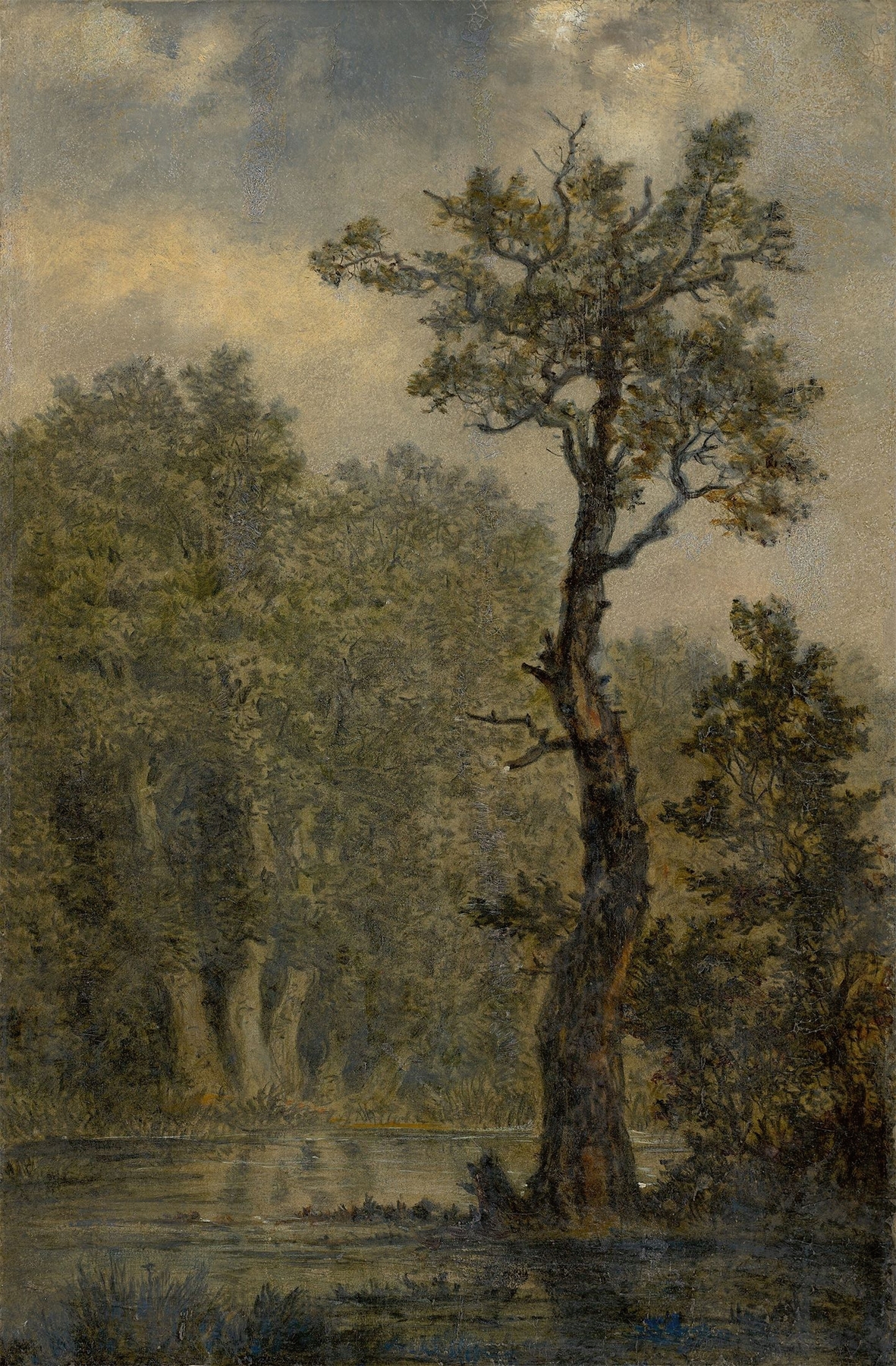
“Every brushstroke is a heartbeat remembered.” In a world where grief hangs thick like fog, art serves as a vessel for emotions too heavy for words. The stillness captured in a moment transcends time, whispering the stories of those lost and the memories we cling to. Focus on the foreground, where a serene body of water elegantly mirrors the moonlit sky. The cool blues and soft whites create a haunting tranquility, while the delicate brushwork invites you to linger, as if time itself has slowed.
To the left, the silhouette of Schloss Milkel emerges, its stately architecture silhouetted against the luminous backdrop. Each detail — the gentle curves of the castle's turrets and the faint glow of light spilling from a distant window — beckons you deeper into this enchanting landscape. Beneath the surface beauty lies a dichotomy of light and shadow, which speaks to the dual nature of memory and loss. The moon's brilliance contrasts sharply with the darkened surroundings, symbolizing the fragility of joy amidst sorrow.
This interplay evokes a bittersweet nostalgia; the night may shine brightly, yet the darkness serves as a reminder of what remains absent, an echo of longing that pervades the scene. Created between 1833 and 1835, this piece emerged during a pivotal period for the artist, who was deeply influenced by Romantic ideals and the sublime. Carus found himself in Dresden, a cultural epicenter, grappling with themes of nature, emotion, and the human experience. The romanticism of the era was alive in his work, as he sought to translate the ineffable complexities of existence through the tranquility and beauty of the natural world.