Schneidemühle bei Eppstein (Lorsbacher Tal) — History & Analysis
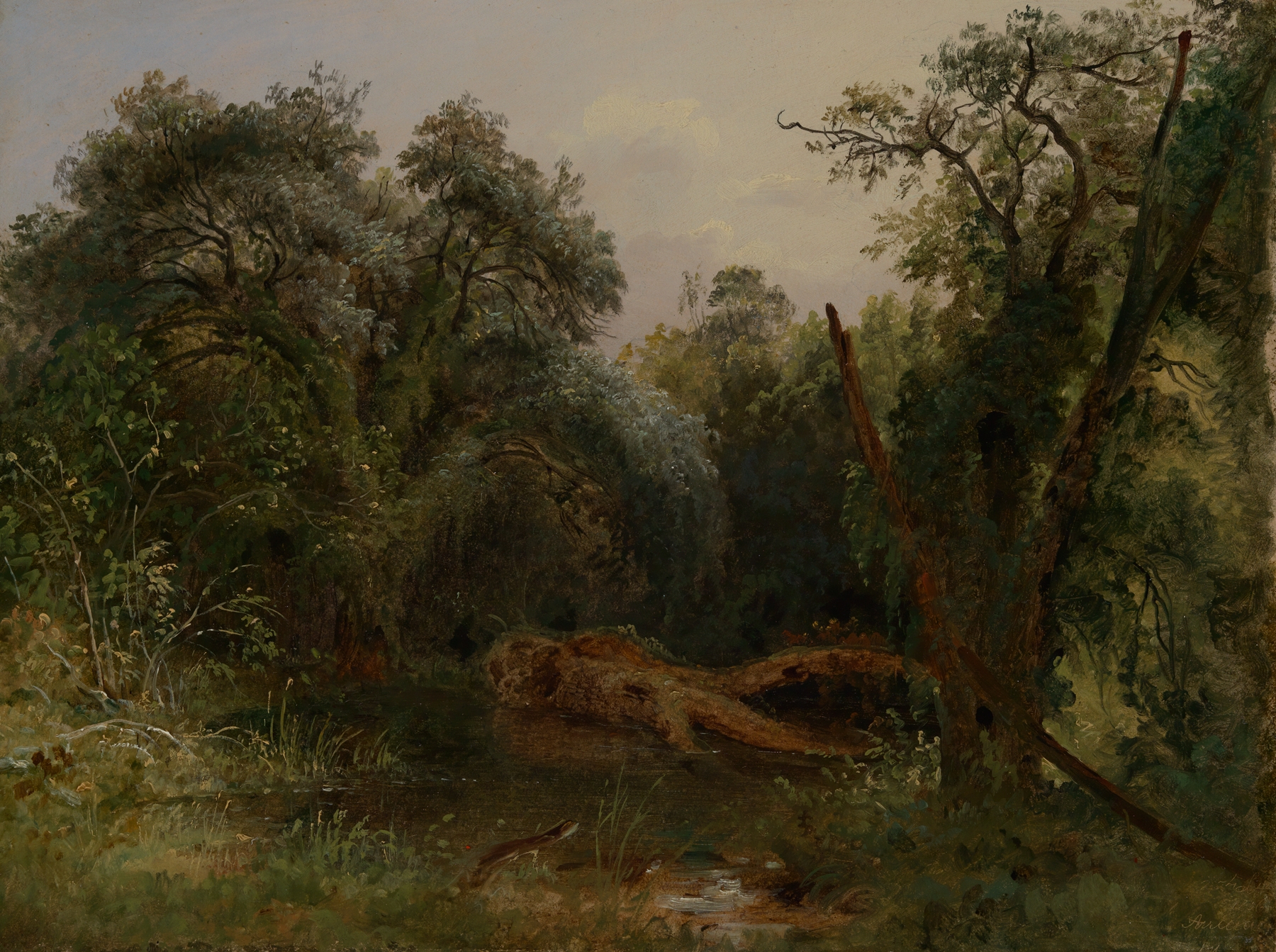
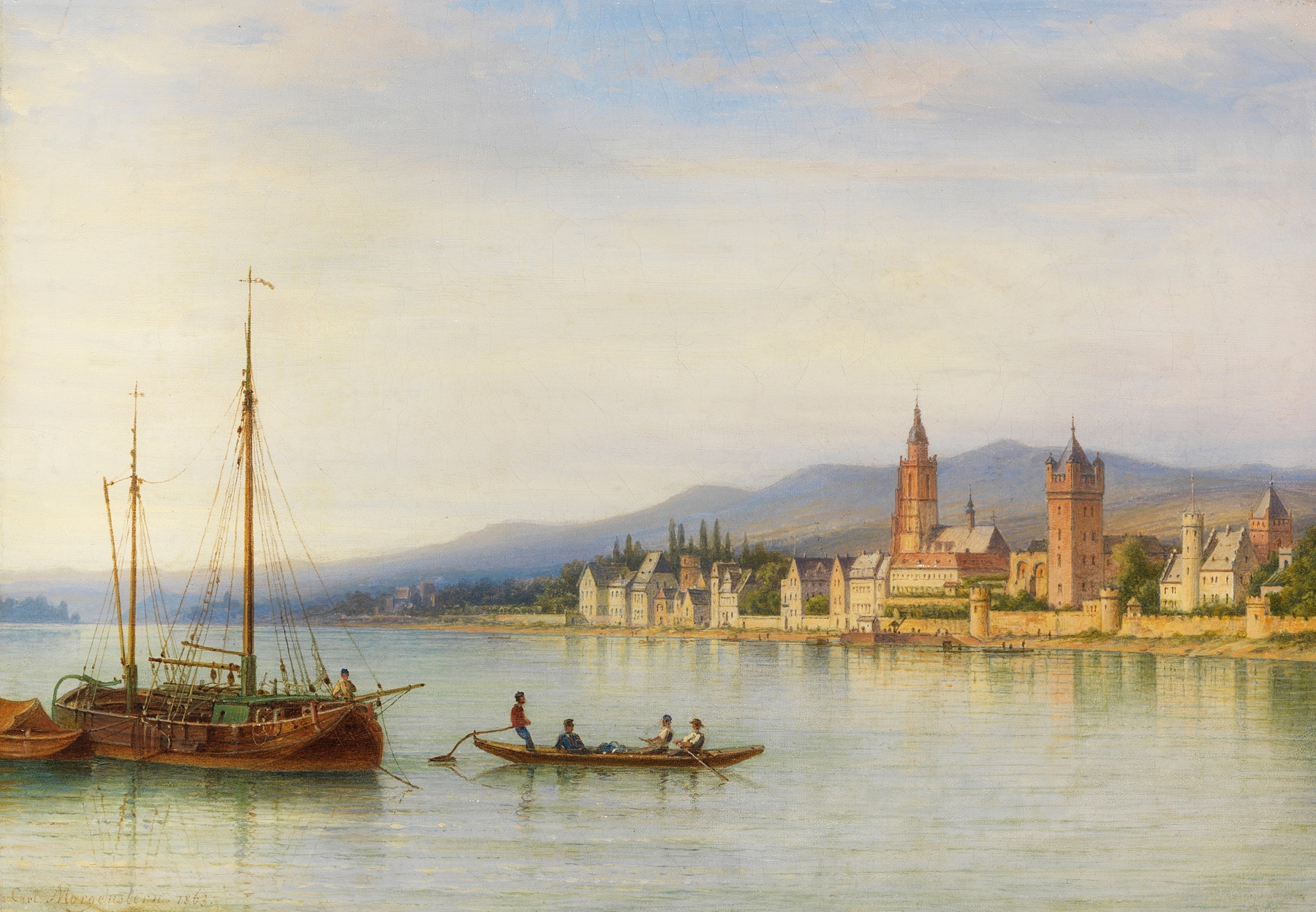
Can beauty exist without sorrow? This haunting question echoes through the serene landscape captured in Schneidemühle bei Eppstein, encapsulating life's fleeting nature amid tranquil beauty. Focus your gaze on the gentle yet melancholic interplay of light and shadow across the rolling hills. The soft hues of the sky transition from delicate pastels to deeper blues, inviting you to explore the lush greens that cradle a quaint mill by the water.
Notice how Morgenstern’s brushwork evokes both the stillness of the moment and the whispers of time passing, each stroke a reminder of nature’s grace and transience. Hidden within the idyllic scene lies a poignant tension. The mill, a symbol of industriousness, stands juxtaposed against the flowing river, suggesting the relentless passage of time. A figure, small and solitary, walks along the winding path, perhaps lost in thought or grief, embodying the intertwining of life’s beauty with the inevitability of loss.
The distant mountains loom like guardians over the scene, casting a watchful eye as if to remind us of both nature’s permanence and our own mortality. In 1829, Morgenstern painted this work while living in Germany, a period marked by a growing interest in Romanticism that sought to express deep emotional resonance with the natural world. As Europe grappled with the aftermath of the Napoleonic Wars, the artist was inspired to portray landscapes that evoked both nostalgia and introspection. This piece reflects not only his personal artistic journey but also the collective yearning for solace amidst the tumultuous changes of the era.