Schwabing—Das weisse haus — History & Analysis
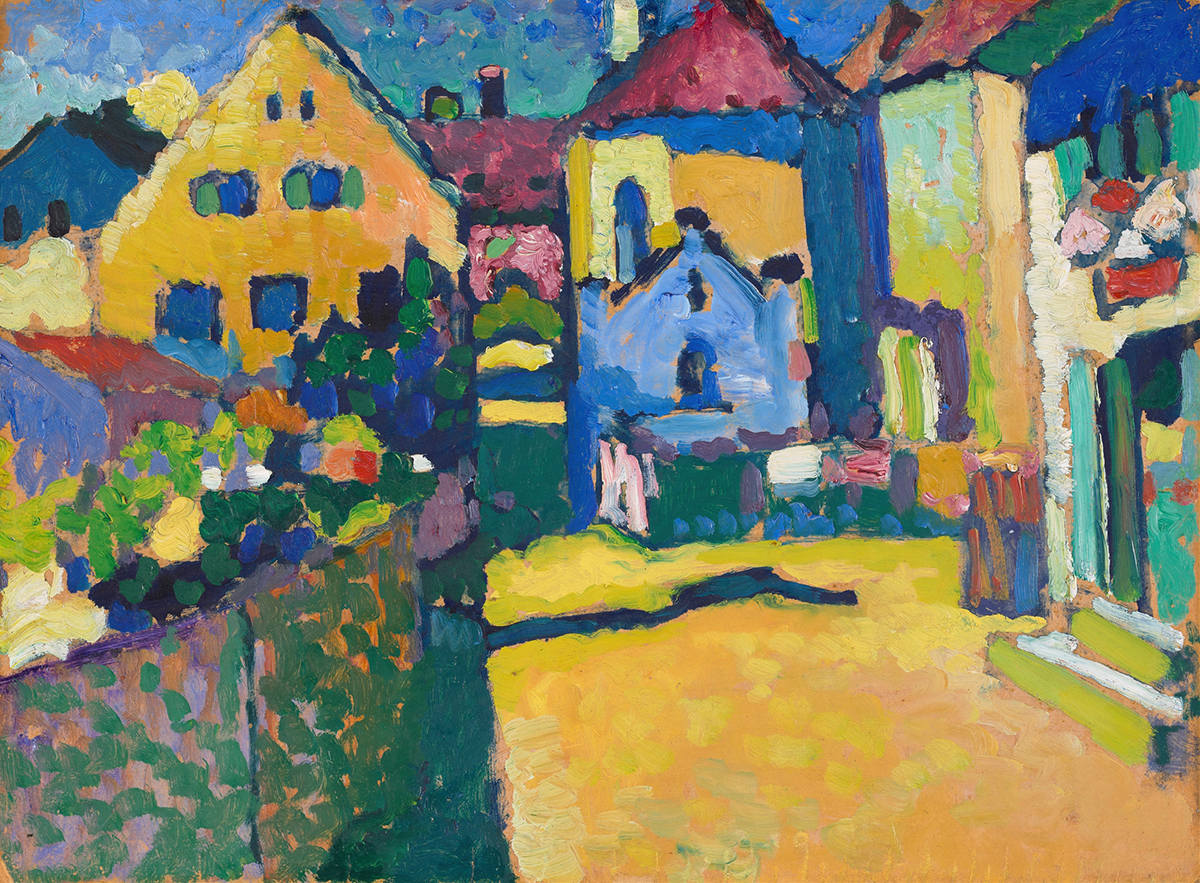
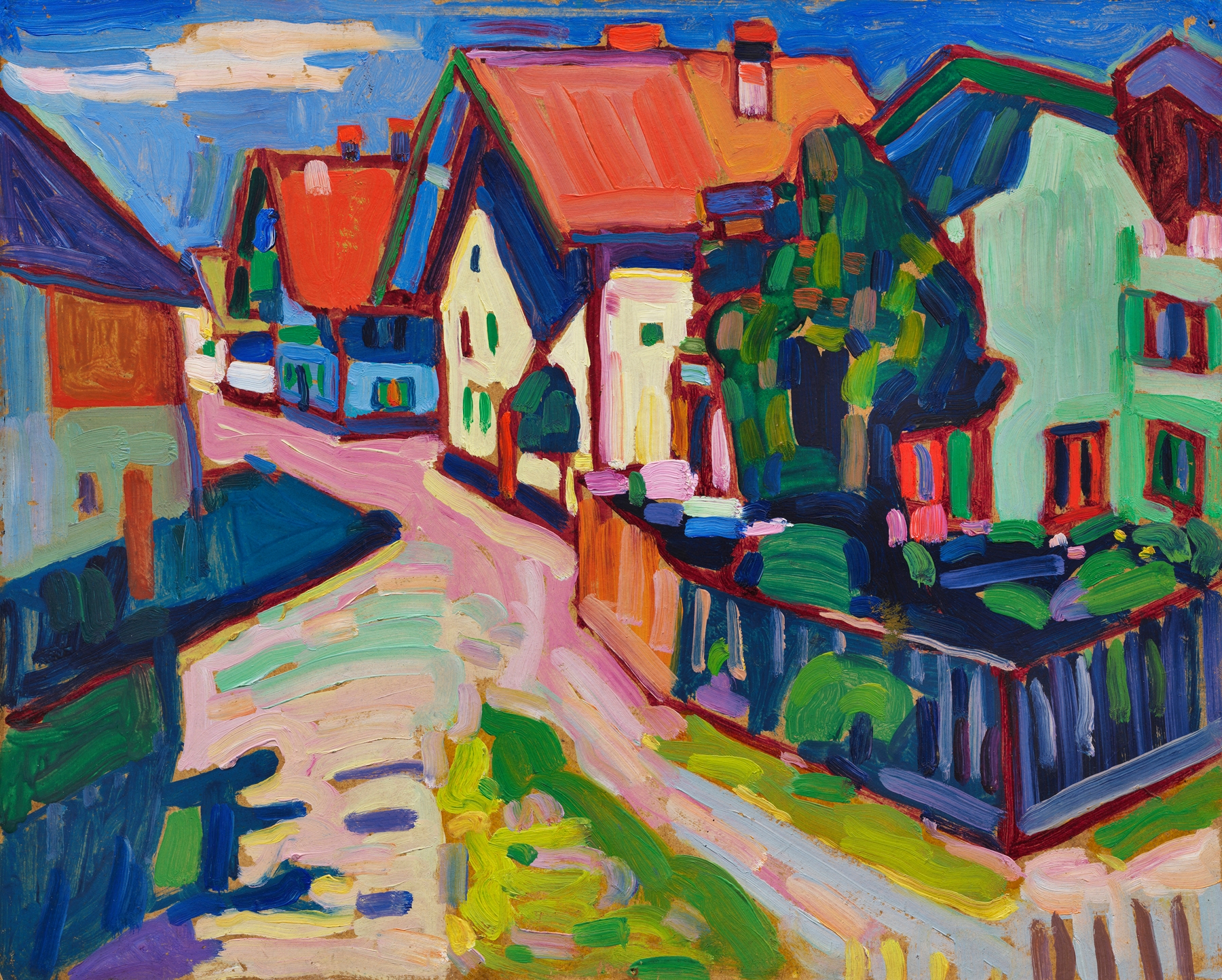
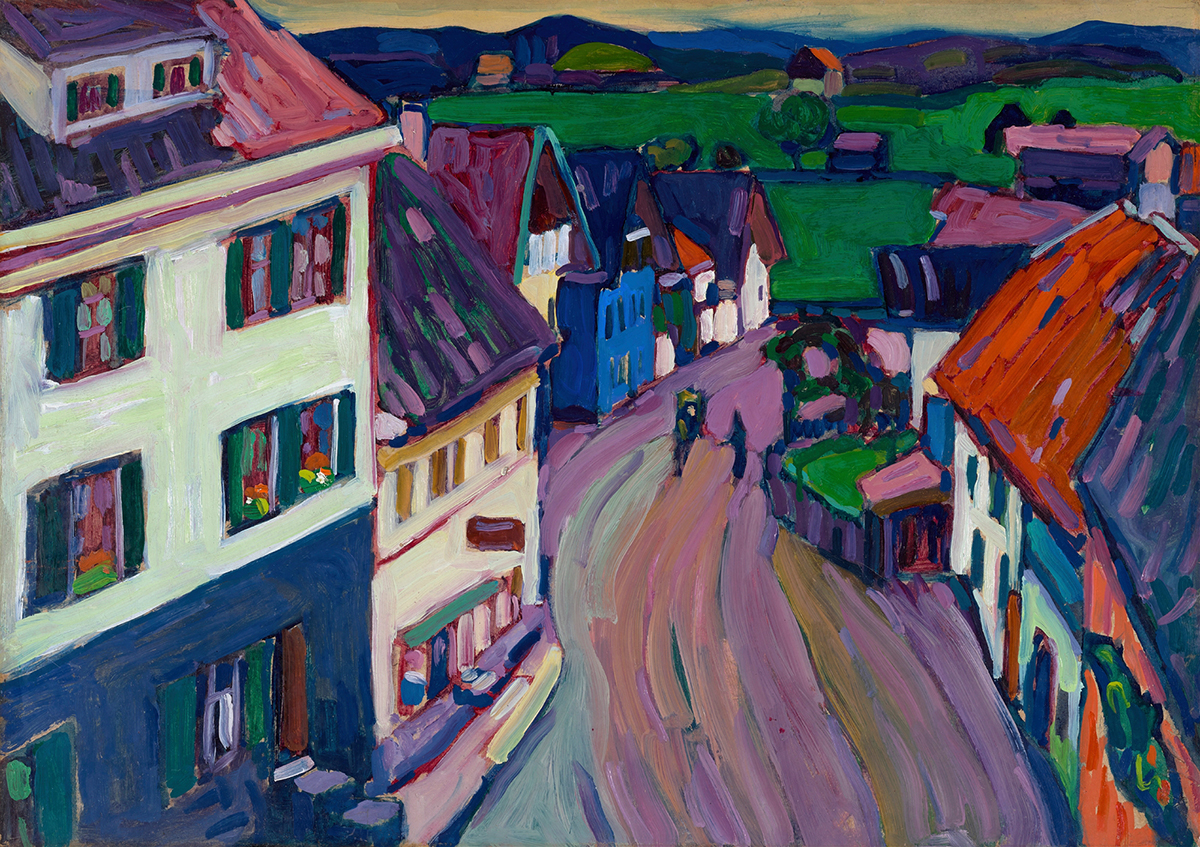
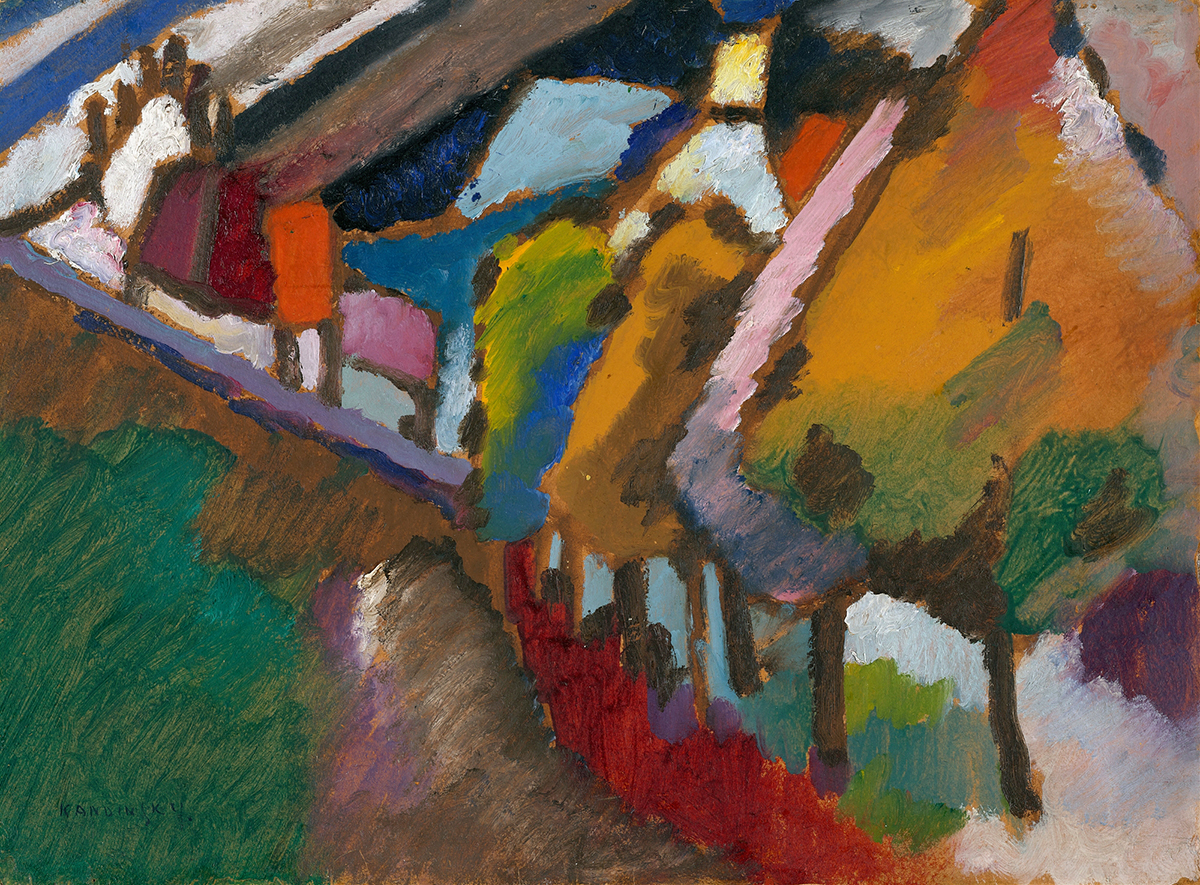
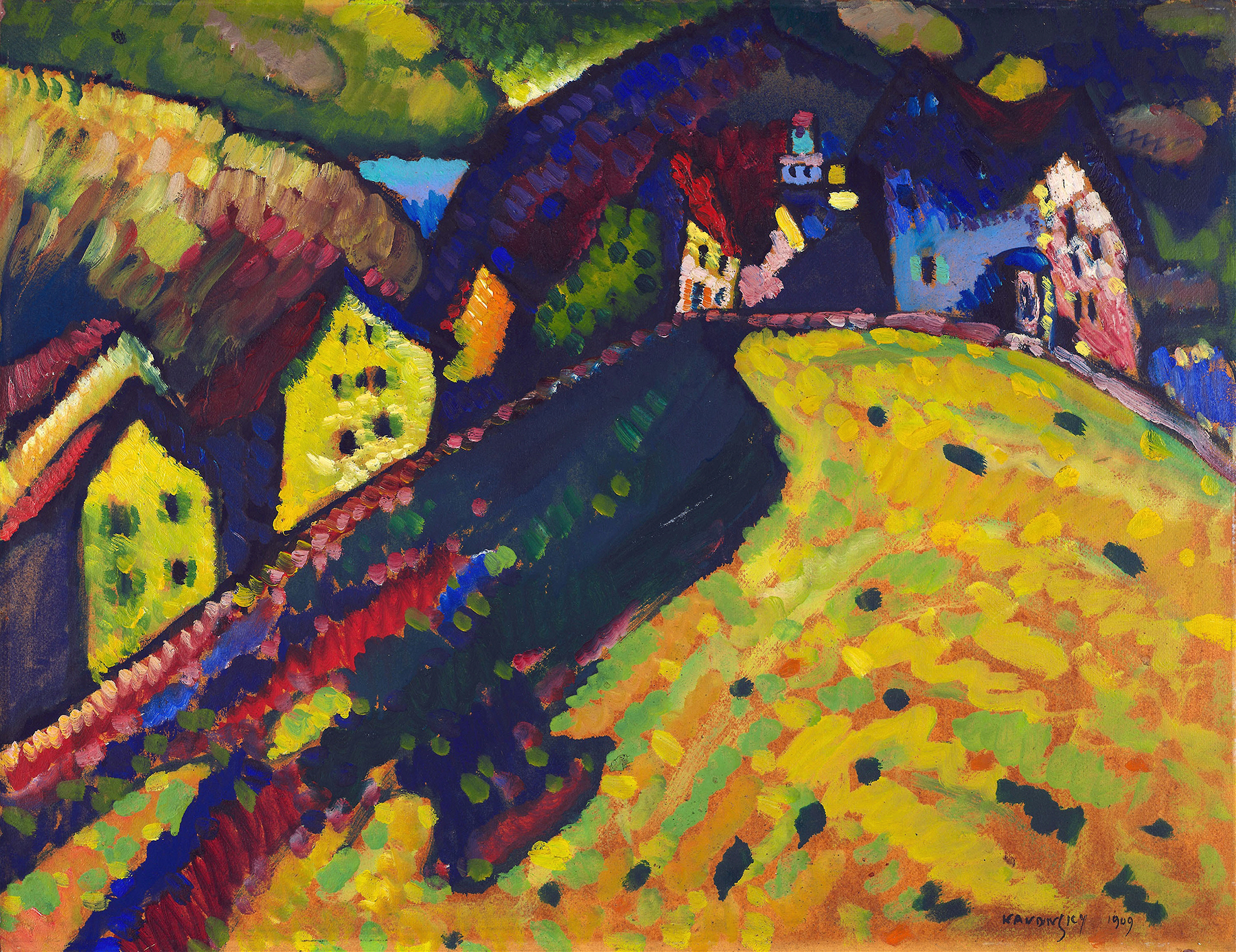
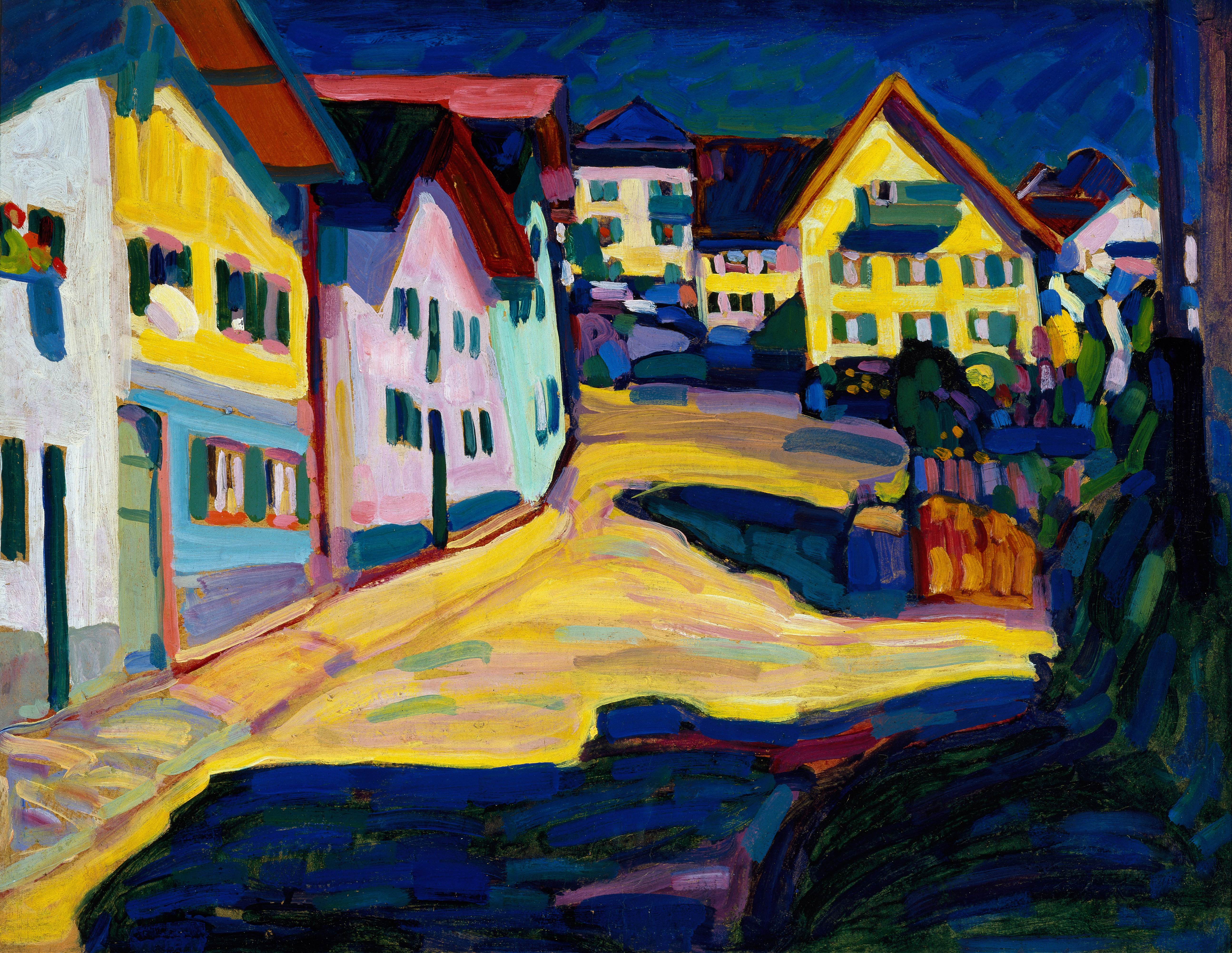
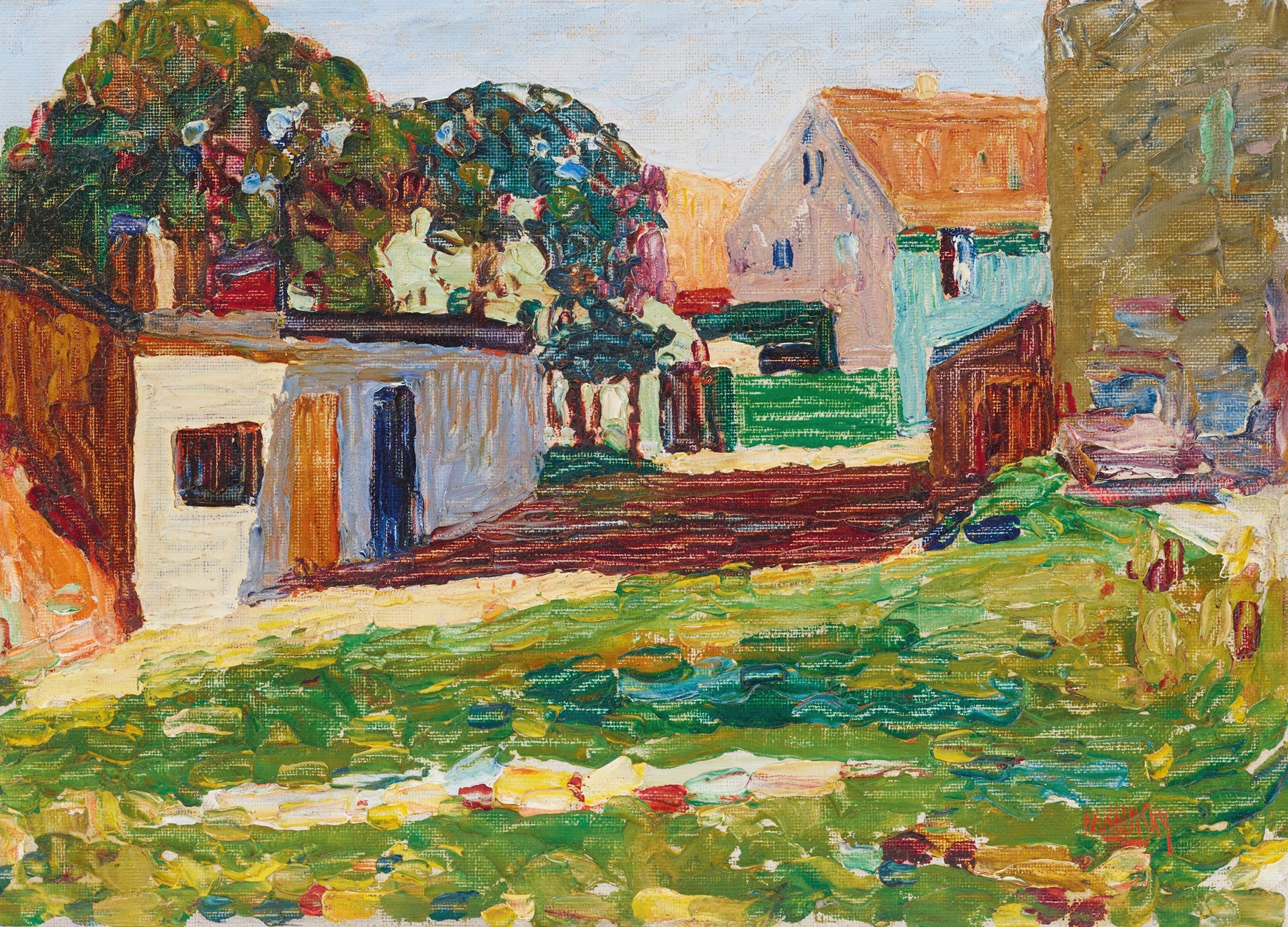
When did color learn to lie? In the vibrant dance of hues, Kandinsky masterfully weaves a tapestry of solitude that echoes through the ages, beckoning viewers to explore the depths of their own loneliness. Look to the left at the stark white house, its angular form stark against the swirling colors that envelop it. Notice how the bold strokes of blue and yellow radiate outward, creating a frenetic energy that contrasts with the stillness of the building. This juxtaposition draws the eye, inviting contemplation of the emotional landscape surrounding the structure—an oasis of calm amidst a tempest of color.
Within this composition, hidden meanings flower like delicate petals waiting to be plucked. The white house, often seen as a symbol of safety and comfort, embodies a profound isolation, standing alone while the vibrant colors spiral energetically around it. The interplay between the chaos of color and the stillness of the house encapsulates the tension of existence, hinting at the loneliness that can exist even in lively surroundings. Each brushstroke seems to whisper secrets of yearning, while the swirling colors symbolize frenetic human emotions, creating a dialogue between the external world and internal experience.
Painted in 1901, this artwork emerged during a pivotal time for its creator. Living in Munich, Kandinsky was at the forefront of the nascent expressionist movement, experimenting with abstraction and color theory. This era marked a transition in art, as traditional forms were challenged, making way for new expressions of reality. The vibrant palette and innovative approach in this piece reflect both his artistic evolution and the broader shifts occurring in the world of art, echoing the complexities of human emotion he sought to portray.