Schweizer Gebirgslandschaft — History & Analysis
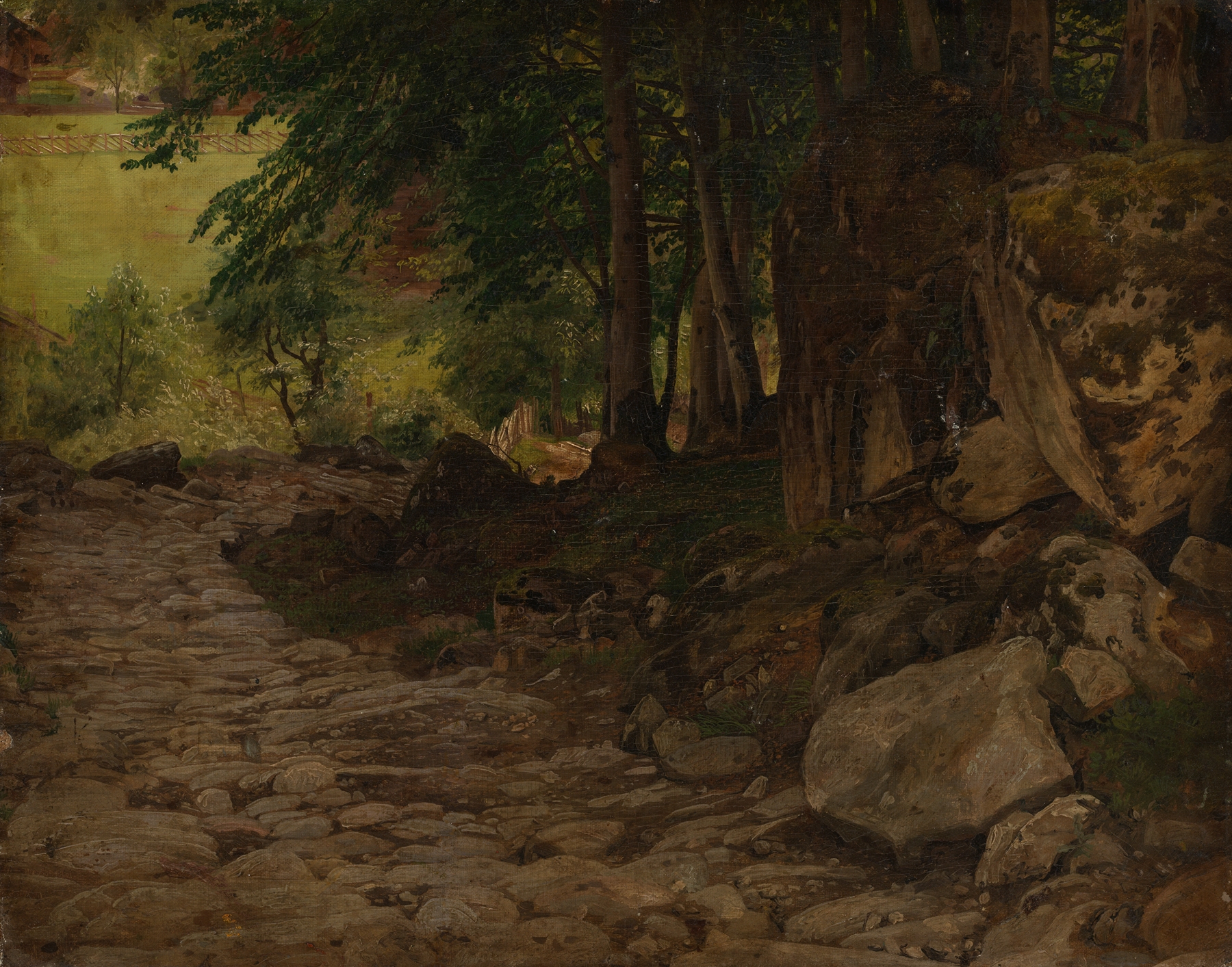
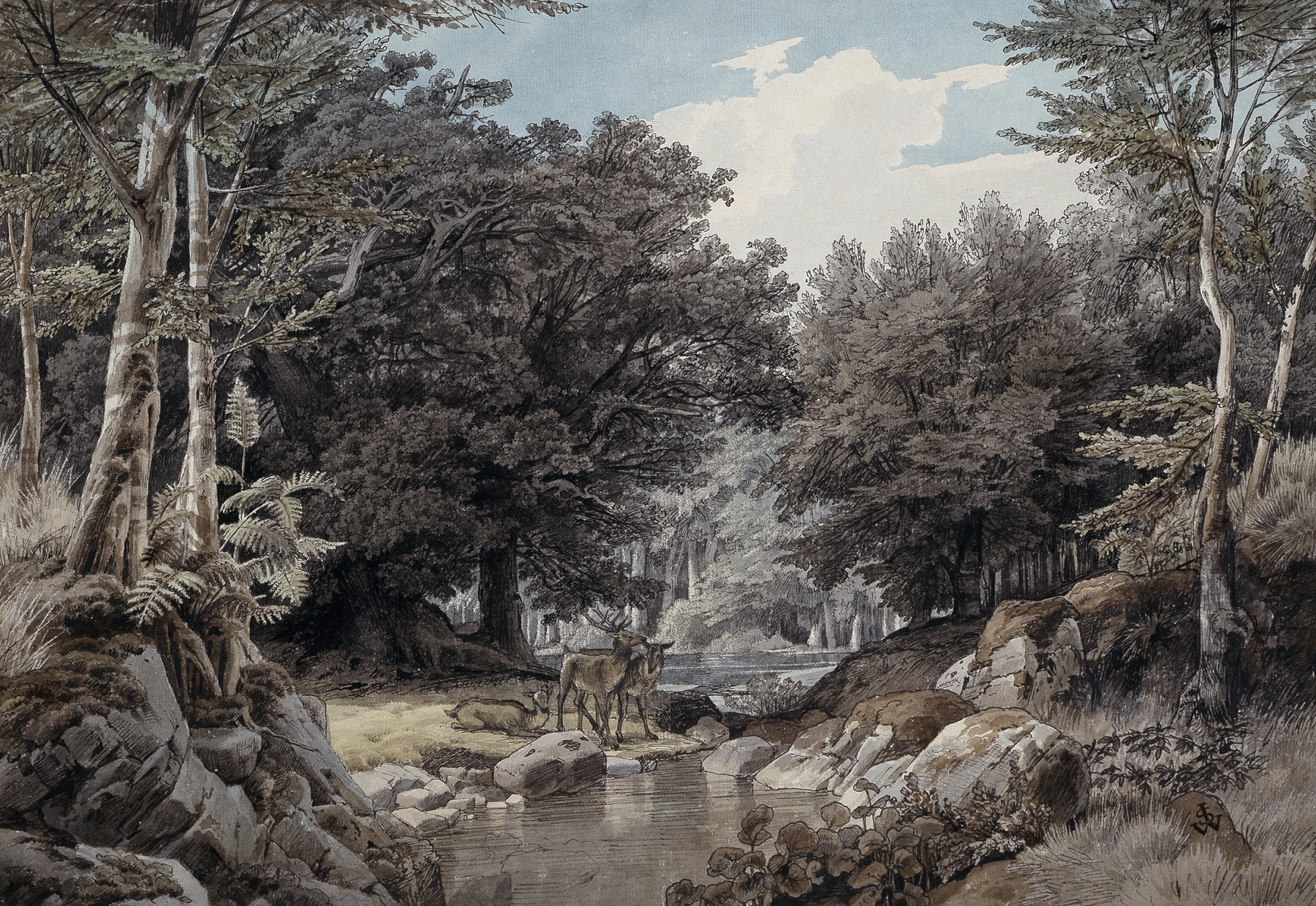
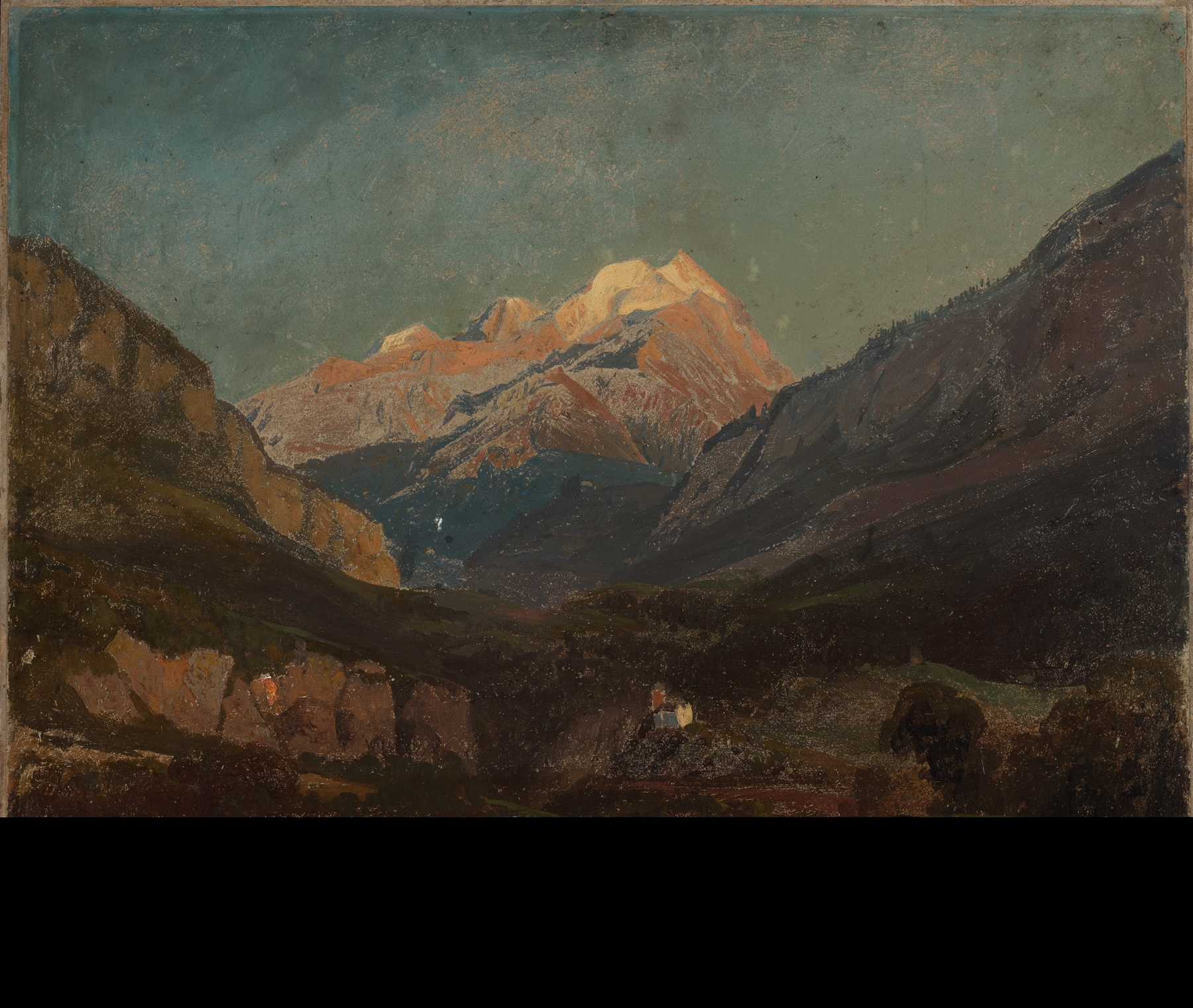
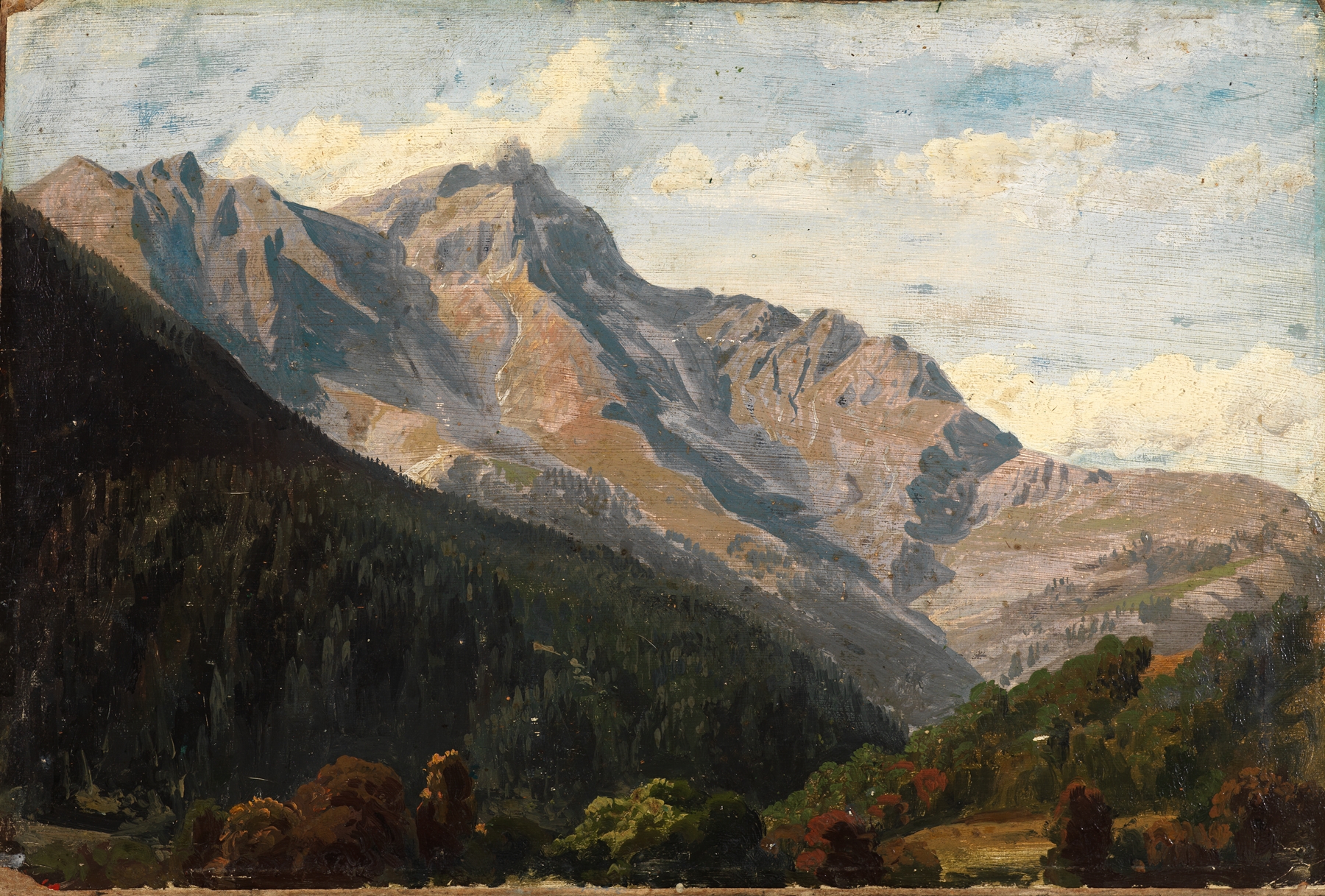
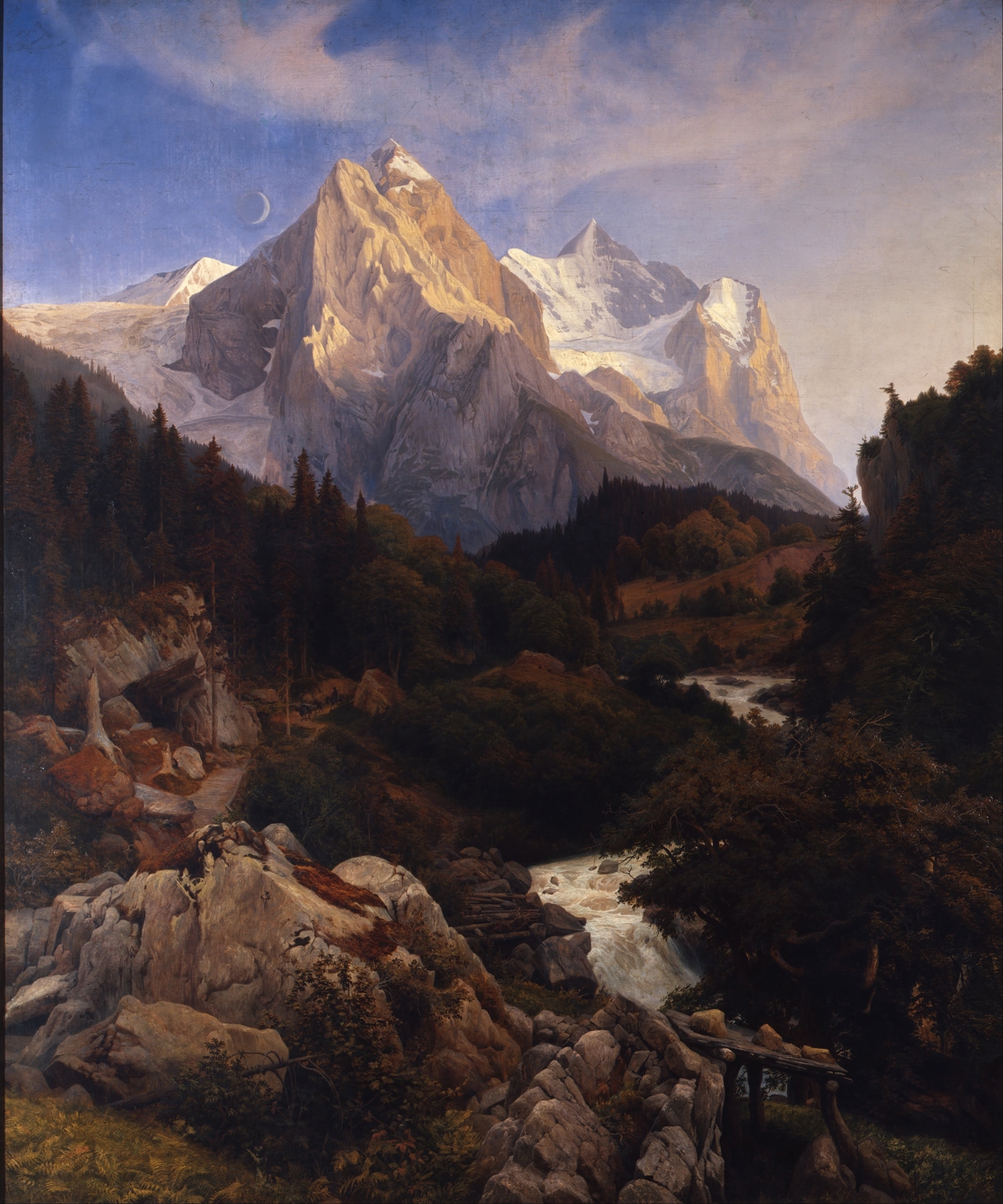
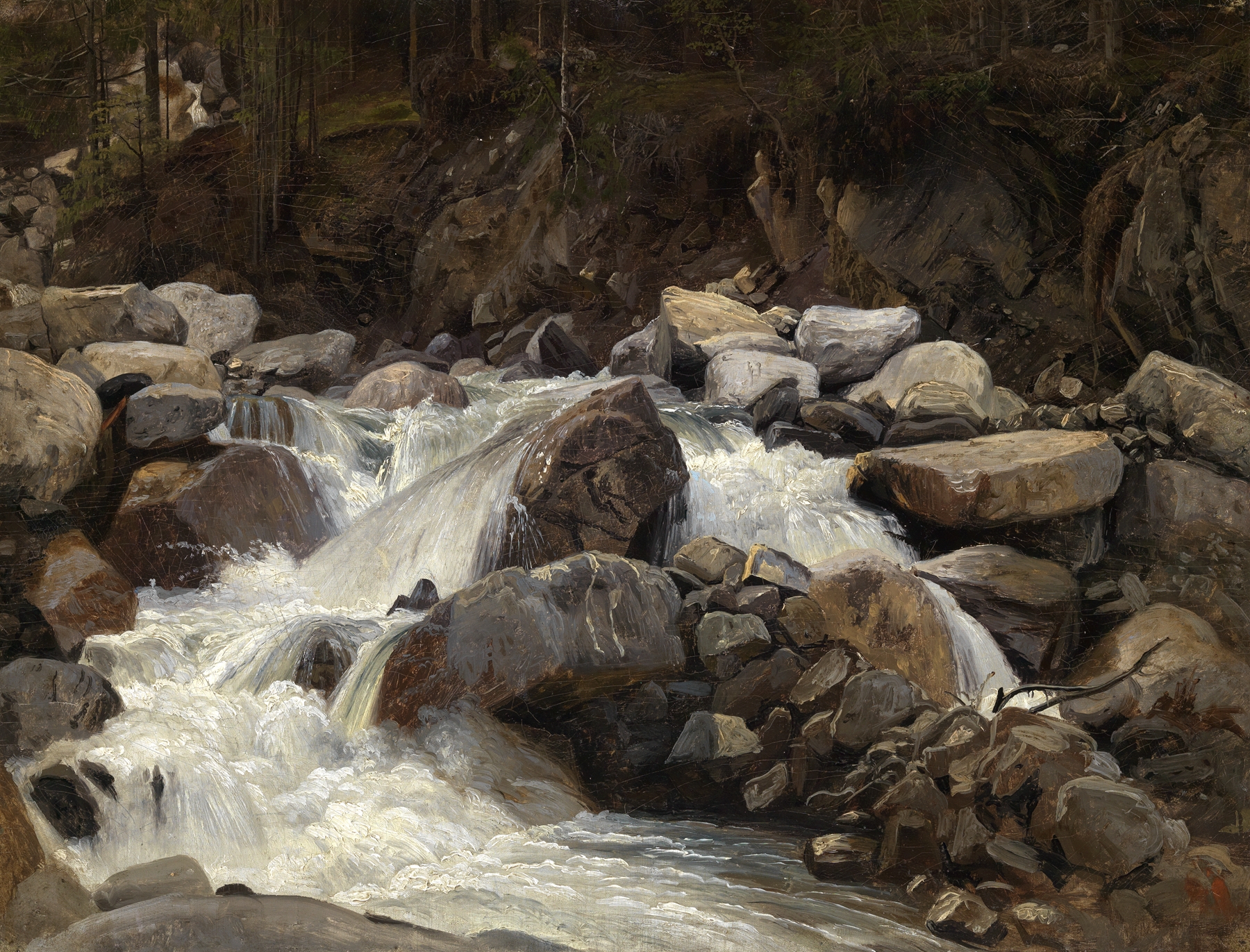
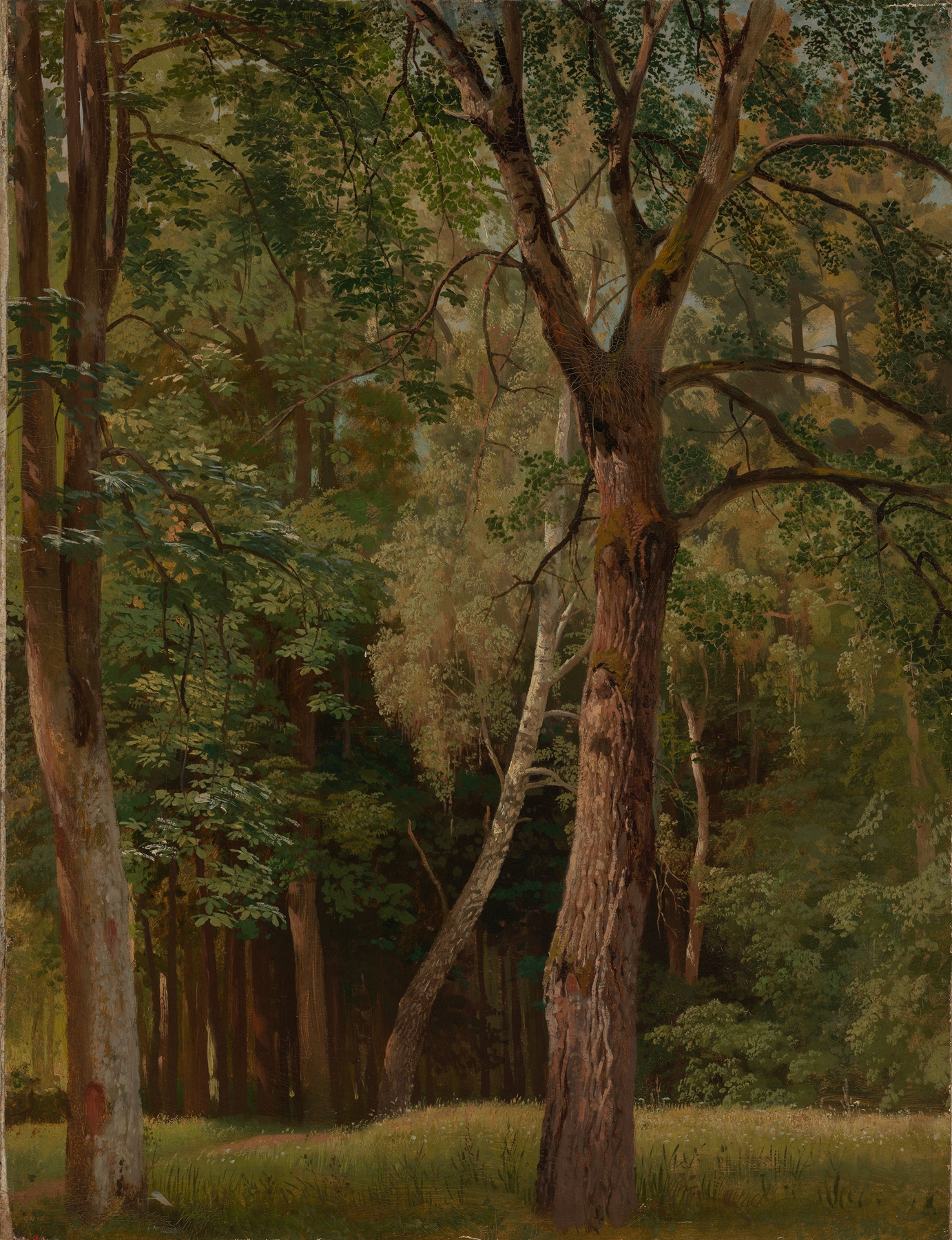
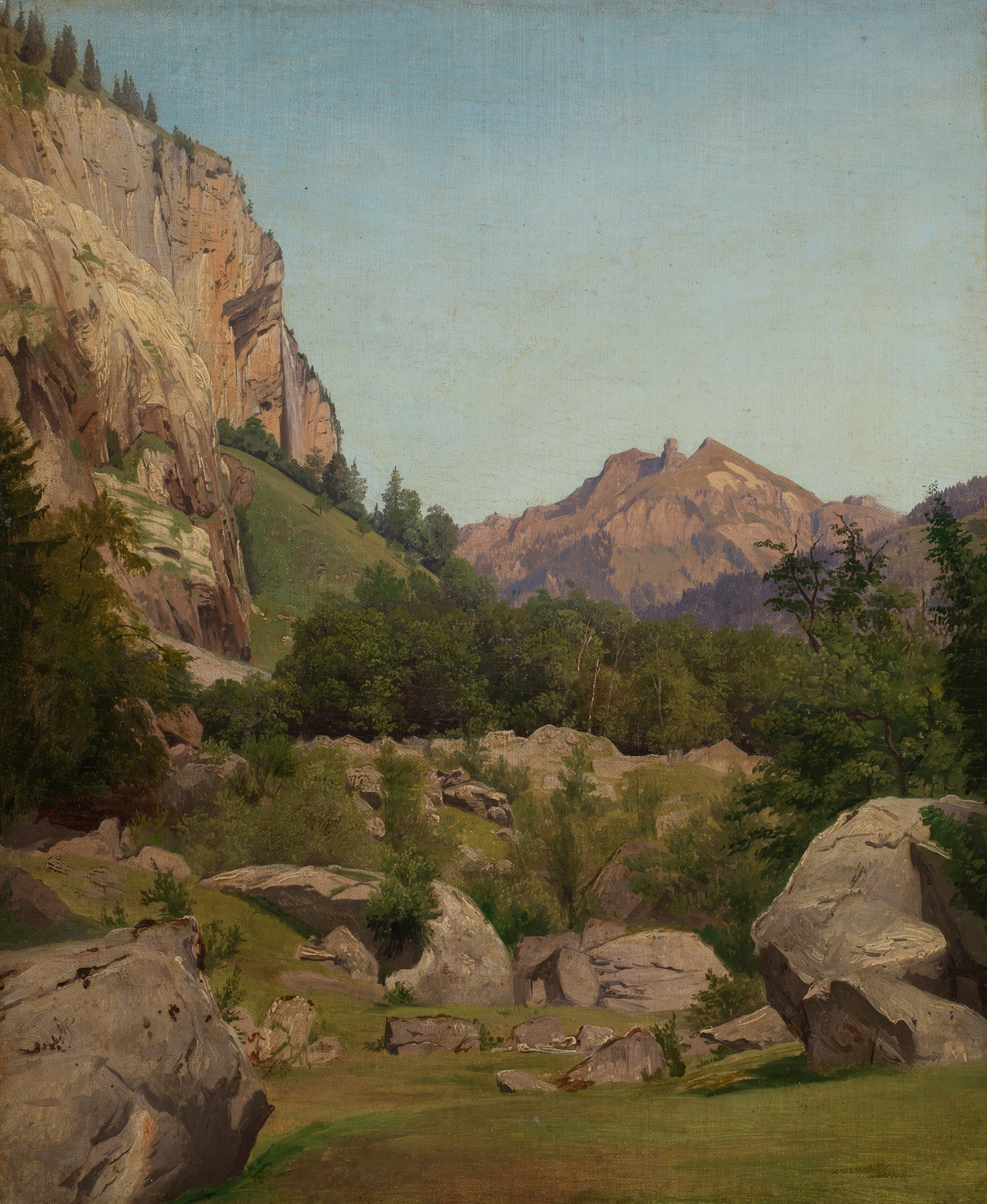
Did the painter know this moment would outlive them? In the stillness of Schweizer Gebirgslandschaft, silence envelops the viewer, inviting a profound contemplation of nature's untouched beauty. Look to the foreground, where a gentle stream glimmers under the soft caress of dawn’s light. Notice the way the artist captures the interplay of shadow and illumination on the rocky terrain, leading your eye toward the majestic mountains that rise in the background.
The palette, dominated by earthy greens and serene blues, creates a sense of harmony, while the meticulous brushstrokes evoke texture, making the mountains appear both formidable and inviting. Delving deeper, one can sense a dialogue between the serene landscape and the looming mountains, symbolizing humanity's place in nature. The tranquility of the stream contrasts with the imposing peaks, suggesting a balance between fragility and strength. The silence captured within the canvas offers a moment of introspection, encouraging viewers to reflect on the transience of existence against the permanence of the natural world.
Johann Wilhelm Schirmer painted this evocative landscape before 1837, during a period of burgeoning Romanticism in Europe, where artists sought to express the sublime beauty of nature. He was deeply influenced by the Swiss scenery surrounding him, which inspired a connection between nature and the emotional responses it elicited. At this time, the art world was grappling with the rising conflicts of modernity, making the serene portrayal of the landscape all the more poignant.