Sculptuur met Gigantomachie, Vaticaan — History & Analysis
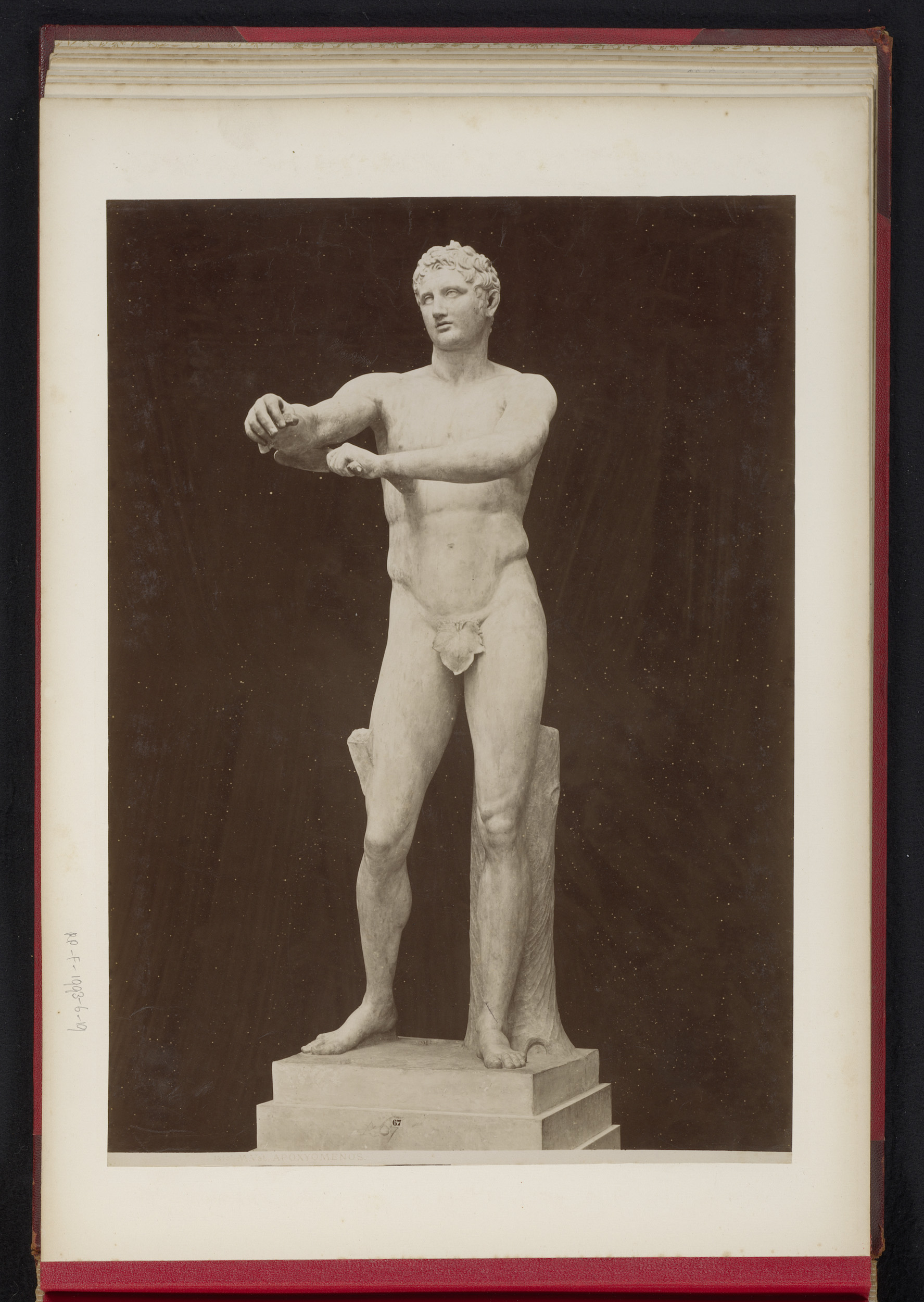
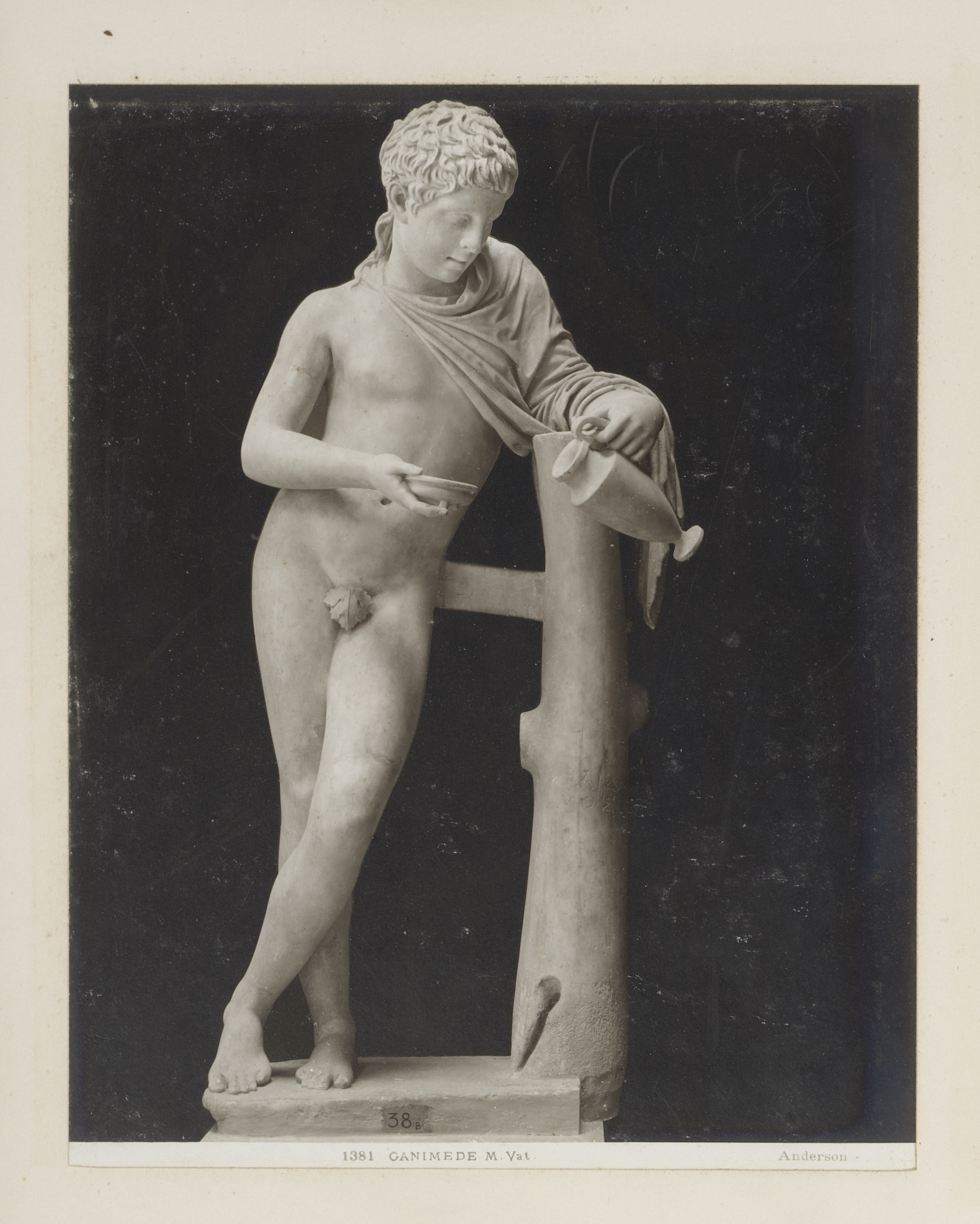
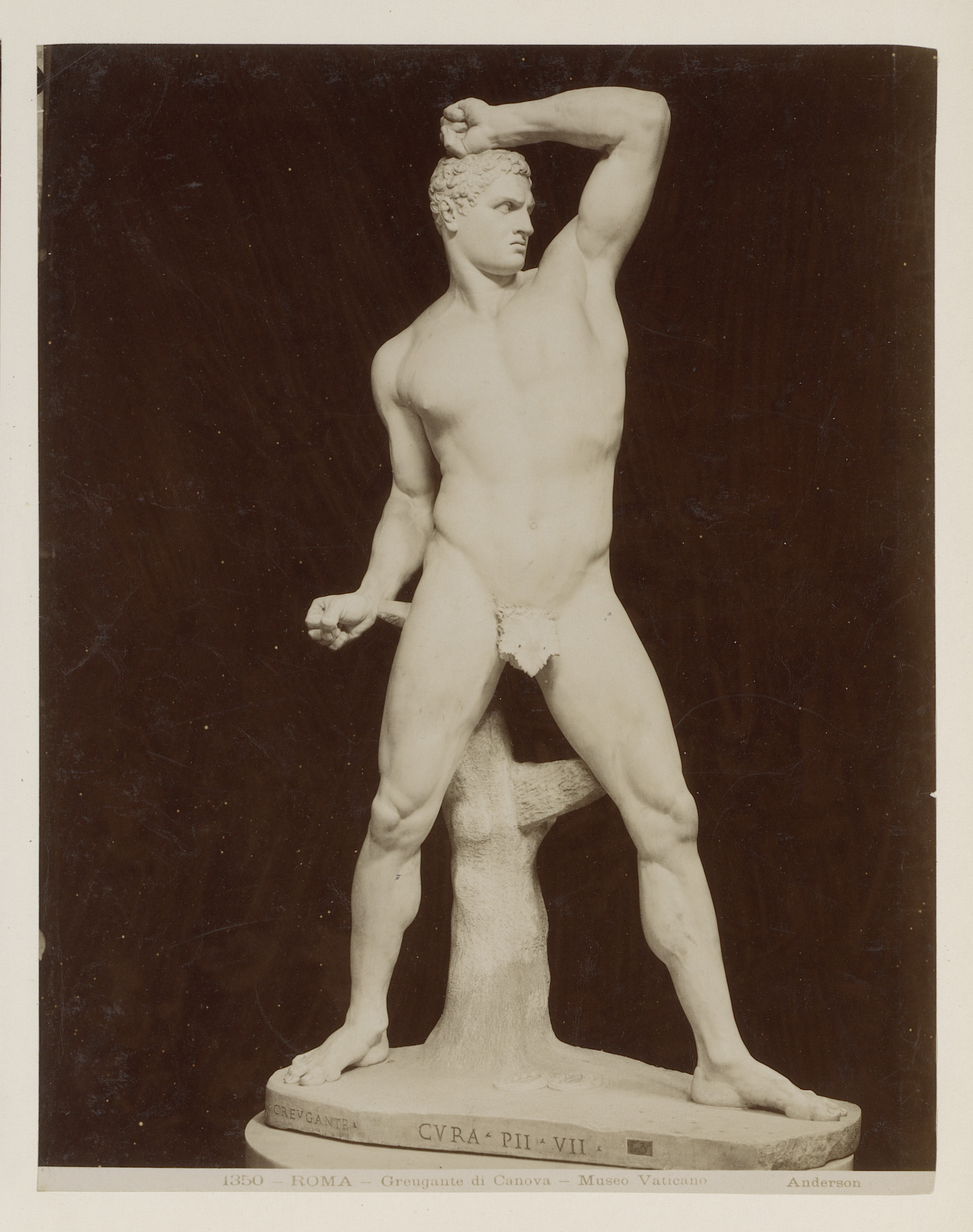
What if silence could speak through light? The quiet whispers of rebirth resonate in every corner of this remarkable sculptural work, inviting the viewer to contemplate the delicate interplay between form and feeling. Look closely at the detailed figures, each carved with precision that evokes a sense of urgency and yet, strangely, tranquility. Notice how the light casts soft shadows across the powerful limbs of the heroes and titans, accentuating their struggle and strength.
The contrast of dark and light highlights the tension of their battle, yet there is a harmonious balance found in their surrounding space, compelling one to explore the full narrative embedded within the stone. Beneath the surface of this scene lies a profound commentary on the cycle of life, death, and rebirth. The titans, representing chaos and destruction, face the decisive force of the gods, symbolizing order and renewal. This duality captures an eternal struggle, suggesting that even amidst conflict, there lies the promise of revival.
The motion and stillness coalesce, reminding us that every ending is, in essence, a new beginning. James Anderson created this striking work in the mid-19th century, a period when the art world was grappling with the tensions of modernity and tradition. Working in the Vatican, he was influenced by the neoclassical ideals of his predecessors while also embracing emerging themes of Romanticism. This juxtaposition reflects his personal journey as an artist striving to encapsulate the complexities of human experience in a rapidly changing world.