Sculptuur van Atalanta, Vaticaan — History & Analysis
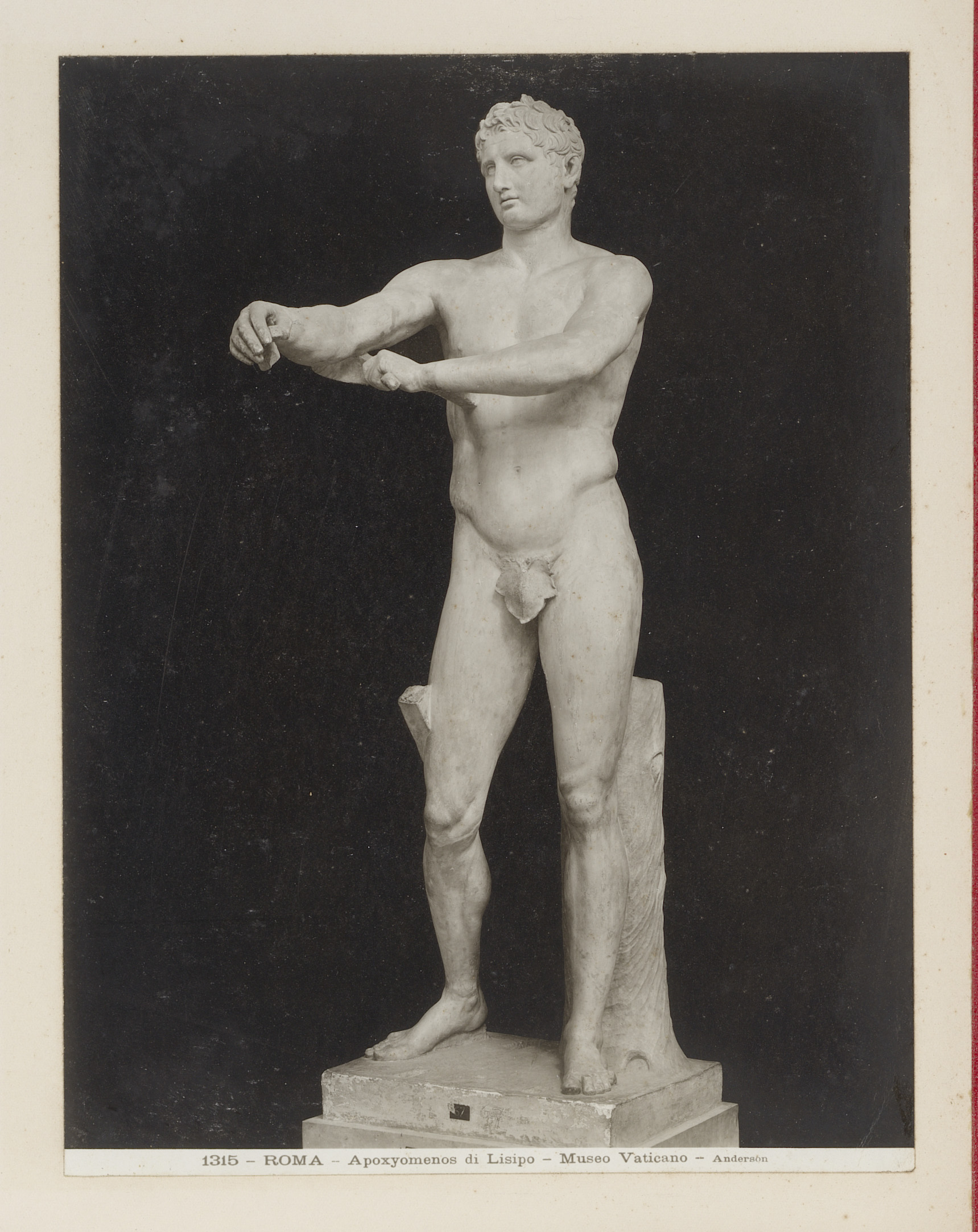
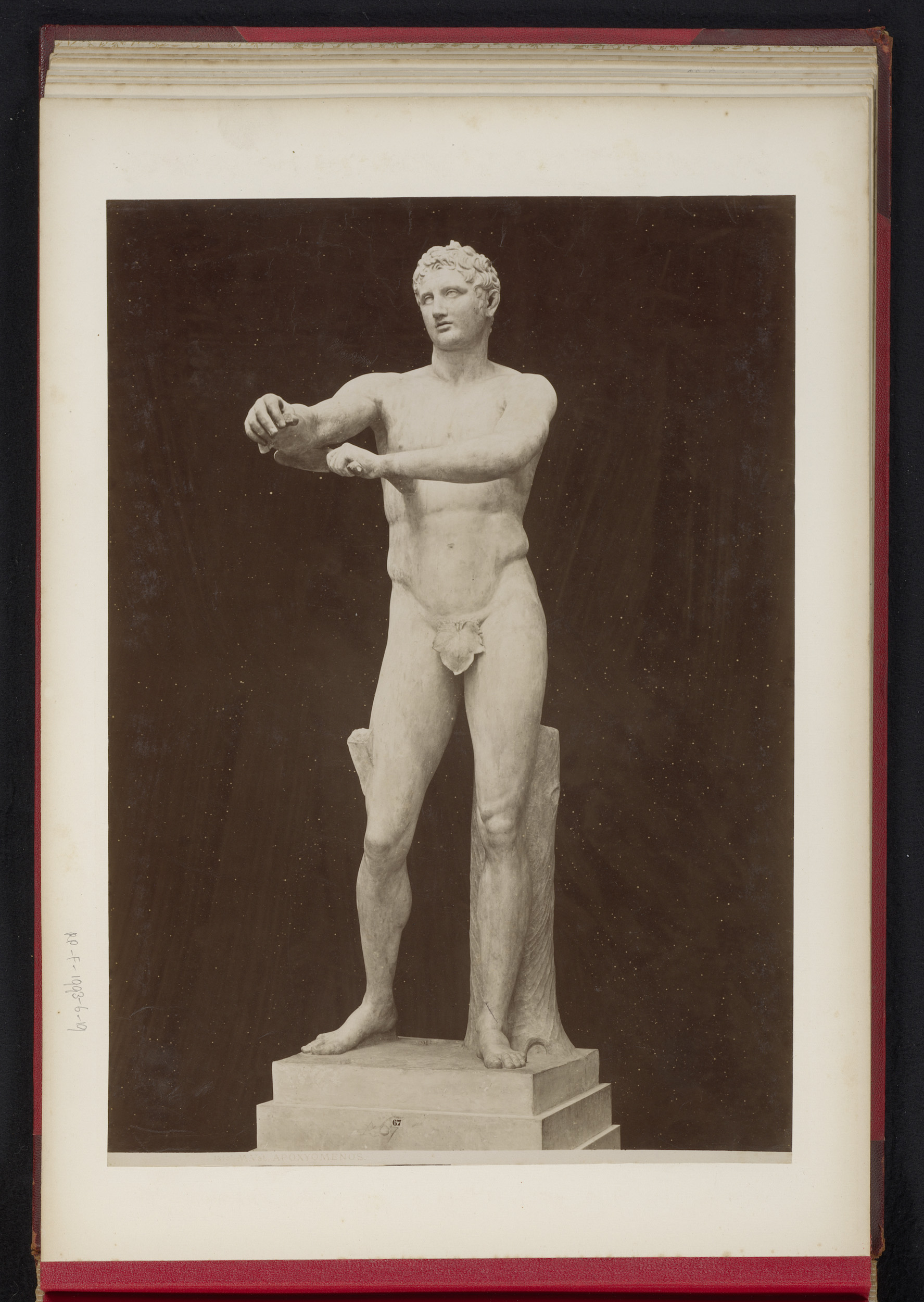
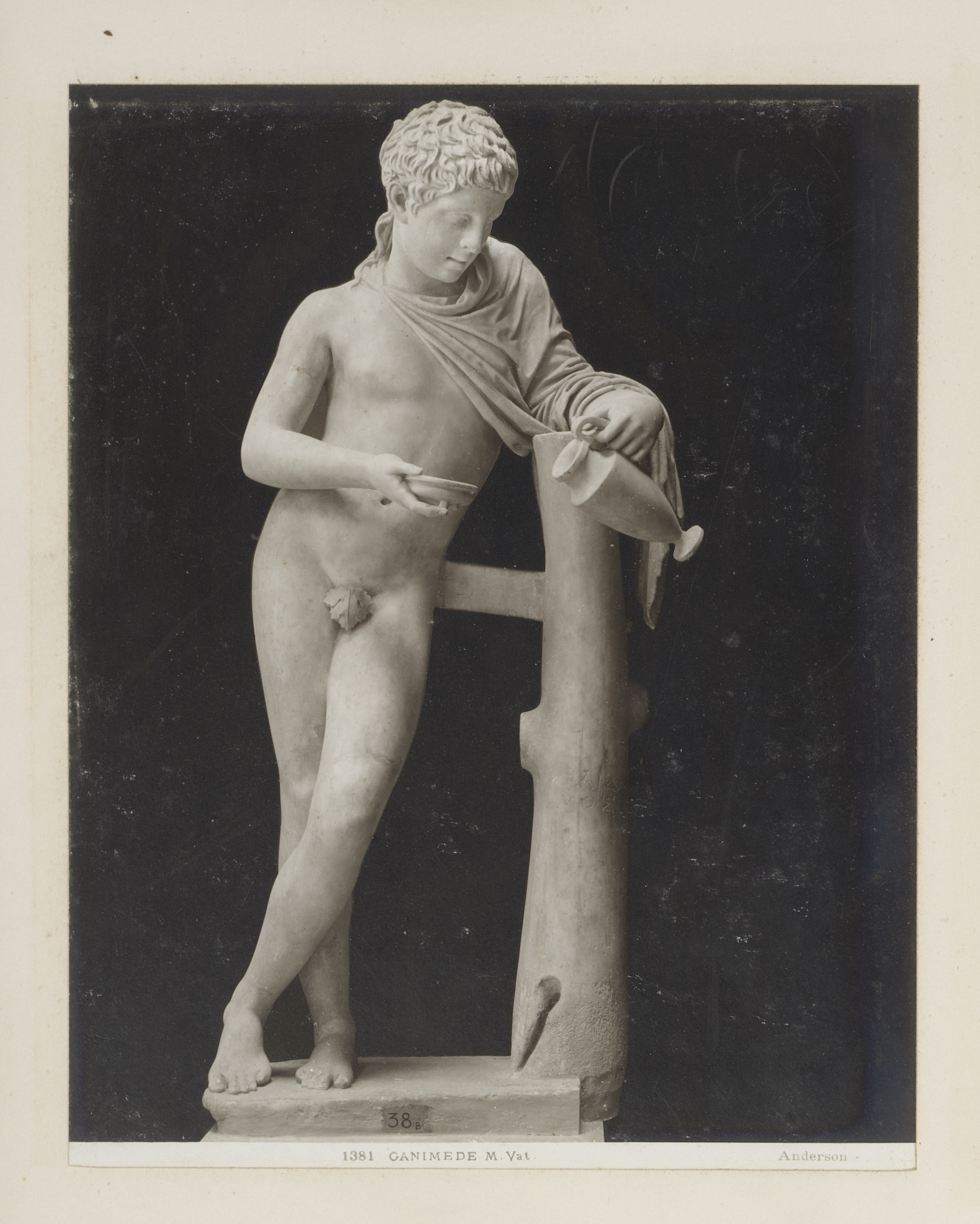
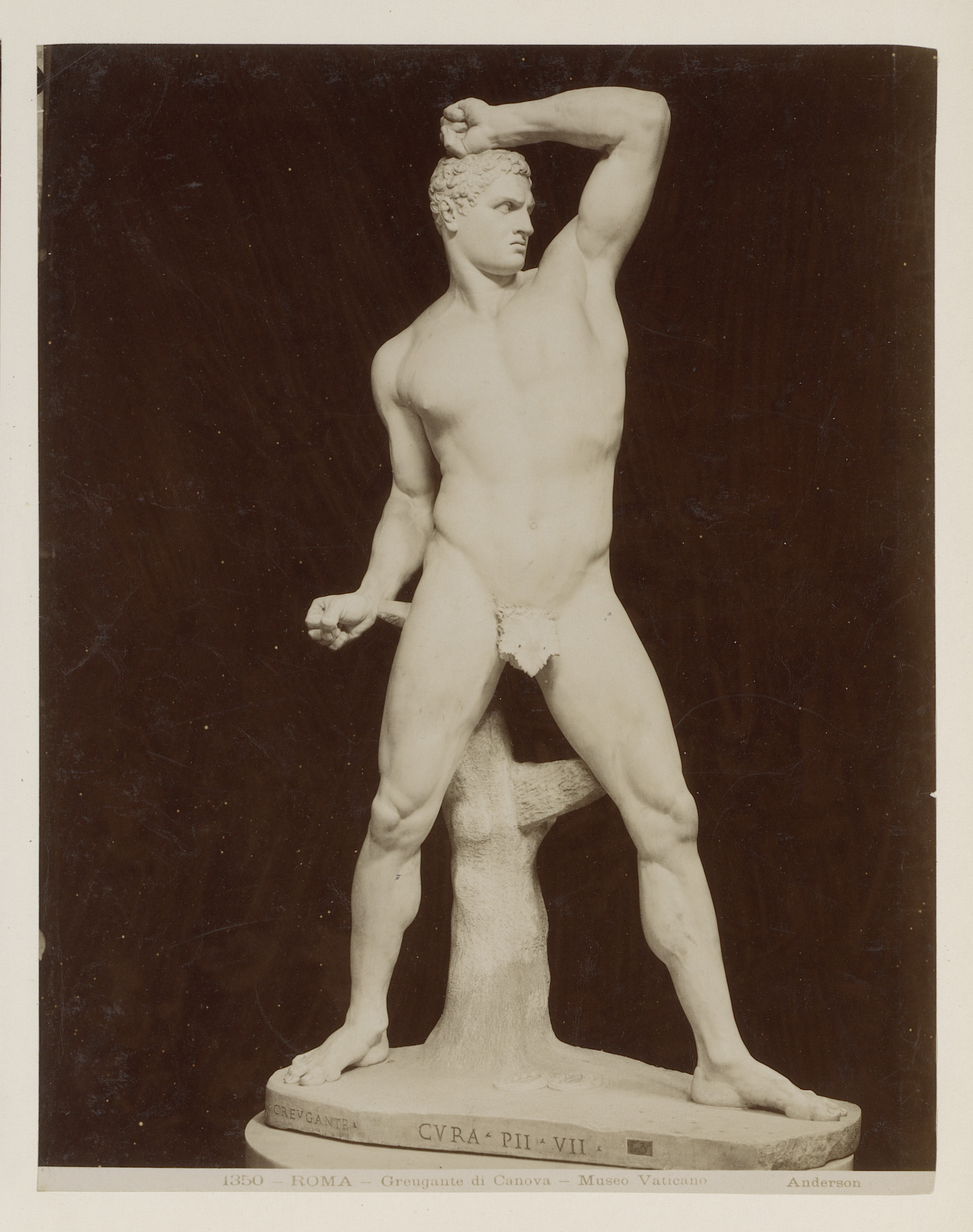
“Art reveals the soul when the world turns away.” In an age where moments are fleeting, sculptures stand as timeless witnesses, capturing the essence of human experience and emotion across epochs. Look closely at the intricate details of the figure, emphasizing the fluidity of Atalanta’s form. Notice how the artist masterfully carves the drapery, with each fold and curve accentuating movement and grace. The play of light upon the marble surface, particularly on her outstretched arm, invites you to explore the tension between stillness and action, creating a dynamic focal point that draws the eye and elevates the spirit.
The sculpture encapsulates more than physical beauty; it embodies the eternal struggle between ambition and restraint. Atalanta, poised mid-stride, symbolizes both the pursuit of glory and the sacrifices made along the way. Her expression, a delicate balance of determination and vulnerability, whispers of the dreams that bind us to the passage of time and the choices we face in life. Each detail, from her fierce gaze to the relaxed tension in her limbs, reveals layers of narrative that resonate with humanity’s plight.
During the creation of this piece, the artist worked in the mid-19th century, a period marked by a growing interest in classical themes and techniques. Residing in Italy, he was enveloped in a milieu of Romanticism and Neoclassicism, where artists sought to breathe new life into ancient myths and legends. This artistic revival coincided with personal and societal shifts, providing a rich background against which Sculptuur van Atalanta emerged, reflecting both a deep reverence for tradition and a yearning for modern expression.