Sculptuur van Damoxenos, Vaticaan — History & Analysis
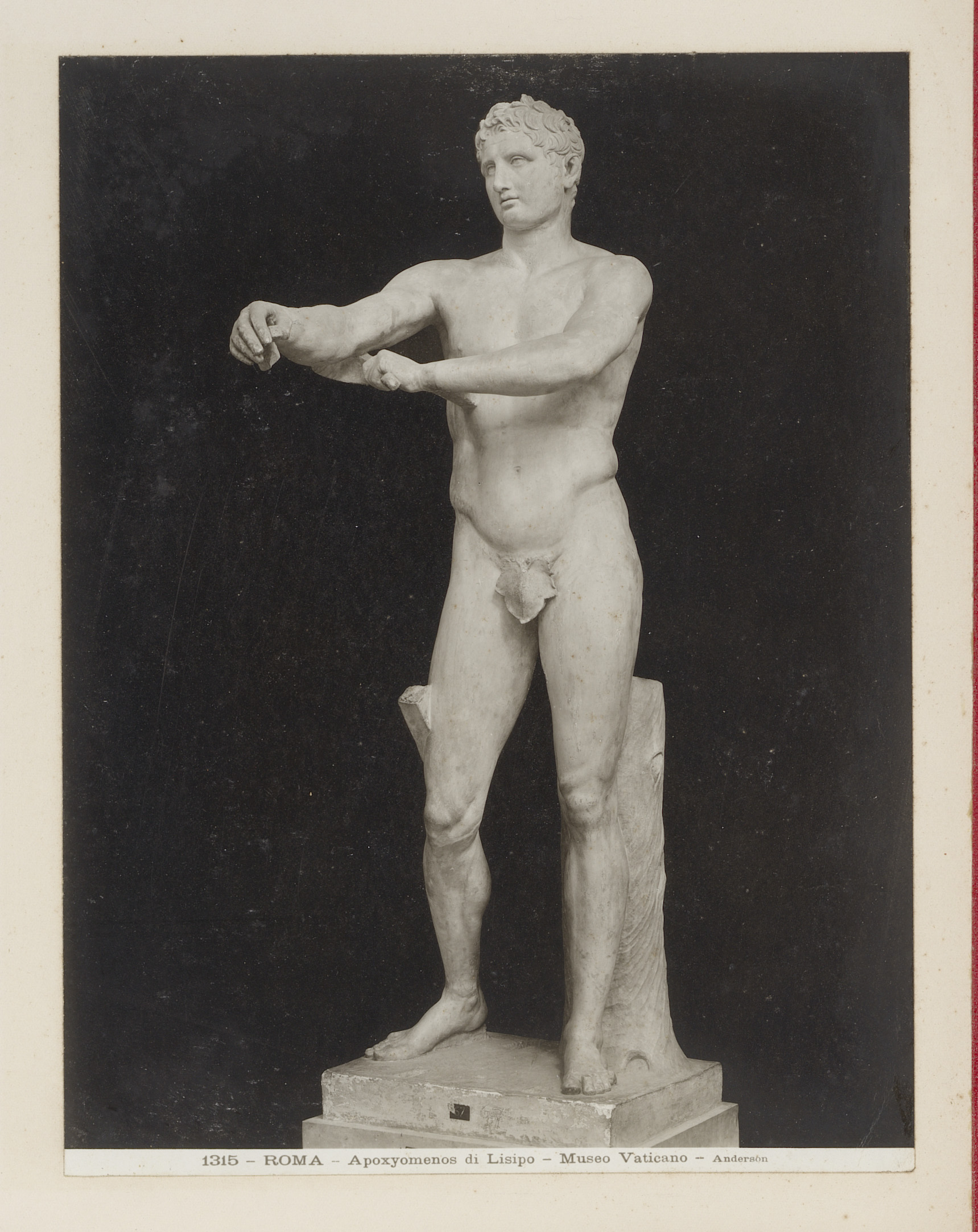
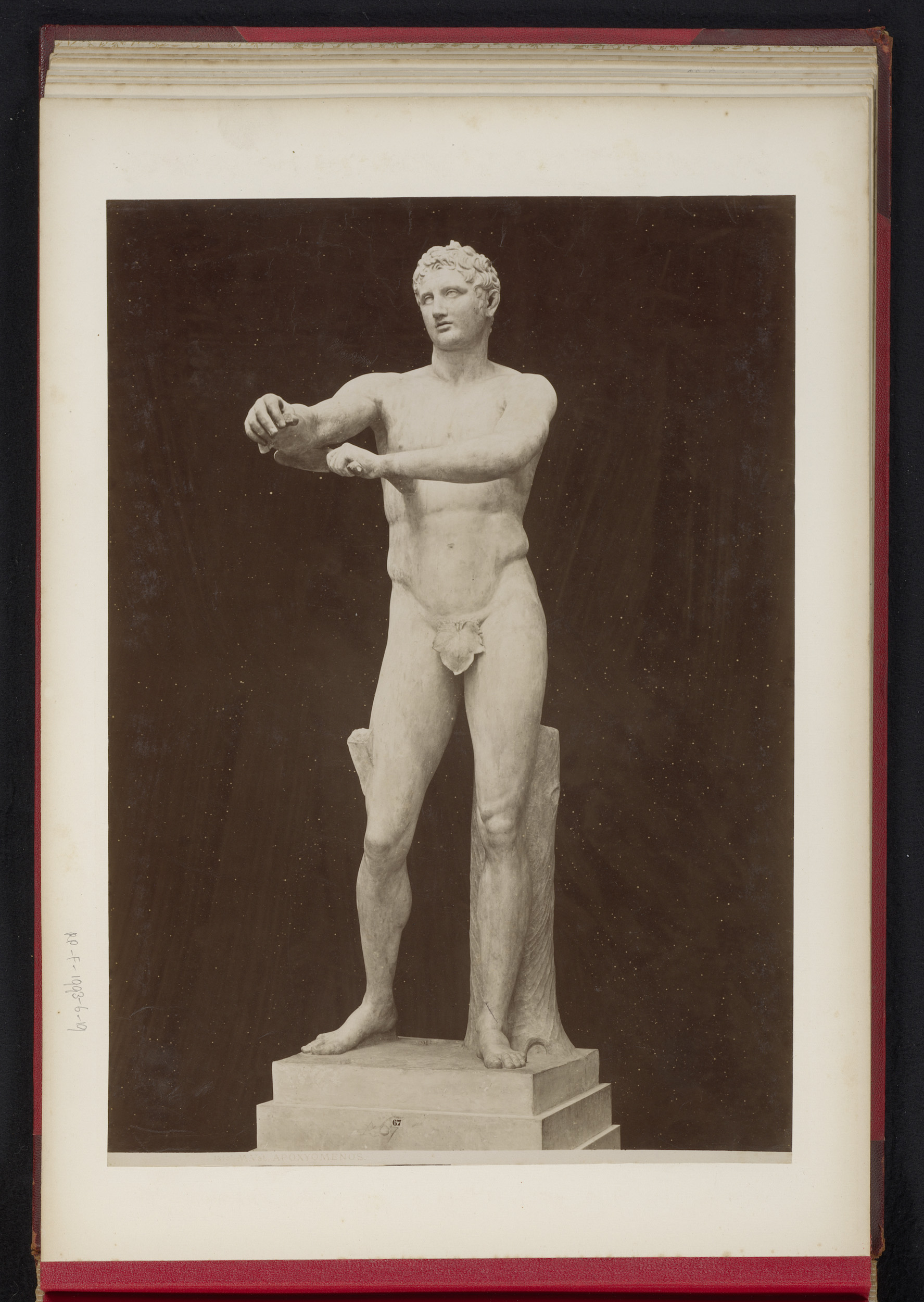
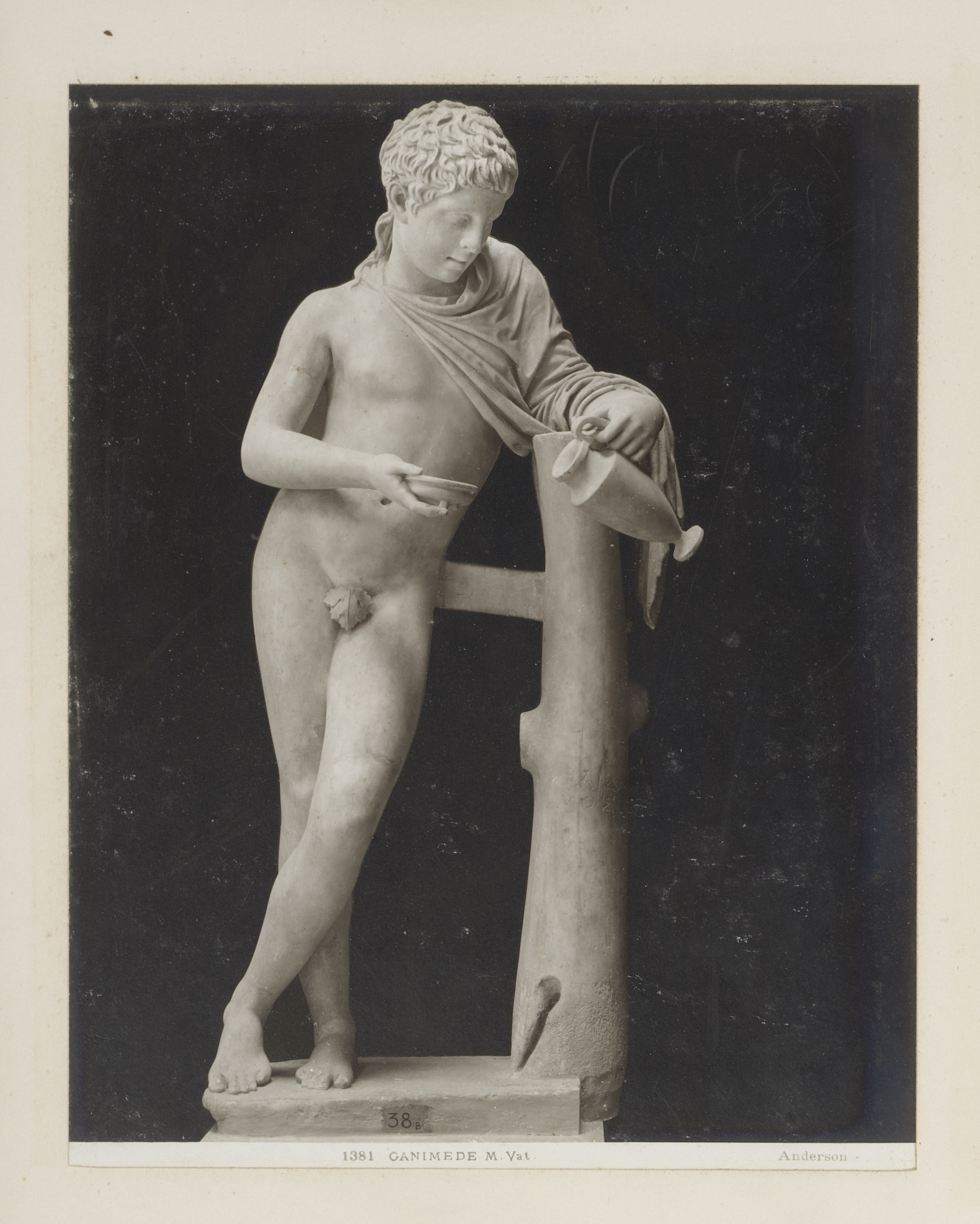
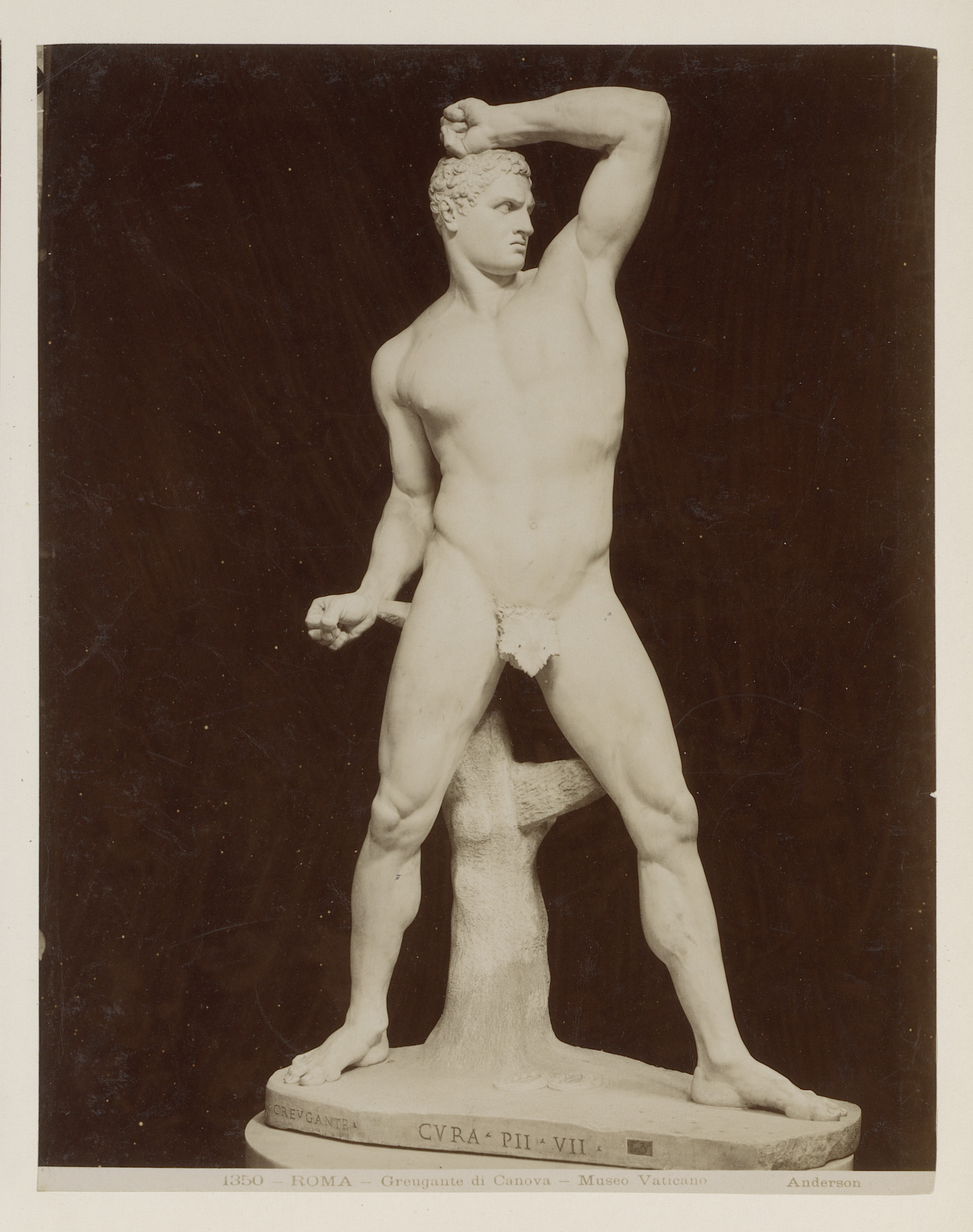
Could a single brushstroke hold eternity? In Sculptuur van Damoxenos, the essence of time is captured in the delicate interplay of light and shadow, weaving through the intricate details of the sculpture. Each curve and line tells a story that transcends mere existence, beckoning the viewer to ponder the permanence of artistic expression. Focus first on the figure of Damoxenos, where the contours of the marble reveal a masterful hand. Notice how the artist employs a soft palette of whites and greys, allowing light to dance across the surface and accentuate the depth of each feature.
The meticulous attention to detail draws the eye toward the lifelike expression, evoking both strength and vulnerability. The careful composition invites contemplation, as if the statue itself is caught in a moment of profound introspection. Hidden within the work lie layers of meaning, balancing the weight of history against the fleeting nature of life. The subtle tension between the sharpness of Damoxenos’s features and the smoothness of the surrounding marble speaks to the duality of permanence and transience.
Each crack and imperfection within the stone reflects the passage of time, reminding us that even the most enduring creations are subject to the erosion of years and memories. Created between 1857 and 1875, the artist was immersed in a period of artistic revival, influenced by both classical ideals and contemporary movements. Working in the Vatican, he engaged deeply with the rich history of sculpture, seeking to reconcile traditional craftsmanship with a modern sensibility. This era was marked by a renewed interest in the human form, and the artist's pursuit of beauty and truth resonates powerfully in this remarkable work.