Sculptuur van Hercules als kind met slangen, in de Capitolijnse Musea te Rome — History & Analysis
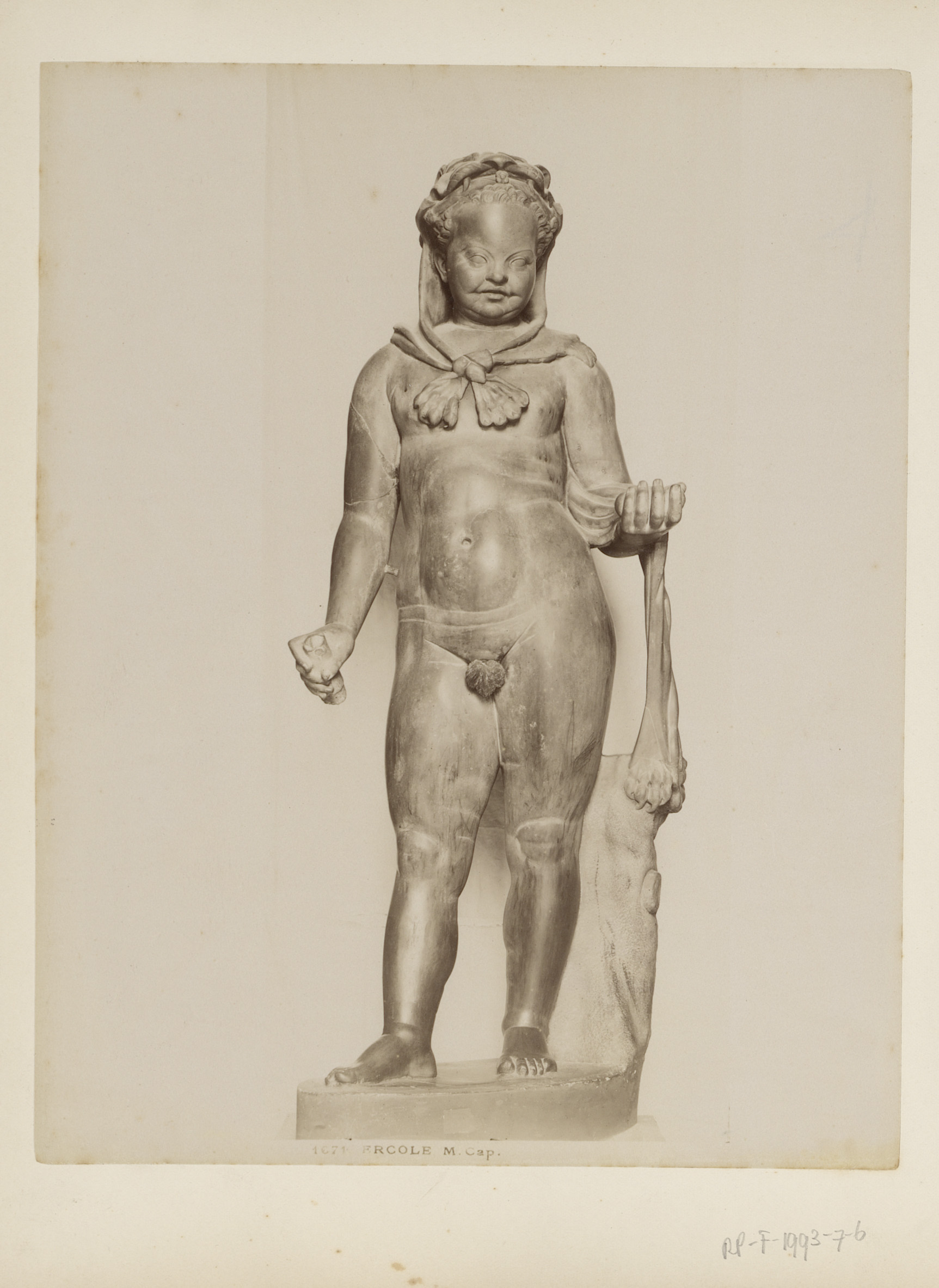
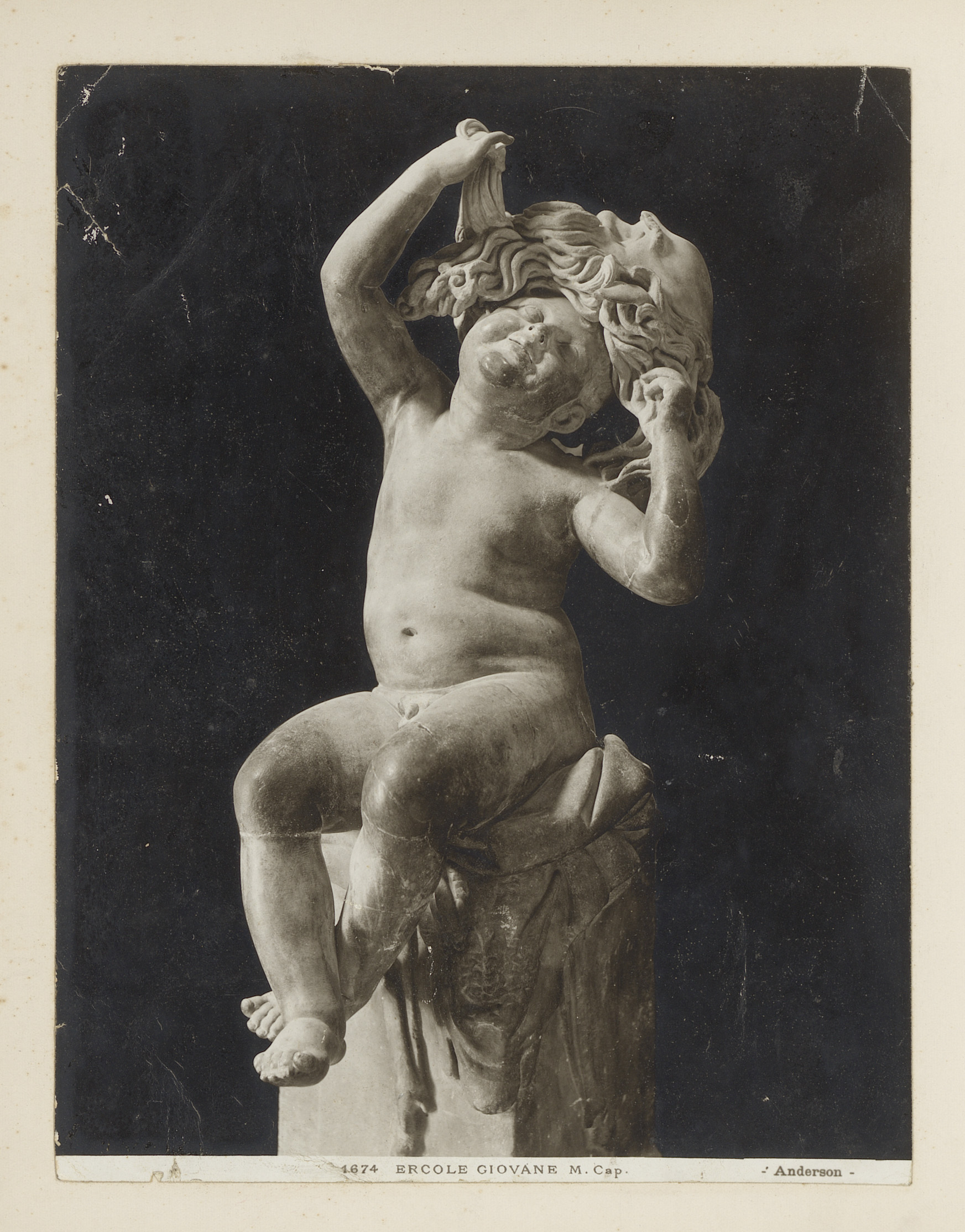
Can paint confess what words never could? In Sculptuur van Hercules als kind met slangen, the essence of legacy lingers in every chiseled feature, urging us to explore the profound nature of heroism and vulnerability. Look to the center of the composition, where a young Hercules grapples with serpents, his youthful frame a stark contrast to the lethal creatures encircling him. The sculptor meticulously captures the tension in the boy's muscles and the fierce determination in his gaze, while the smooth marble gleams under the light, enhancing the drama of the scene.
The surrounding space feels charged, as if time itself has paused to witness this moment of burgeoning strength and impending greatness. Delve deeper into the details: notice the finely crafted scales of the snakes, each curve an echo of the struggle unfolding in the boy's grasp. The juxtaposition of innocence and danger reflects the duality of heroism — it is not merely the triumph of strength, but also a testament to courage in the face of fear. The work speaks to a larger narrative of legacy, suggesting that true greatness often arises from our most vulnerable moments.
James Anderson created this sculpture between 1857 and 1875, during a period marked by a revival of classical themes in art. Working in Rome, he was steeped in the rich history and mythology that permeated the artistic landscape of the time. This piece not only showcases his technical prowess but also resonates with an era that sought to reconcile contemporary identity with timeless ideals of heroism and moral fortitude.