Südfranzösische Landschaft mit kahler Böschung — History & Analysis
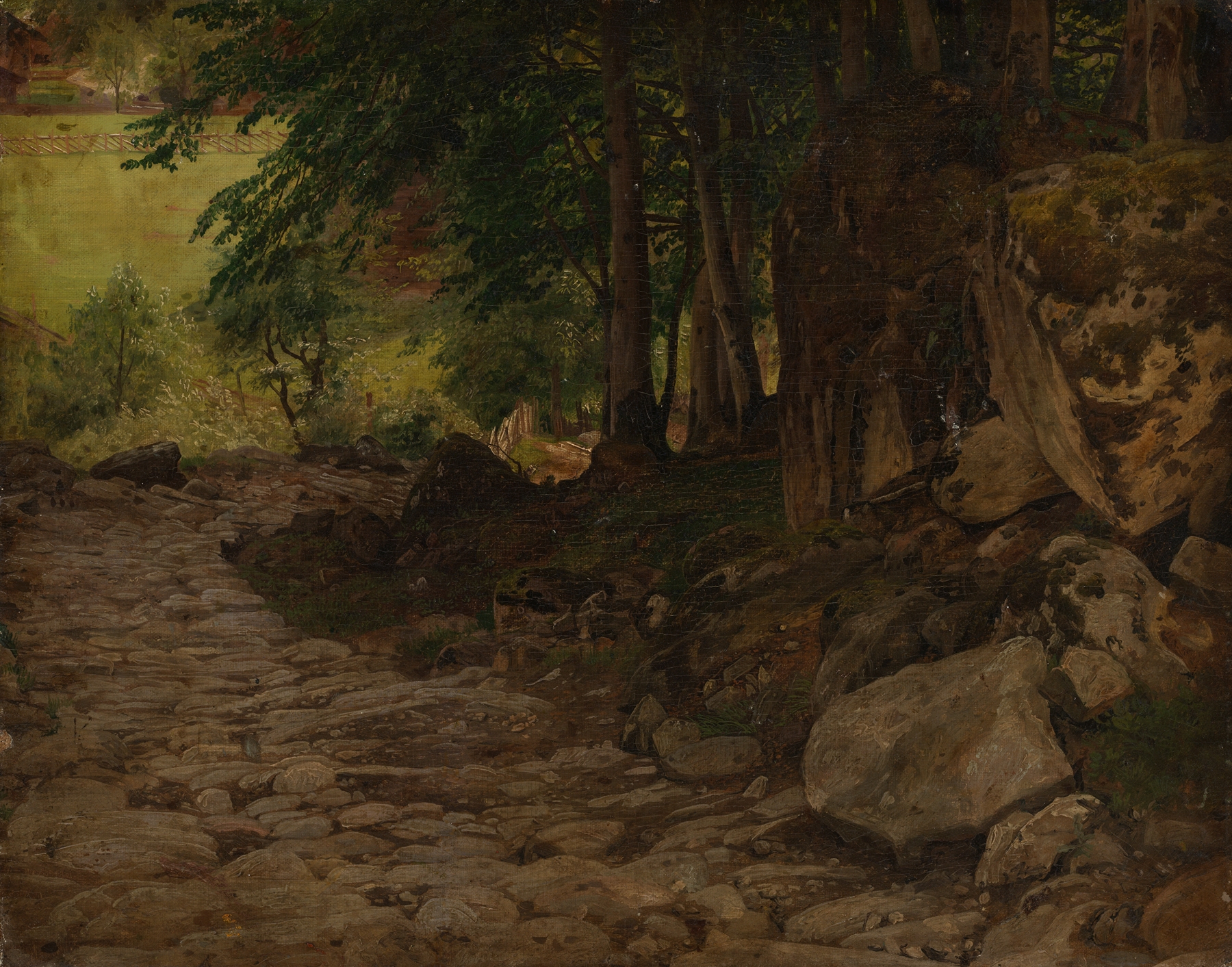
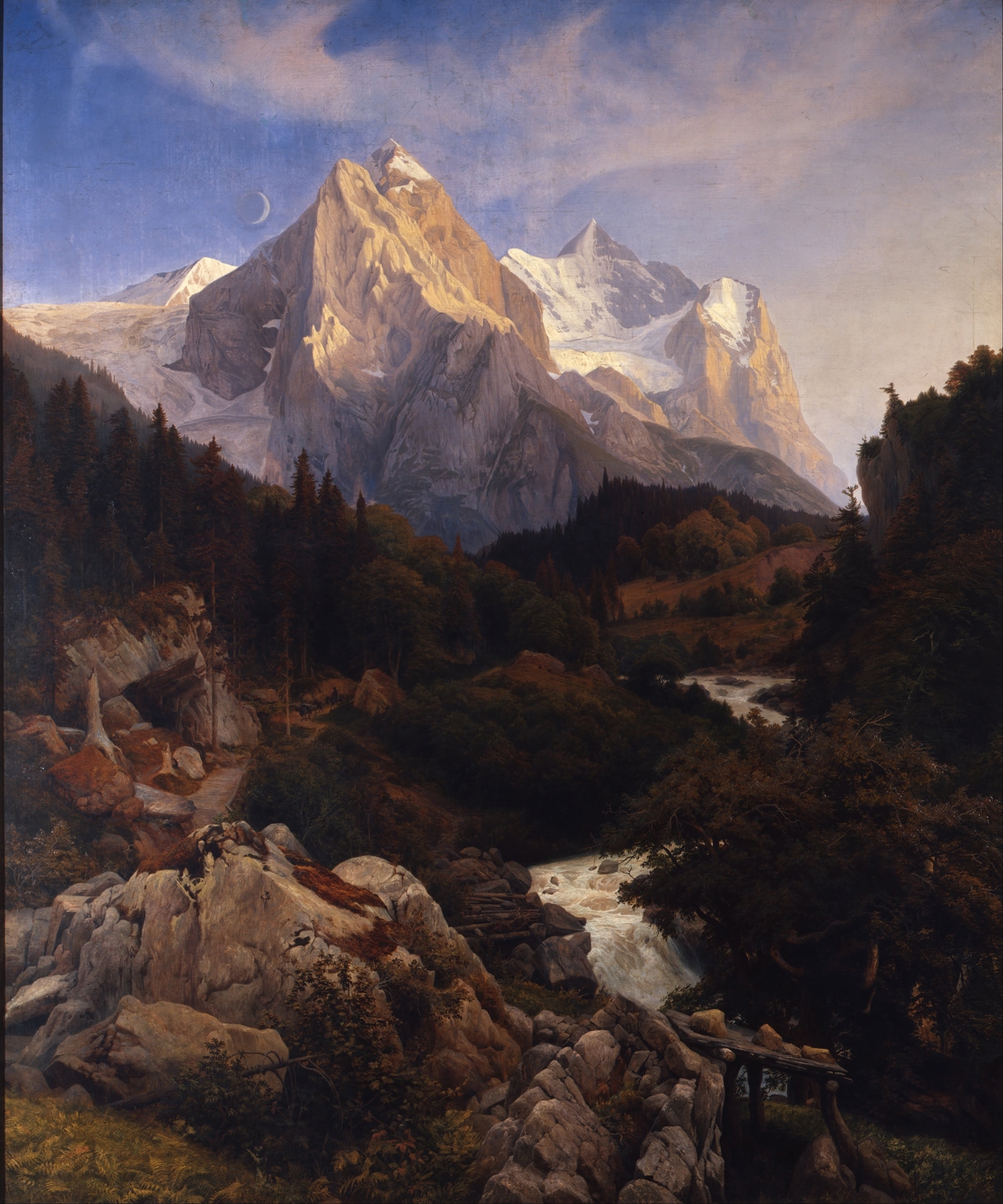
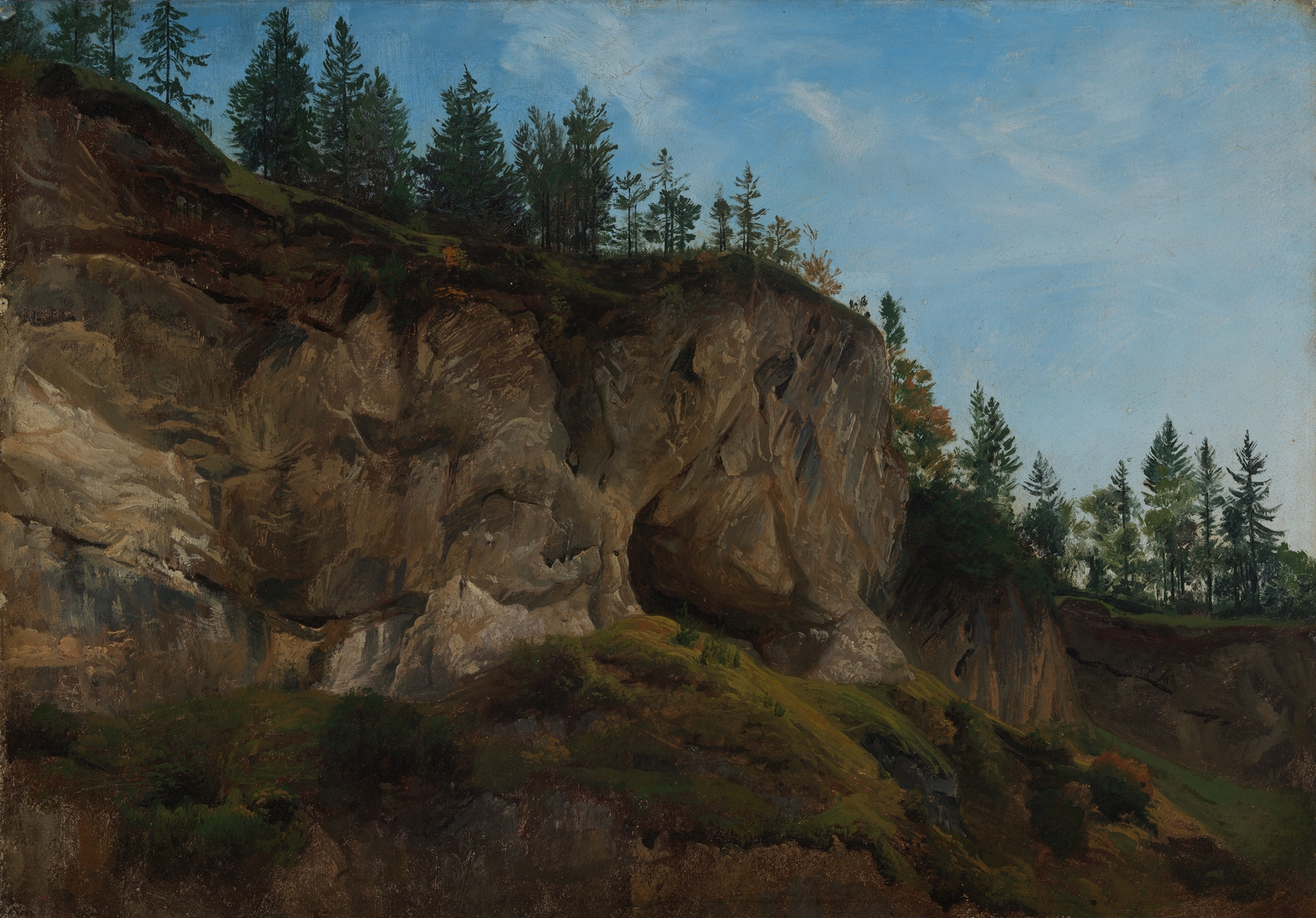
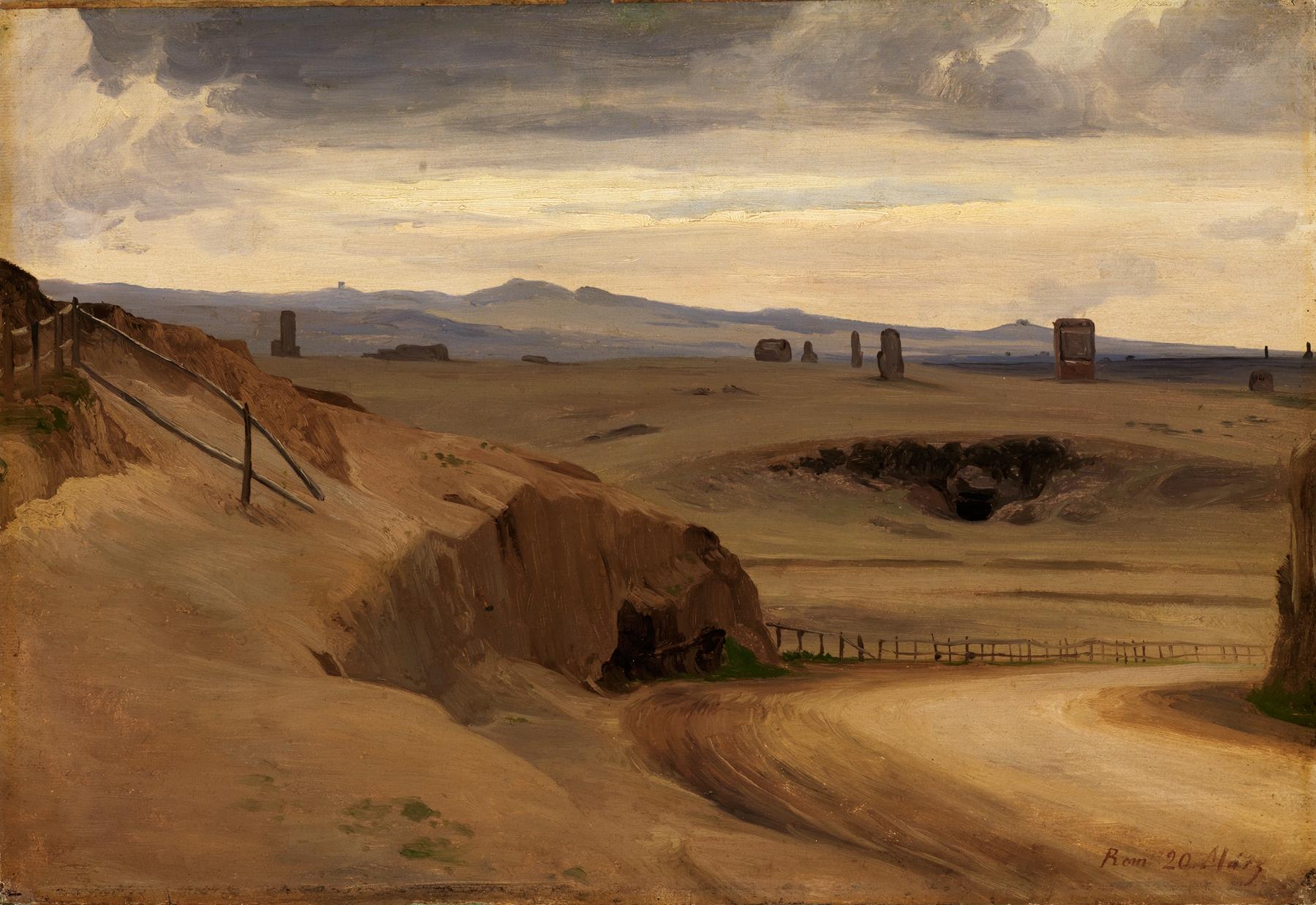
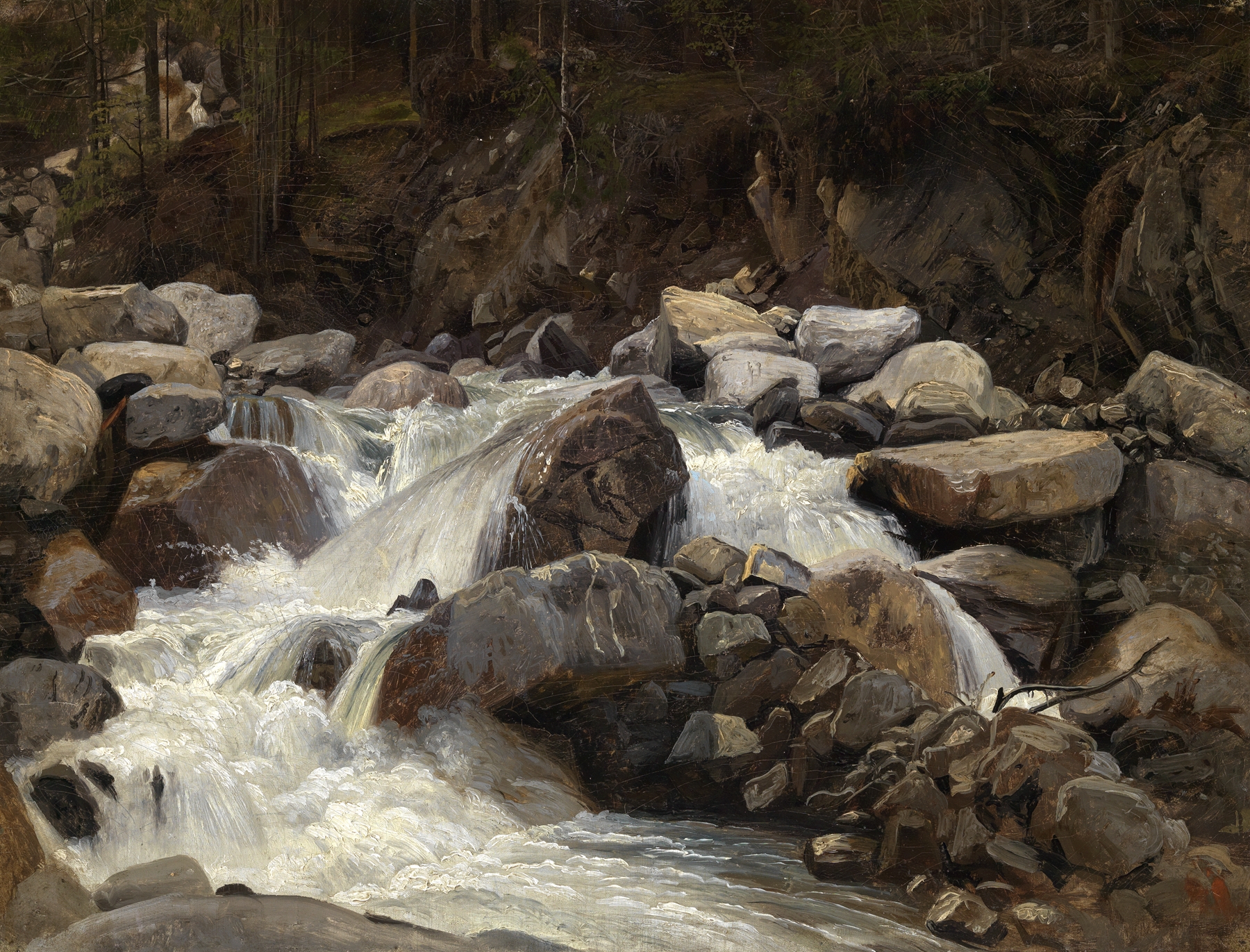
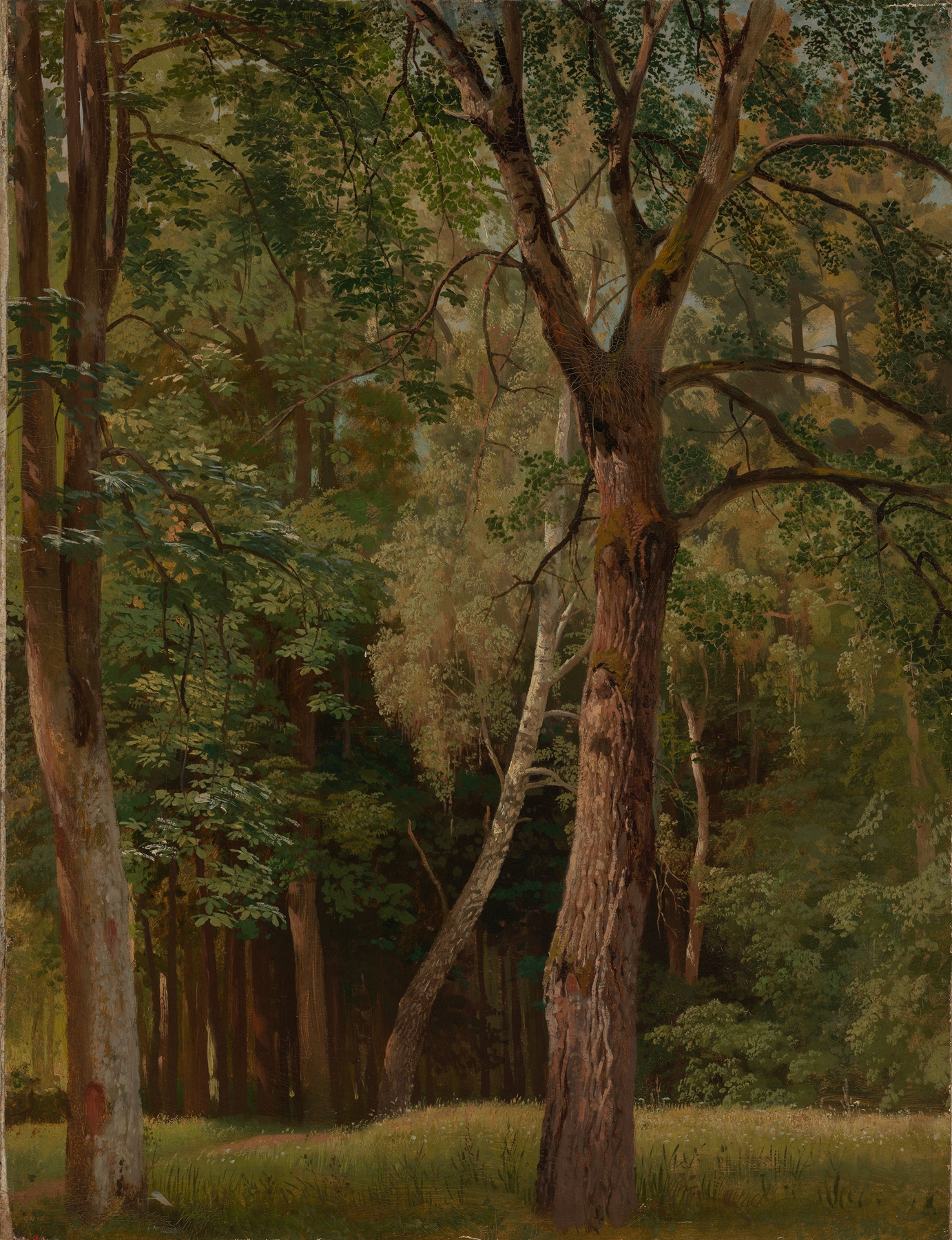
“Every silence here is a confession.” In the stillness of the landscape, transformation breathes life into the mundane, revealing nature's quiet secrets. Focus on the sweeping hills that cascade across the canvas, their muted greens and ochres a testament to both serenity and change. The bare embankment draws your gaze, a stark contrast to the lush foliage beyond it, inviting contemplation on cycles of growth and decay. Notice how the light spills gently over the scene, illuminating the undulating terrain and casting elongated shadows that dance, hinting at the passage of time and the inevitability of evolution.
The contrast between the barren slope and the thriving landscape speaks volumes about resilience and vulnerability. Each brushstroke conveys not just the physicality of the earth but also the emotional weight of transformation, echoing the tension between what is lost and what can emerge anew. Subtle details, like the faint traces of paths or the delicate texture of the underbrush, provide depth—each element contributing to a quiet narrative of change and rebirth.
In the mid-19th century, Schirmer painted this landscape during a time when the Romantic movement in art was reaching its zenith, emphasizing the sublime qualities of nature. He was influenced by the changing perceptions of the natural world, as artists began to explore the interplay between emotion and environment. At this period, Schirmer was establishing himself as a prominent landscape painter in Germany, capturing not just the physical beauty of his subjects but also their deeper emotional resonance.