Settlement At Dawn — History & Analysis
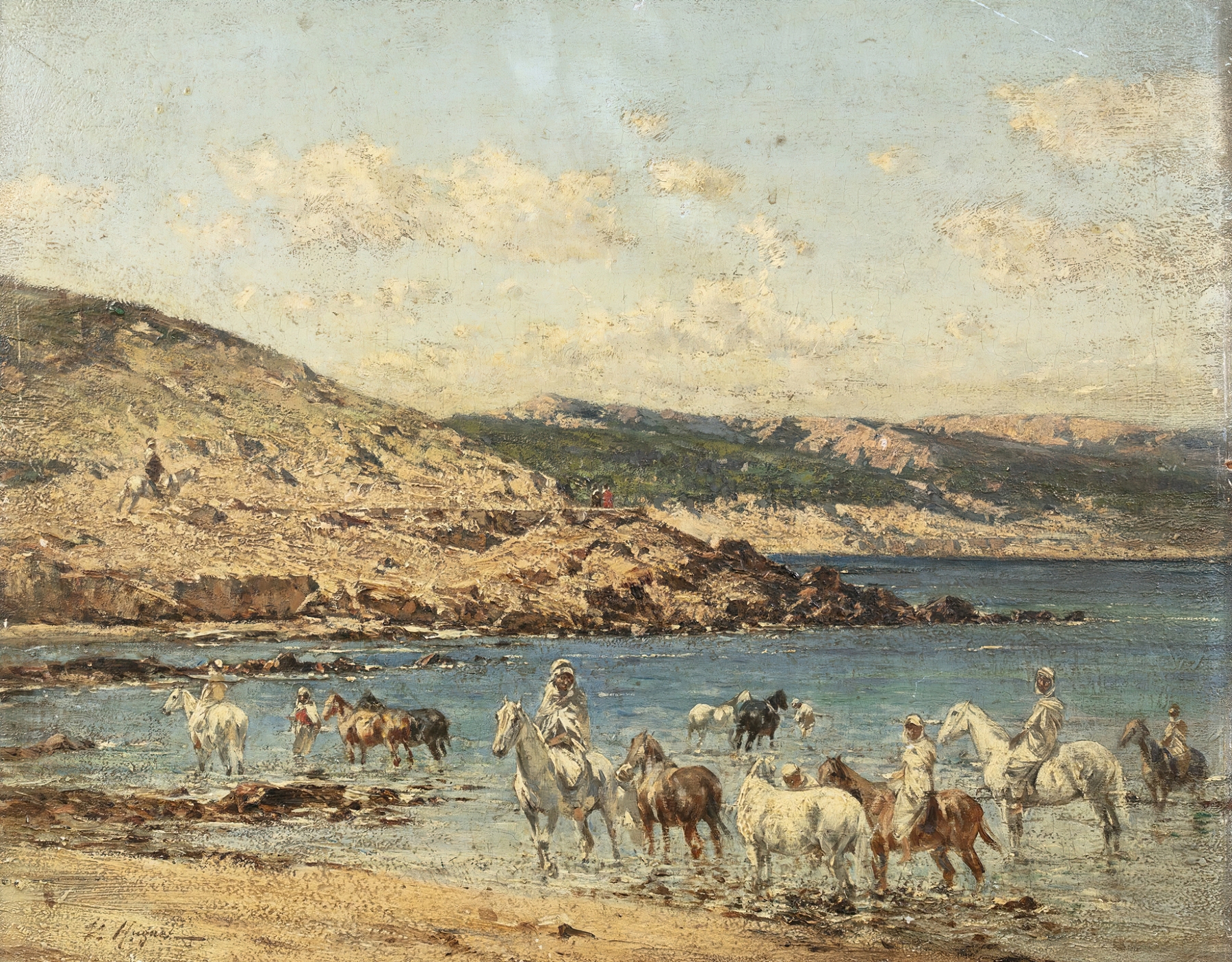
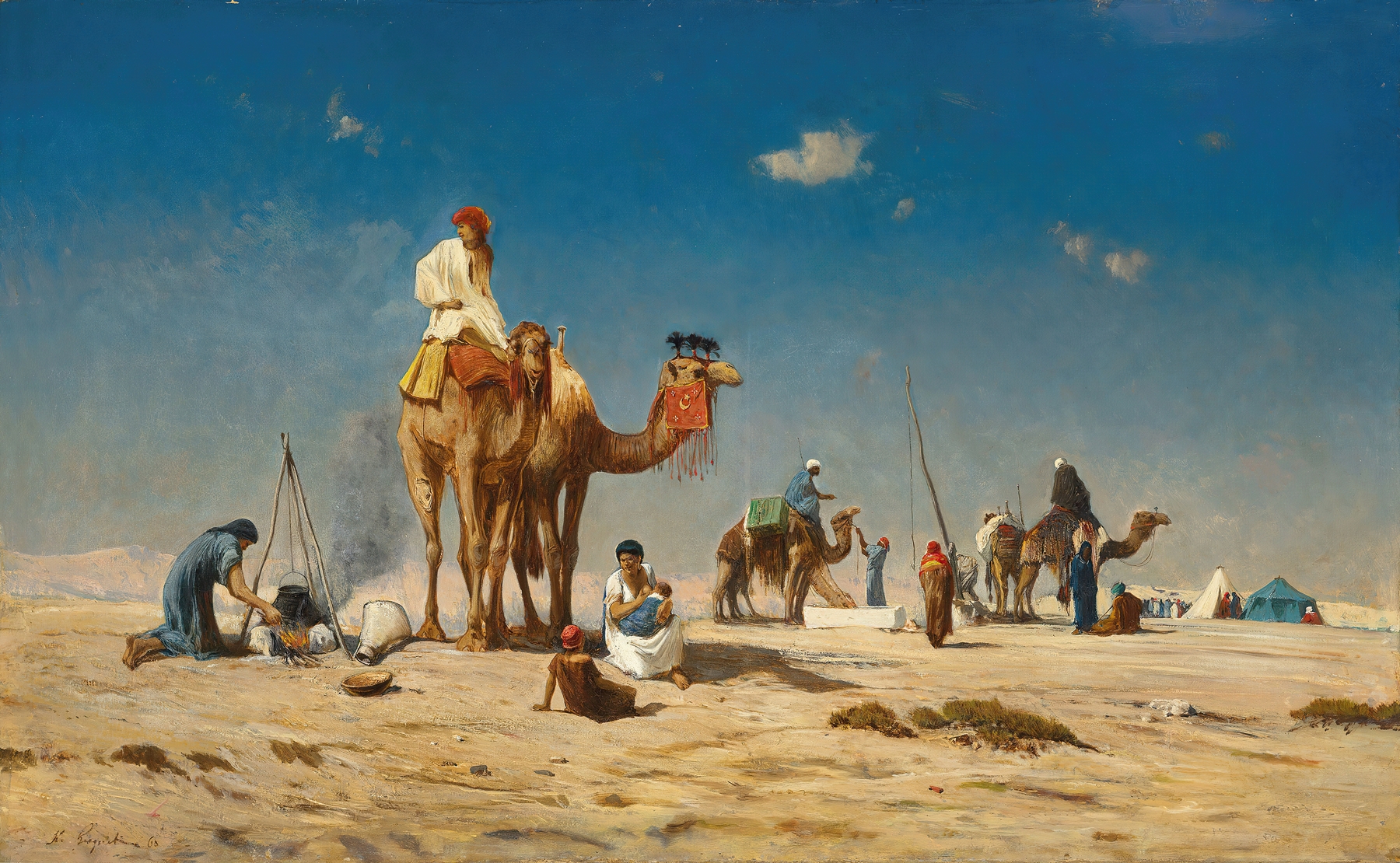
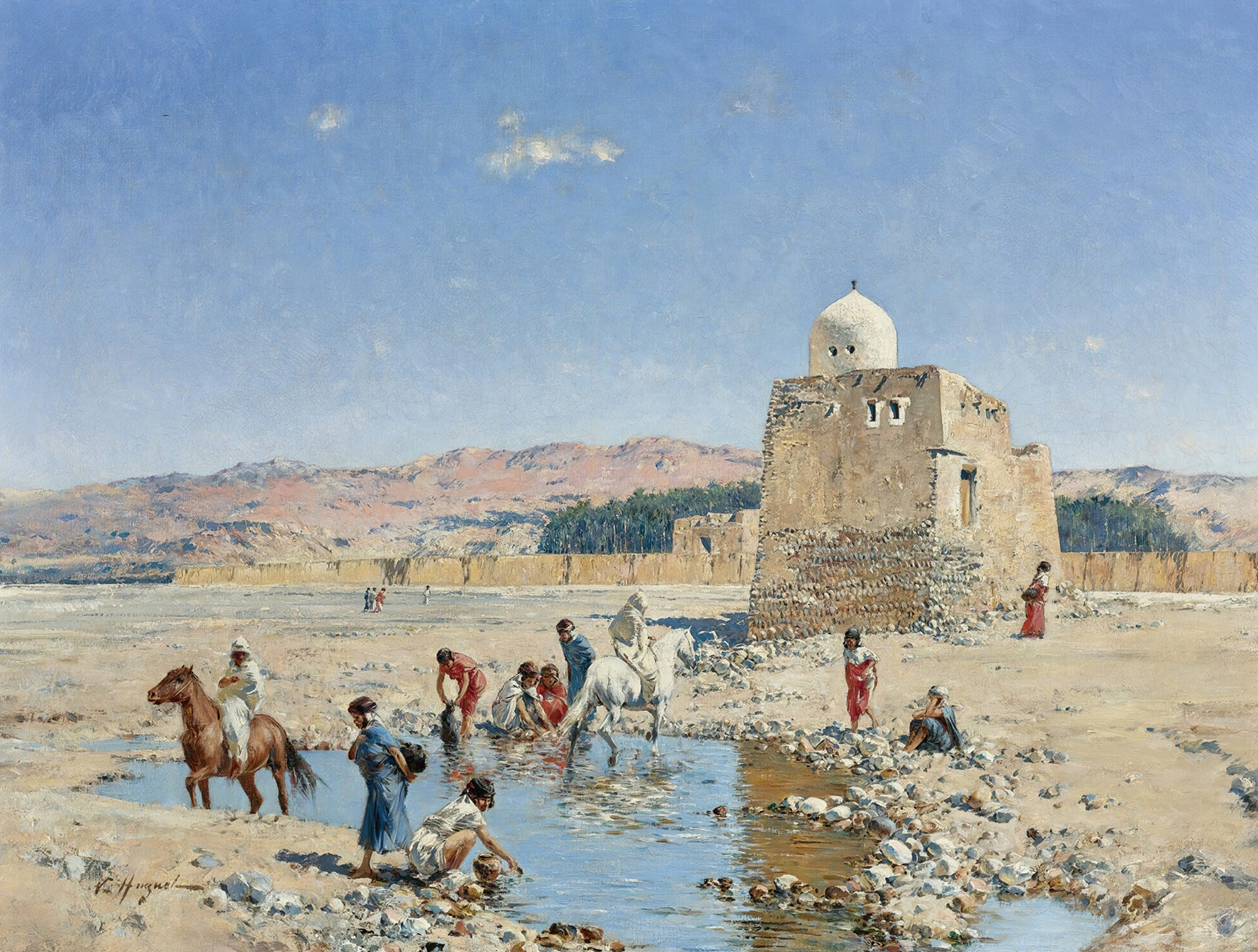
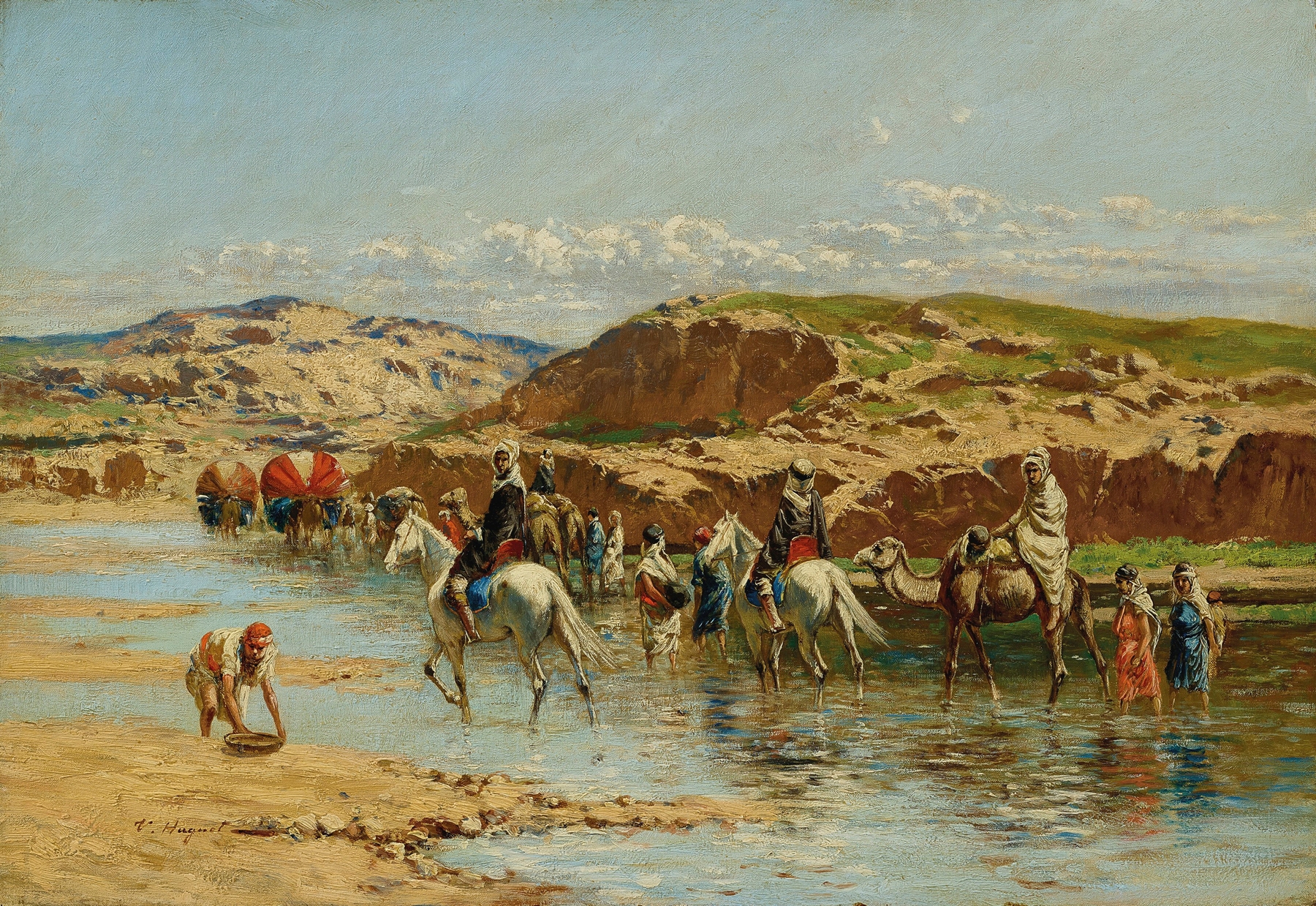
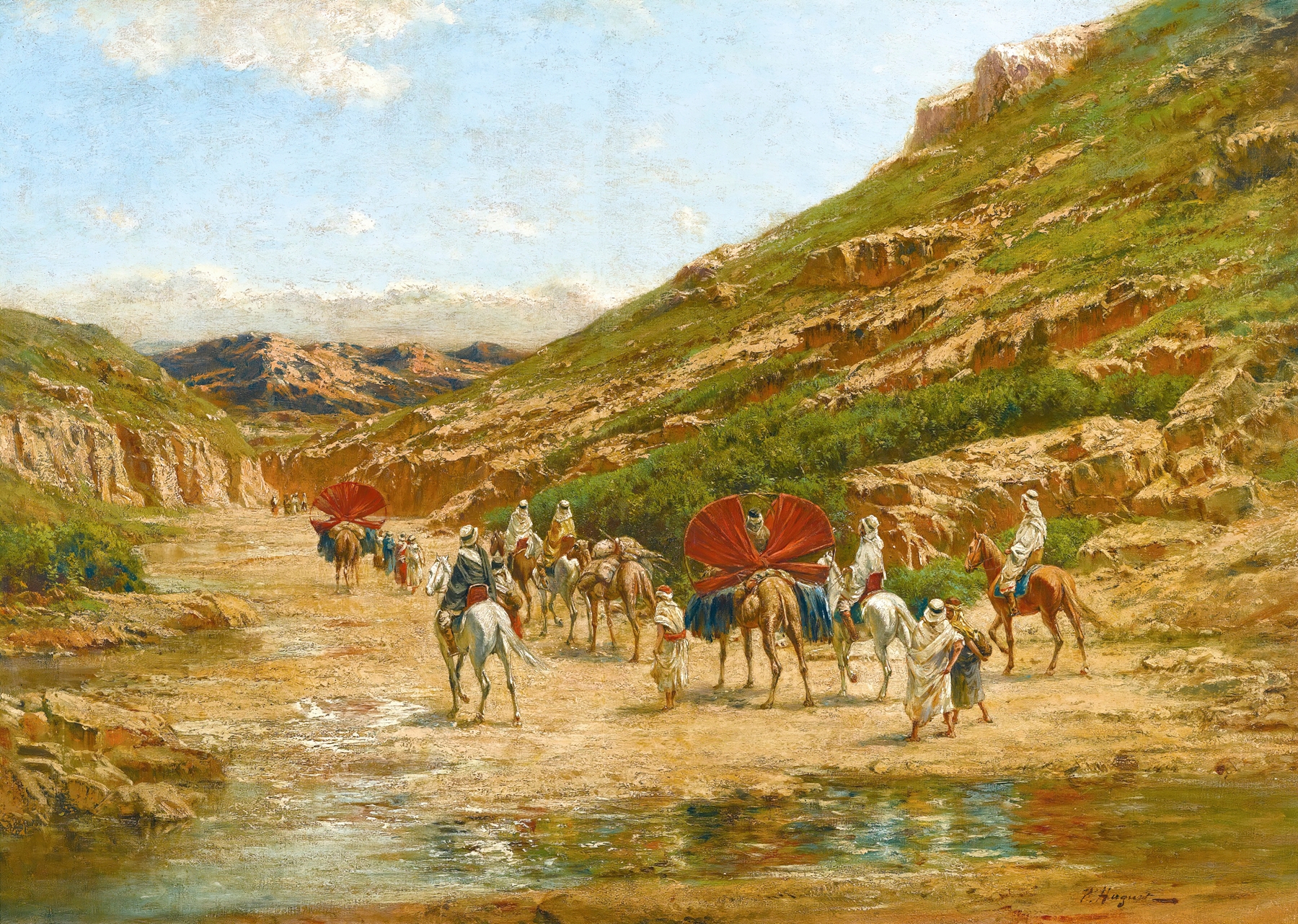
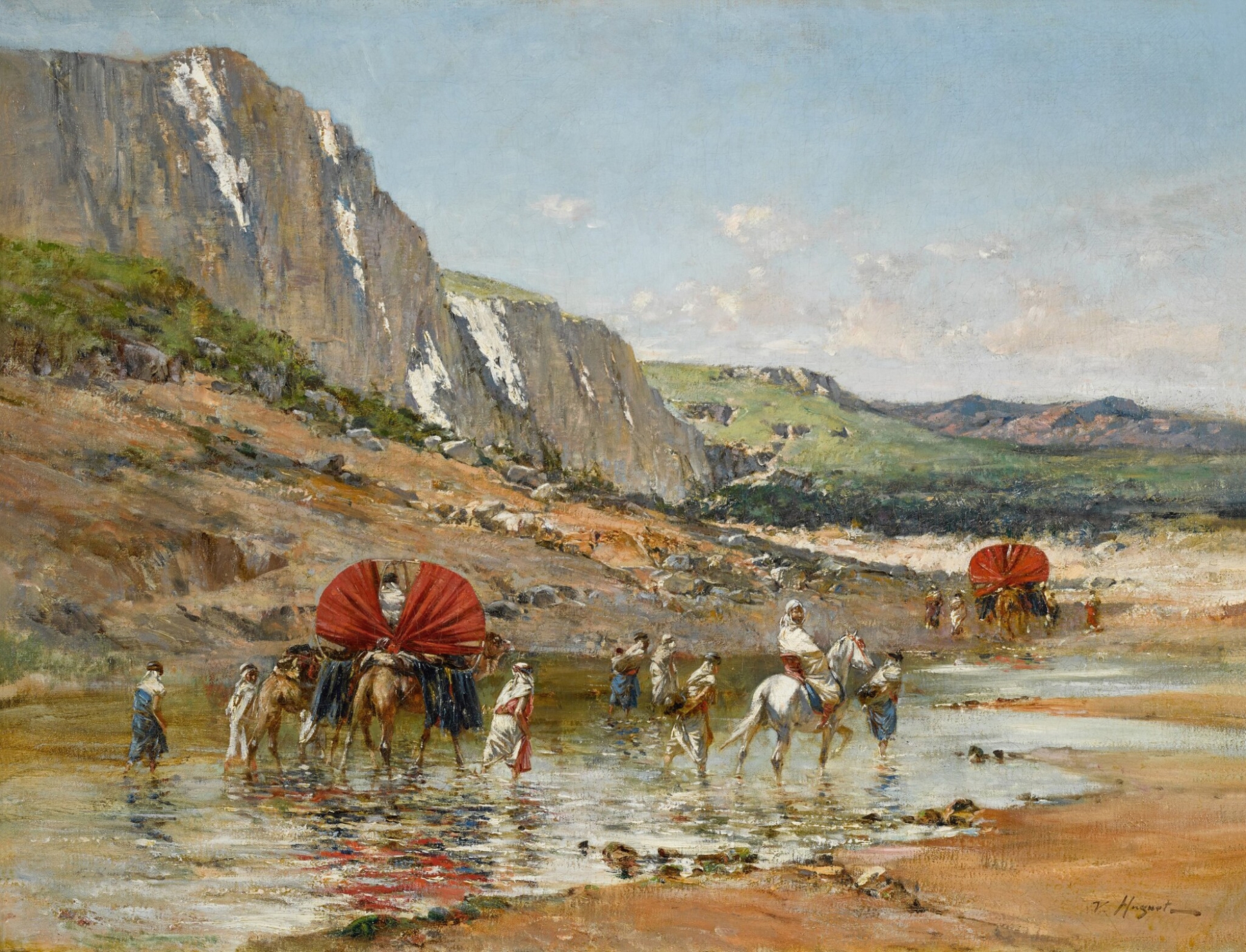
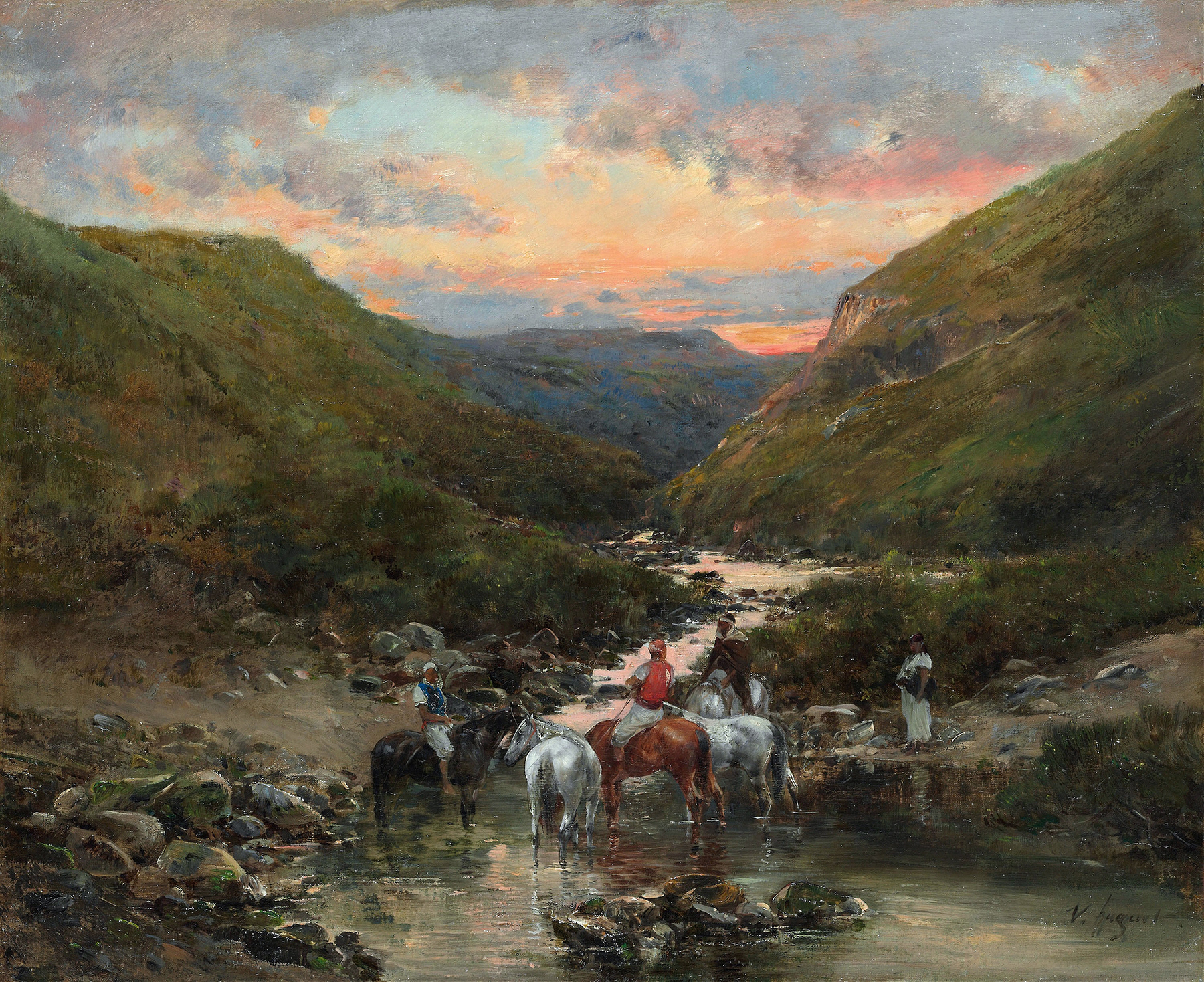
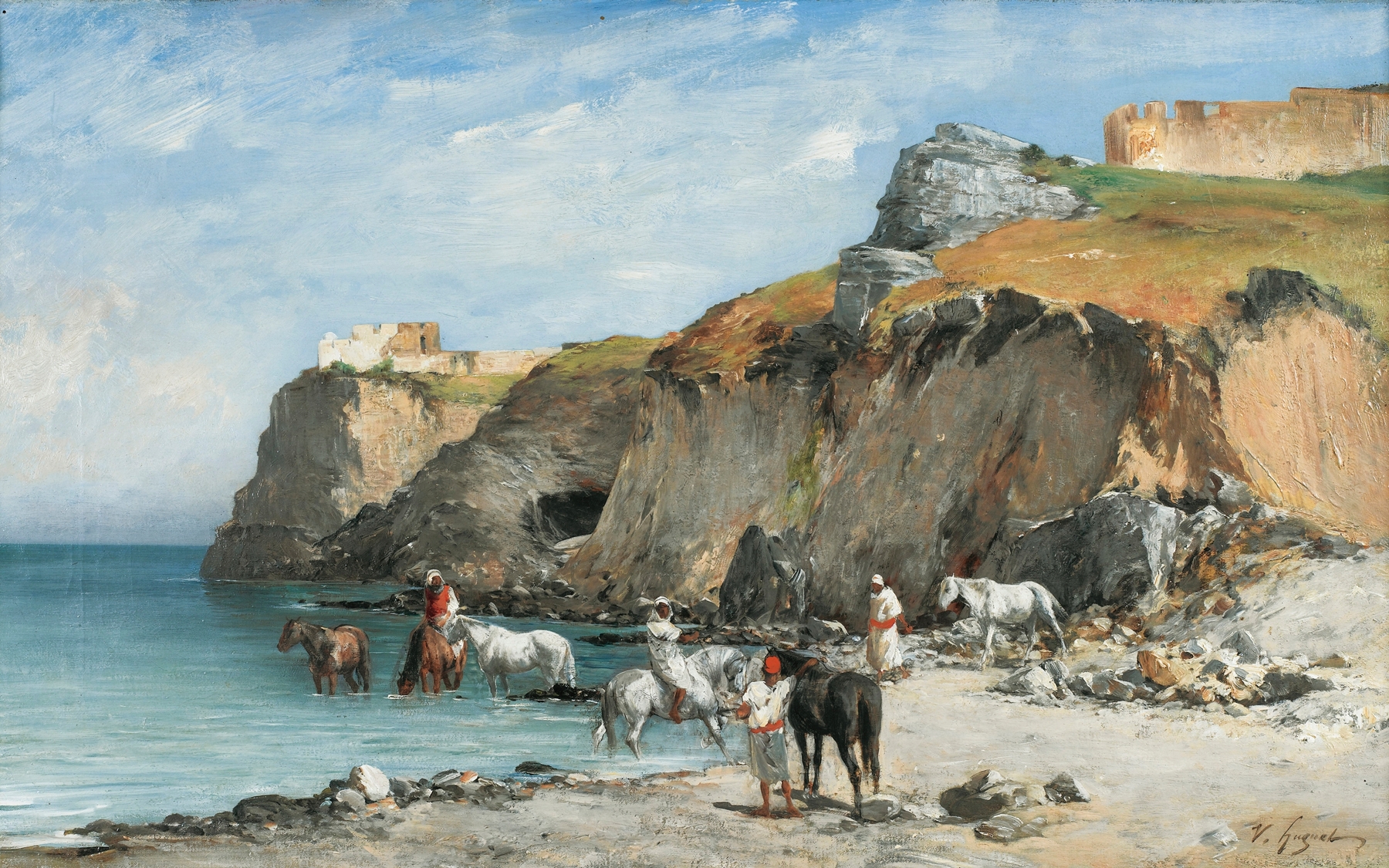
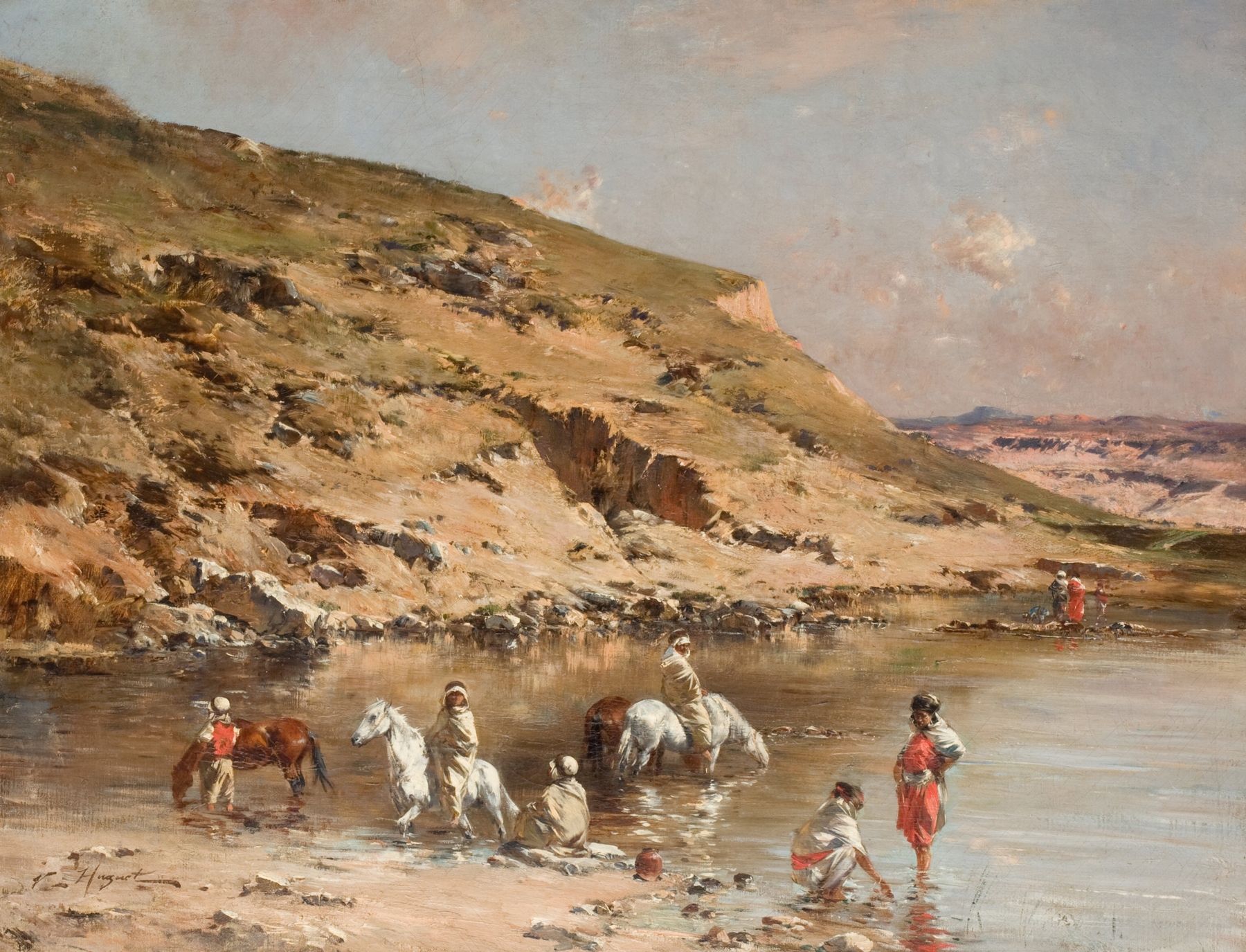
“Every silence here is a confession.” In the haunting stillness of Settlement At Dawn, the essence of emptiness speaks volumes, whispering secrets of longing and solitude. Look to the horizon first; the soft hues of dawn blend seamlessly into a muted palette, evoking a sense of tranquility. The delicate brushstrokes capture the gentle rise of the sun, illuminating the distant silhouettes of modest homes and figures who appear as mere shadows against the lightening sky. Notice how the landscape seems both inviting and desolate, the quiet water reflecting the awakening world while echoing the characters’ isolation.
The emotional tension lies in the contrast between hope and despondency. Each figure, caught in their own moment of reflection, suggests a narrative of unfulfilled dreams and longing for connection. The serene expanse surrounding them amplifies their solitude; it’s as if the world is both vast and empty, reinforcing the struggle for belonging. This emptiness is not merely absence, but a space filled with untold stories and unspoken words, urging the viewer to ponder what lies beneath the surface.
Victor Huguet painted this work during a formative period in 19th-century France, where realism and impressionism were redefining artistic expression. Living in Paris, he was exposed to a rapidly changing society marked by industrialization and social unrest. Settlement At Dawn reflects not only his technical skills but also a deep introspection on the human condition amid the era's shifting landscapes.