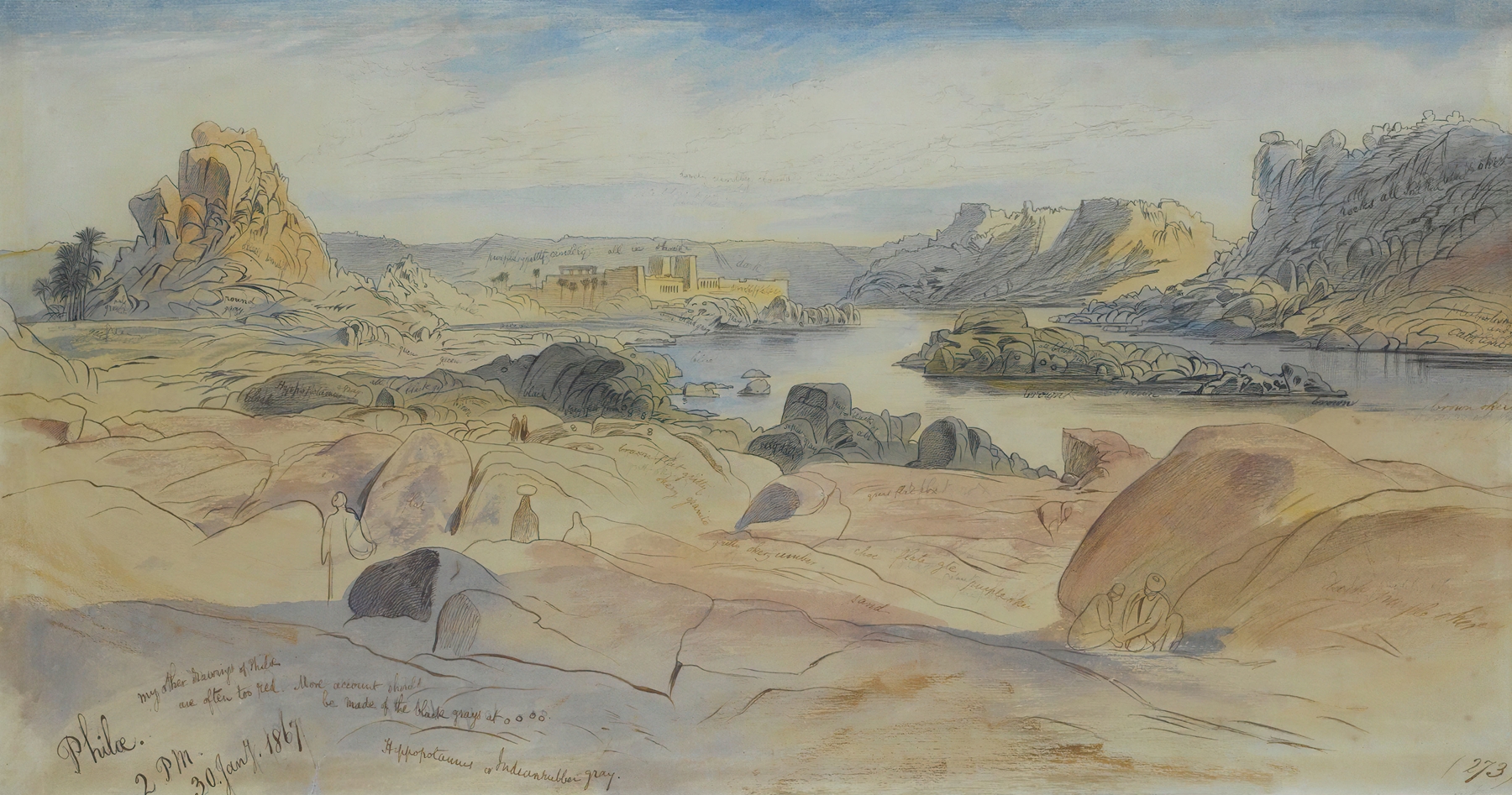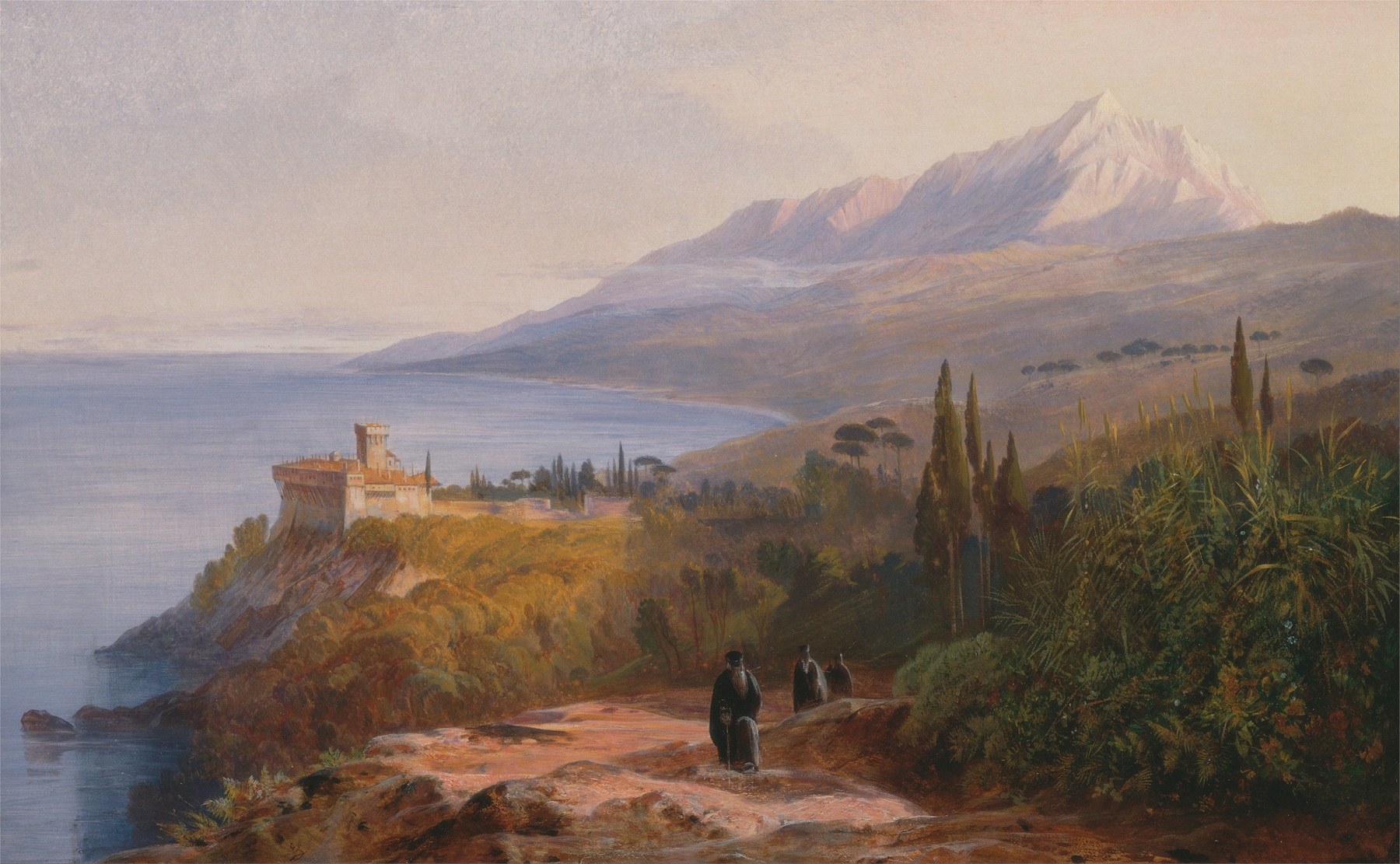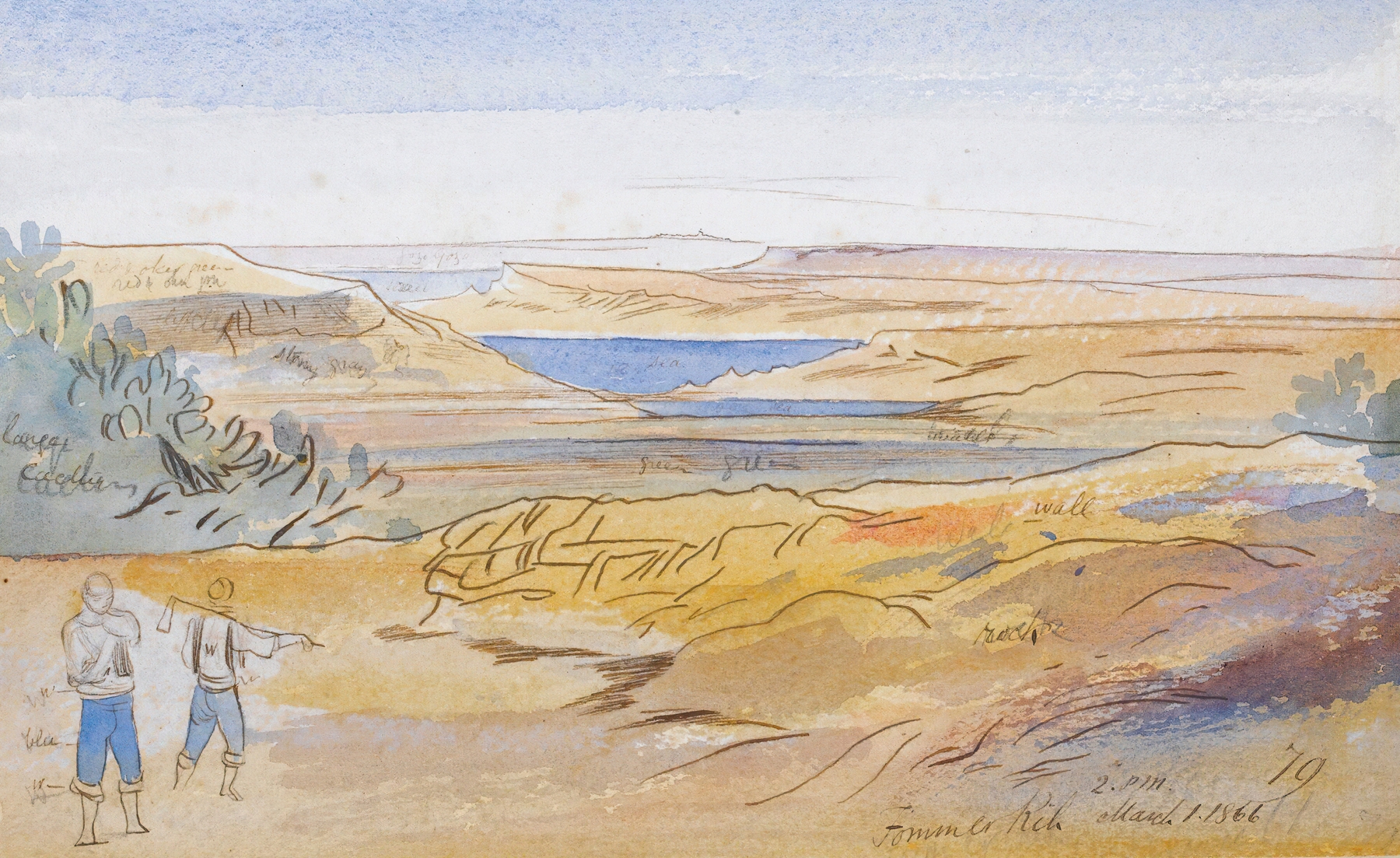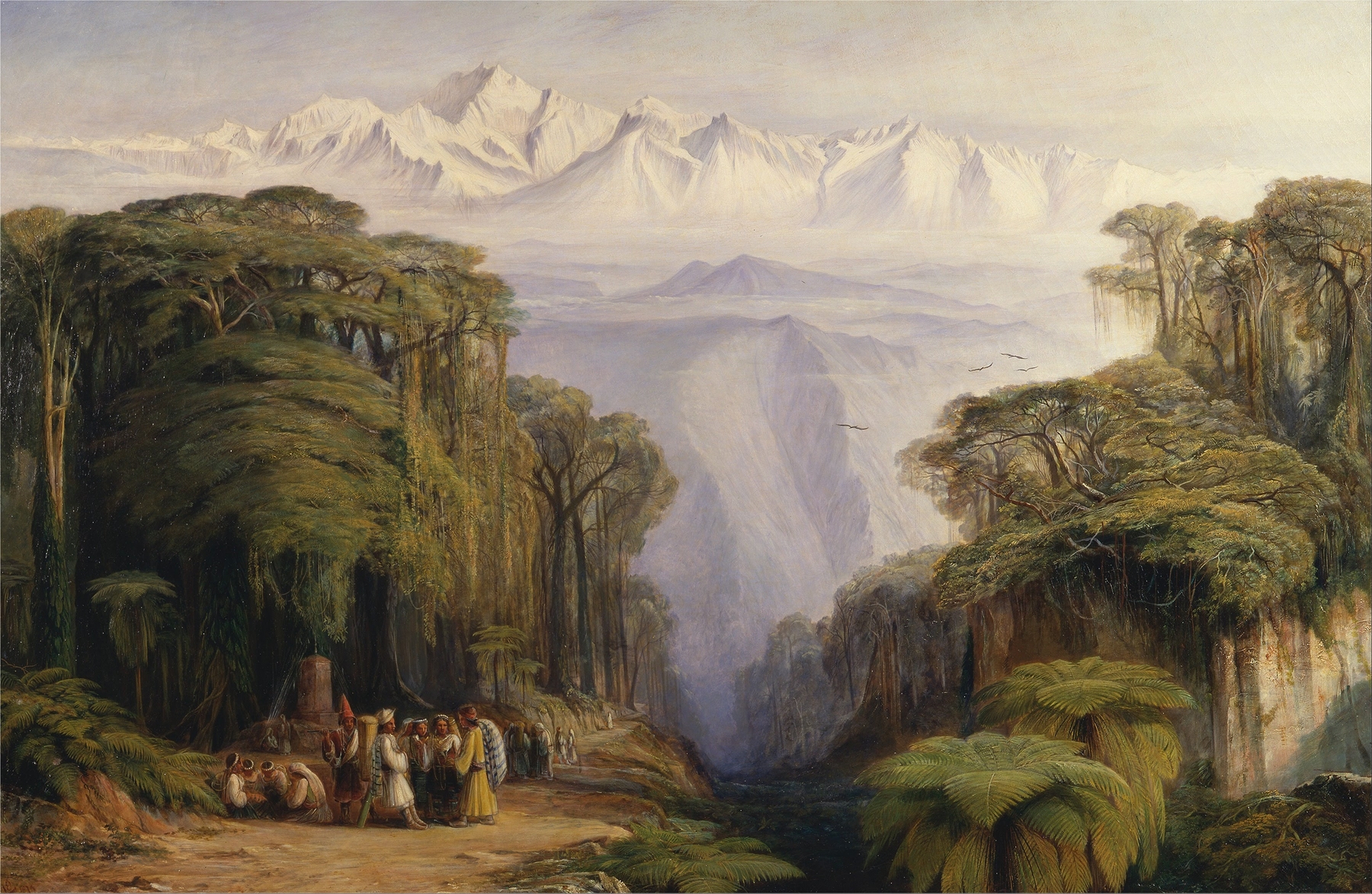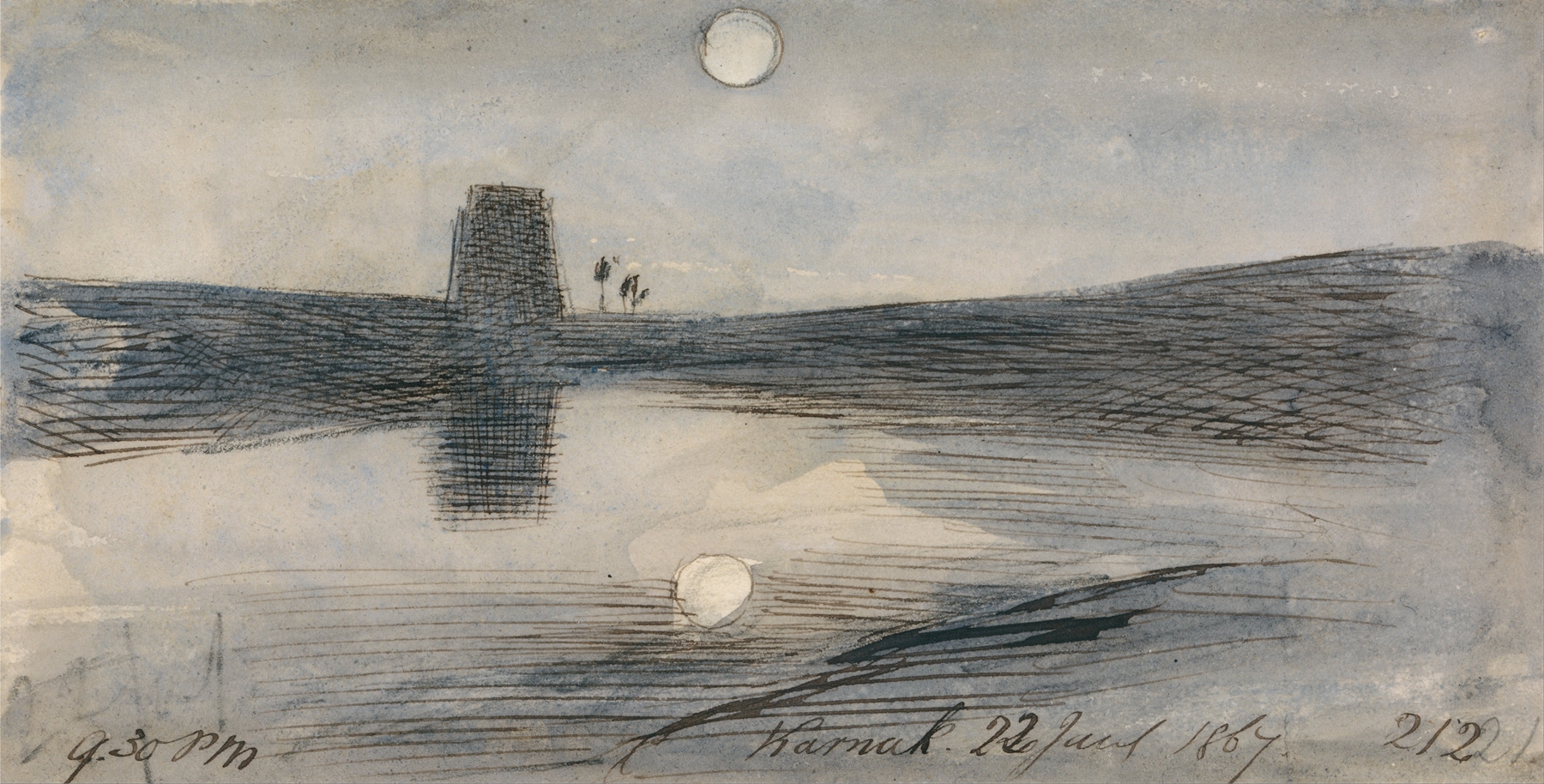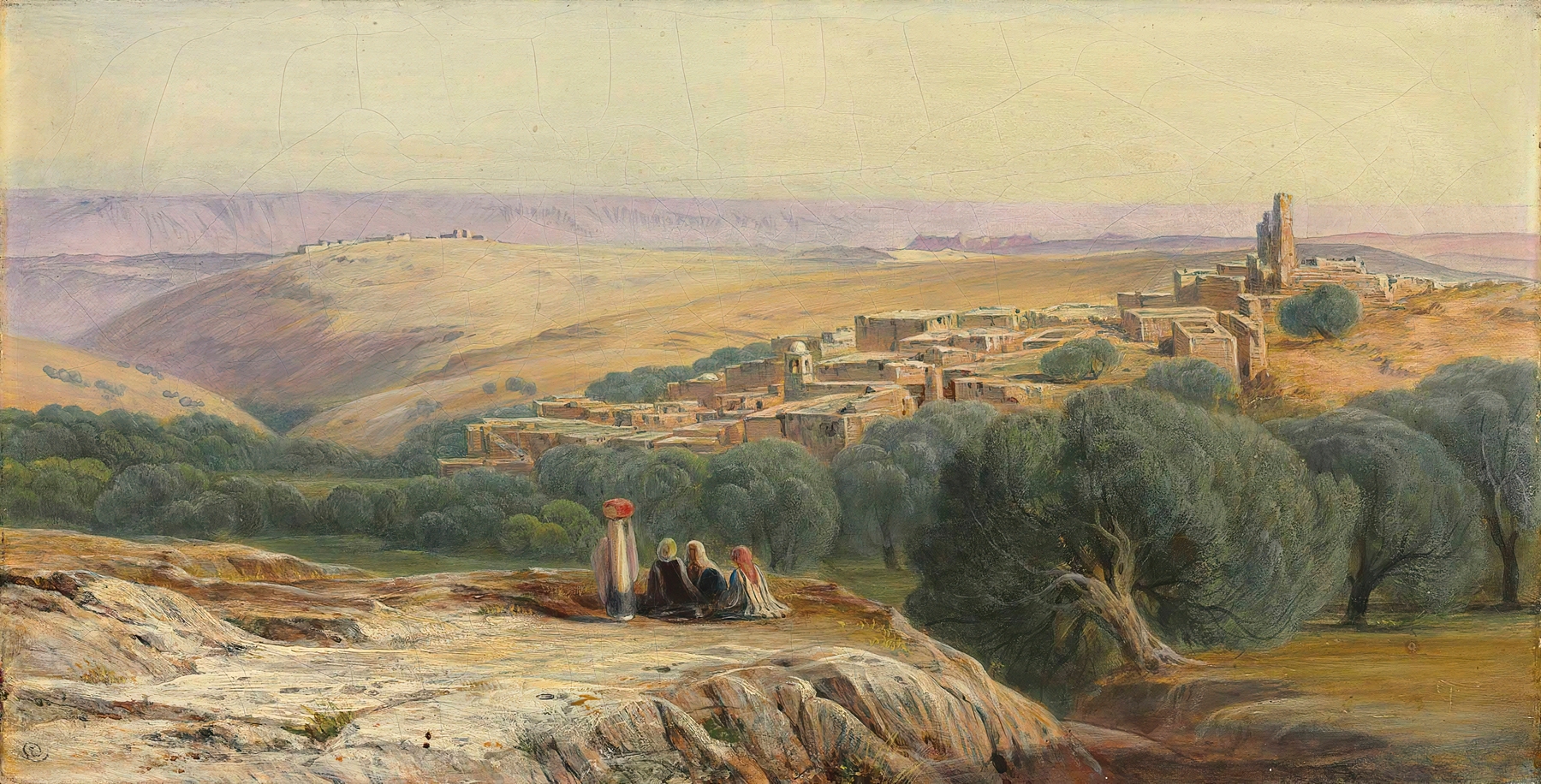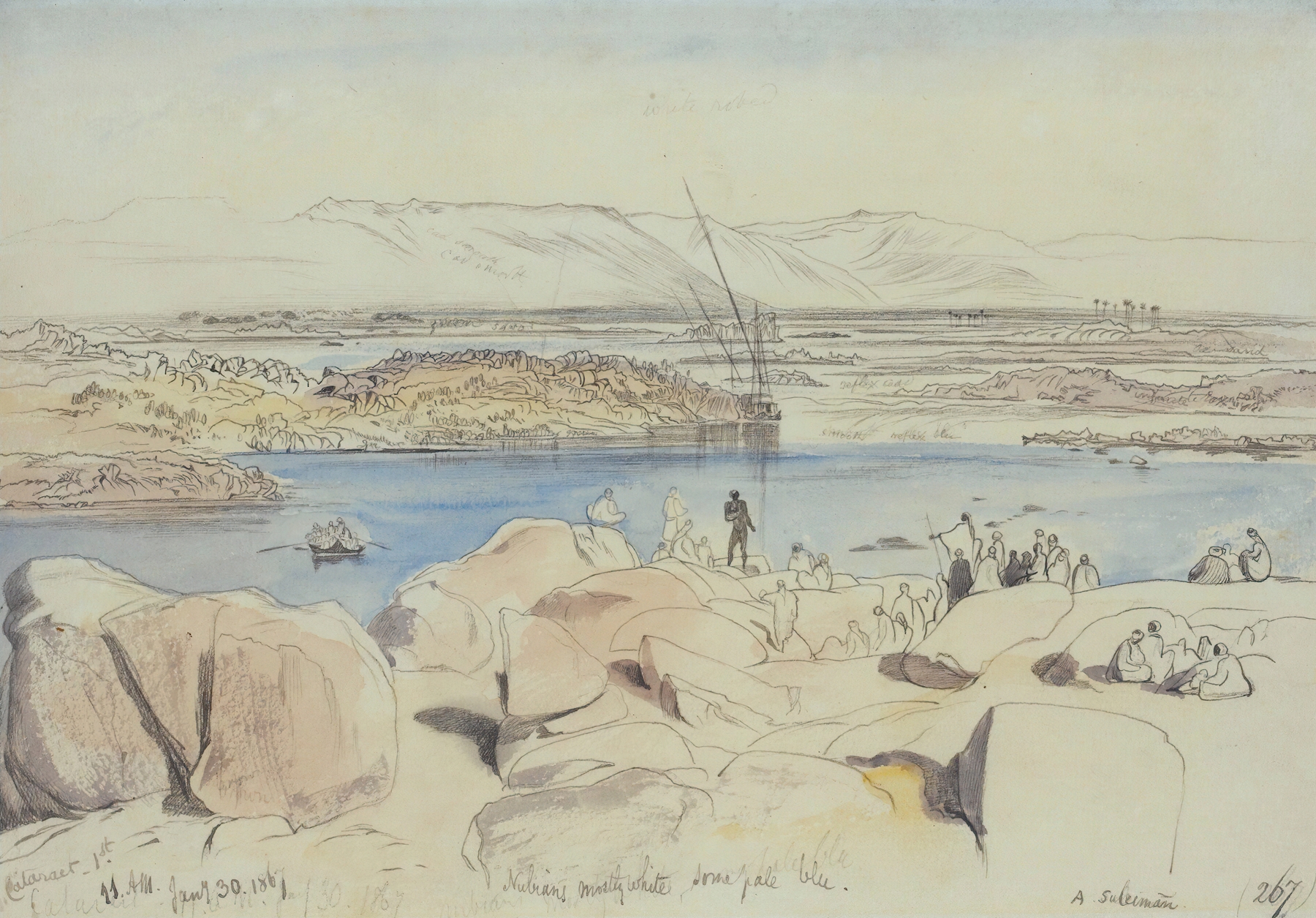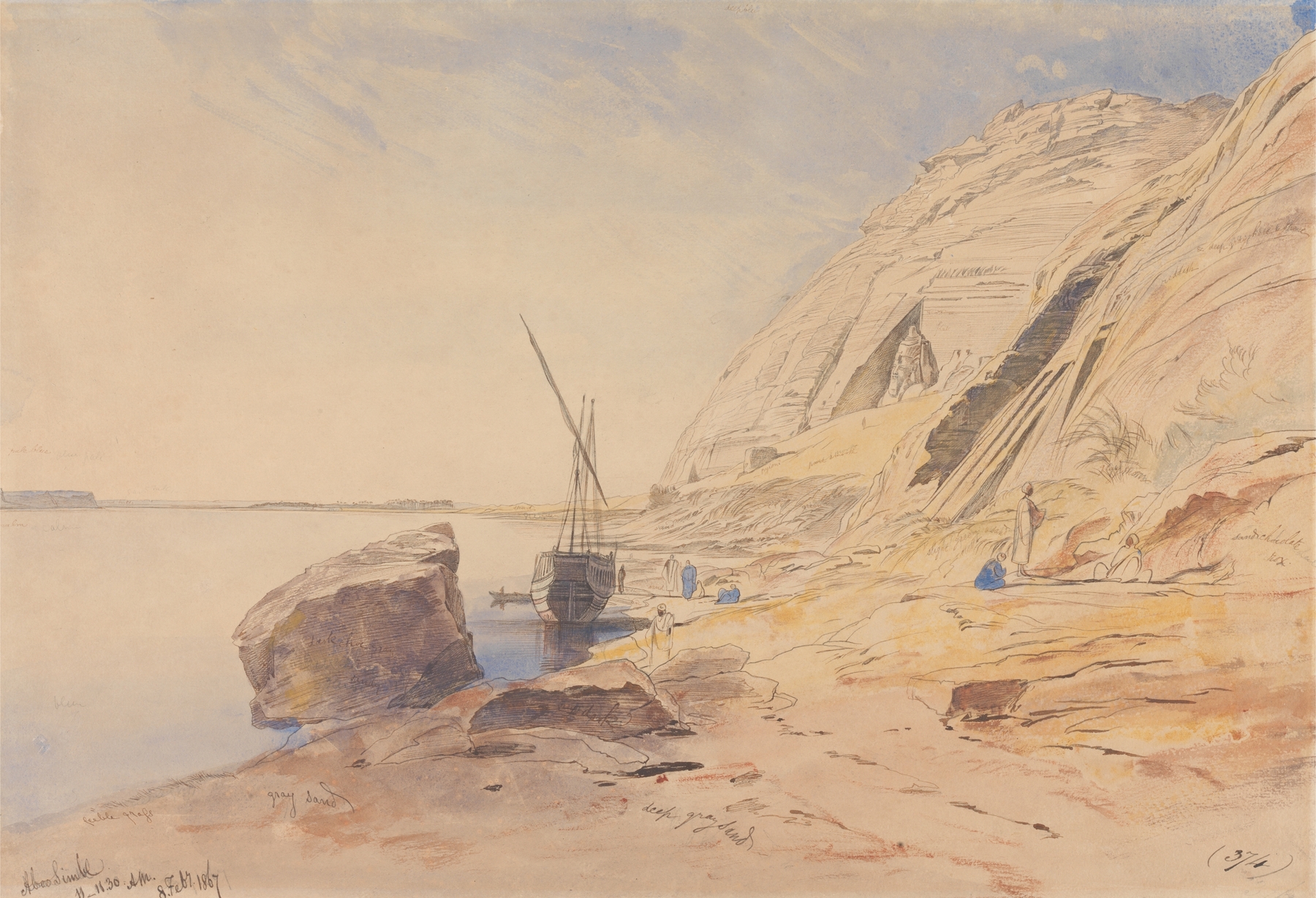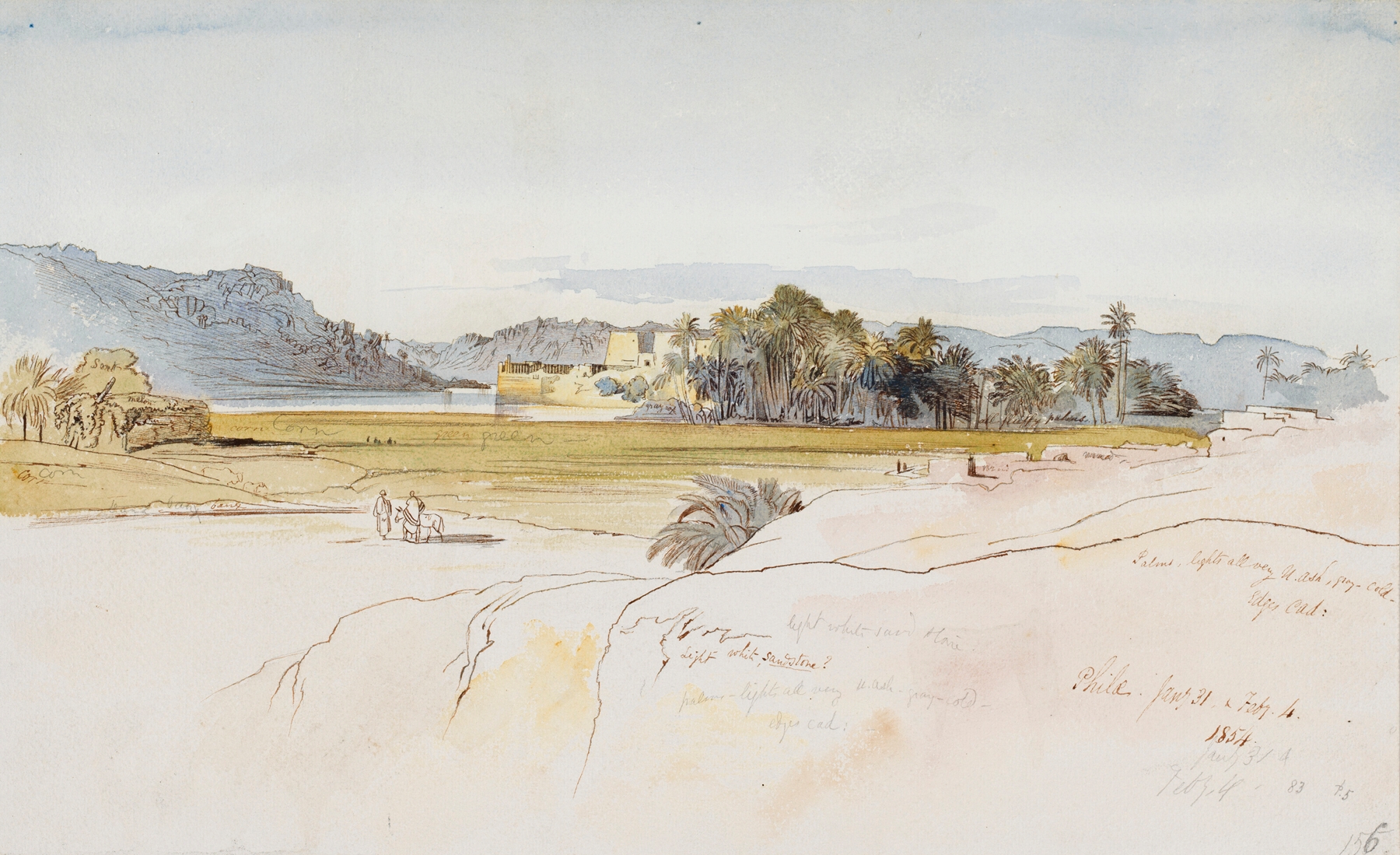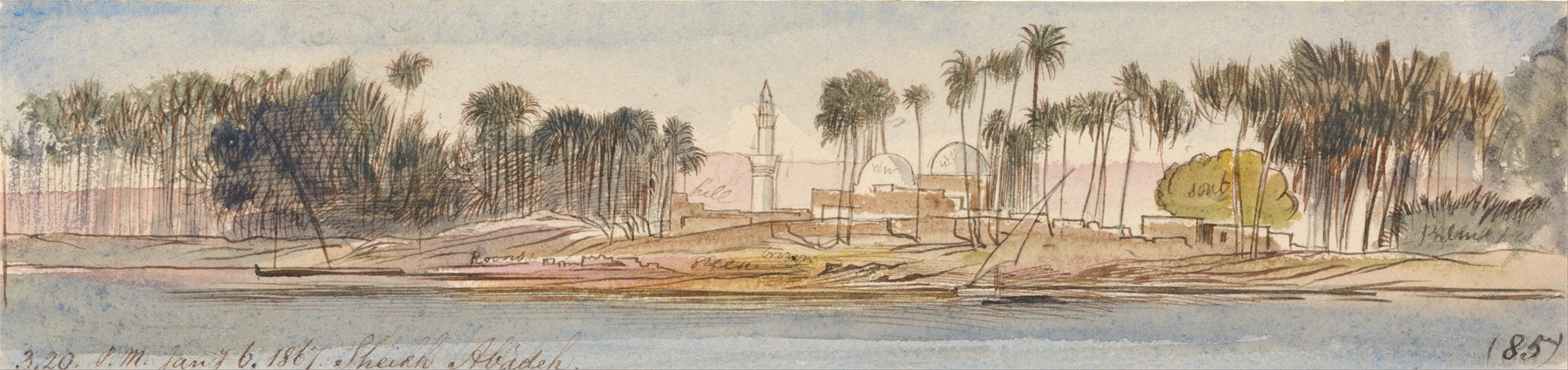
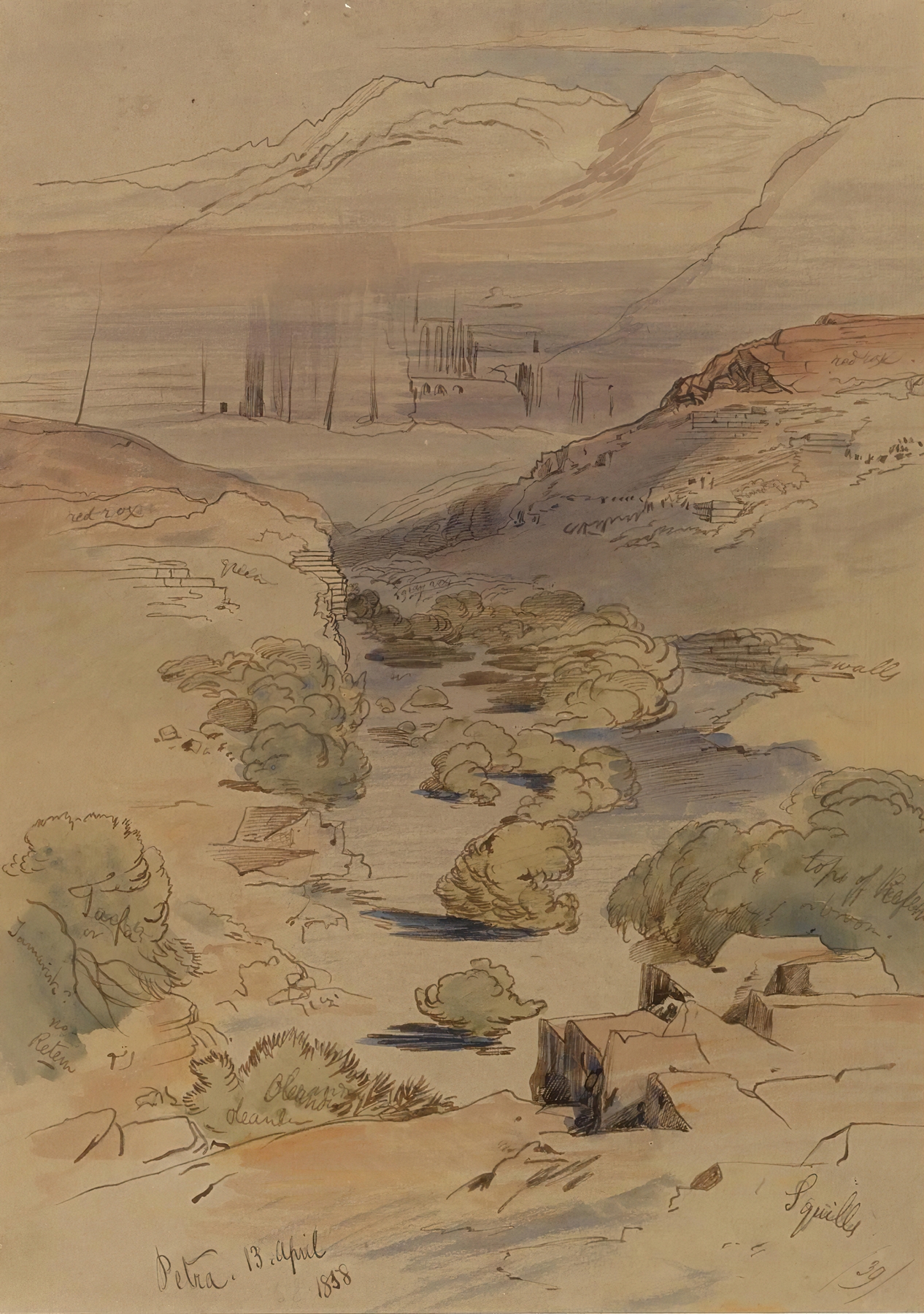
What if beauty was never meant to be finished? In the depths of this artwork, tranquility reigns, inviting contemplation of faith and the fleeting nature of perfection. Focus on the intricate details of the foreground, where delicate foliage flourishes beneath a vast and gentle sky. The harmonious blend of soft blues and earthy greens captures a serene landscape, inviting your gaze to roam over the rolling hills that cradle a small, distant structure. Notice how the brushstrokes evoke movement in the clouds, suggesting a moment suspended in time, yet alive and breathing. Beneath the calm surface lies a contrast between the eternal and the ephemeral. The subtle play of light hints at the divine, while the rugged terrain speaks to the resilience found in nature. This tension mirrors the human experience, reflecting our longing for beauty amidst the impermanence of life. The small building, possibly a tent or a modest dwelling, stands as a symbol of faith against the vastness of the sky—a reminder that hope often resides in the simplest of forms. In the late 1860s, Edward Lear found himself in a transitional phase of both personal and artistic development. While traveling through the Middle East, he painted this scene, capturing not just the landscape but his evolving perspective on the world. The era was marked by a growing fascination with exotic locales, and Lear’s work bridged the gap between adventure and artistry, as he transitioned from his well-known limericks to a deeper exploration of landscapes infused with meaning.