Ships at Night — History & Analysis
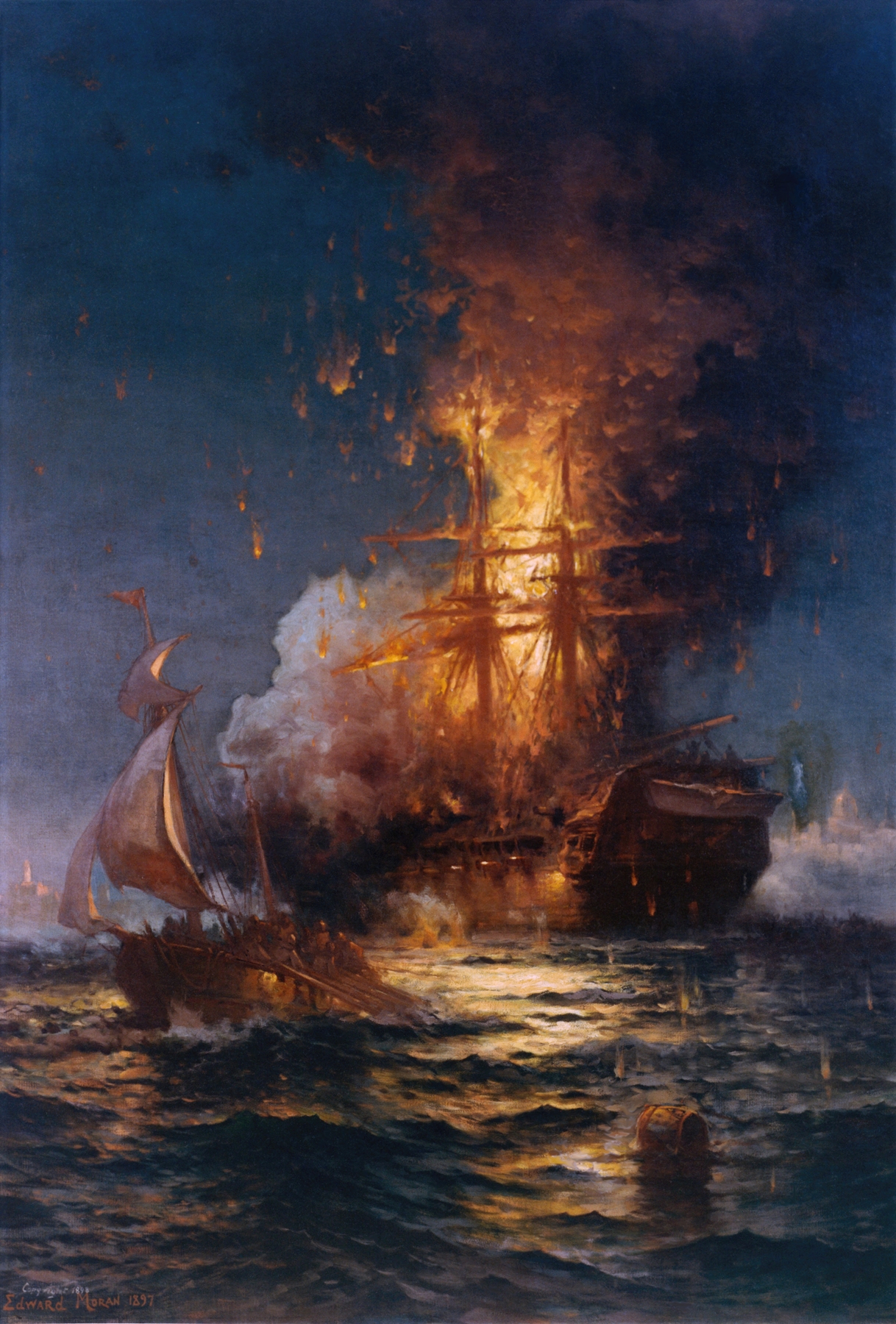
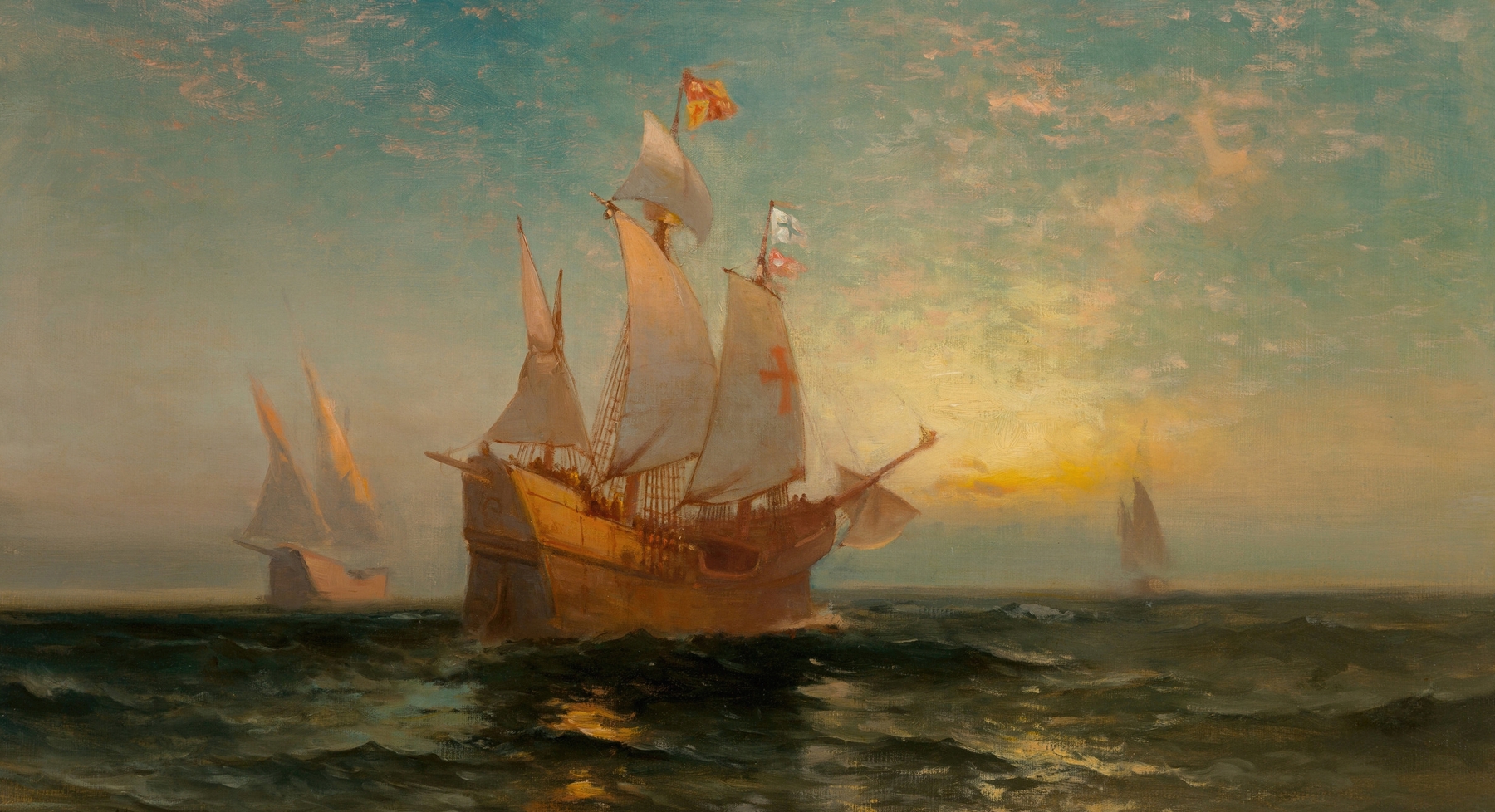
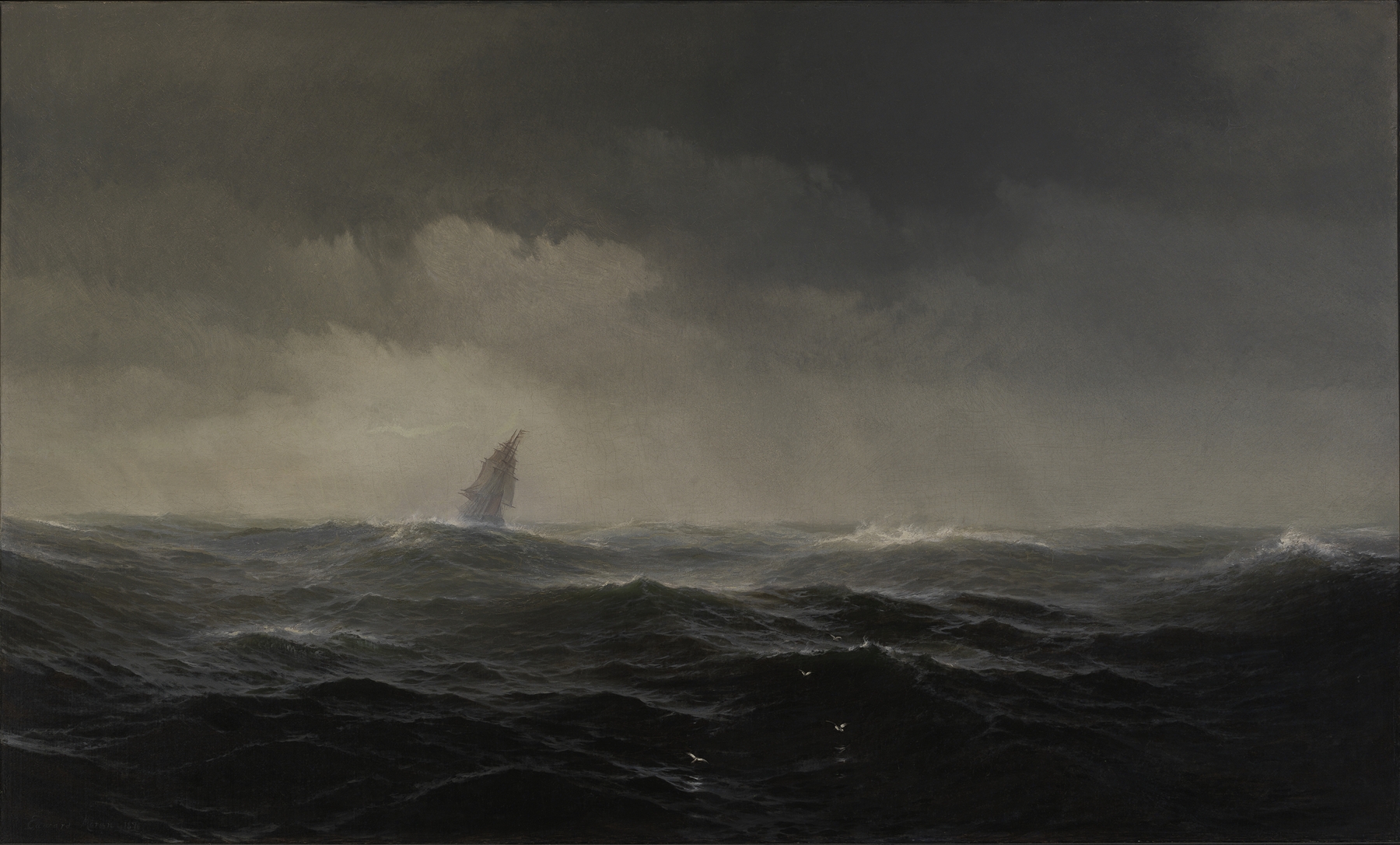
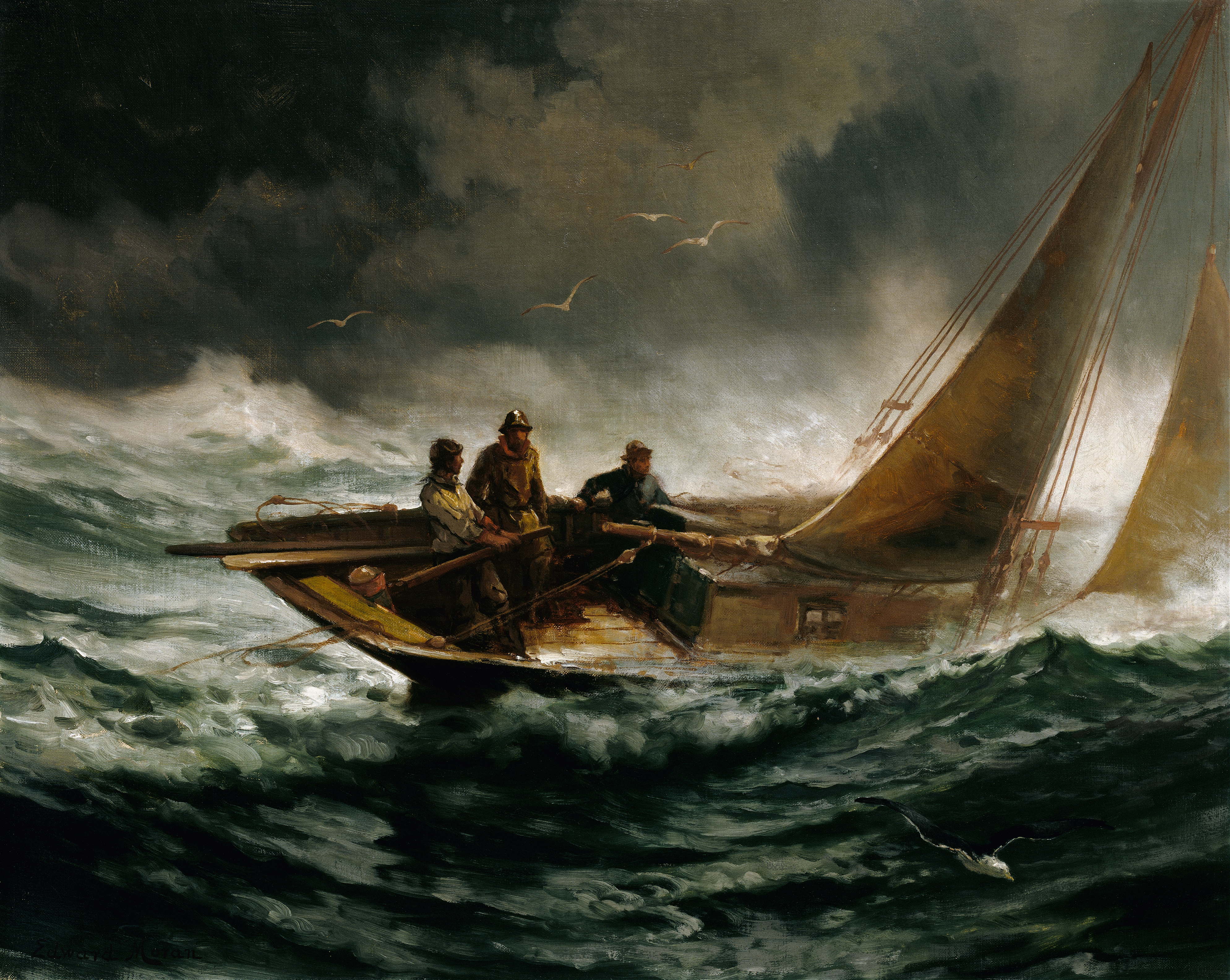
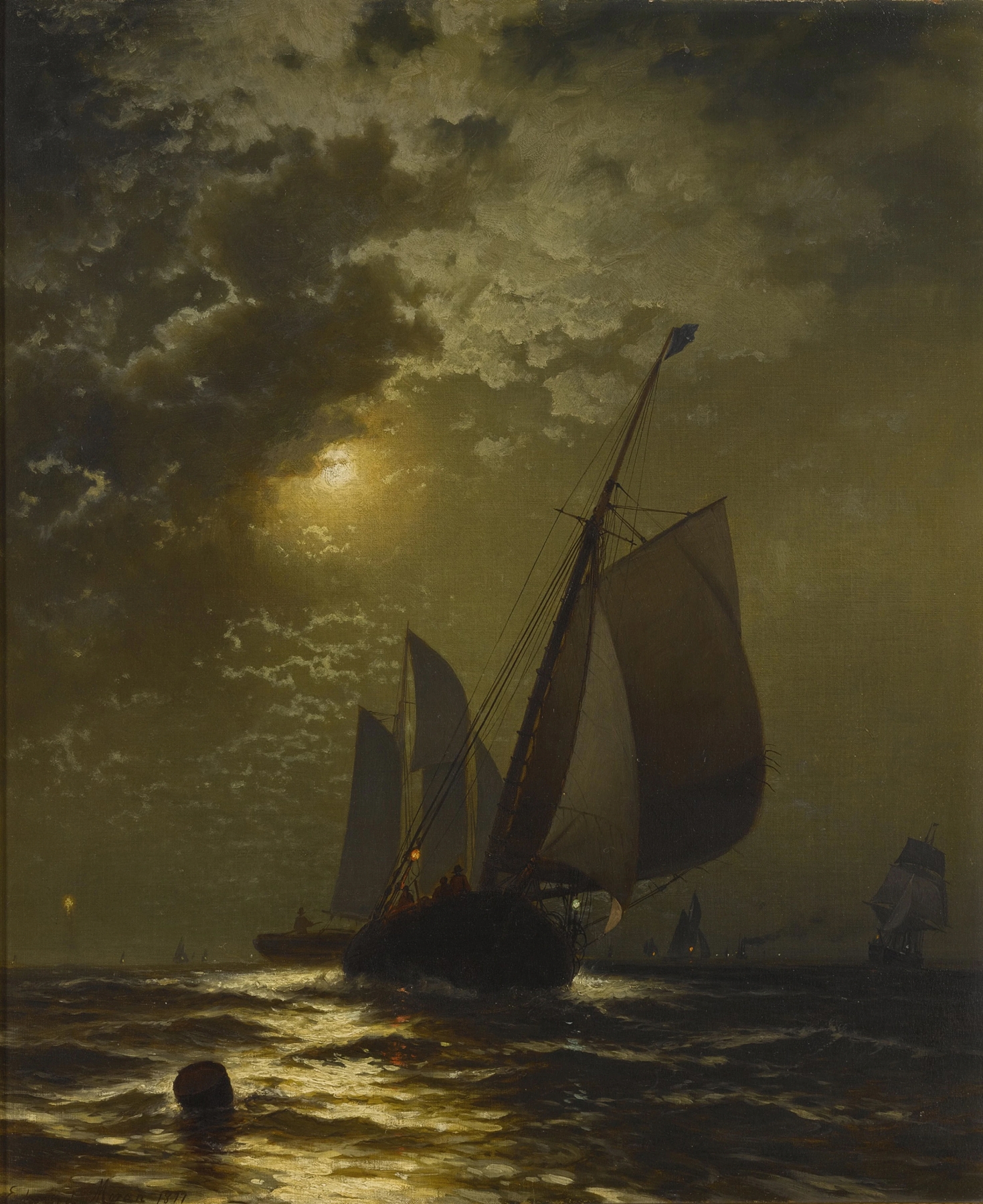
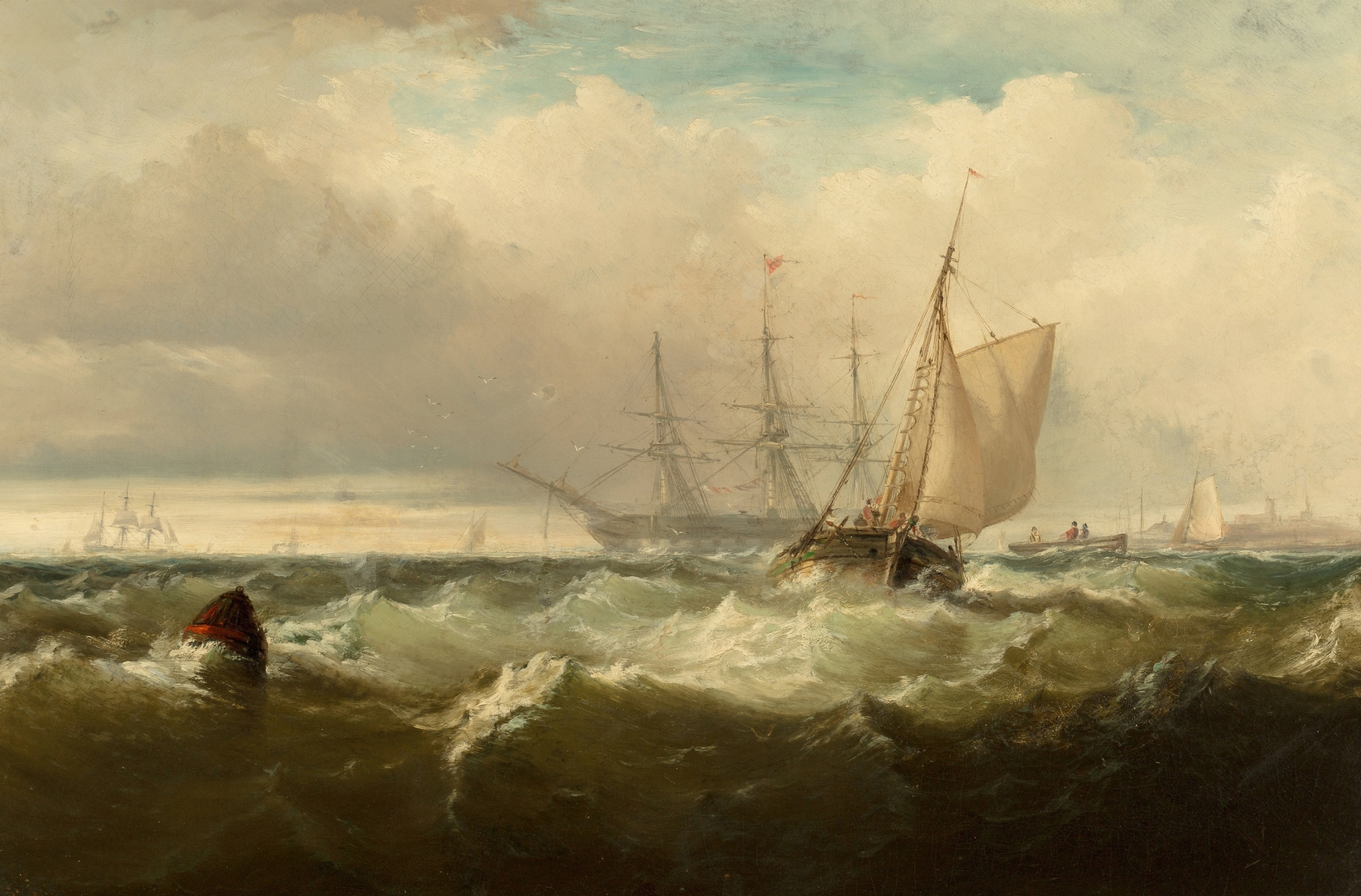
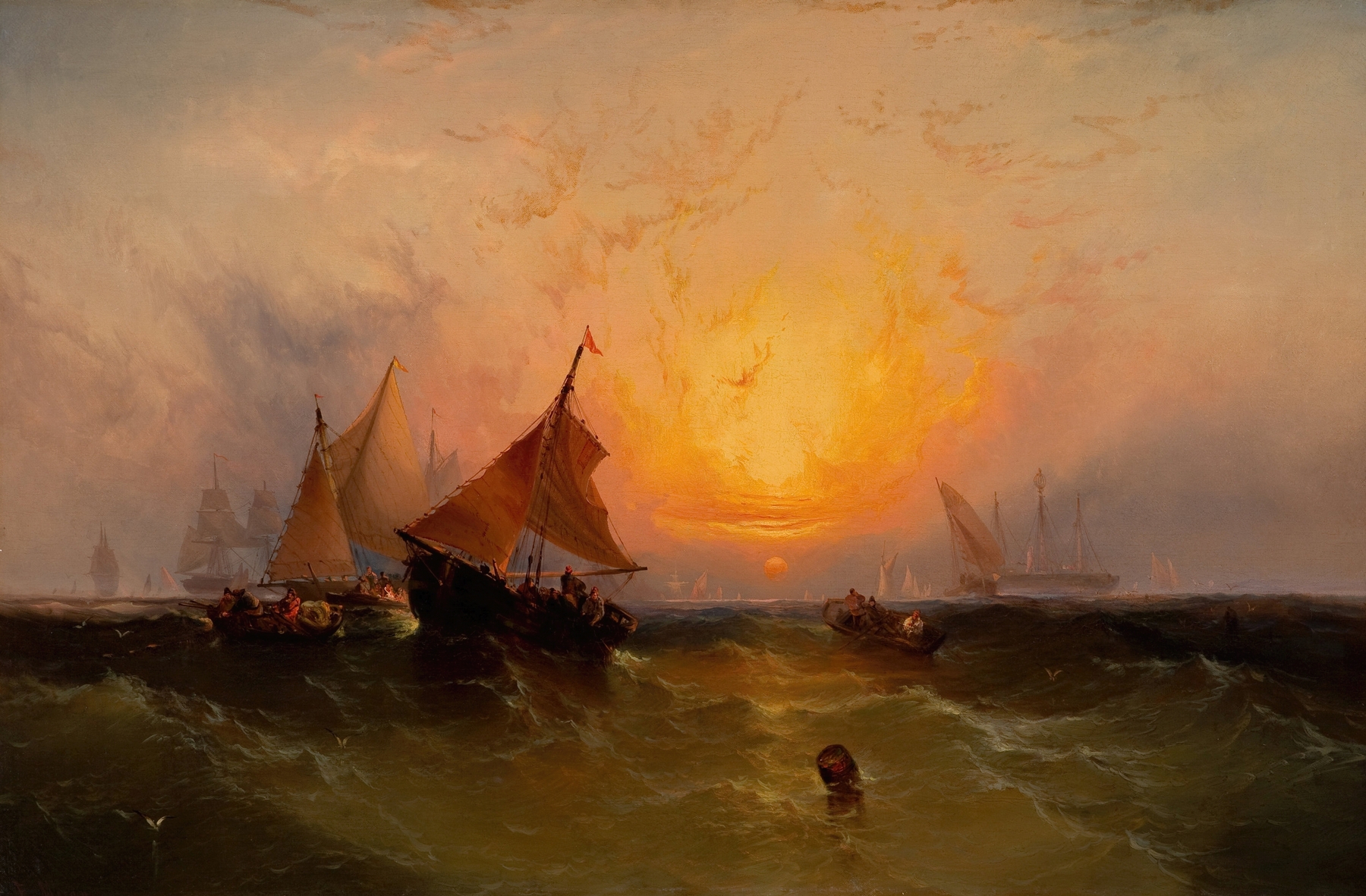
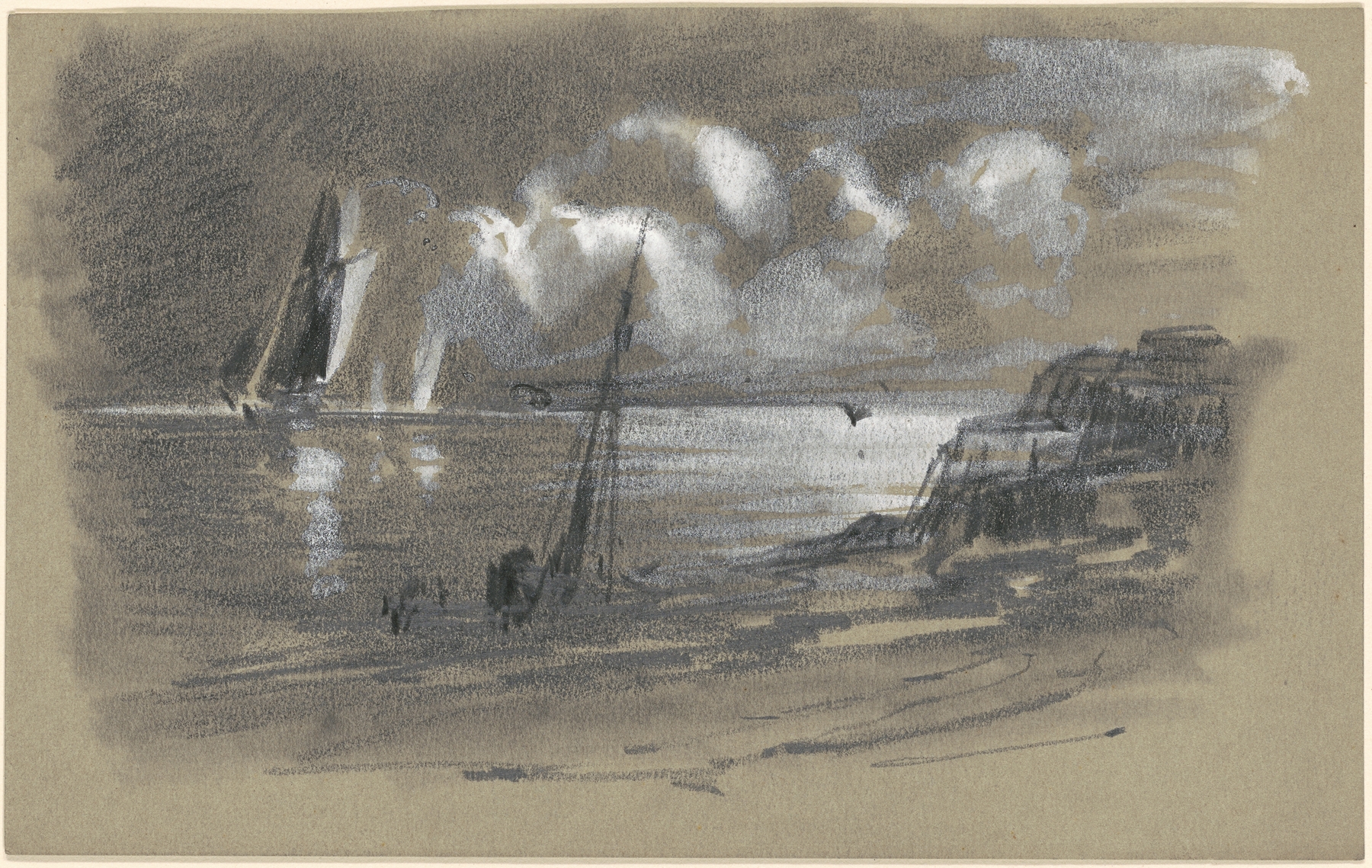
“The canvas doesn’t lie — it simply waits.” In the quiet hours of dusk, when the sky is a canvas of fleeting colors, the world of dreams and reality intertwines, revealing our deepest obsessions. Look to the horizon, where shadowy silhouettes of ships emerge against a sea of twilight. The interplay of deep blues and purples evokes a sense of mystery, inviting the viewer to explore the subtle reflections dancing on the water’s surface. Notice how the brushwork conveys both movement and stillness, as if the vessels are suspended between worlds, their sails whispering secrets to the wind.
As you delve deeper, contemplate the tension between light and darkness. The ships, though seemingly isolated, are connected through the glimmers of light emitted from their lanterns, suggesting a shared yearning for companionship amidst vastness. The juxtaposition of their sturdy forms against the ephemeral quality of the night sky underscores a deeper obsession with exploration and the unknown, revealing the emotional resonance of solitude.
In the late 19th century, during a period marked by industrial growth and the quest for new horizons, the artist was influenced by maritime themes. Ships at Night reflects a world on the brink of change, where the sea served as both a literal and metaphorical frontier. This work, painted in an era of burgeoning fascination with exploration and the power of nature, captures a moment of quiet introspection amidst the chaos of discovery.