Shipyard, Children Playing — History & Analysis
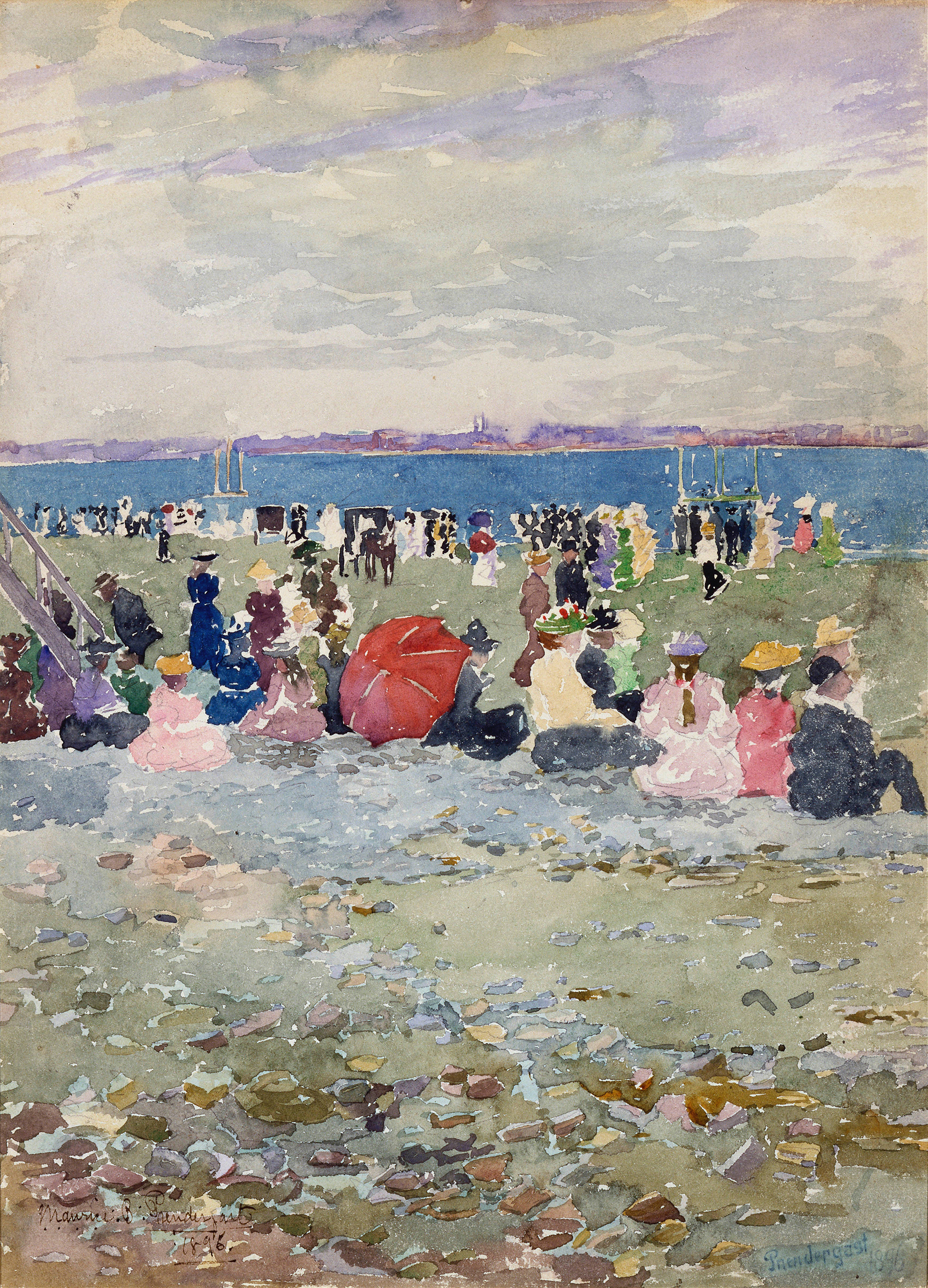
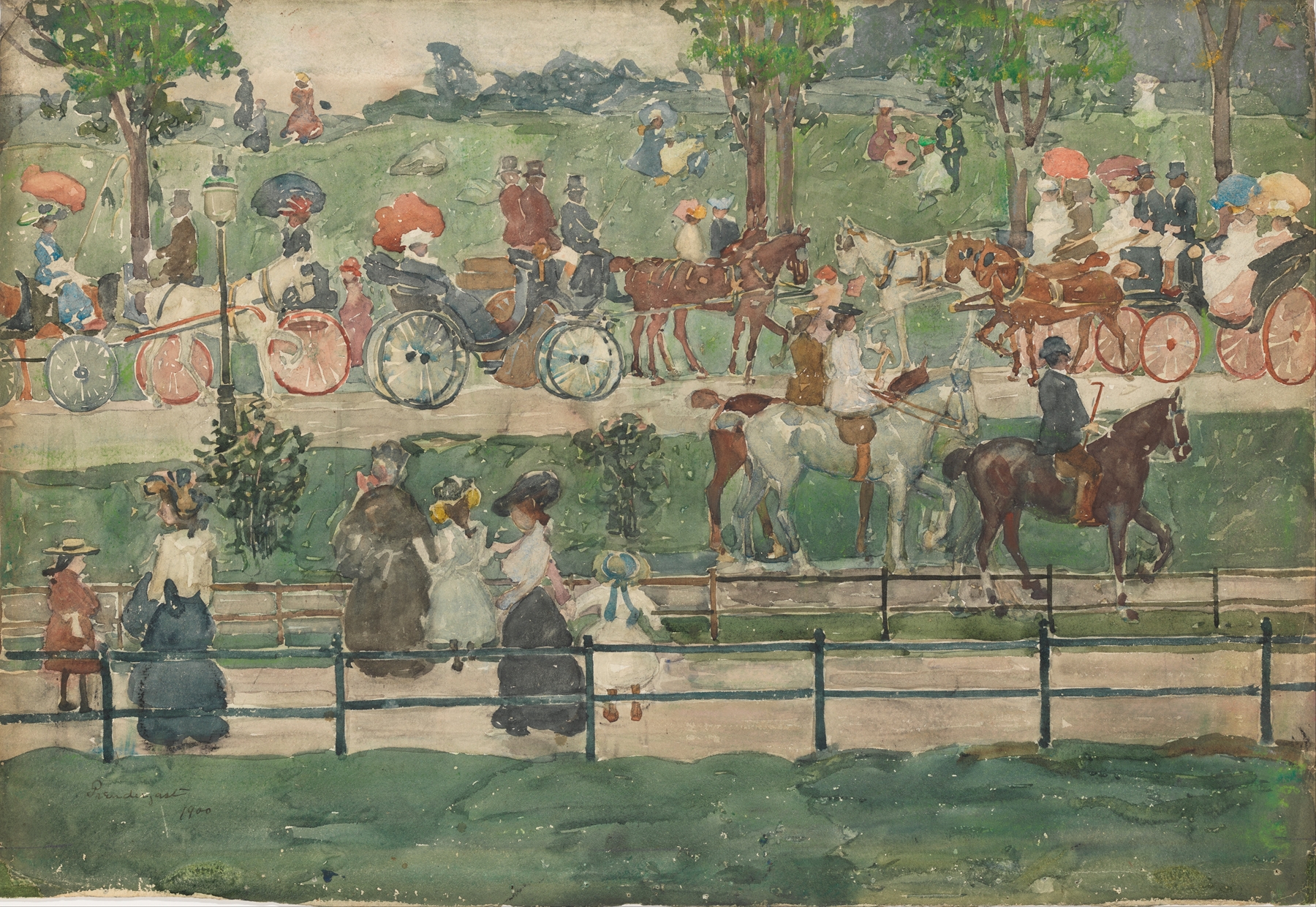
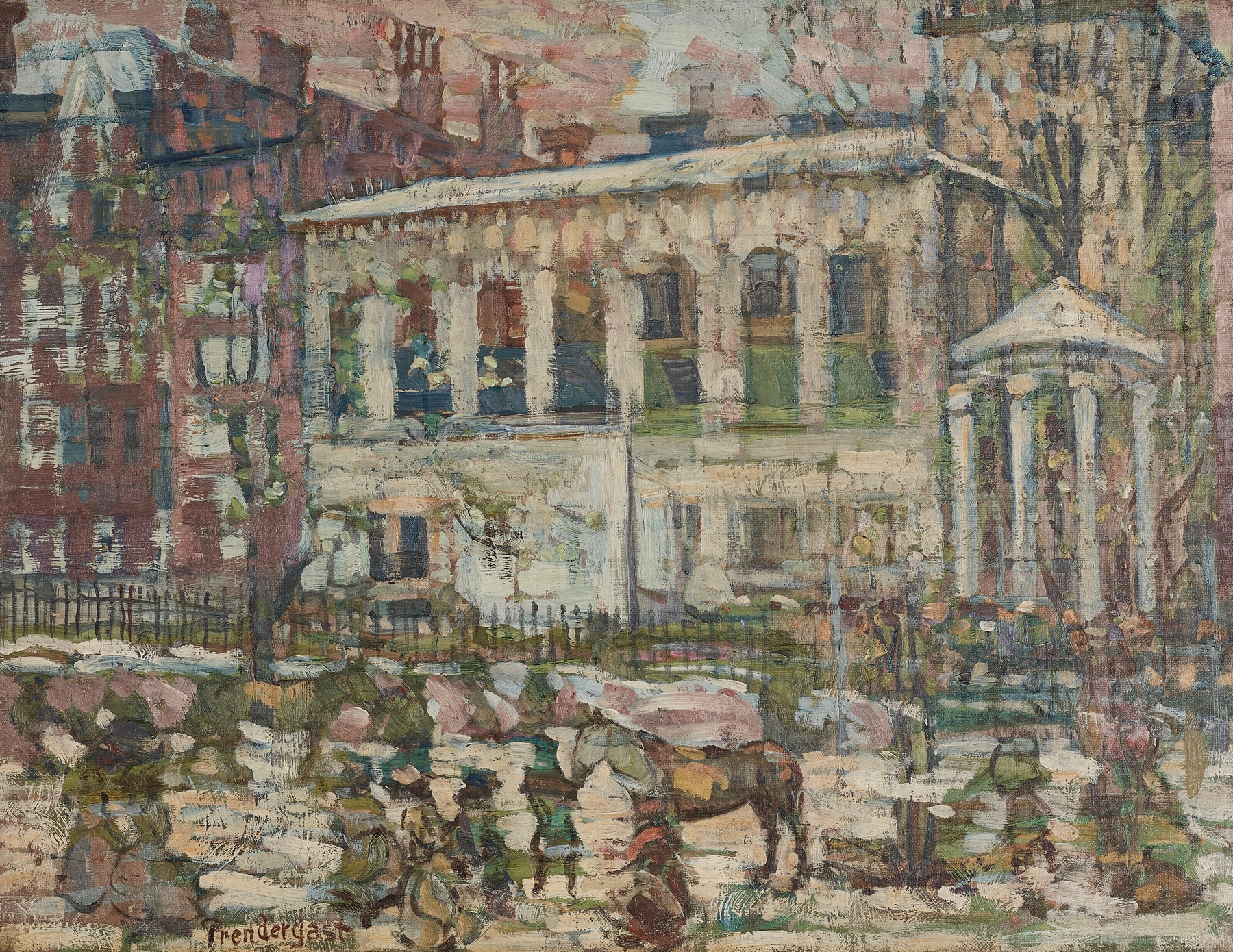
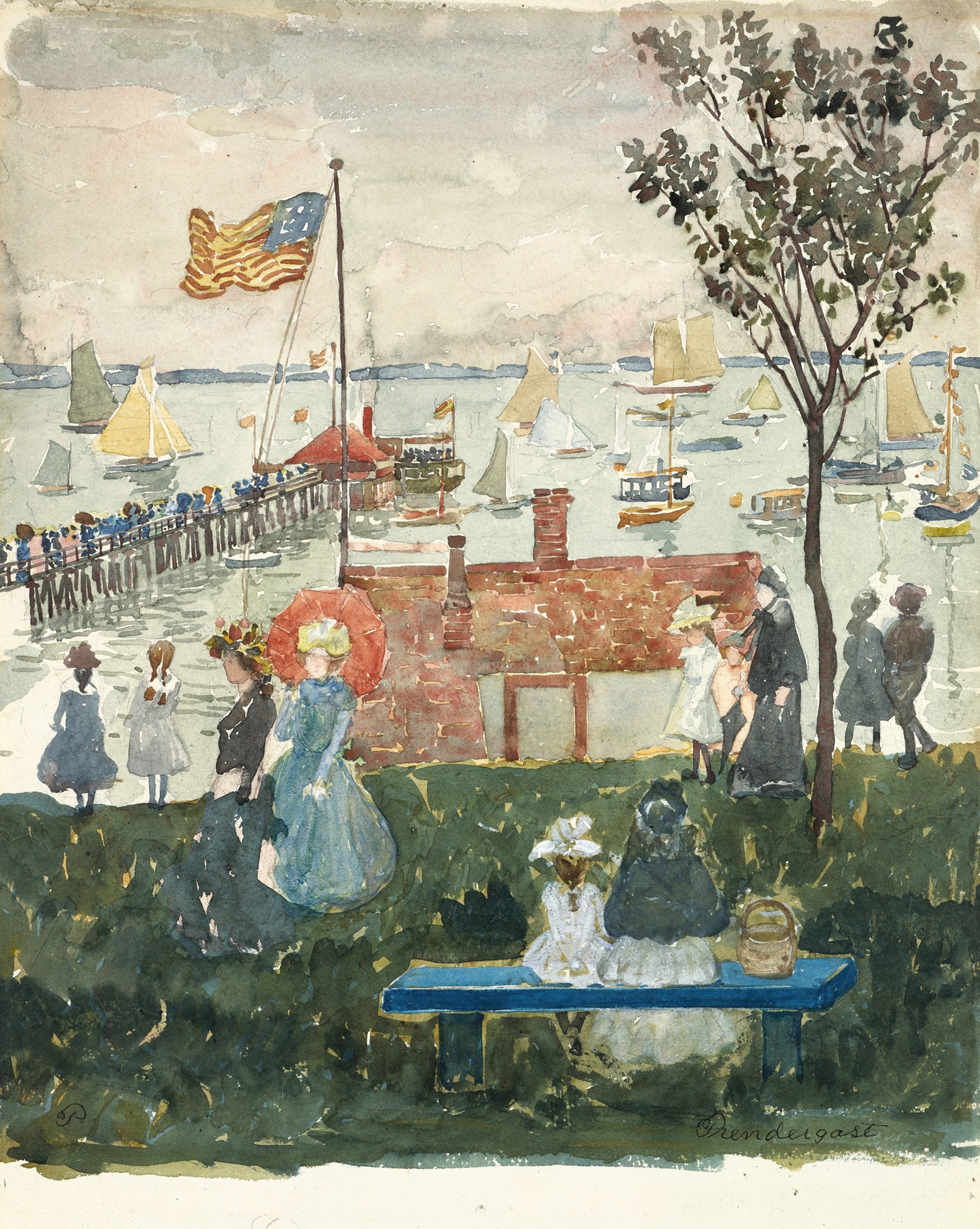
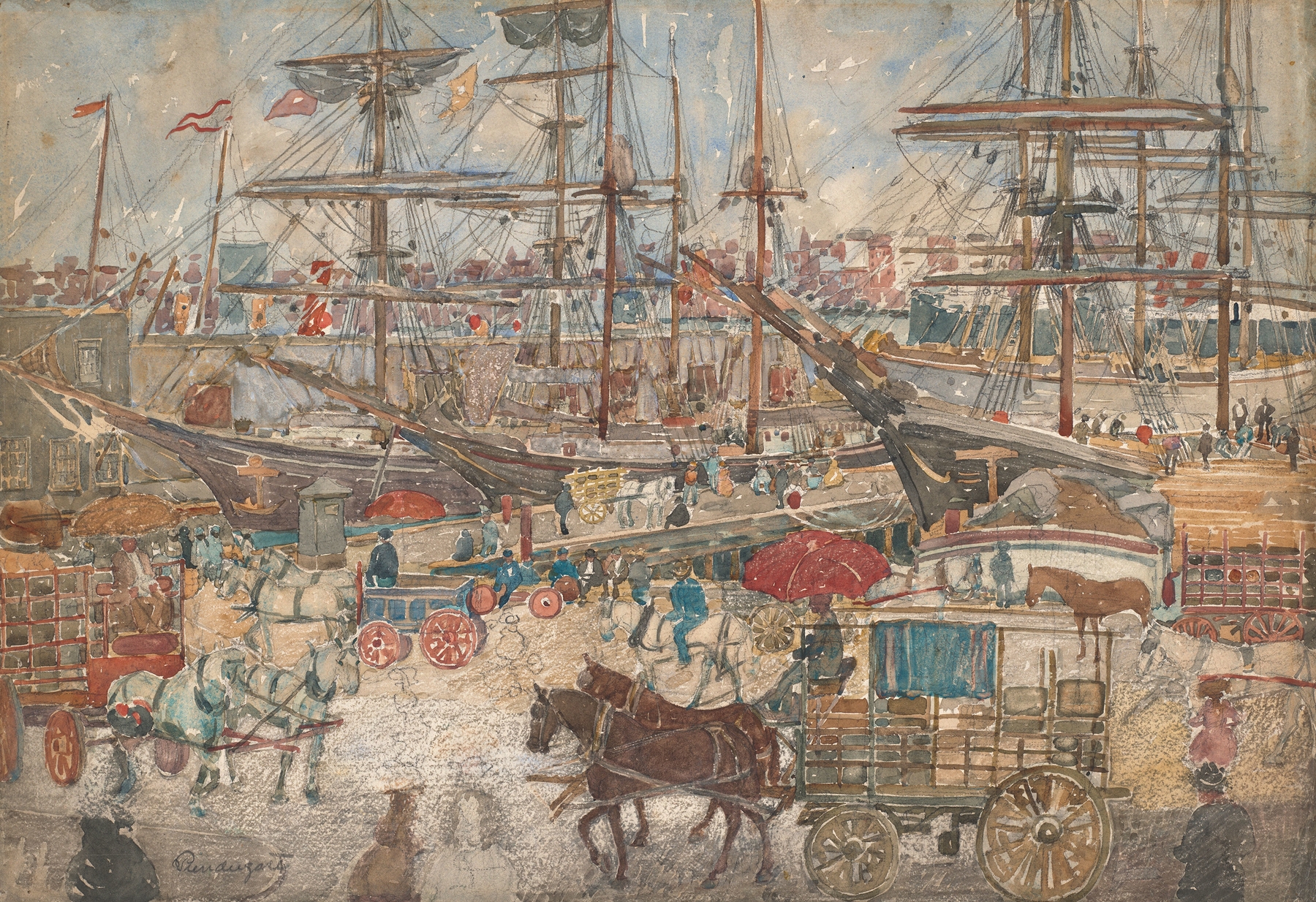
“Under the brush, chaos becomes grace.” In Shipyard, Children Playing, the essence of youthful joy dances playfully amid the industrial backdrop. The exuberance of childhood stands in stark contrast to the heavy machinery and stark lines of the shipyard, evoking a sense of fleeting innocence in a world dominated by labor and progress. Look to the left at the vibrant splashes of color that create a lively scene of children at play, their laughter almost audible through the strokes of paint. The artist employs a lively palette of blues, yellows, and reds, capturing the energy that radiates from the children while simultaneously grounding them in the earthy tones of the shipyard.
Notice how the light spotlights them, casting long shadows that suggest both the passage of time and the looming presence of adult responsibilities close at hand. The juxtaposition of innocence and industry leads to a deeper exploration of the illusion of freedom amidst the confines of reality. The children’s carefree gestures, frozen in joyful motion, offer a poignant reminder of the fleeting nature of childhood, mirroring the transformation of the surrounding environment as society embraces modernization. Here, the illusion of unencumbered play exists within the shadow of looming steel and labor, illustrating the tension between innocence and the weight of expectation.
In the early 1900s, when this piece was created, Maurice Prendergast was immersed in the vibrant art scene of Boston, a city grappling with rapid industrialization. The artist sought to capture the essence of modern life, blending Impressionist techniques with a keen eye for the nuances of everyday experience. This work emerged during a time when many artists were beginning to explore the intersection of human emotion and the evolving landscapes of their surroundings.