Sigismund’s Chapel — History & Analysis
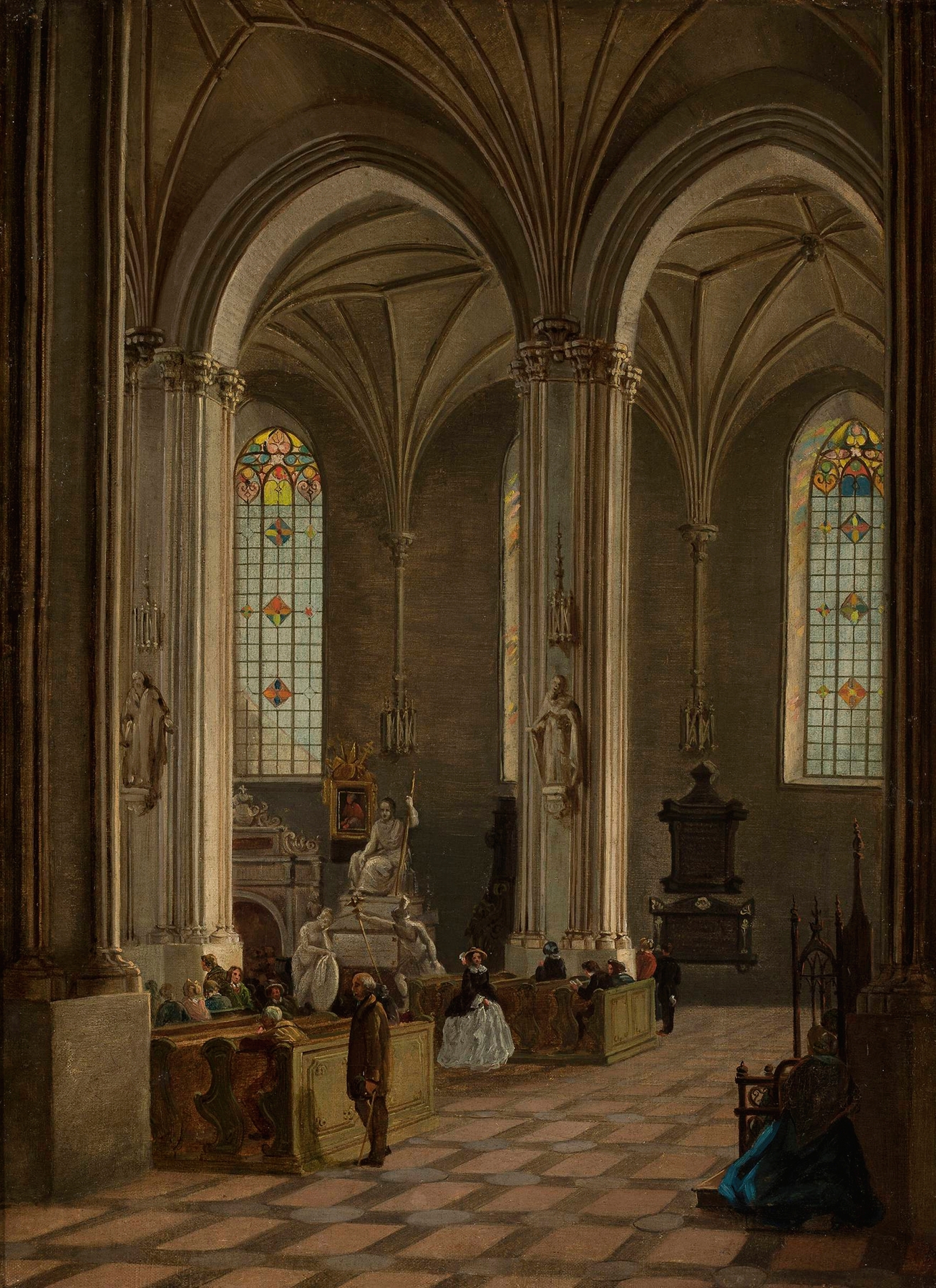
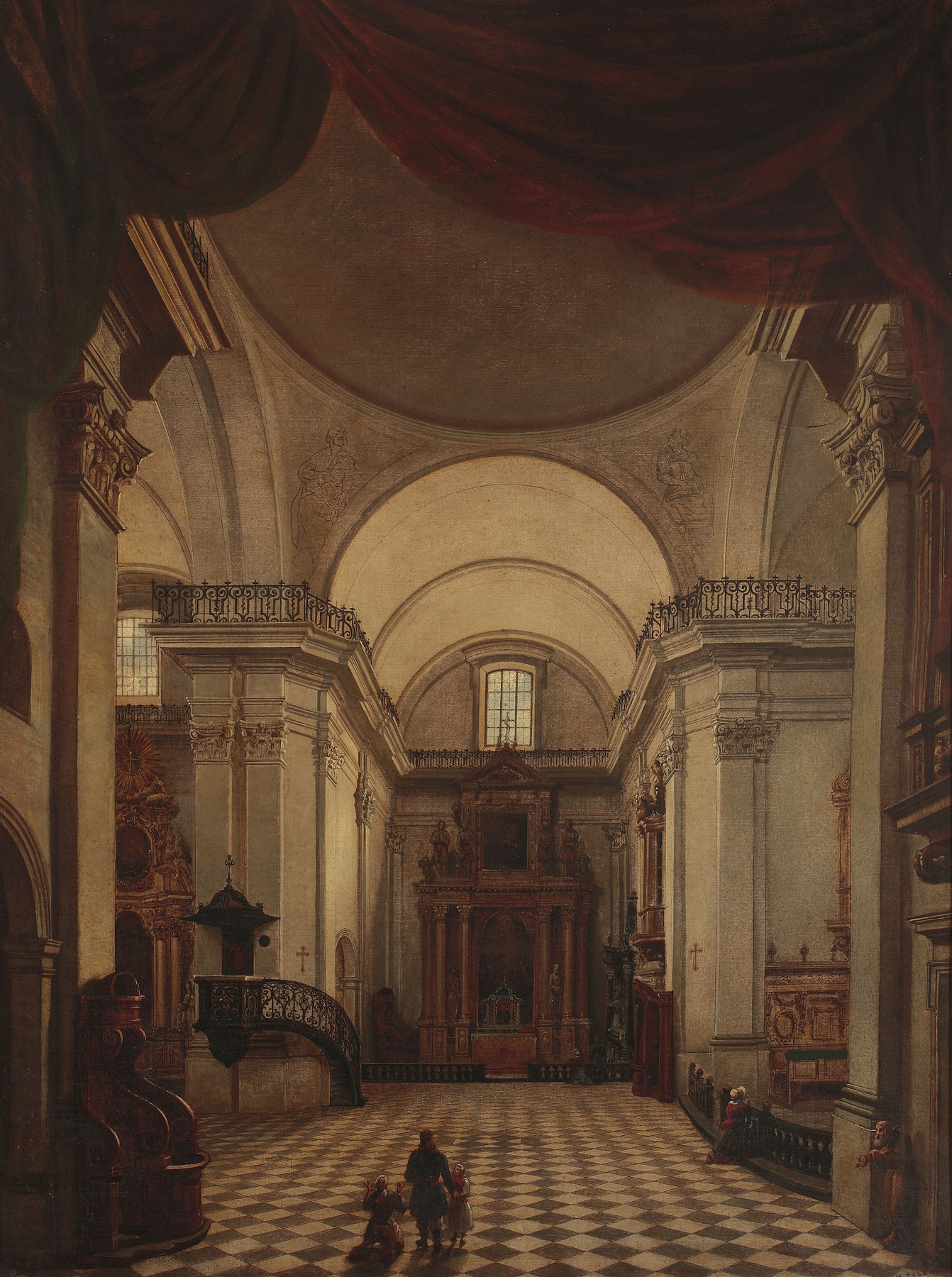
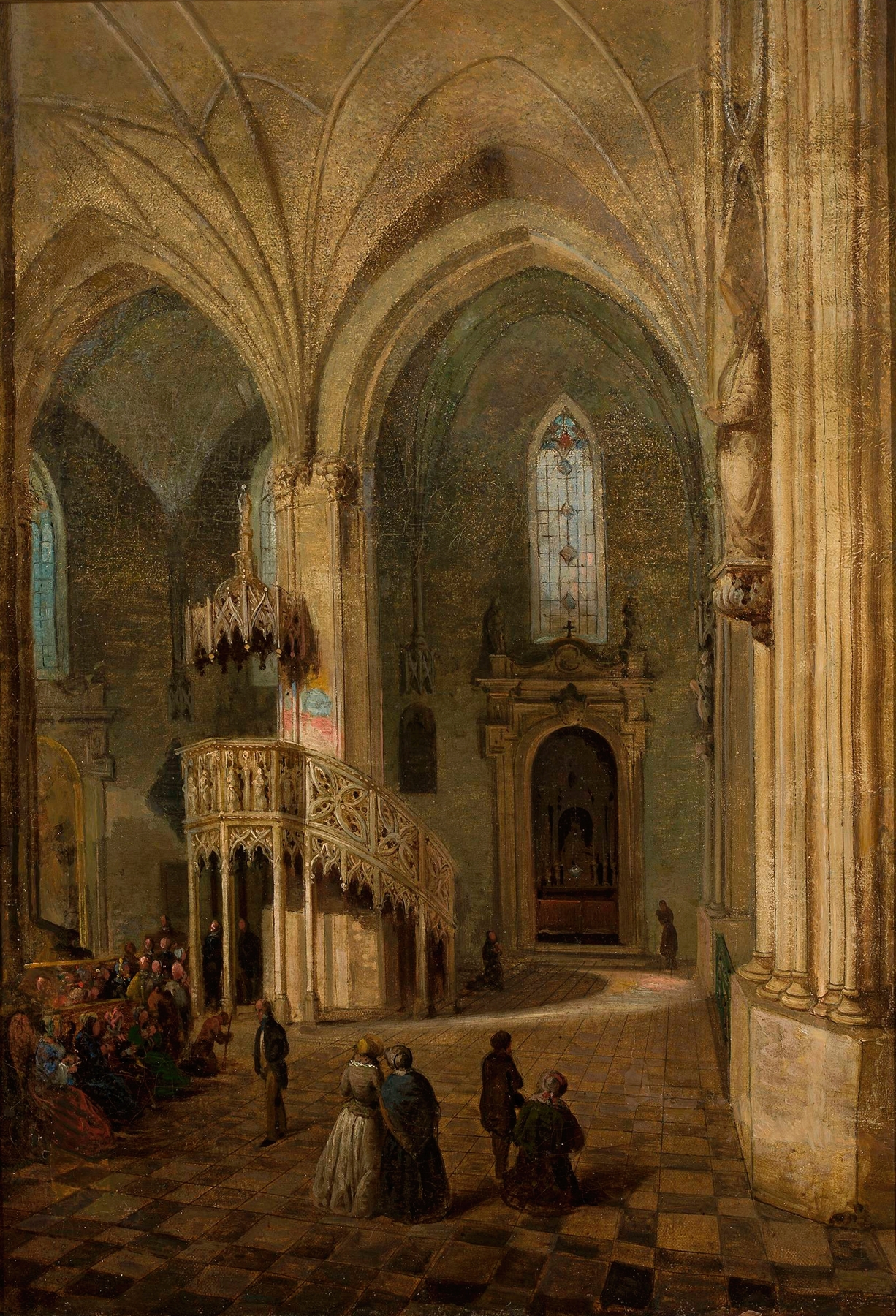
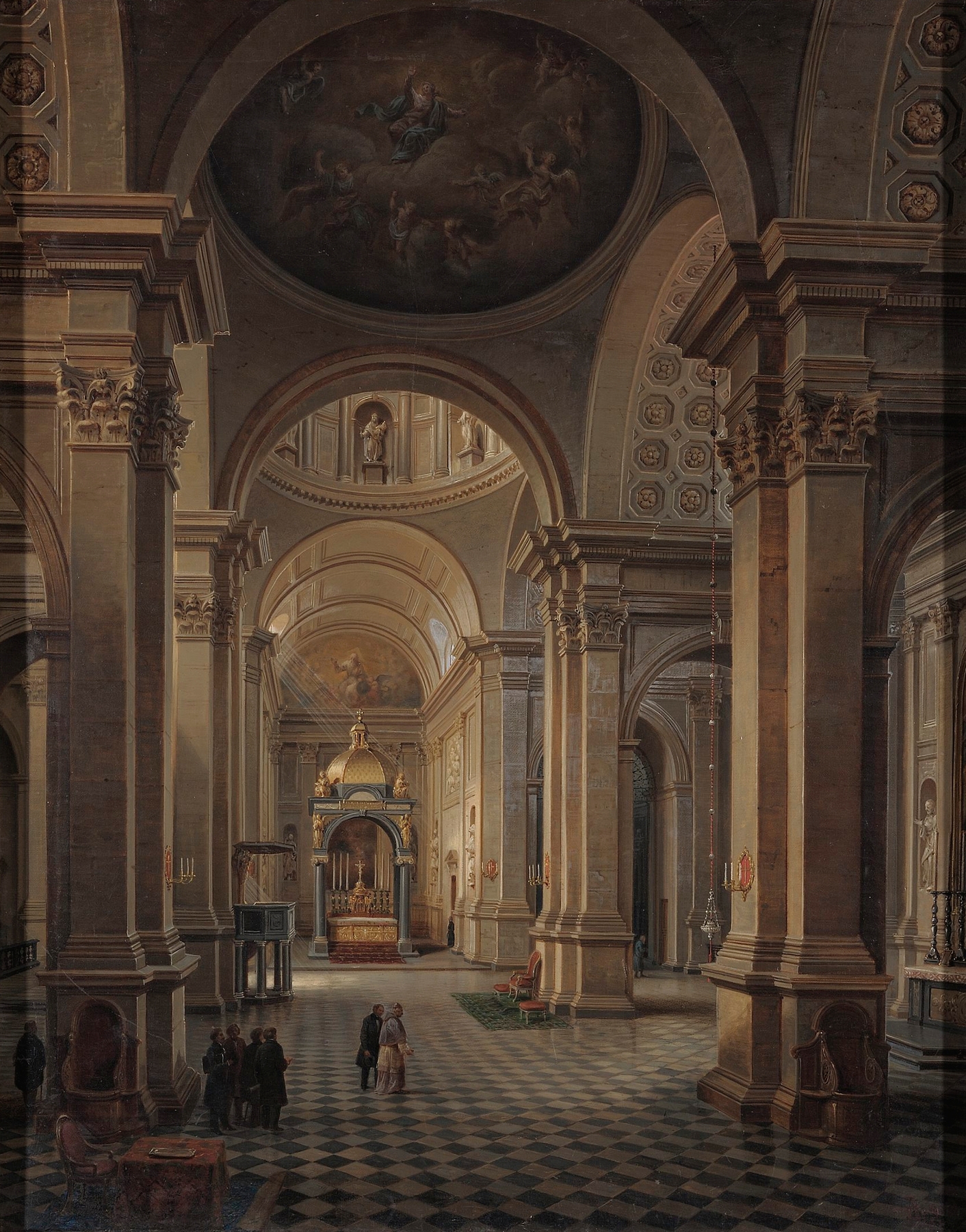
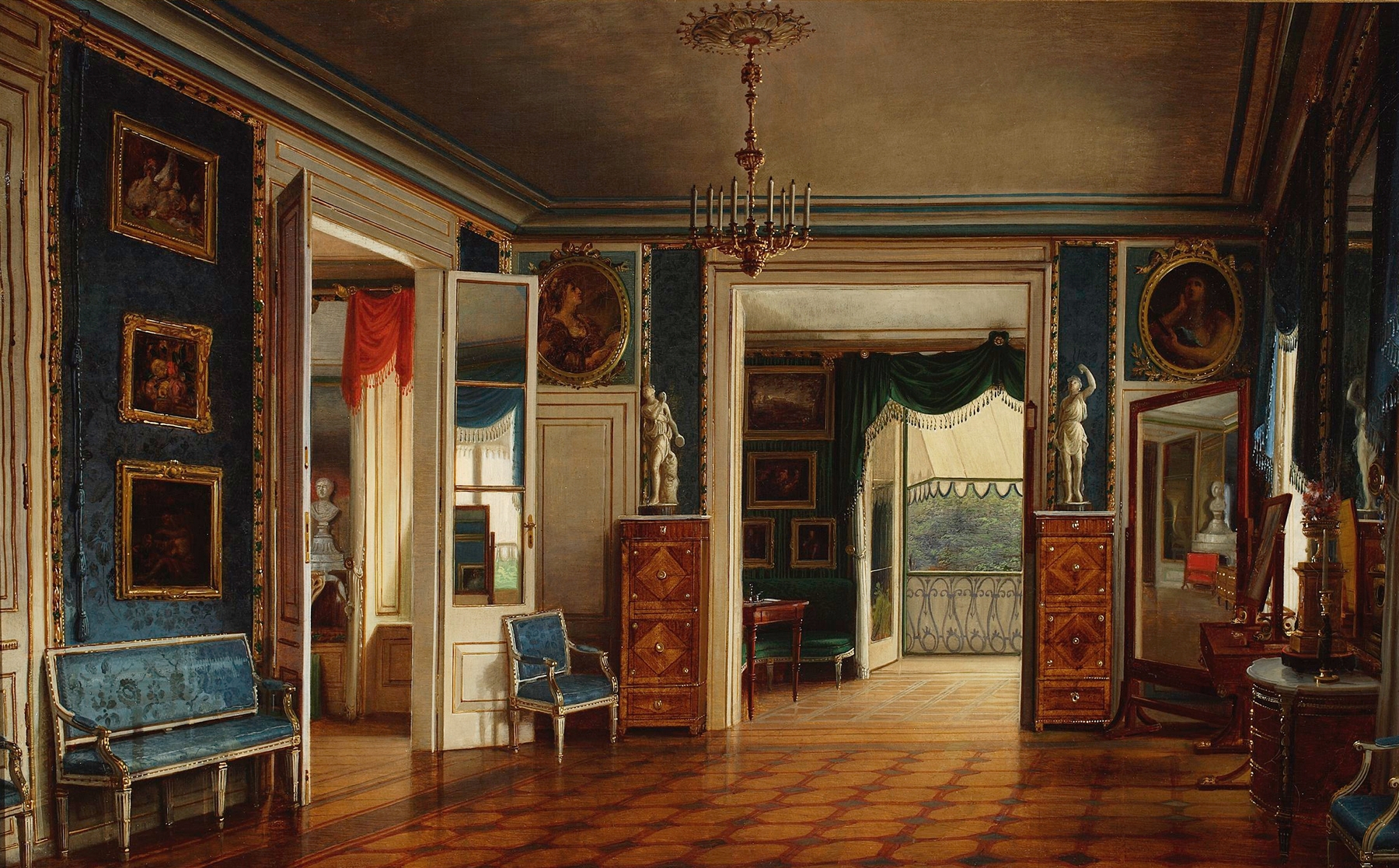
What if silence could speak through light? In Sigismund’s Chapel, that very mystique transpires, inviting viewers to contemplate the profound transformation that occurs within sacred spaces. Look to the light filtering through the stained glass, casting a kaleidoscope of colors onto the polished stone floor. Notice how the intricate details of the chapel's architecture draw the eye upward, guiding one’s gaze toward the ornate ceiling.
The soft interplay of shadows and brilliant hues creates an ethereal atmosphere, evoking a sense of quiet reverence that envelops the entire composition. Delve deeper into the contrasts present within the painting: the rigid lines of the stone contrast sharply with the fluid curves of the illuminated glass. Each figure captured, though immobile, seems to pulse with life, suggesting a moment suspended in time. This tension between the permanence of the structure and the ephemeral nature of the light speaks to the broader theme of transformation—how sacred spaces metamorphose through prayer, reflection, and divine presence.
During the early 19th century, Marcin Zaleski created this work within a context marked by Romanticism’s focus on emotion and spirituality. Living in Warsaw, Zaleski was influenced by the revival of interest in Gothic architecture and the spiritual essence of places of worship. The period was one of national upheaval and artistic exploration, allowing him to imbue Sigismund’s Chapel with a sense of nostalgia and aspiration, evoking both personal and collective memory.