Skyscrapers from the Gladstone — History & Analysis
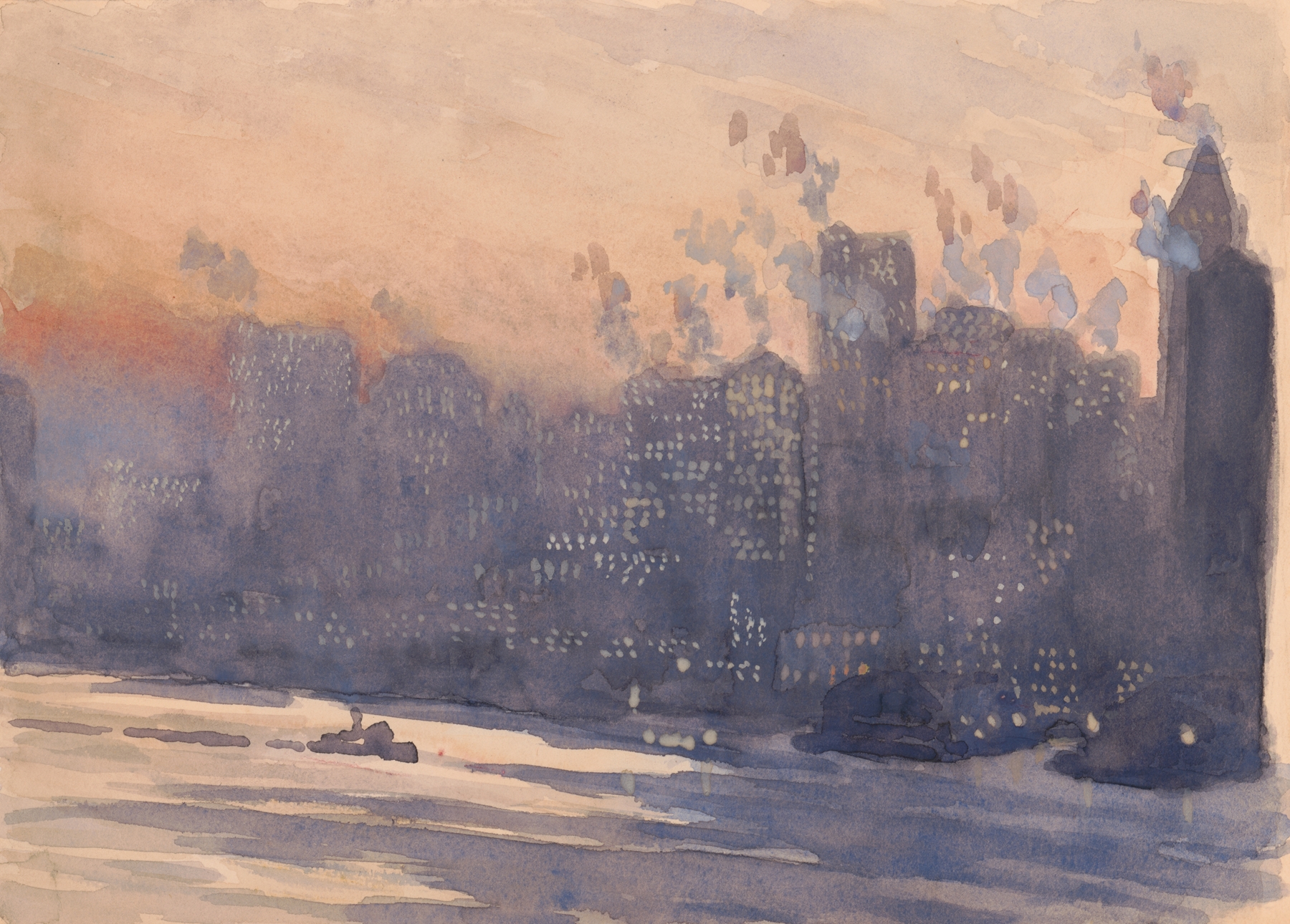
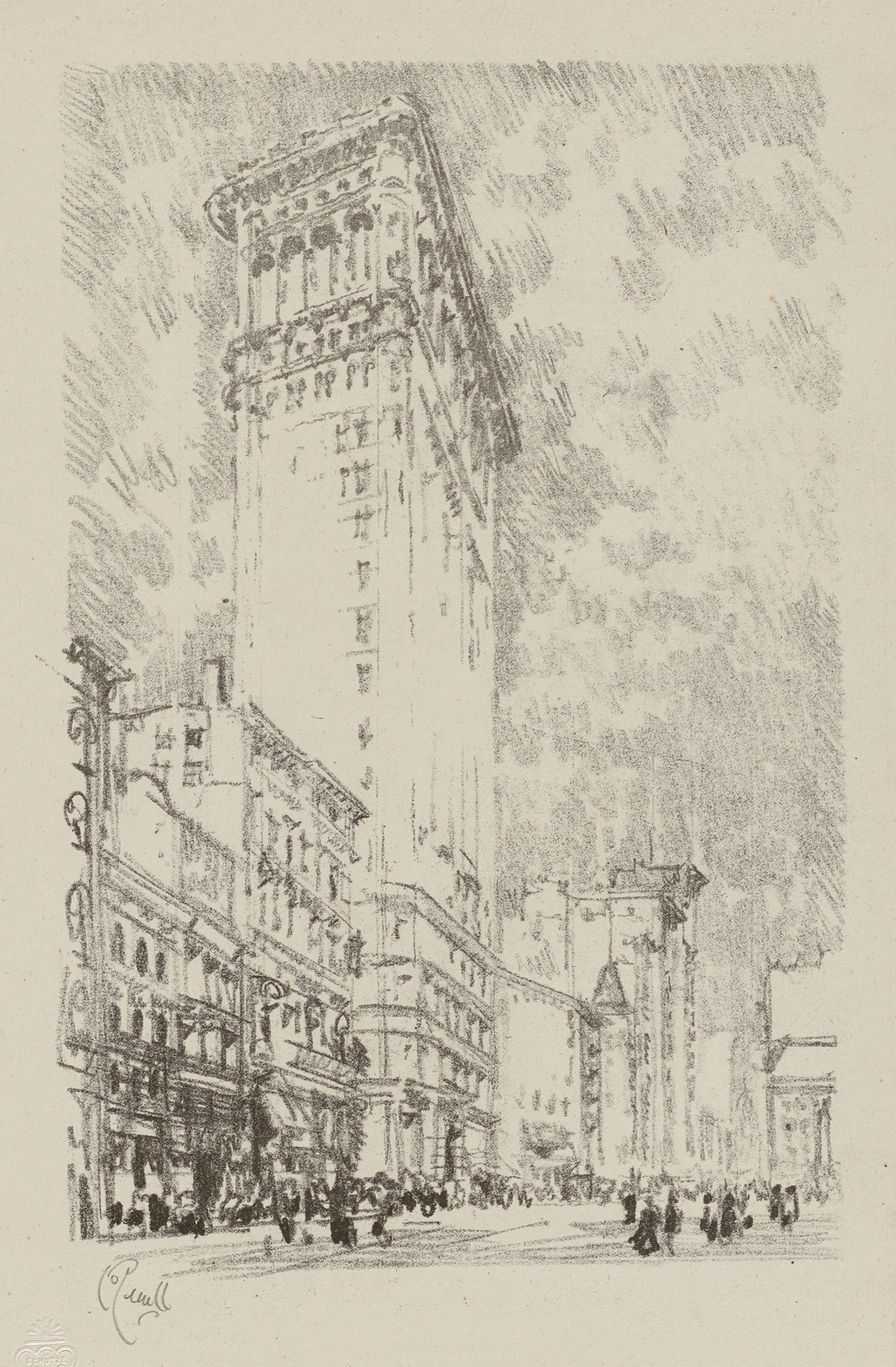
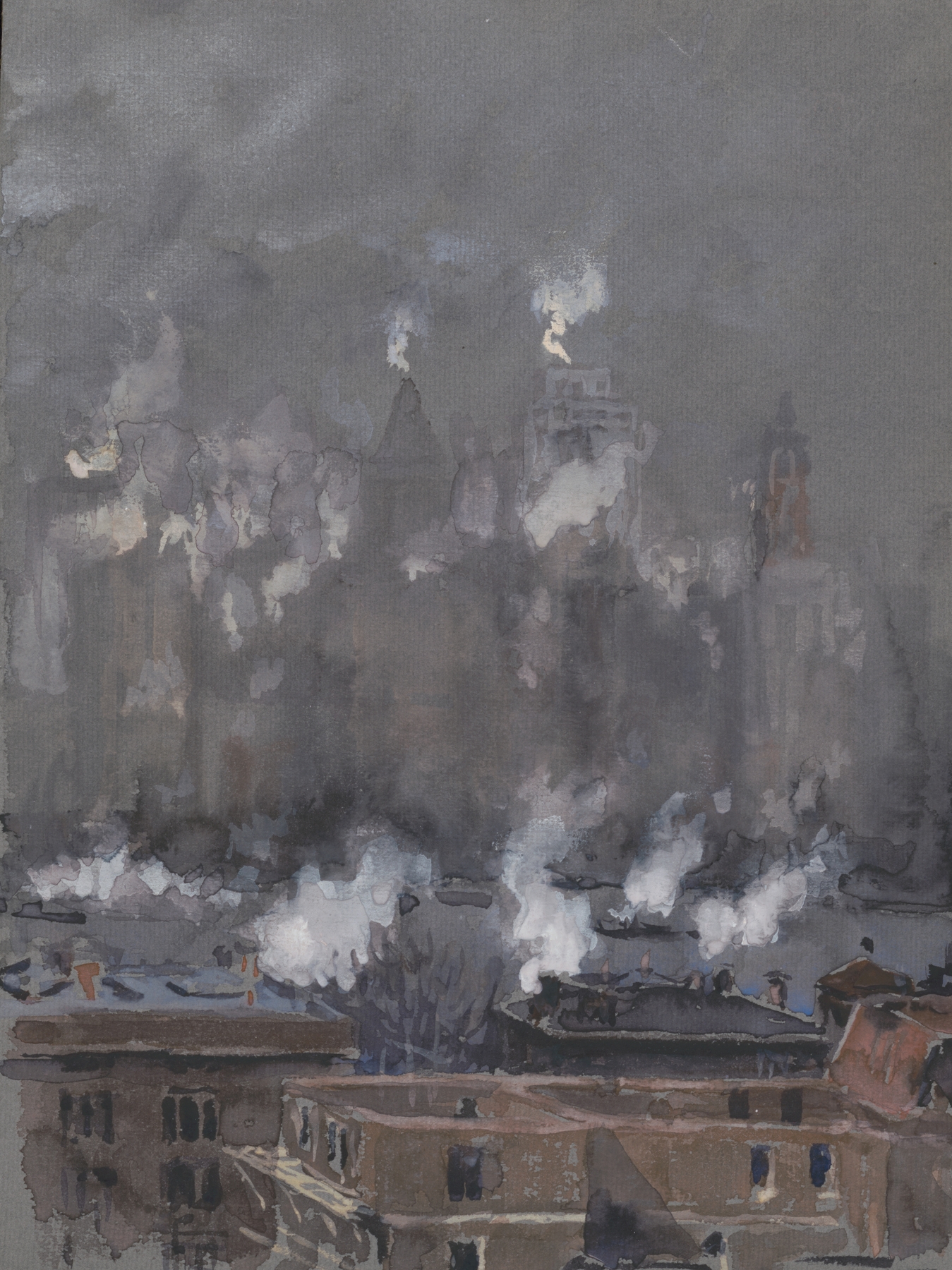
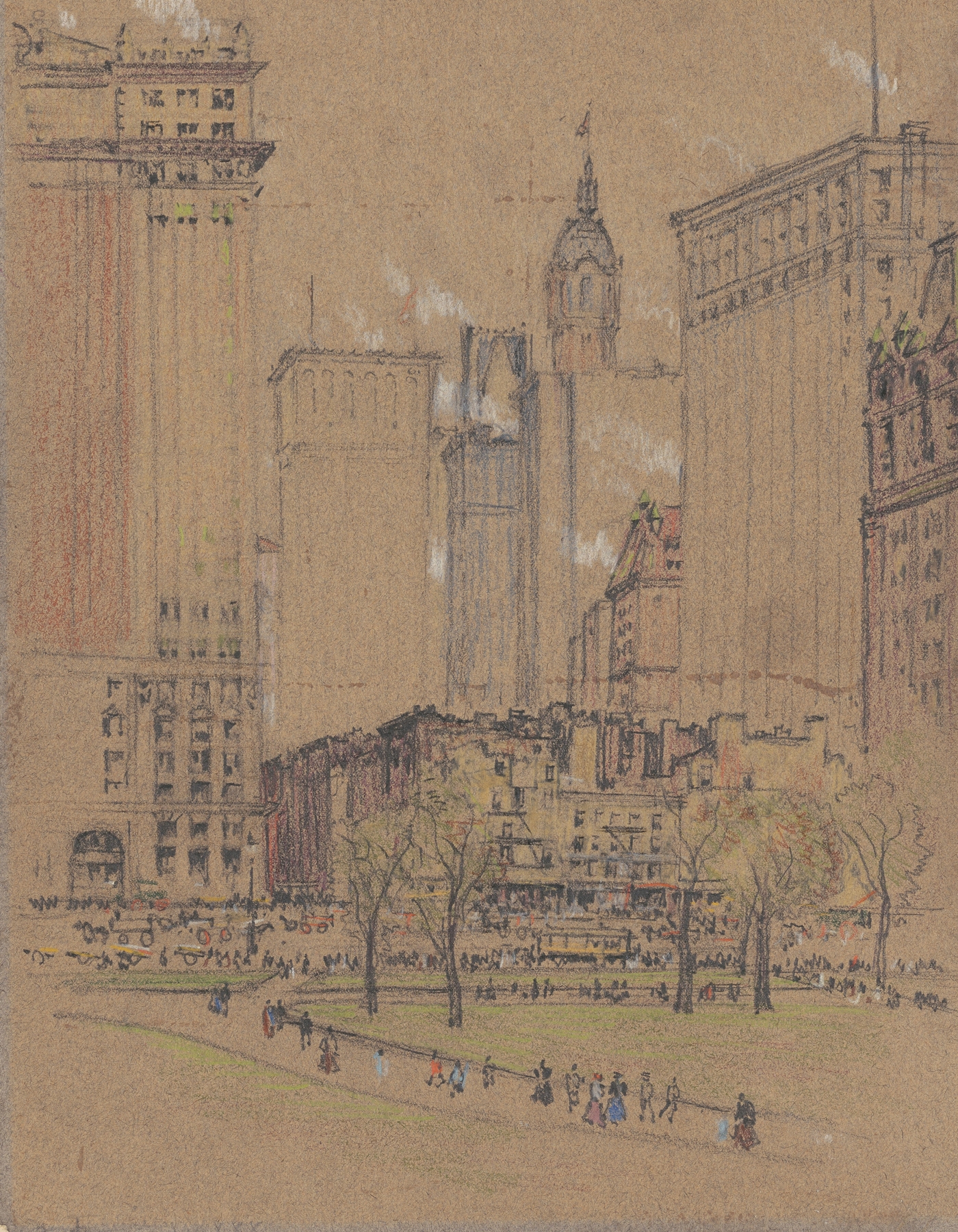
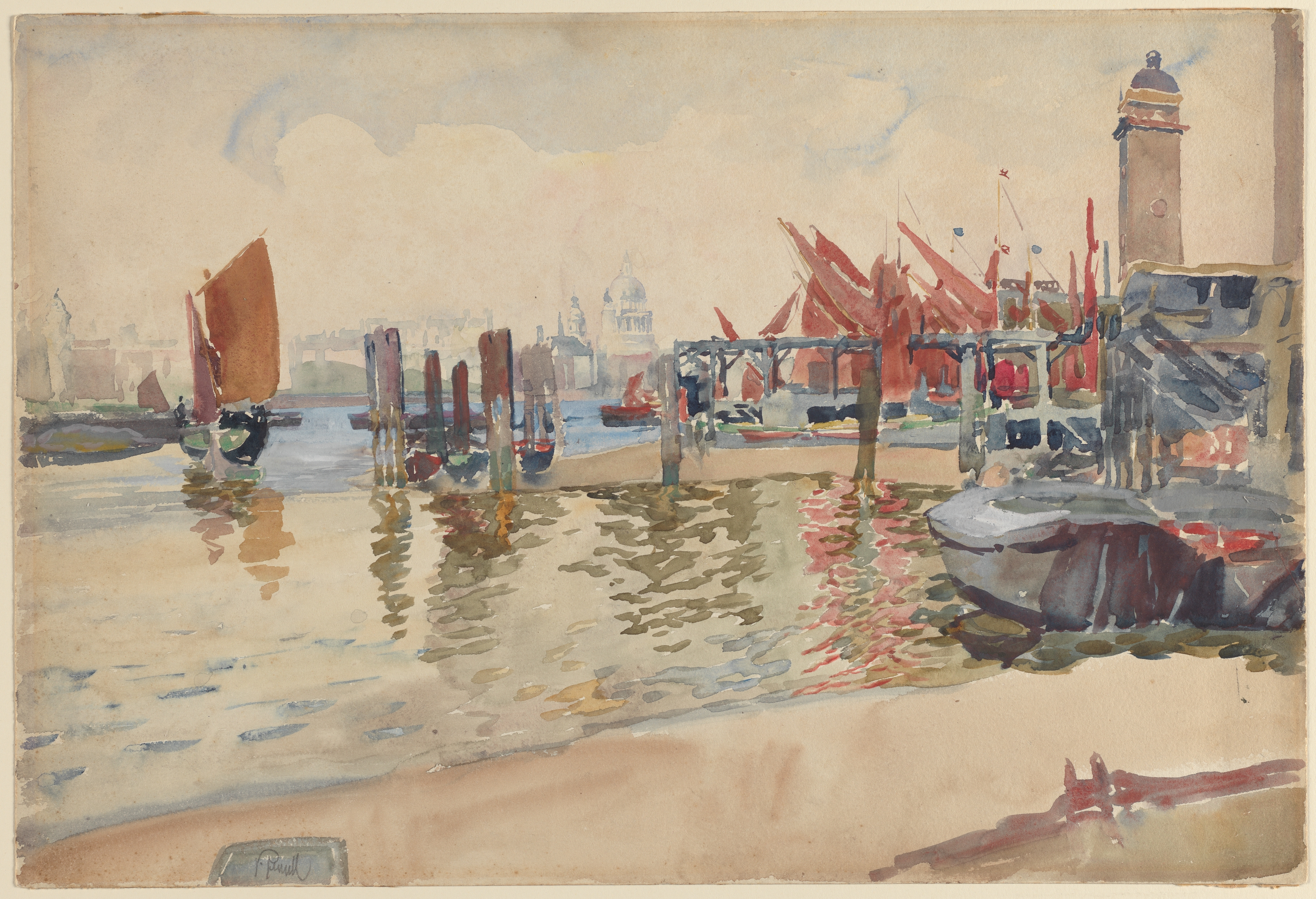
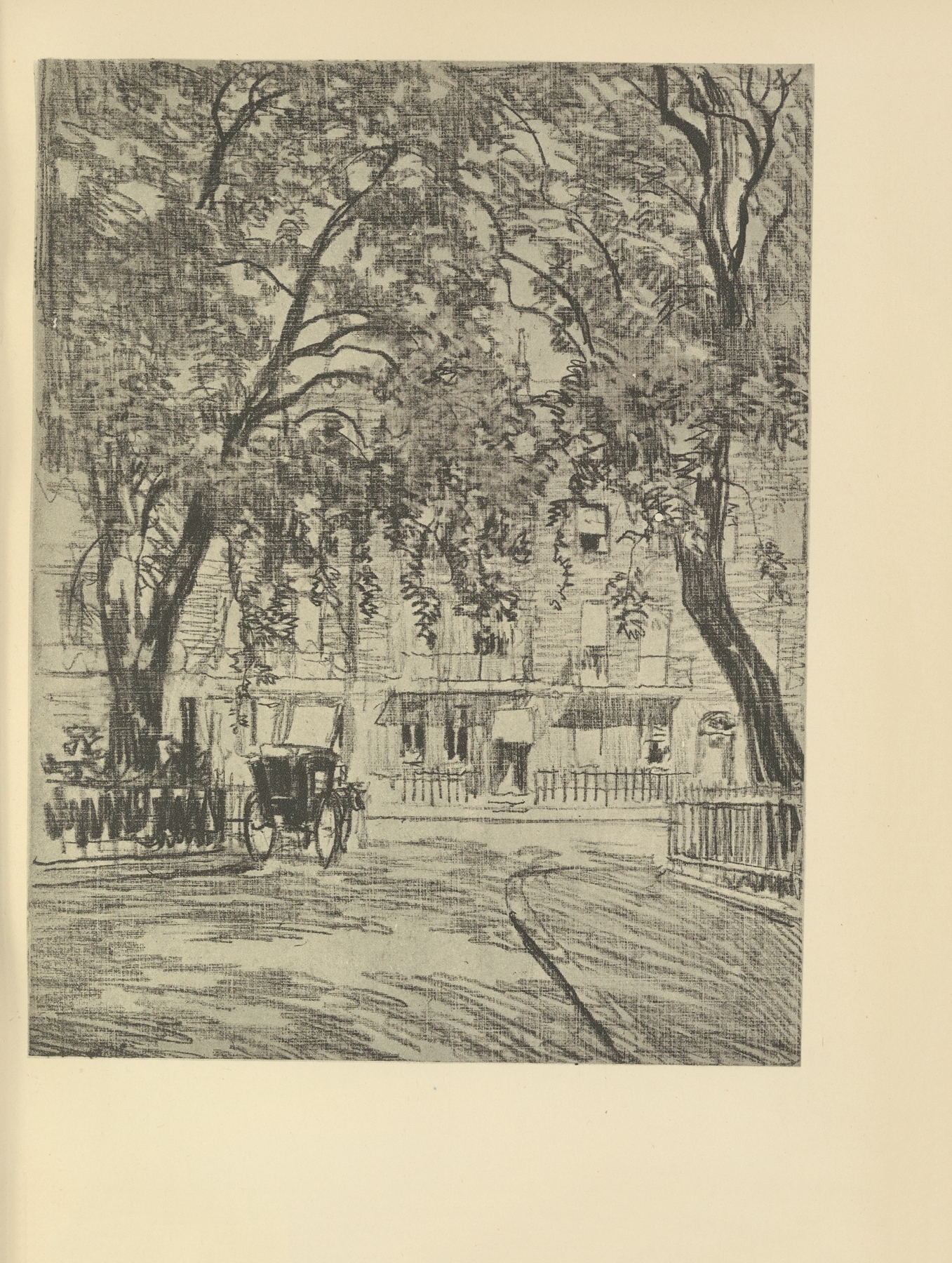
Where does light end, and longing begin? In the intricate interplay of shadows and silhouettes, Skyscrapers from the Gladstone reveals a world poised on the brink of ecstasy, capturing a moment where ambition and artistry fuse. Look to the center of the composition, where towering skyscrapers pierce the sky, their sharp lines reaching towards an unseen horizon. Notice how the delicate etching technique creates a rich texture, allowing the light to dance across the surfaces of glass and steel. The interplay of stark black against bright white emphasizes the ethereal quality of the structures, imparting a sense of both awe and trepidation.
The composition draws the eye upward, suggesting a sense of aspiration that is both exhilarating and intimidating. As you explore further, consider the juxtaposition between the looming buildings and the sky’s soft clouds. There is a tension between the man-made and the natural, a reflection of society's relentless pursuit of progress contrasting with the desire for serenity. This dichotomy whispers of the emotional weight carried by urban dwellers, encapsulating a yearning for connection amidst the isolation of towering structures.
The viewer is left contemplating the price of advancement; the ecstasy of achievement often shadowed by a sense of loss. In 1912, Joseph Pennell created this piece during a period of rapid urbanization in America, capturing the essence of a nation on the cusp of modernity. Living in New York City, he witnessed firsthand the architectural transformations that defined the skyline. This work emerged amidst a flourishing artistic scene, where printmaking and etching were becoming increasingly popular, allowing artists to explore new techniques and perspectives on contemporary life.