Slapend kind met zandloper en vier schedels — History & Analysis
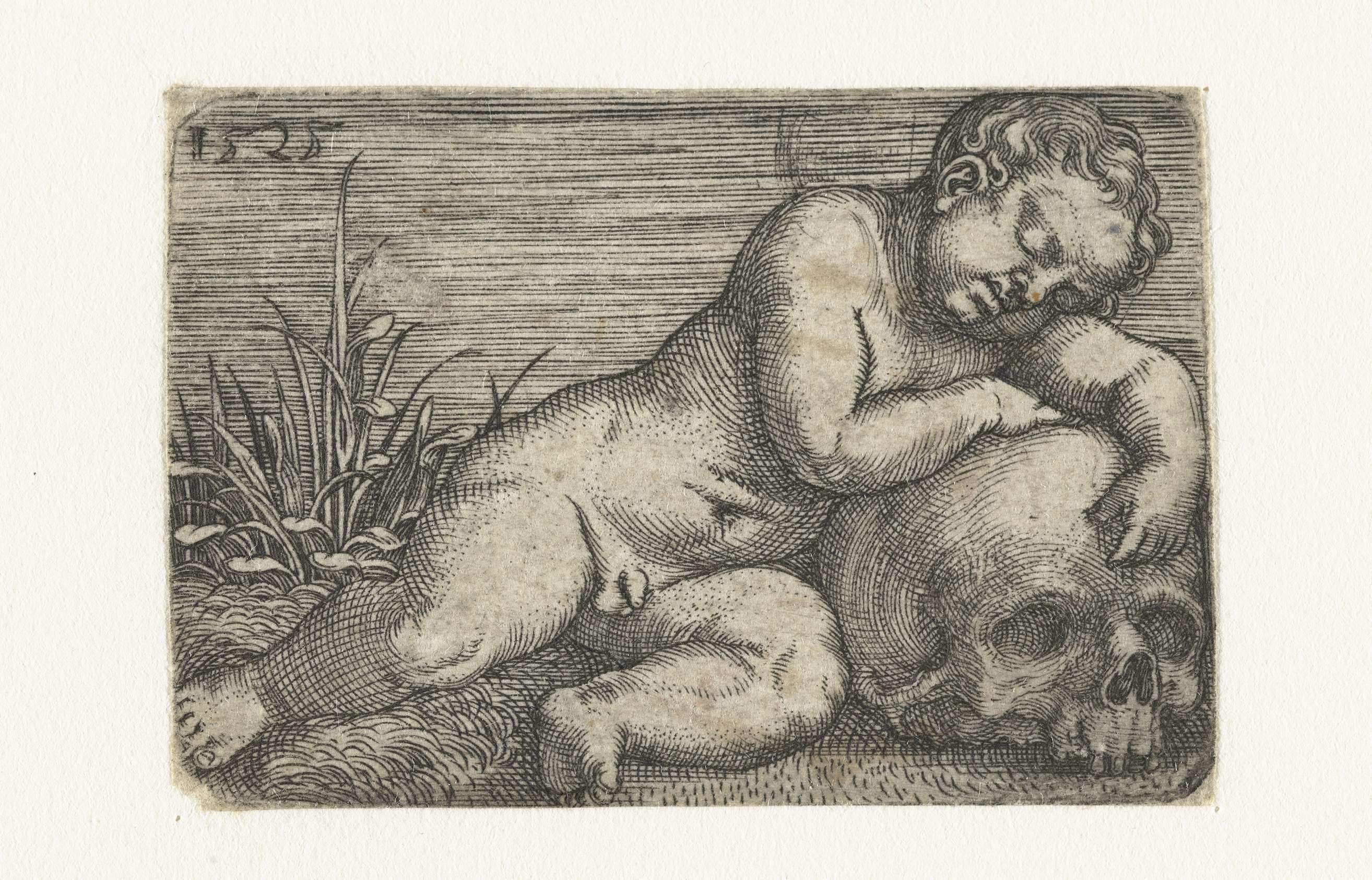
Is this a mirror — or a memory? In Slapend kind met zandloper en vier schedels, the interplay between life and death invites us to reflect on the transient nature of existence itself. Focus on the serene child, cradled in slumber, surrounded by the ominous presence of four skulls. The soft, muted tones envelop the figure, while the contrasting starkness of the skulls draws your gaze, urging contemplation.
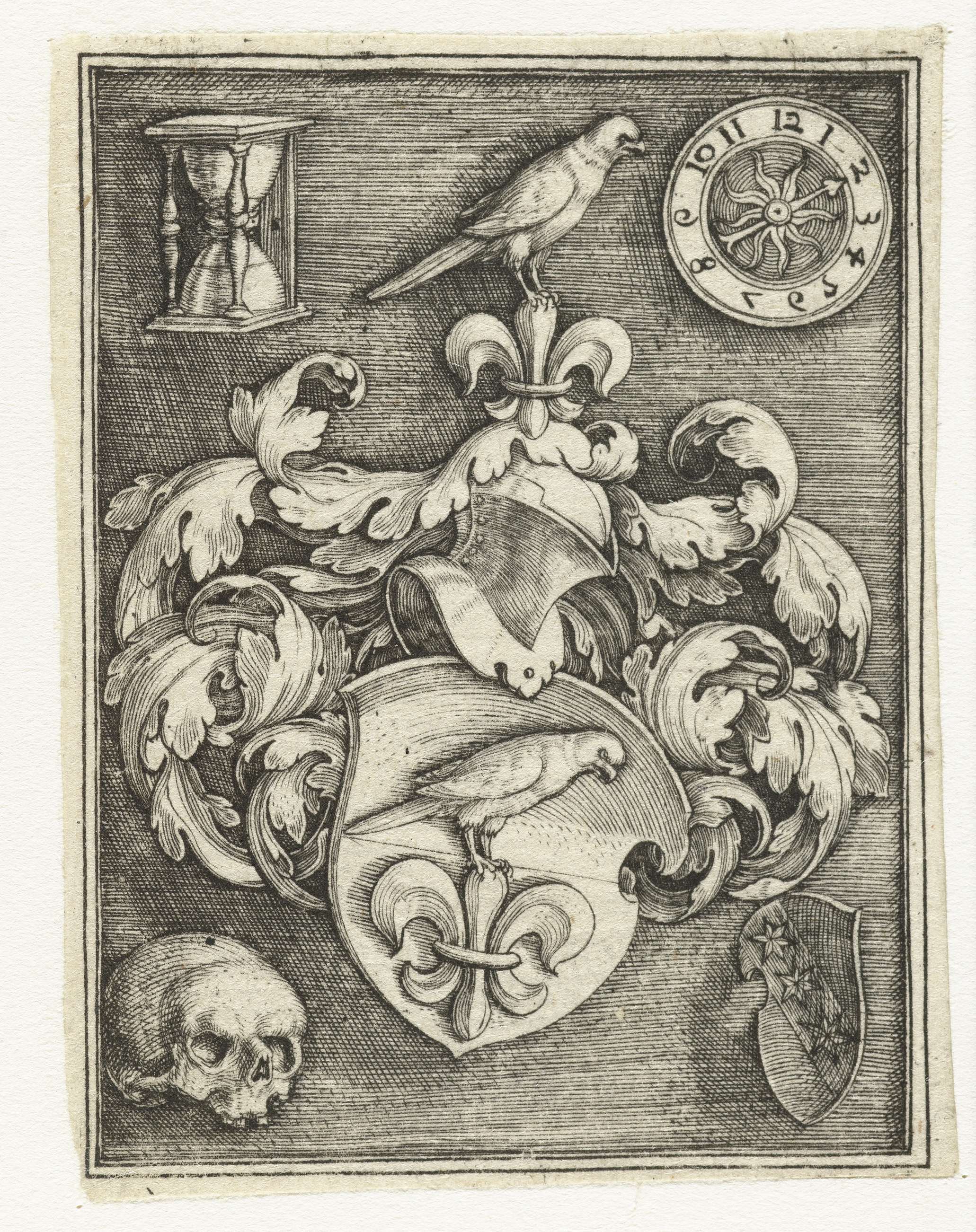
Notice how the gentle curves of the child’s form create a sense of warmth and innocence, sharply juxtaposed against the harsh lines and shadows of mortality looming nearby. Each element is meticulously rendered, revealing the artist’s skill in balancing light and dark, inviting viewers into a deeper dialogue between the ethereal and the macabre. The juxtaposition of the innocent child and the foreboding skulls speaks to the fragility of life, evoking a rich tapestry of emotions. The hourglass, resting almost inconspicuously amidst these macabre reminders, suggests the relentless march of time and the inevitable fate that awaits us all.
The child’s peaceful repose amplifies this contrast, compelling us to ponder the tension of existence — a moment of bliss overshadowed by the certainty of mortality. During the years 1512 to 1540, as Barthel Beham painted this profound piece, he was deeply entrenched in the vibrant world of Northern Renaissance art, where themes of life, death, and spirituality were prevalent. Living in Nuremberg, Beham engaged with the burgeoning humanist movements and the fascination with allegorical representations, reflecting the complexities of his time through this thought-provoking artwork.