Slapend kind met zandloper en vier schedels — History & Analysis
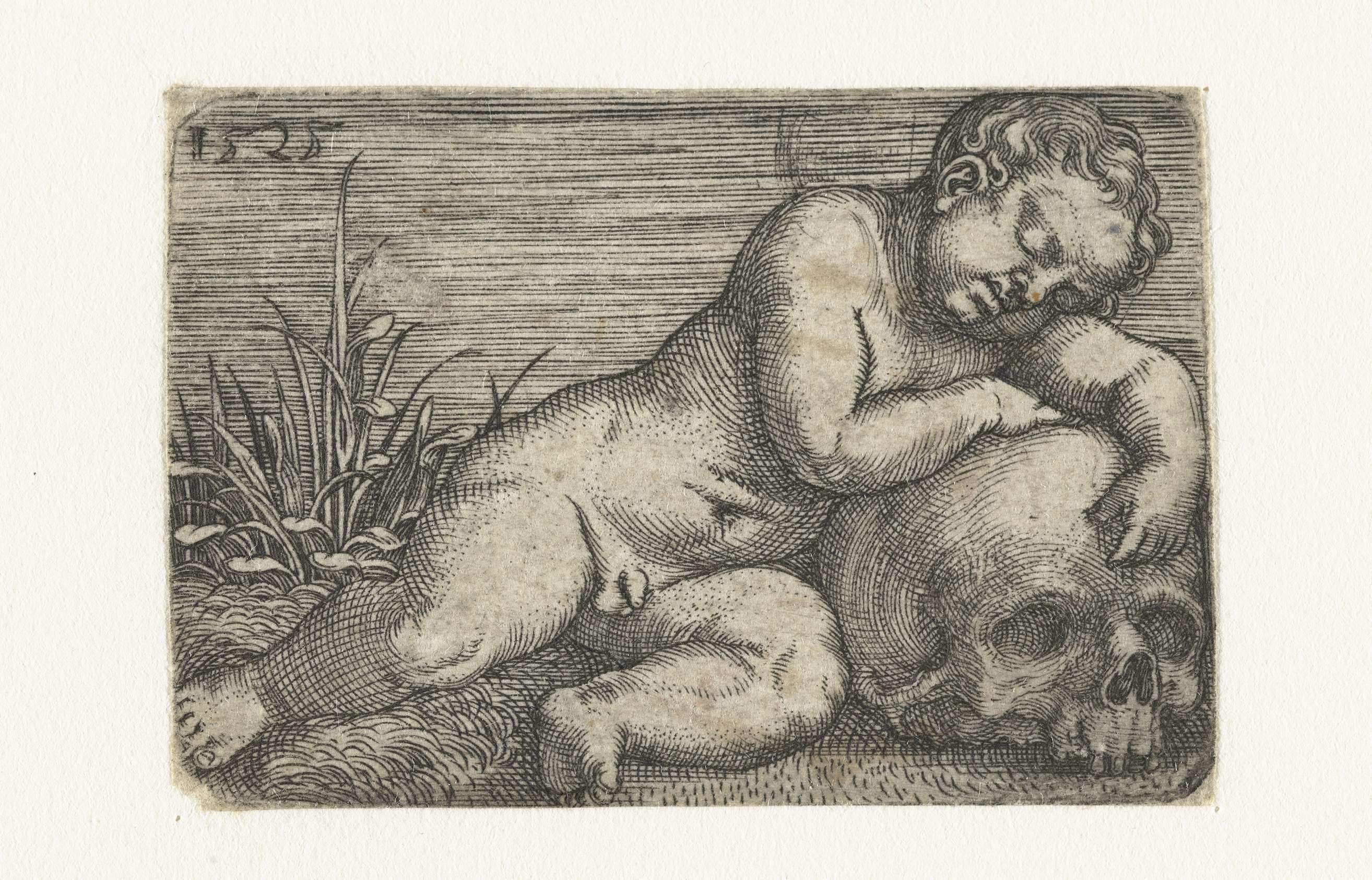
“Between color and silence, truth hides.” In Slapend kind met zandloper en vier schedels, nostalgia weaves through the fabric of existence, inviting contemplation of life’s ephemeral nature. The imagery stirs reflections on childhood innocence juxtaposed against the inevitability of mortality, creating a poignant dialogue that resonates across centuries. Look to the center of the composition, where a sleeping child lies serenely, cradled in the warmth of soft, muted colors. The delicate contours of the child’s face are illuminated by an ethereal glow, contrasting sharply with the stark presence of four skulls strategically placed around.
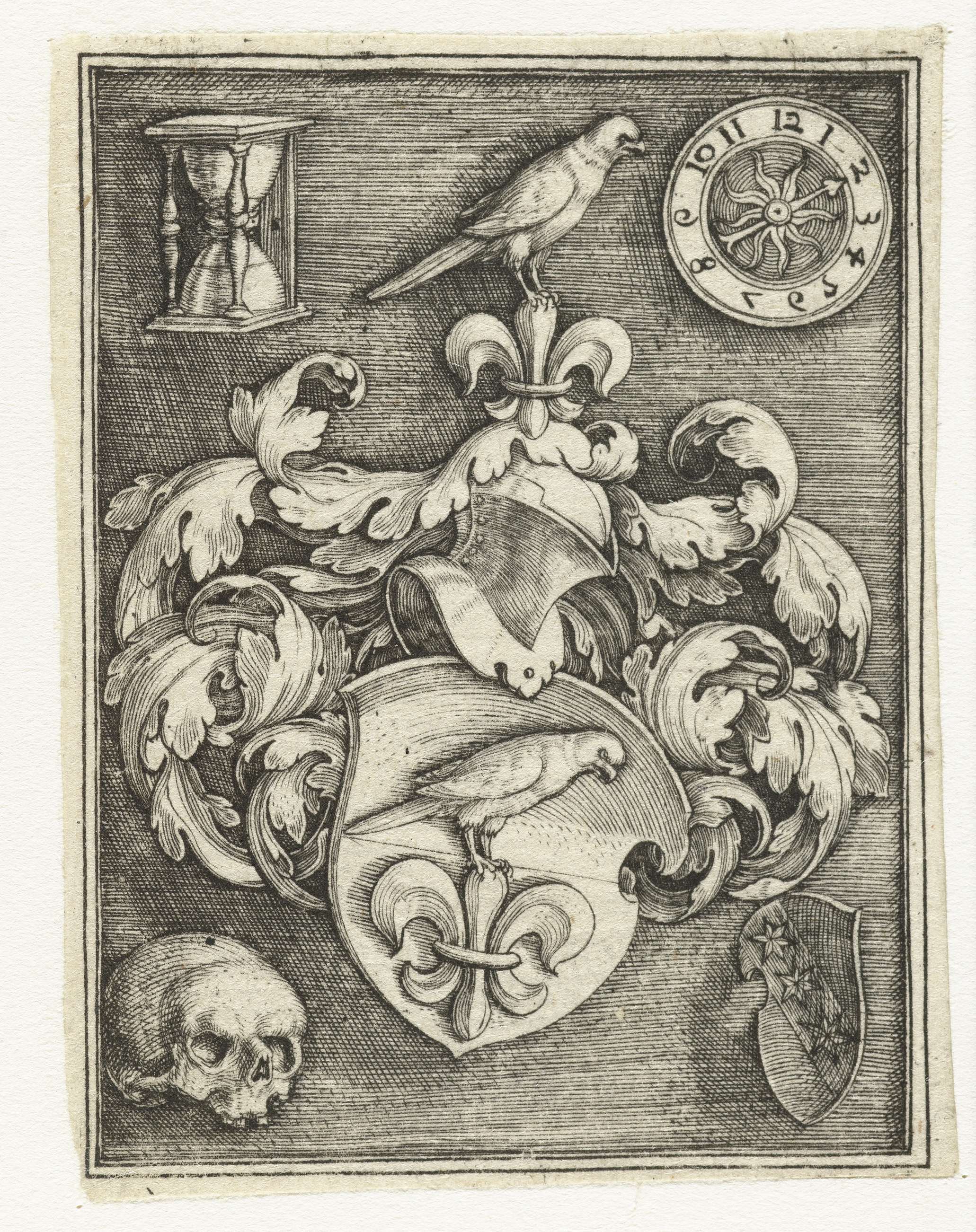
Each skull, with its weathered surface, echoes an unsettling reminder of life’s transience. Notice how the hourglass, a symbol of time, rests beside the child, its sand trickling downward, indicating that moments, once held, are forever lost. The emotional tension arises from this juxtaposition—the juxtaposition of innocence and mortality, stillness and the relentless flow of time. The child’s peaceful slumber serves as a metaphor for innocence untouched by the harsh realities of life, while the skulls whisper of inevitability and decay.
The balance of light and shadow, coupled with the somber tones, deepens the viewer’s connection to this paradox, inviting a meditative exploration of existence. Barthel Beham painted this work between 1512 and 1540, a period marked by the rise of northern Renaissance art. Working in Germany, Beham was influenced by the humanist ideals of the time, which sought to reconcile classical themes with contemporary life. The painter’s focus on both realism and symbolism reflects the society's grappling with themes of death and the fragility of life, making his work profoundly relevant amid the cultural transformations occurring in Europe.