South American Scene With A Cabin — History & Analysis
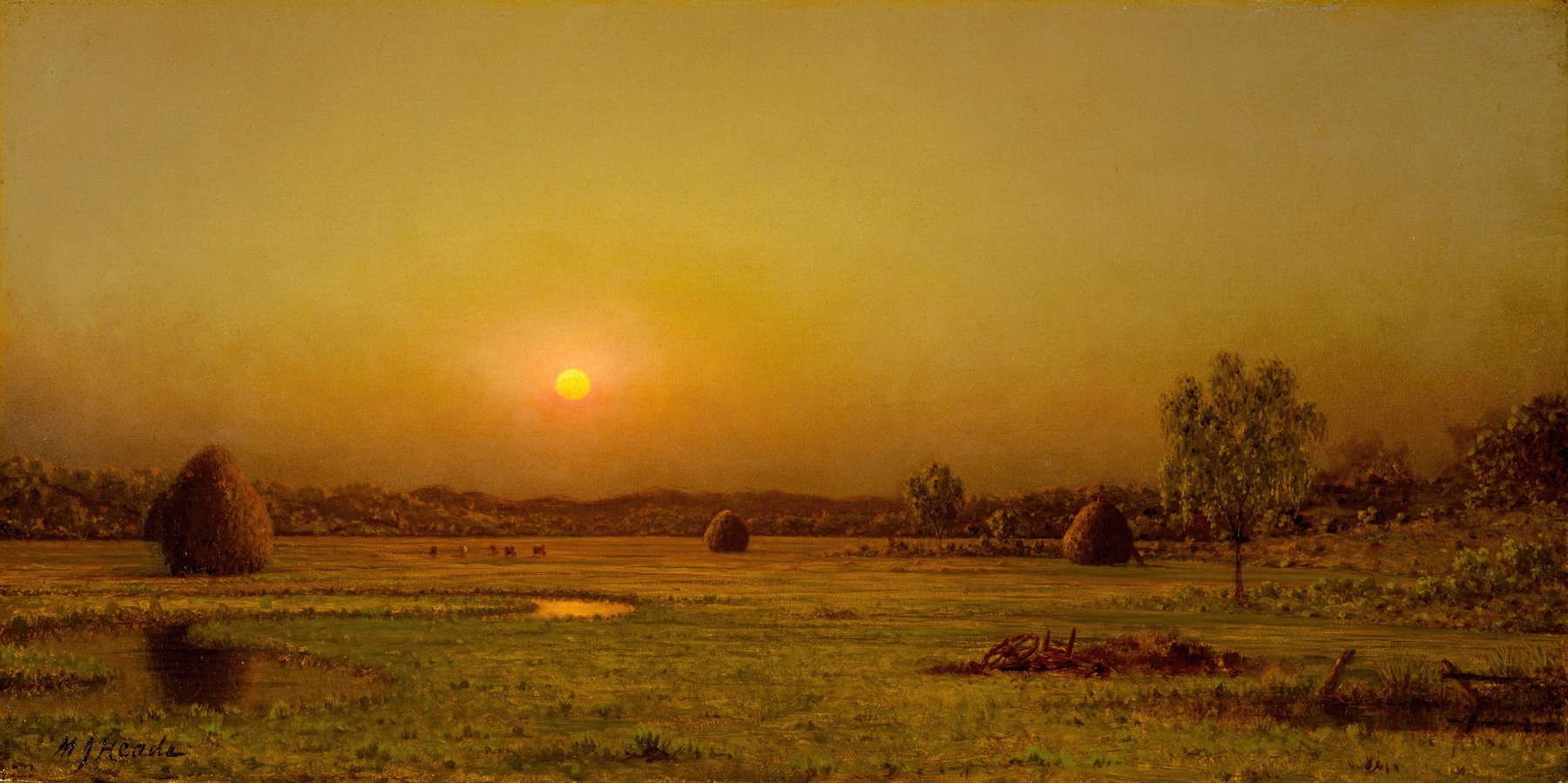
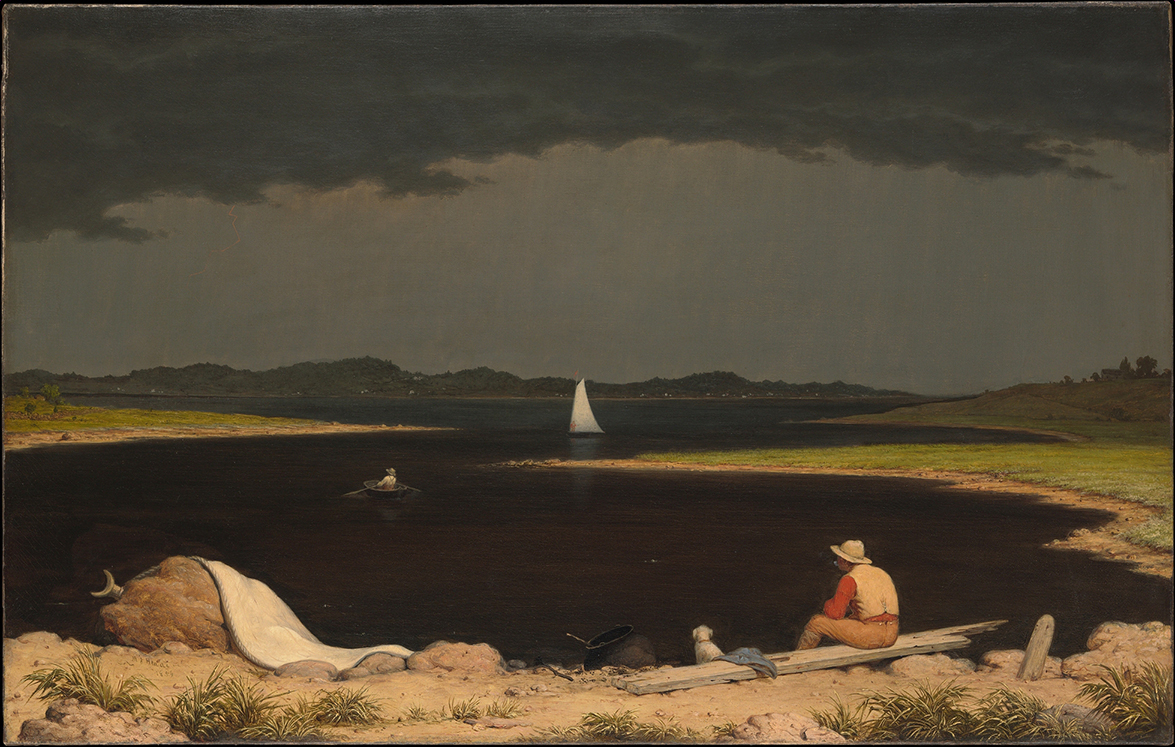
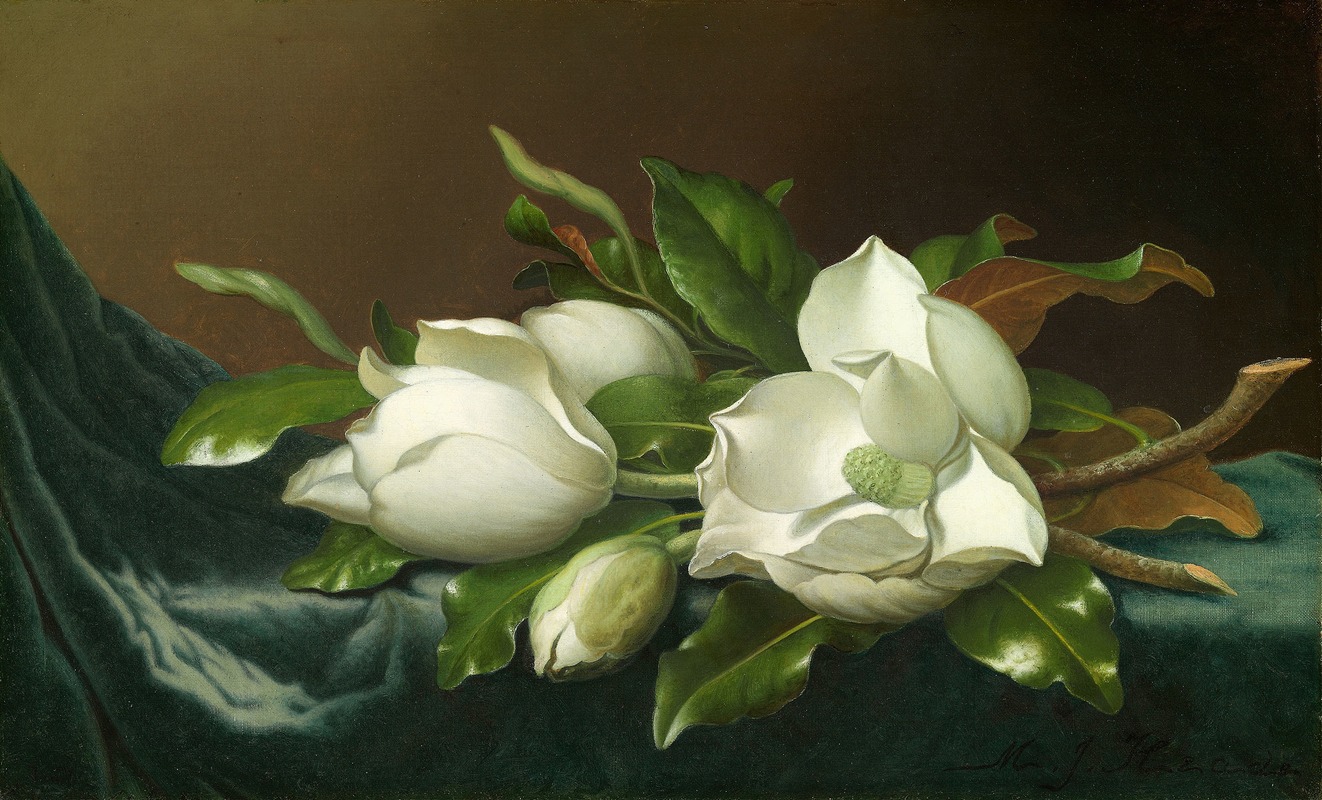
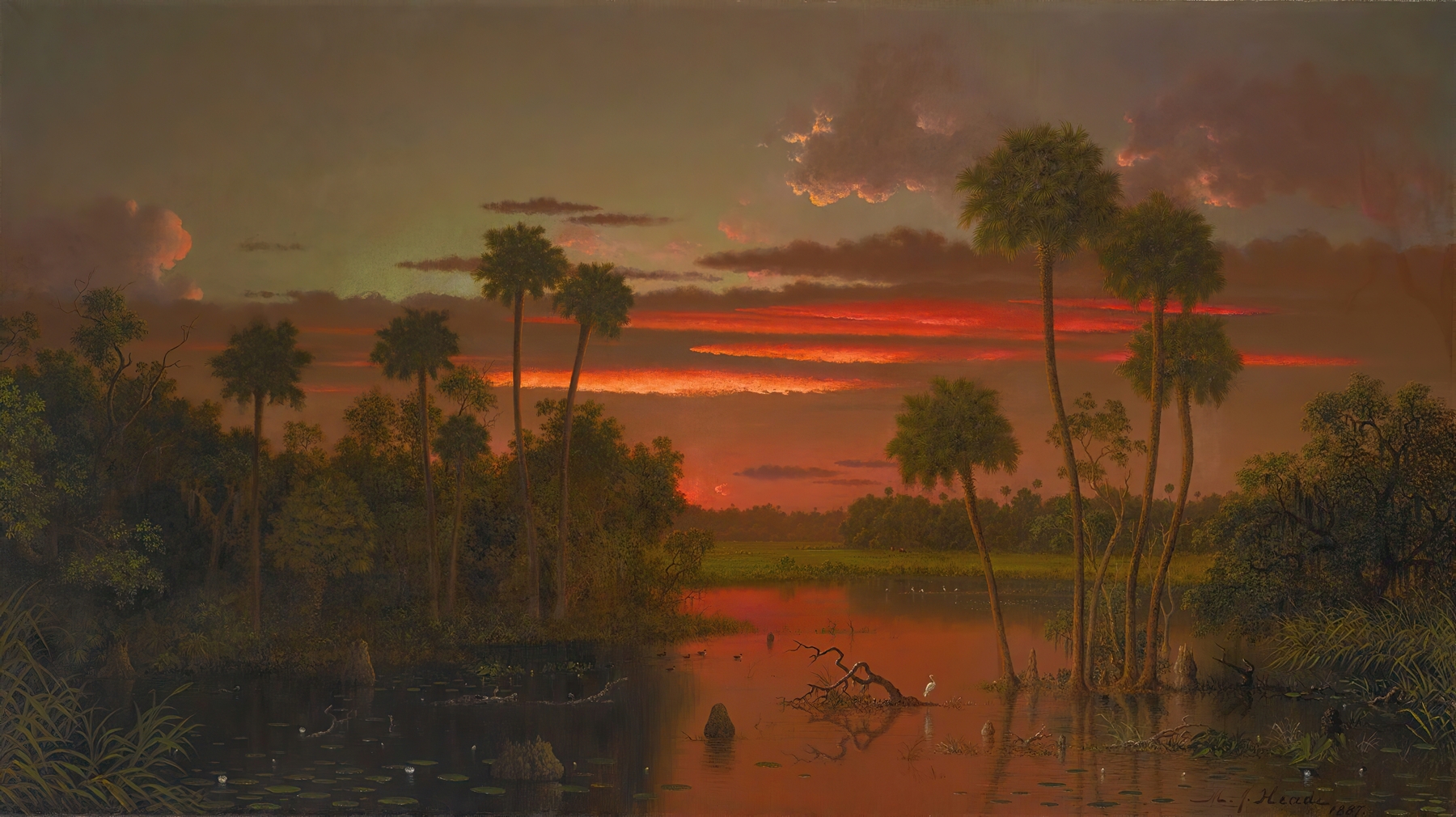
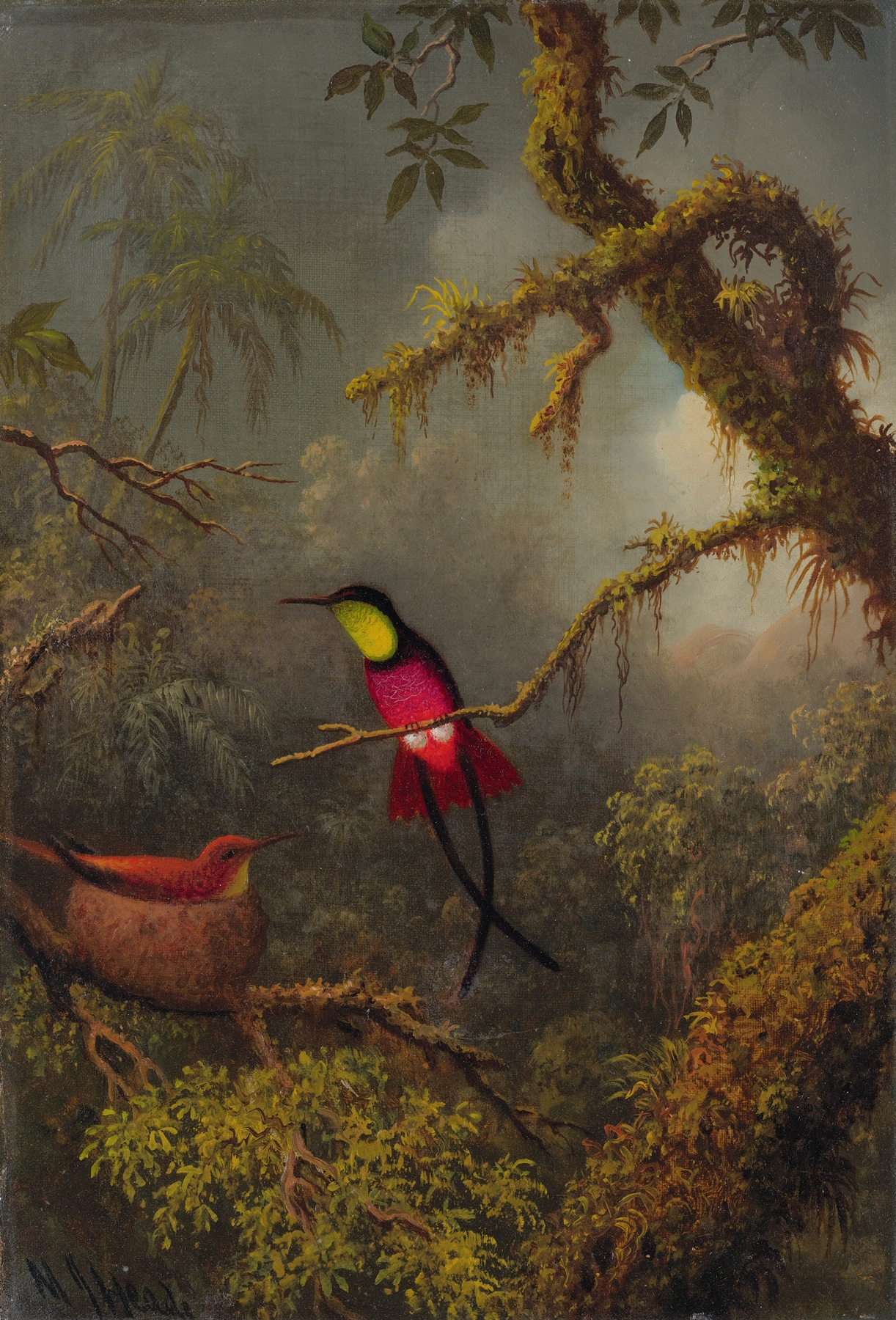
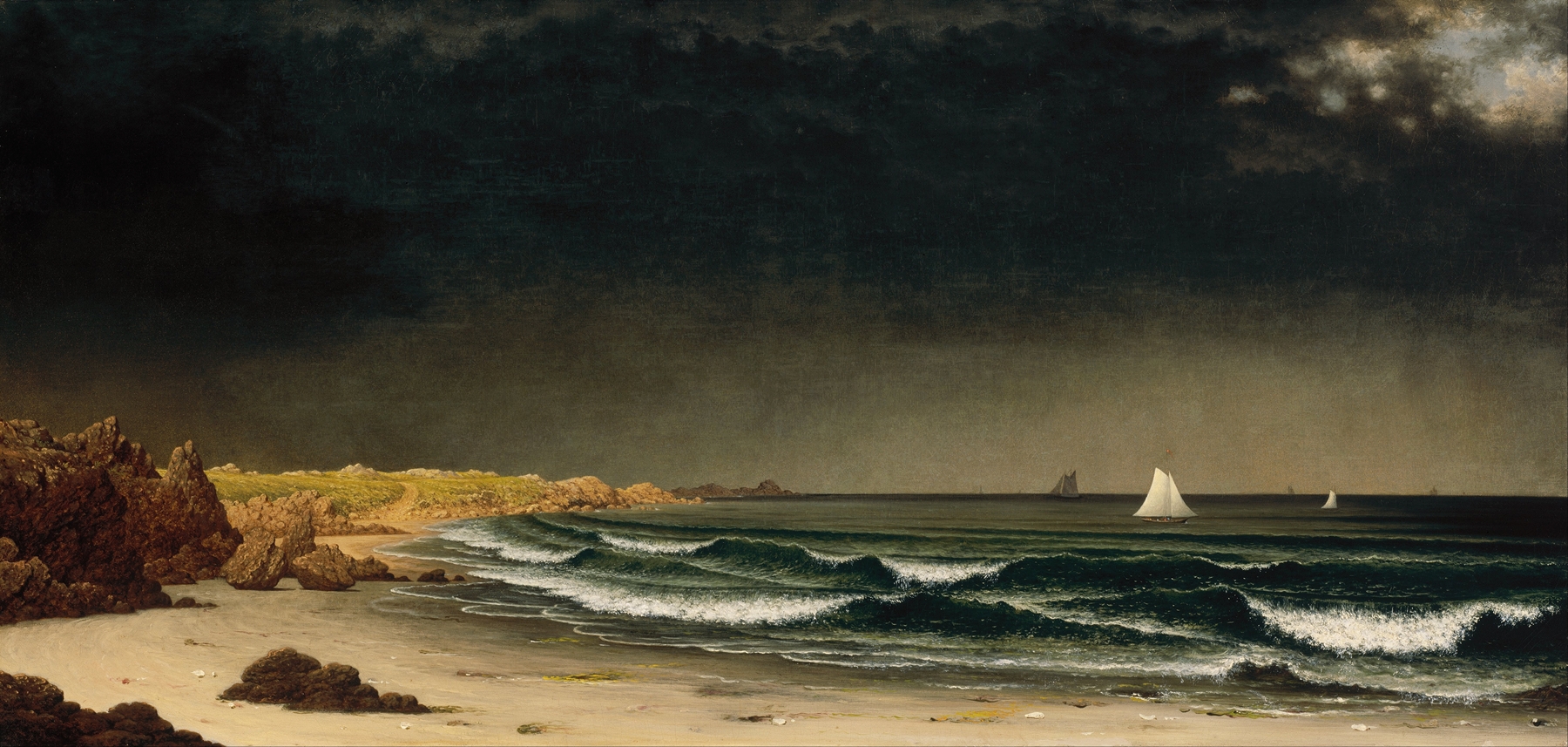
“Under the brush, chaos becomes grace.” The delicate interplay of nature and humanity is one of art's greatest transformations, inviting us to pause and reflect on the world’s complexities. Focus on the center of the canvas, where a rustic cabin sits nestled among the lush greenery. The painter's use of vibrant greens and warm earth tones creates an inviting atmosphere, while the dappled light filtering through the trees hints at life just beyond the frame. Notice how the cabin, with its weathered structure, seems to harmonize with the surrounding landscape, blurring the lines between man-made and natural beauty.
This careful composition draws the eye, encouraging exploration of the intimate relationship between the dwelling and its environment. Beneath the surface, the artwork offers deeper insights into the themes of solitude and connection. The cabin, though seemingly isolated, radiates a sense of belonging within the abundant flora. The surrounding foliage whispers tales of resilience, suggesting that life thrives in both solitude and community.
The contrasts of light and shadow reflect the dualities of existence—comfort and loneliness, man and nature—inviting the viewer to contemplate the delicate balance between these opposing forces. The artist painted this influential piece during a period marked by a profound exploration of American landscapes, likely while residing in New England. During this time, the art world was shifting towards a greater appreciation for natural beauty, influenced by the Hudson River School. Heade’s work, rich in emotional depth and technical mastery, reflects both his personal quest for artistic identity and the broader movement that sought to celebrate the American scene in all its splendor.