South Front of the Bank — History & Analysis
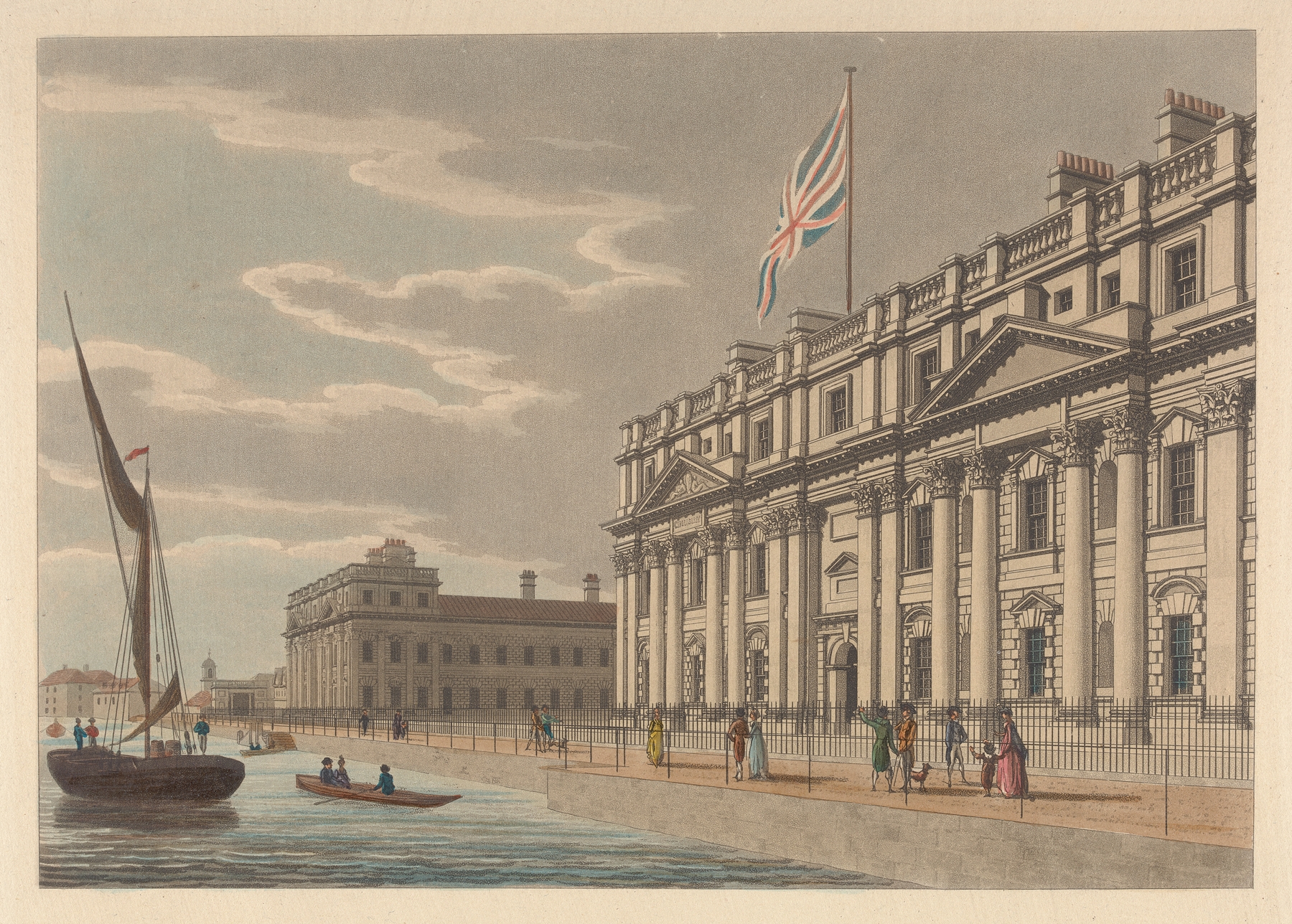
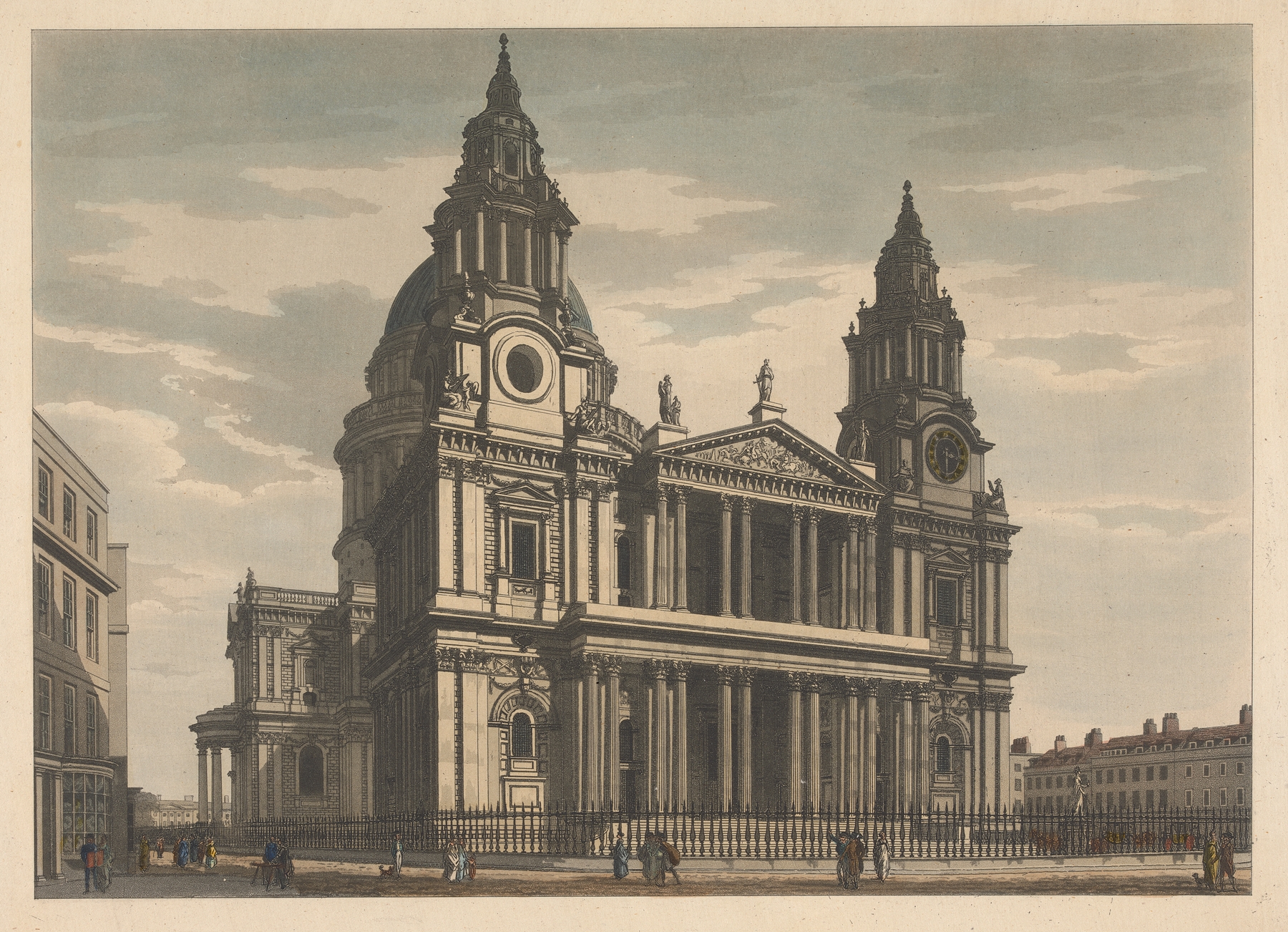
“Every silence here is a confession.” In the soft illumination of dawn, light becomes both witness and confession, revealing the secrets of an architectural marvel. It dances delicately upon the surfaces of stone, as if whispering tales of those who once traversed its grand entrance. The stillness of the scene invites contemplation, urging us to listen closely to the stories embedded within the walls. Look to the foreground where the meticulously drawn façade of the bank stands as a testament to classical elegance.
The strong, crisp lines converge at the pillars, each shadow and highlight meticulously crafted to evoke a sense of grandeur. The artist employs a muted palette, allowing the warm hues of the early morning to wash over the structure, emphasizing its solemnity and inviting the viewer to engage with the interplay of light and shadow. Beneath the surface, the painting whispers of contrasts: the solidity of the bank juxtaposed against the fleeting nature of time, as the light signifies both permanence and transience. There is a paradoxical tension between the architectural stability and the ephemeral quality of the moment captured.
It beckons us to ponder not only the building itself but also its role within the life of the city, standing as a guardian of countless untold stories. In 1798, during a period of neoclassical revival in London, the artist captured this image amidst a backdrop of evolving architectural practices and burgeoning urbanization. Malton was known for his detailed representations of the city, and this work reflects his dedication to precision and his commitment to documenting the changing landscape of London as it embraced modernity. His keen observation during this era was pivotal in shaping public perception of urban spaces, making his work timeless and relevant.