St. Peter le Poor, Broad Street — History & Analysis
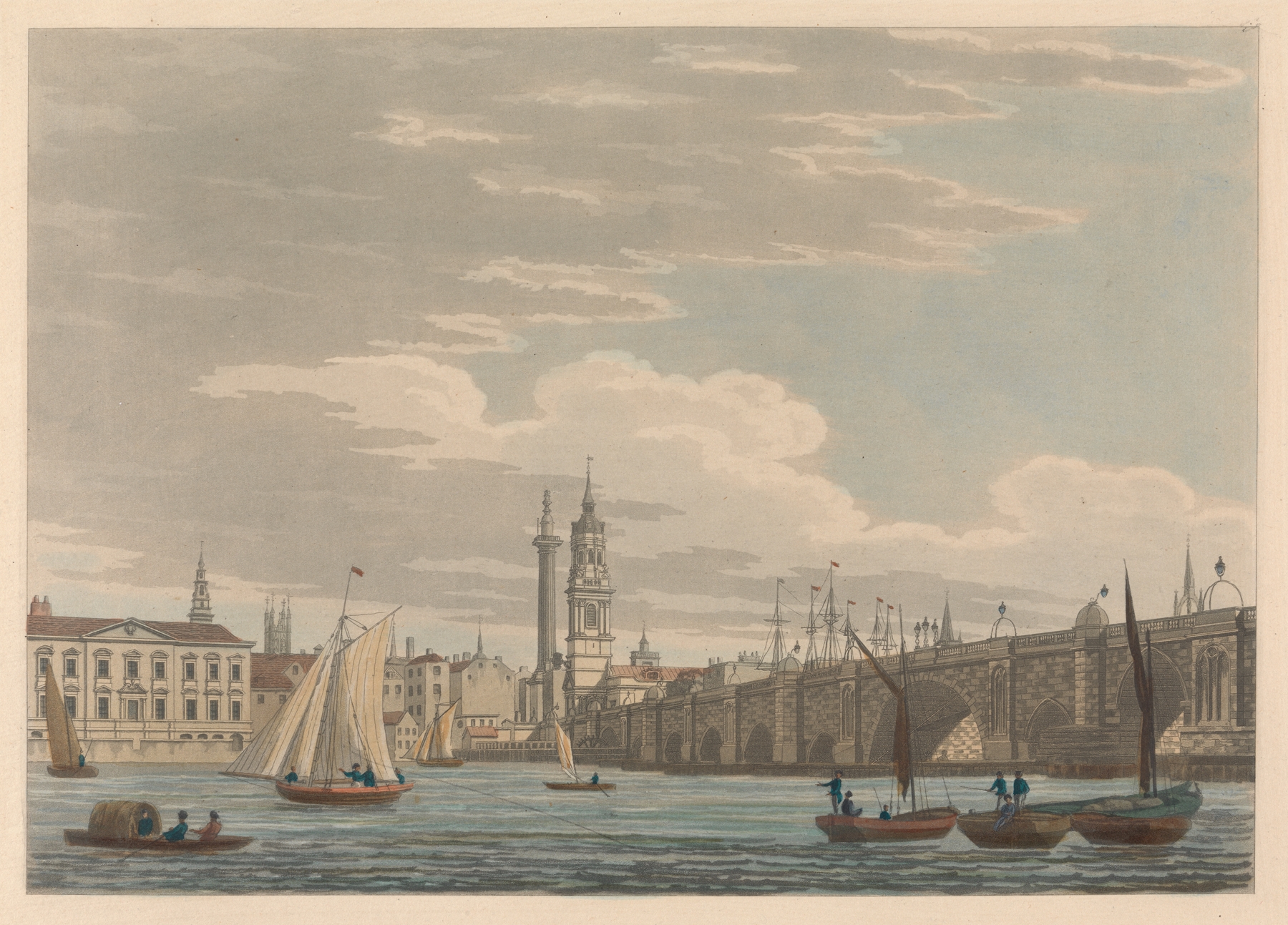
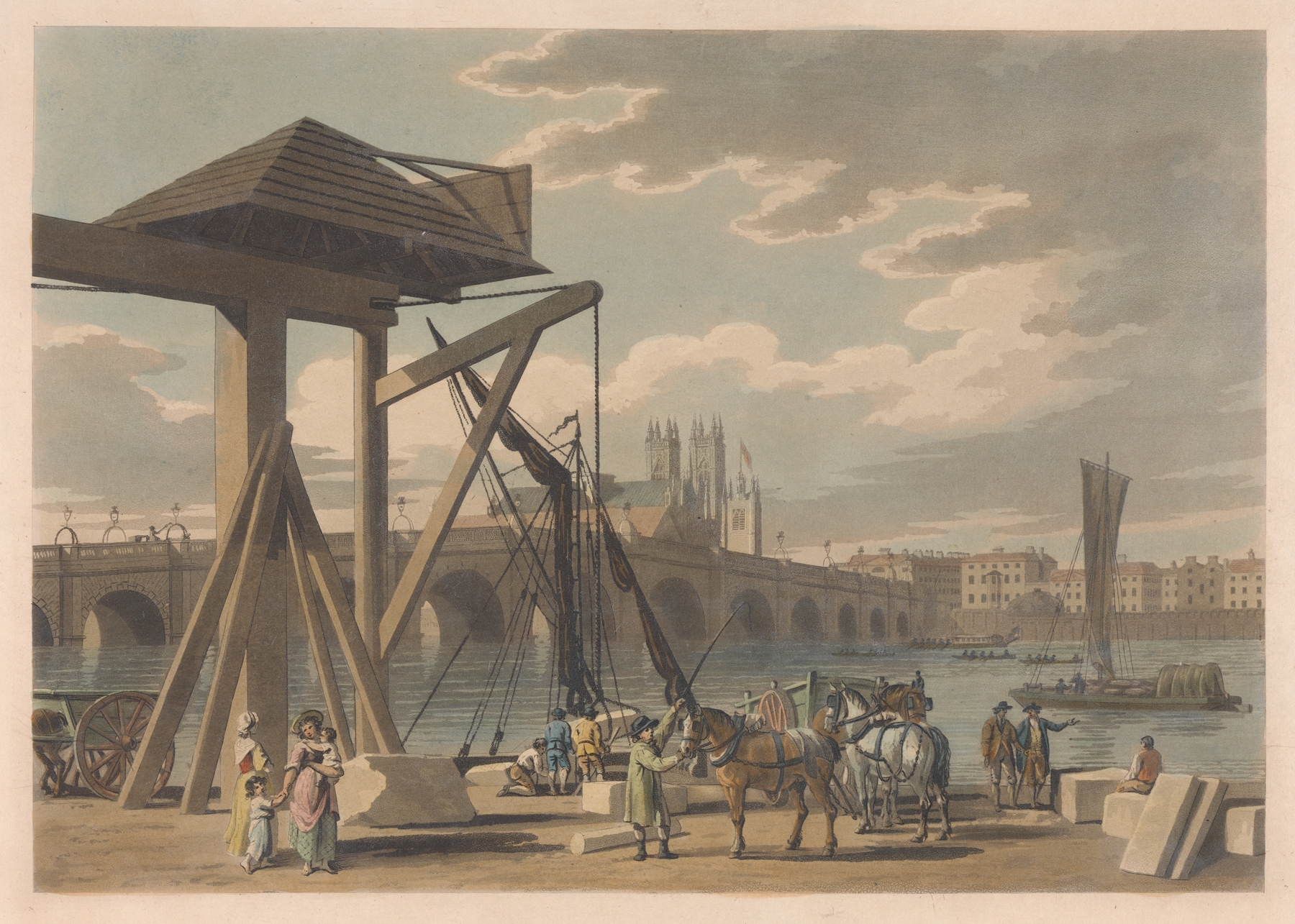
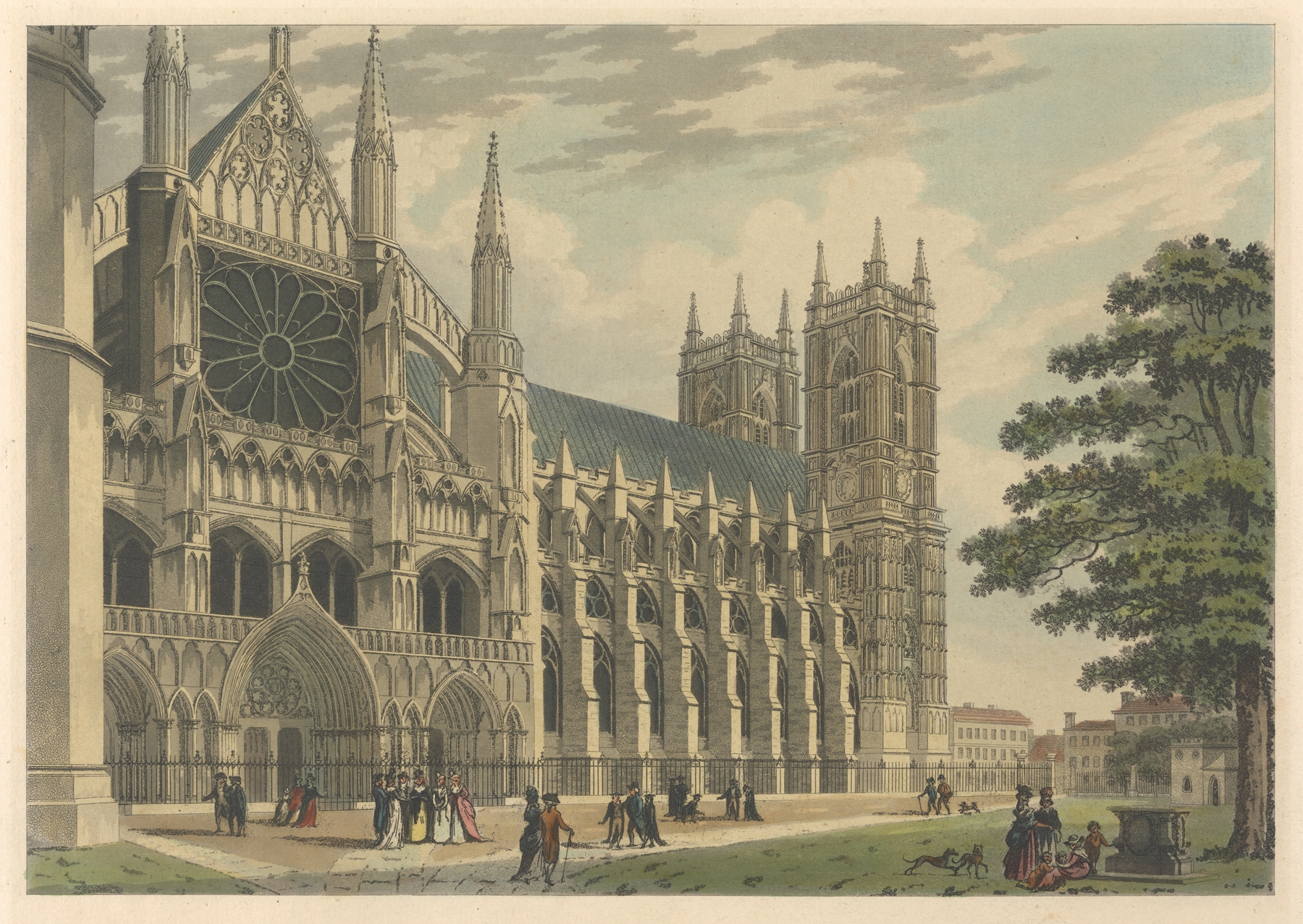
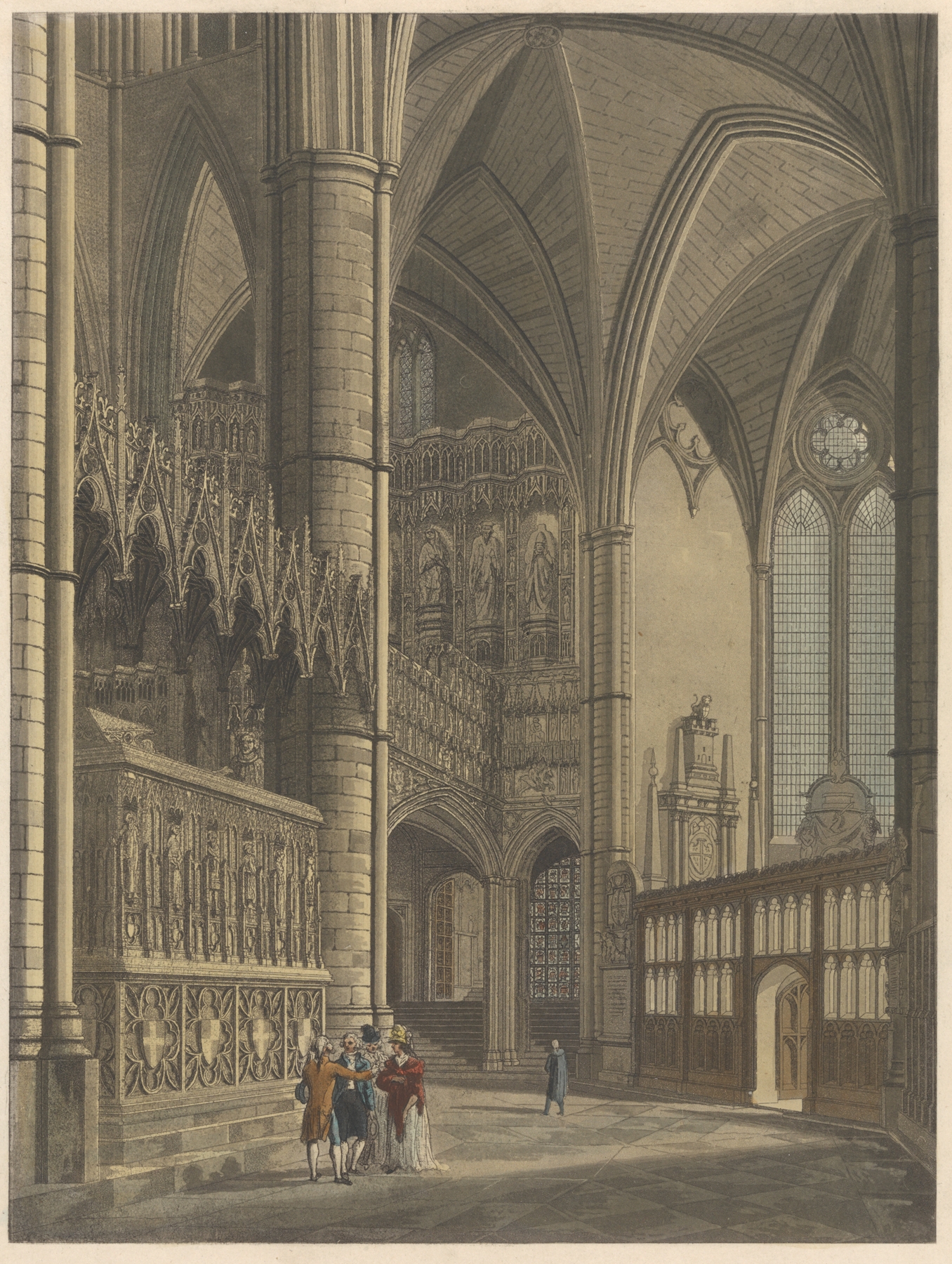
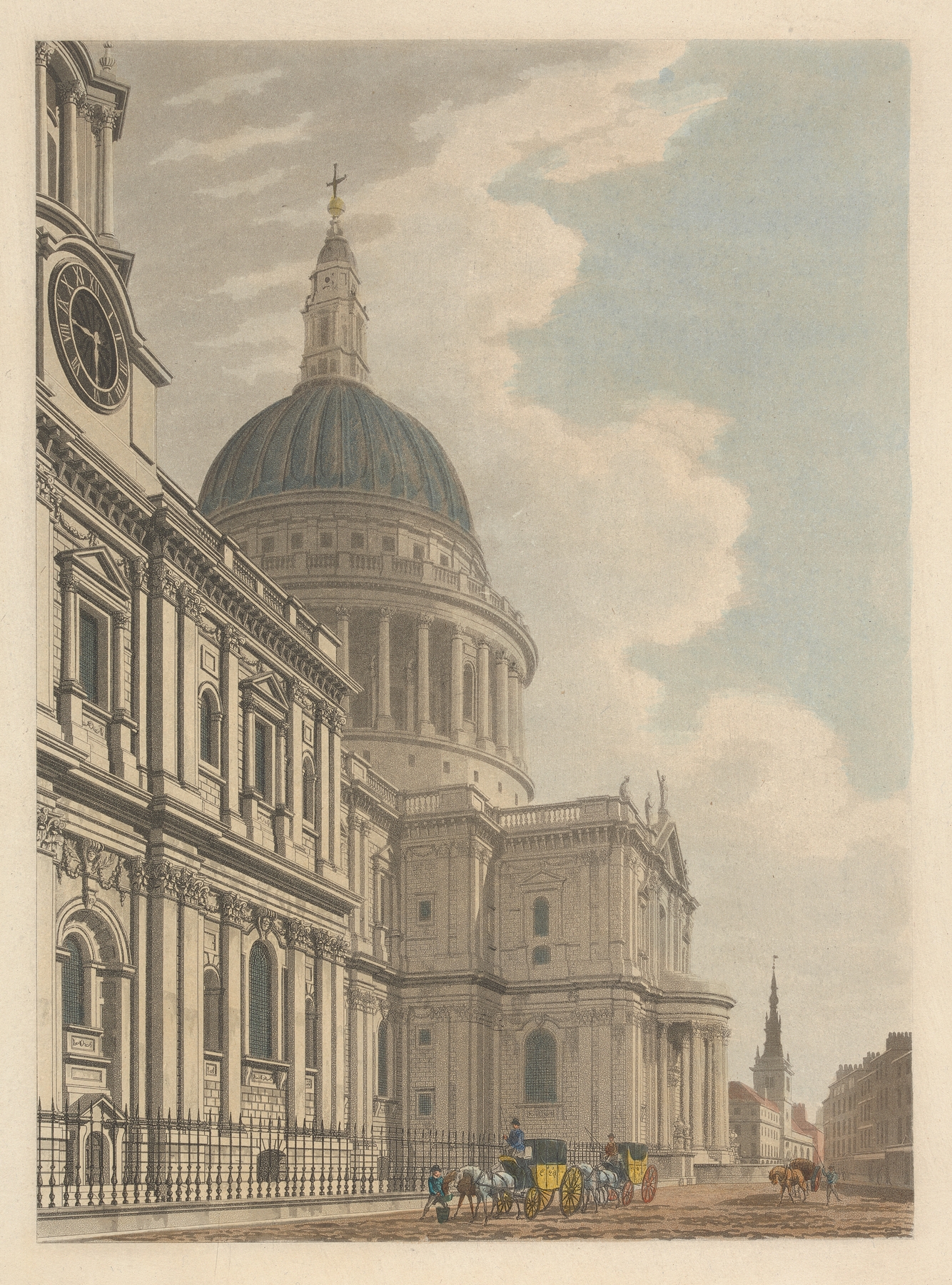
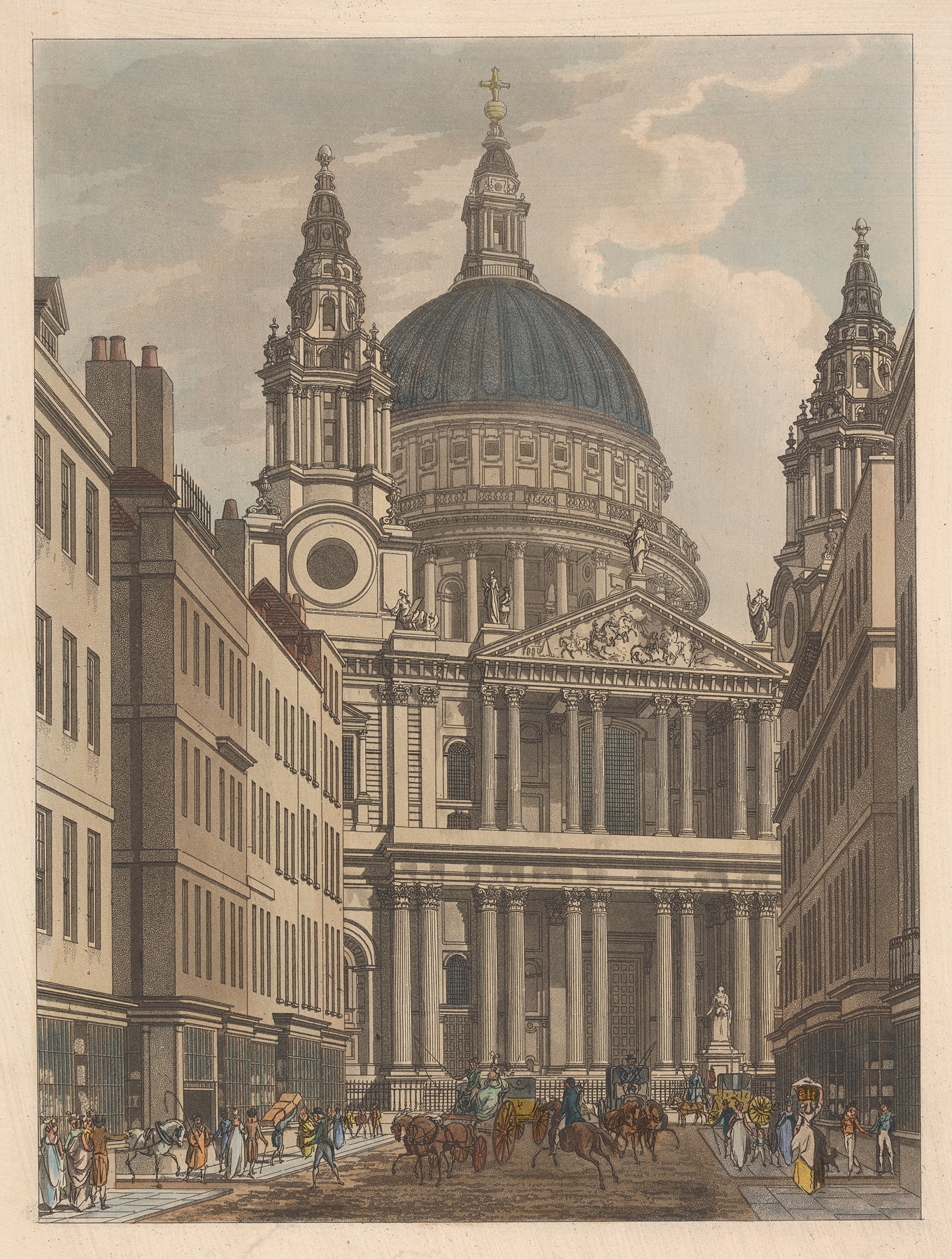
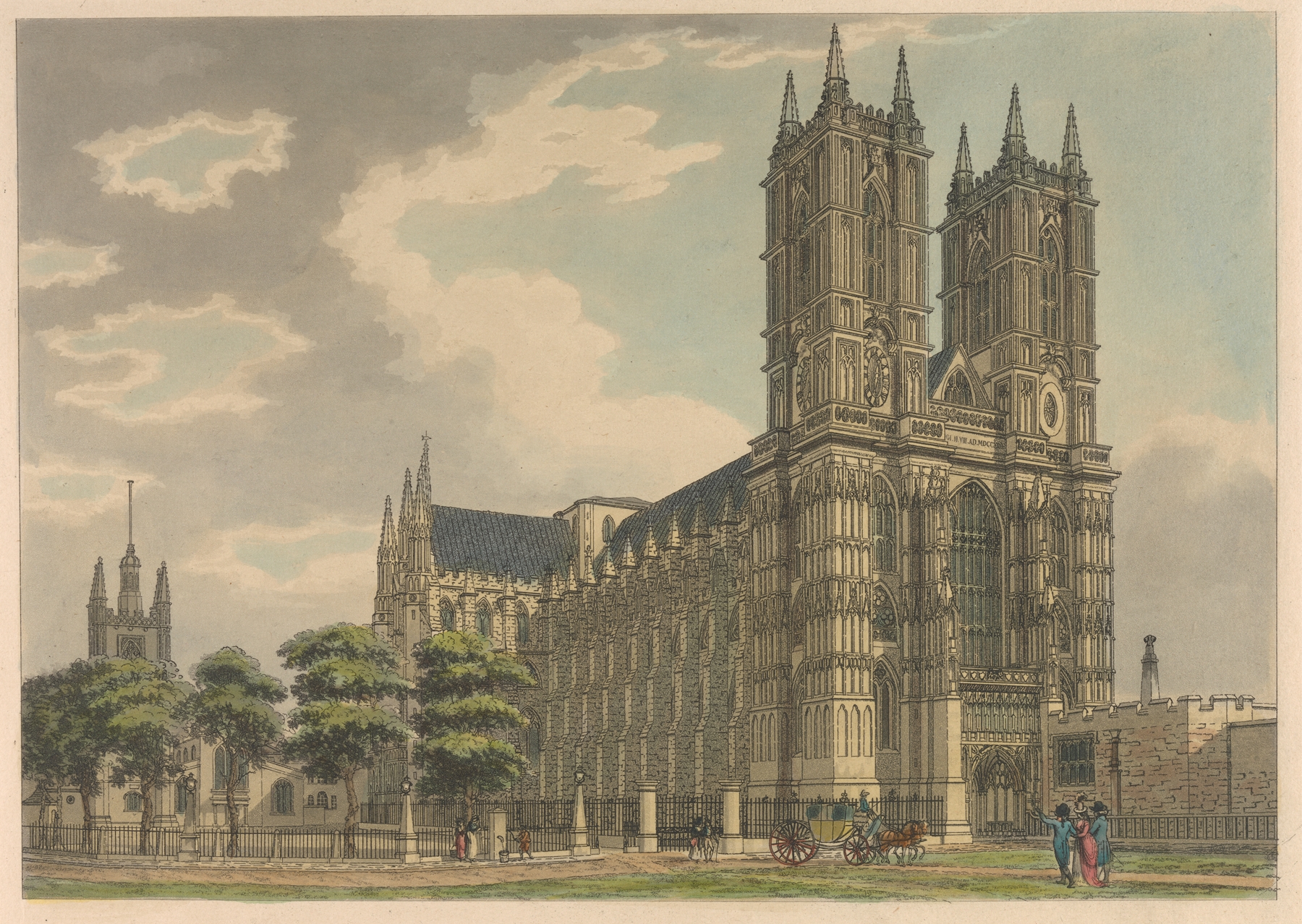
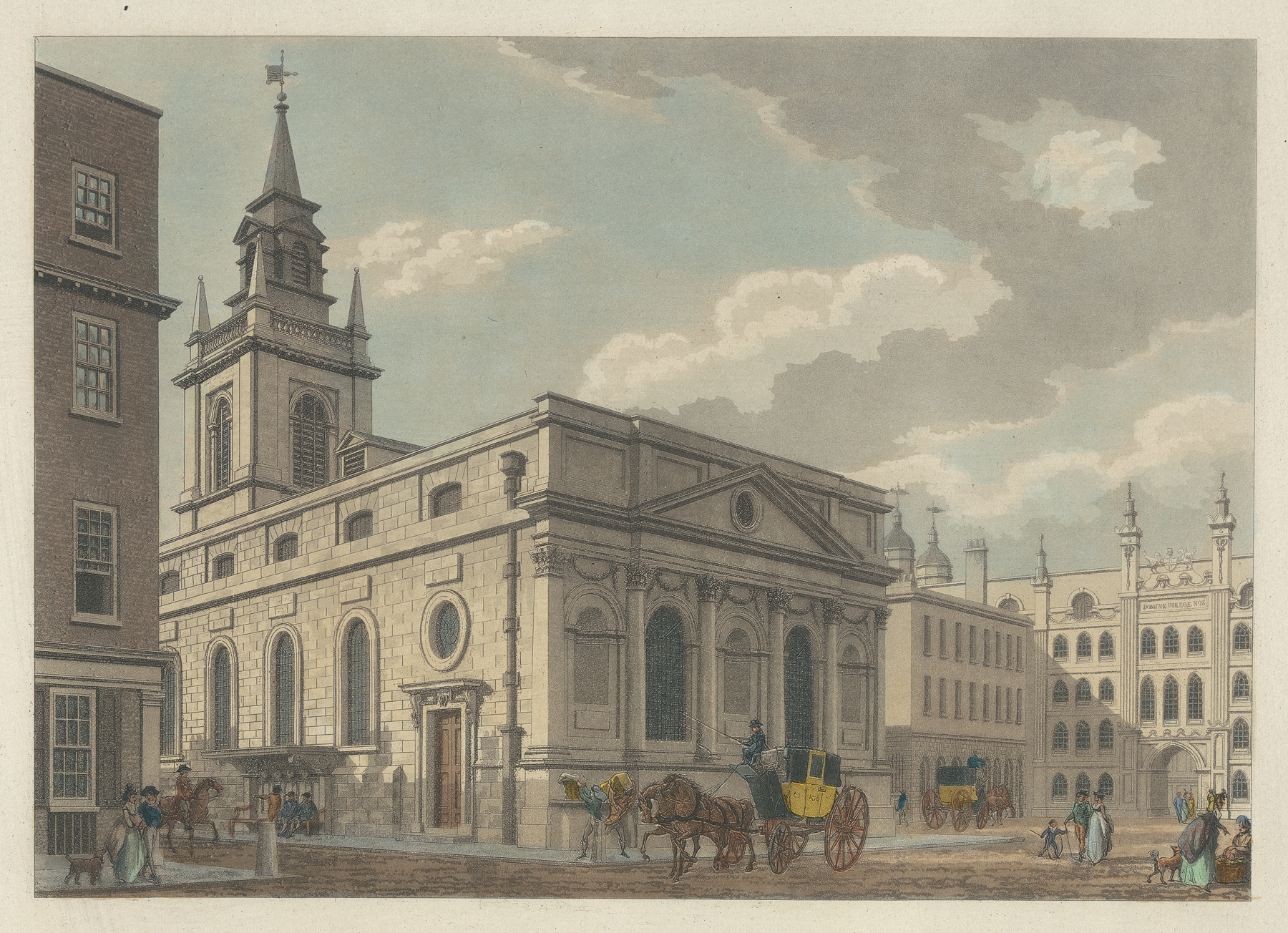
“Between color and silence, truth hides.” In the stillness of St. Peter le Poor, revelation emerges not just from the architecture, but from the spaces between. Look closely at the vibrant façade of the church that dominates the composition. Notice how the intricate details of the stonework catch the light, creating a delicate interplay of shadow and illumination.
The surrounding buildings, rendered with precision, lend a sense of depth, drawing your eye toward the warm, inviting entrance of the church, where figures gather, seemingly suspended in time. Yet, amidst this architectural splendor lies a deeper narrative. The contrast between the grandeur of the church and the modest surroundings evokes a tension between faith and the everyday lives of the passersby. The figures, small yet significant, suggest a multitude of stories—each individual a silent testament to the lives woven into the fabric of this community.
The choice of subdued colors surrounding the church amplifies its prominence, hinting at the yearning for spiritual refuge in a bustling urban life. Created in 1797, this work emerged during a pivotal time for Thomas Malton, who was navigating the transition from the intimate confines of architectural studies to capturing the broader essence of urban life. The late 18th century was marked by a growing fascination with civic architecture and the burgeoning realities of modern society. His attention to detail and emphasis on the interplay of light and structure reflect not only his technical skill but also a deep engagement with the changes unfolding in London.