Starrucca Viaduct, Pennsylvania — History & Analysis
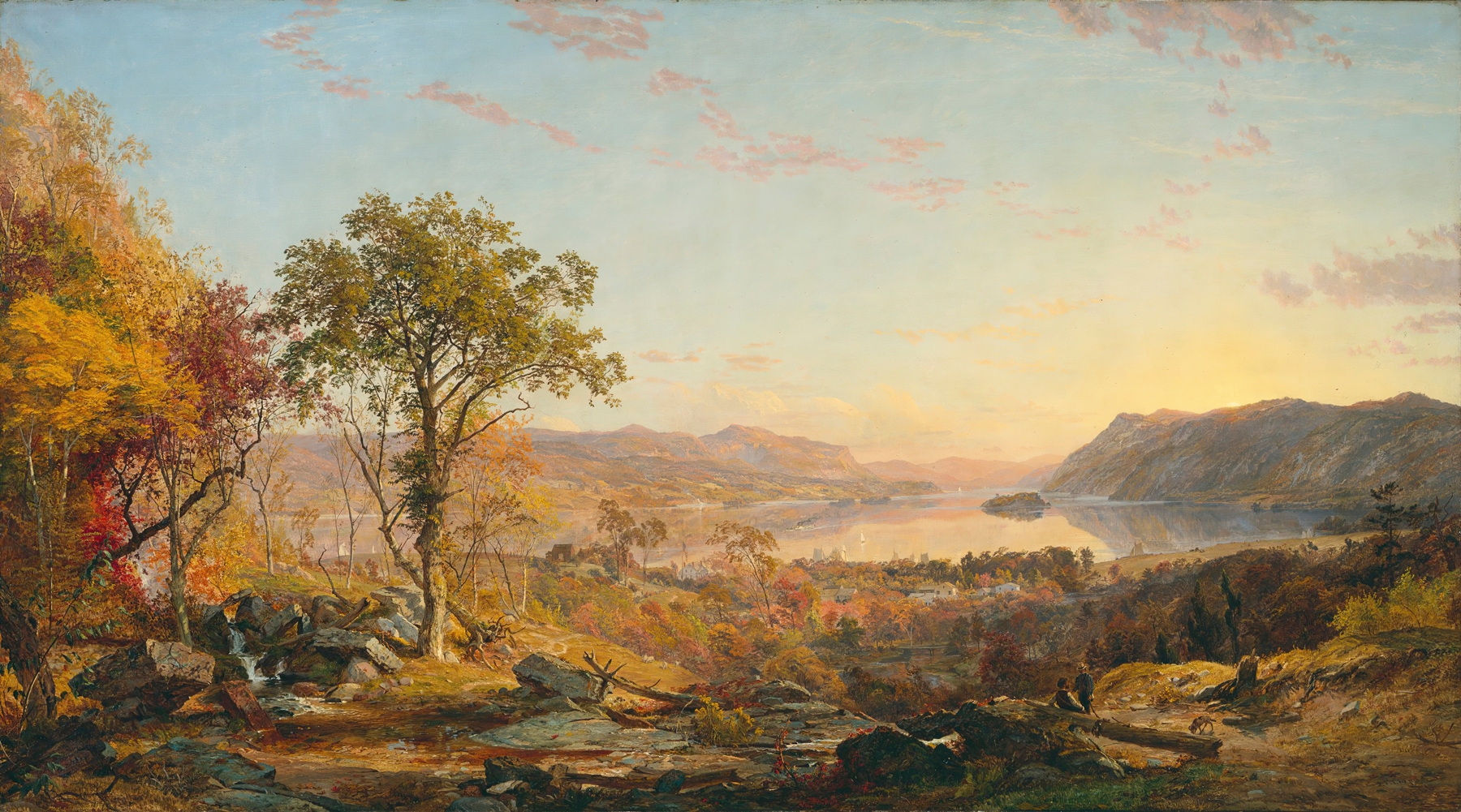
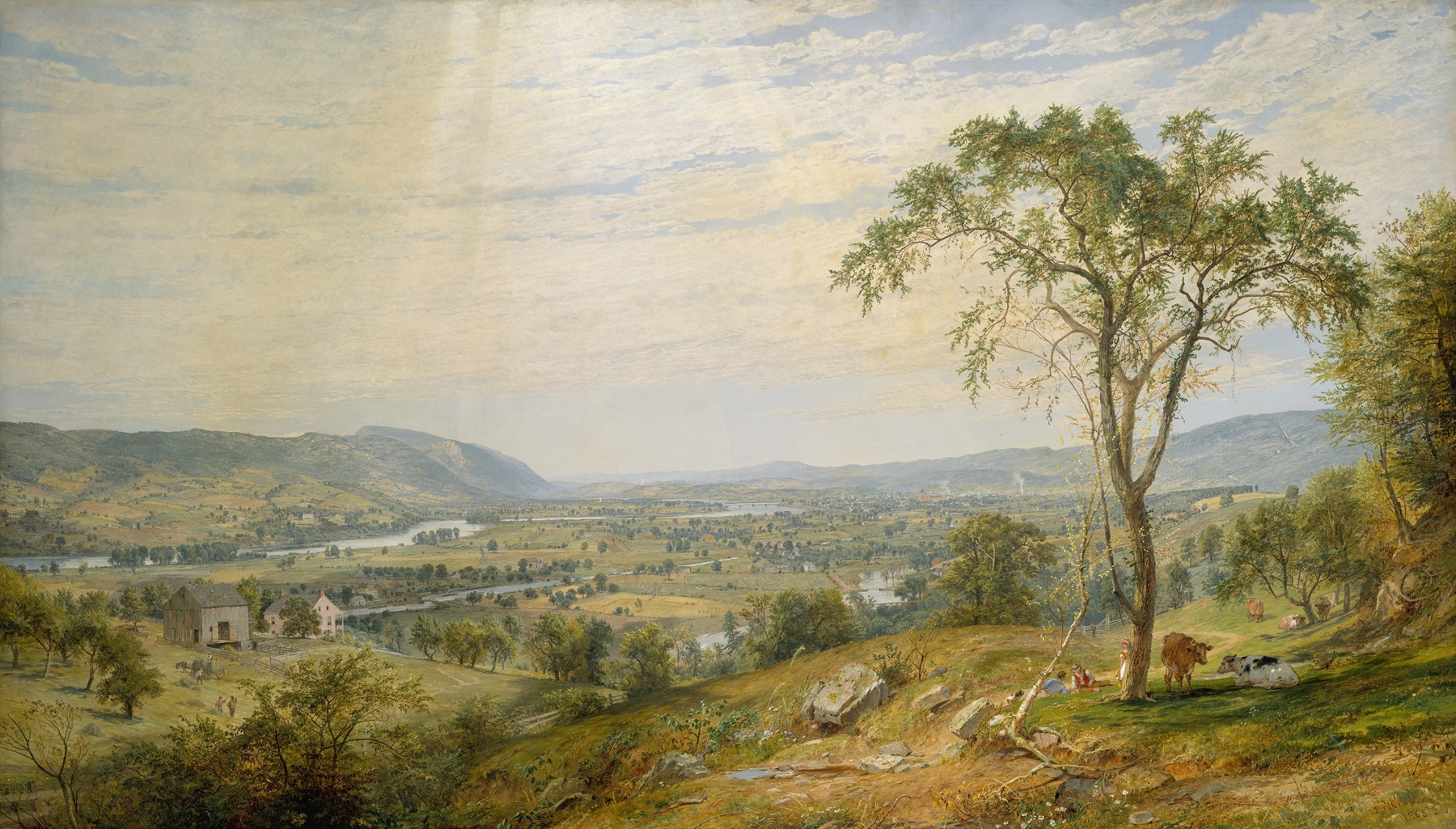
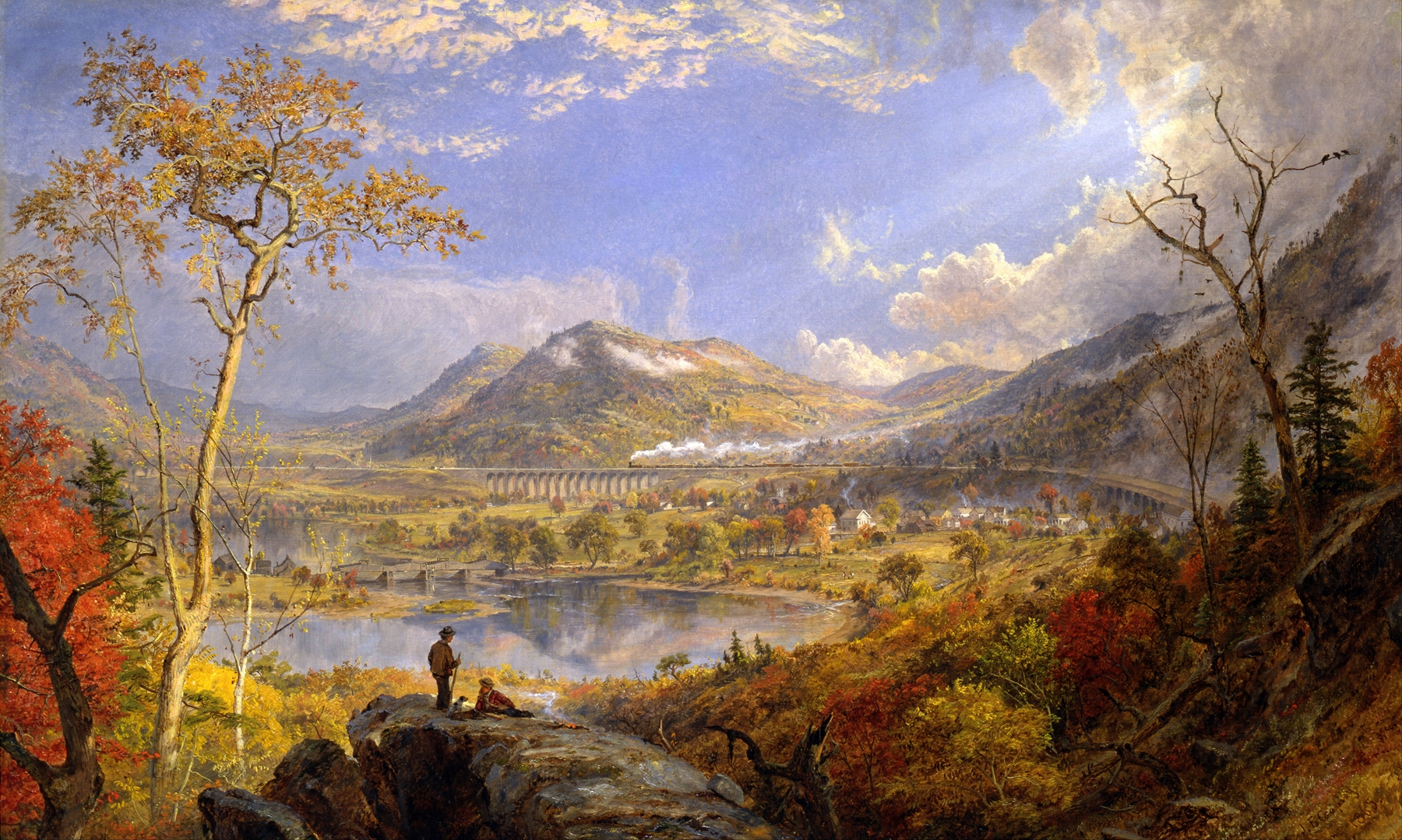
Is this a mirror — or a memory? The tranquility of the Starrucca Viaduct invites us to ponder the interplay between our perceptions and the echoes of the past. Look to the center, where the grand arches of the viaduct rise gracefully over the serene waters below. The artist’s use of muted greens and soft blues creates a harmonious palette, while wisps of clouds dance above the landscape, reflecting a gentle light that captures the essence of early morning.
Notice how the meticulous brushstrokes render the stone structure both solid and ethereal, bridging the natural and the man-made with a tender confidence. Beneath the surface lies a narrative of harmony and nostalgia. The juxtaposition of the rigid, manmade viaduct against the fluidity of the water suggests a dialogue between civilization and nature. The stillness of the scene evokes a profound sense of peace, yet hints at a deeper melancholy — the viaduct, a passage for many, remains a silent witness to the passage of time.
Each element harmonizes in a portrayal of fleeting moments, raising questions about permanence and the ephemeral. Jasper Francis Cropsey created this artwork during a period marked by a burgeoning interest in the American landscape and its romanticism. Living in the mid-19th century, he was part of the Hudson River School, an art movement that celebrated the natural beauty of America. Although the exact date of this piece remains uncertain, it reflects the artist’s fascination with the interplay of light and shadow found in the American wilderness, indicative of a time when the country was grappling with its identity and the transition to modernity.