Stevenson’s House — History & Analysis
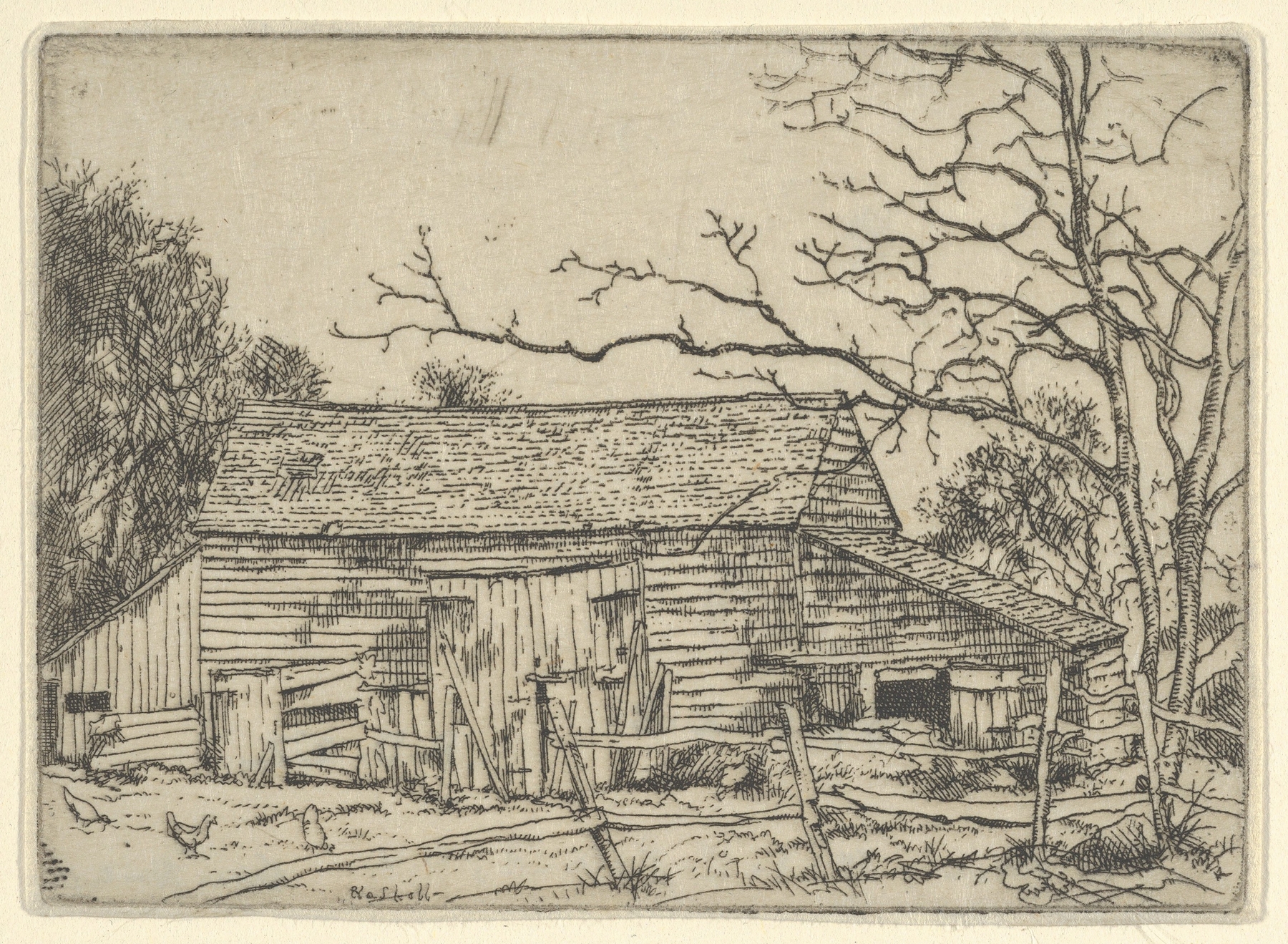
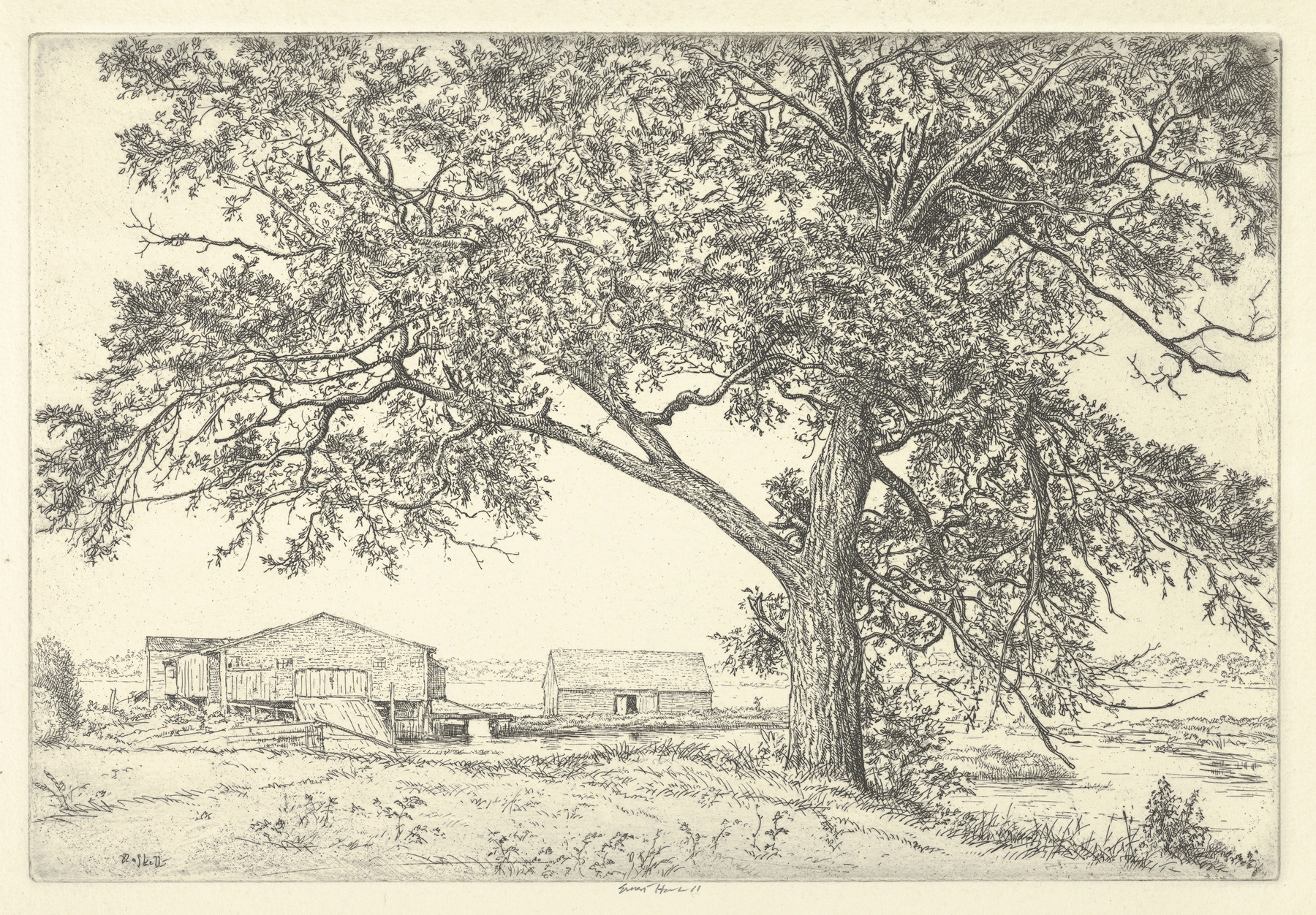
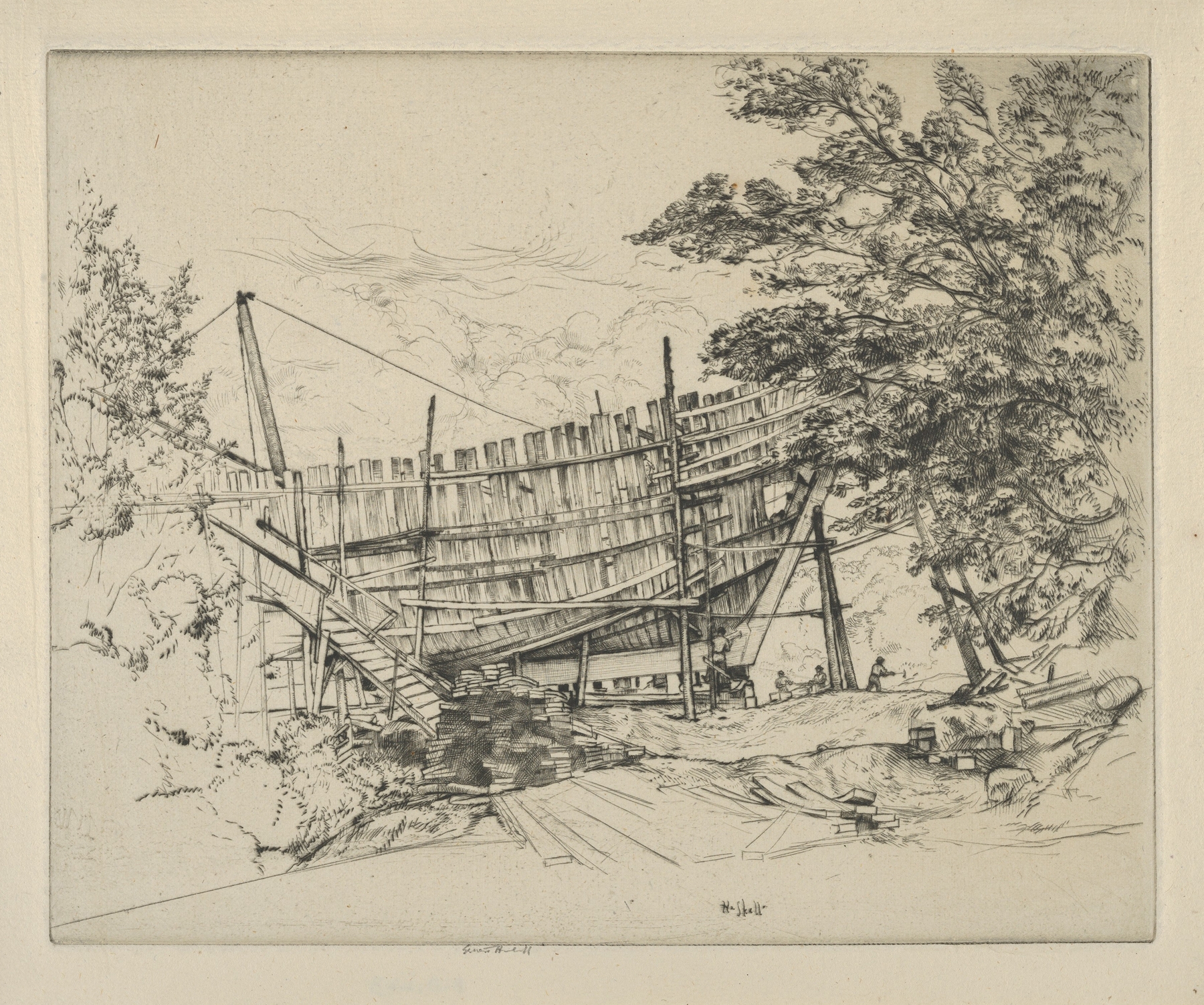
Could beauty survive in a century of chaos? At first glance, the answer lies within the delicate strokes and serene charm of this enchanting work. Focus on the lush greenery enveloping the structure. The vibrant leaves cascade gently, framing the house with a sense of protection and nostalgia. Notice how the sunlight dances across the roof, illuminating the warm hues of ochre and taupe.
This interplay of light and shadow breathes life into the scene, suggesting an innocent harmony that transcends time, inviting the viewer to step closer, to linger in its calm embrace. Beneath the idyllic surface, the painting reveals subtle contrasts—innocence heavily imbued with a sense of foreboding. The house stands resilient against an encroaching chaos that whispers just beyond the canvas. The vibrant colors may suggest a sense of optimism, yet the intertwining branches hint at an unsettling complexity, reflecting both the beauty and fragility of life in an era marked by upheaval.
It embodies a fleeting moment of peace, juxtaposed with an undercurrent that questions its permanence. Created in 1915, the artist was immersed in a world on the brink of profound change, as the First World War grappled with humanity's ideals and innocence. Working during this turbulent period, the piece resonates with Haskell's desire to capture the enduring spirit of beauty amid uncertainty. In a time when the art world was dissecting modernism, his focus on tranquil domesticity offered a poignant refuge from the chaos surrounding him.