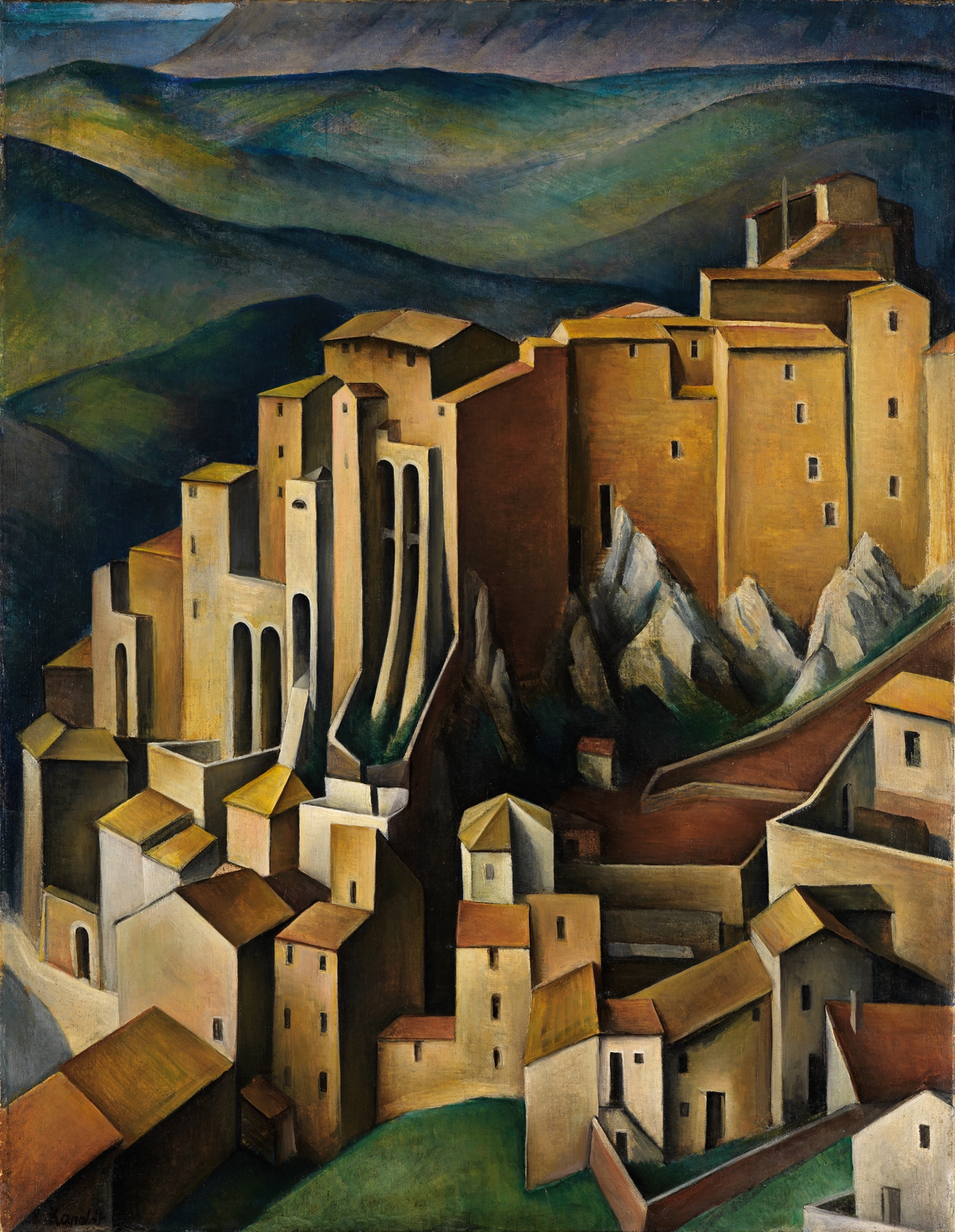
Stiller Winkel — History & Analysis
When did color learn to lie? In a world where beauty masks decay, the truth often hides beneath layers of paint. Focus on the center of the canvas, where the elegant lines of a forgotten still life captivate the eye. A delicate vase, its surface gleaming with light, cradles wilting flowers that speak of fleeting moments.
Notice how the rich, muted tones of ochre and deep green interplay with shadows, creating a sense of nostalgia that pulls the viewer deeper into the composition. The meticulous detailing invites contemplation, each petal and leaf revealing the artist's devotion to mastering texture and form. Yet, there lies a tension in the juxtaposition of vibrancy and decay; the flowers, once resplendent, now droop with the weight of time. The juxtaposition of the beautiful vase against the fading blooms speaks to the inevitable passage of life and the beauty found in transience.
This reveals a deeper emotional resonance, encapsulating both a sense of longing and a subtle acceptance of impermanence, making the viewer reflect on their own experiences of loss and decay. Created in 1903, this work emerged during a transformative period for Alexander Kanoldt, who was exploring the boundaries of realism and modernism. Living in Germany, he was surrounded by a burgeoning art scene that embraced new techniques and subject matter. This painting reflects his meticulous attention to detail and a fascination with the interplay of life and death that preoccupied many artists of his time, mirroring broader societal changes in an era on the brink of conflict.