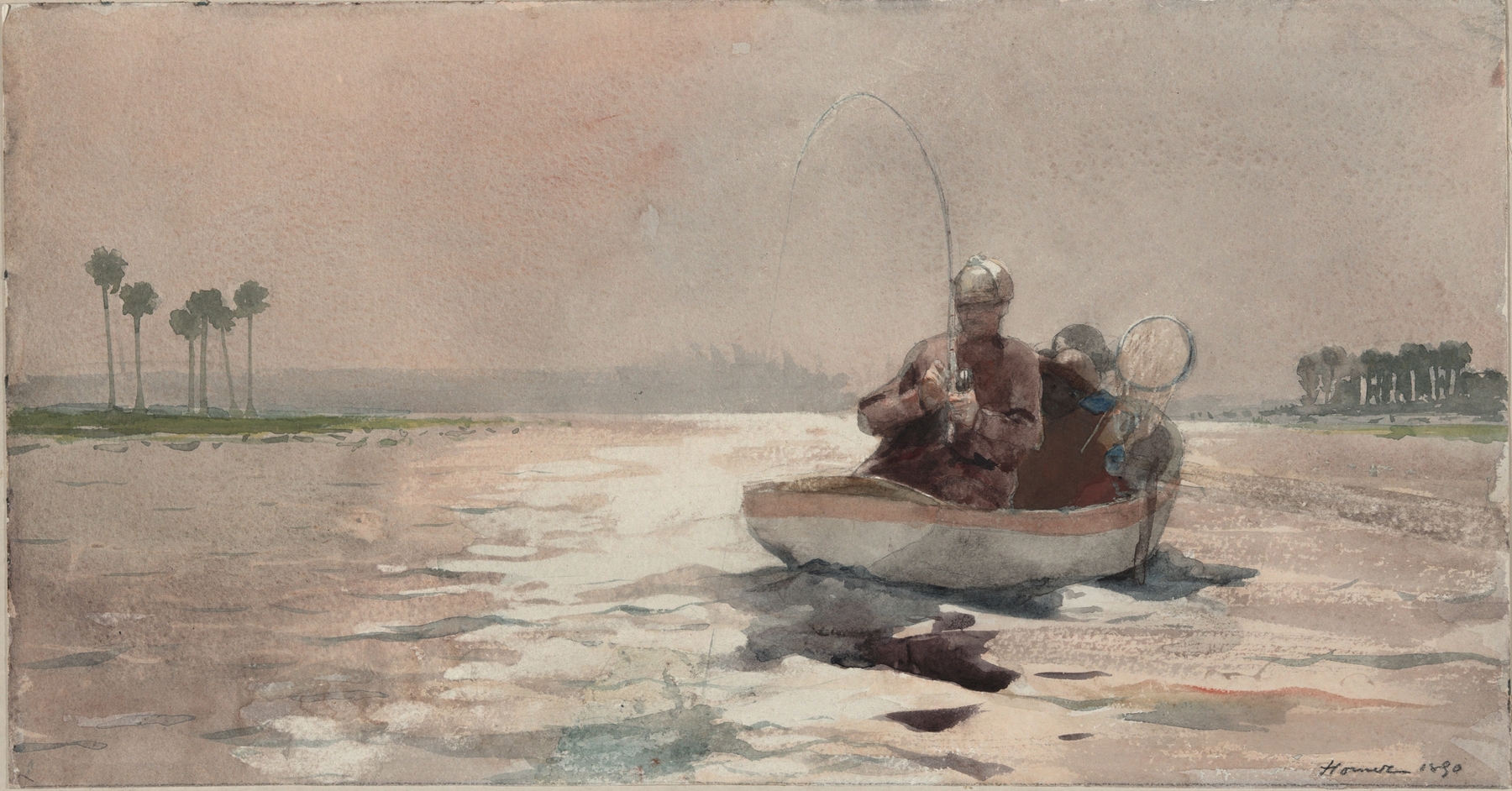
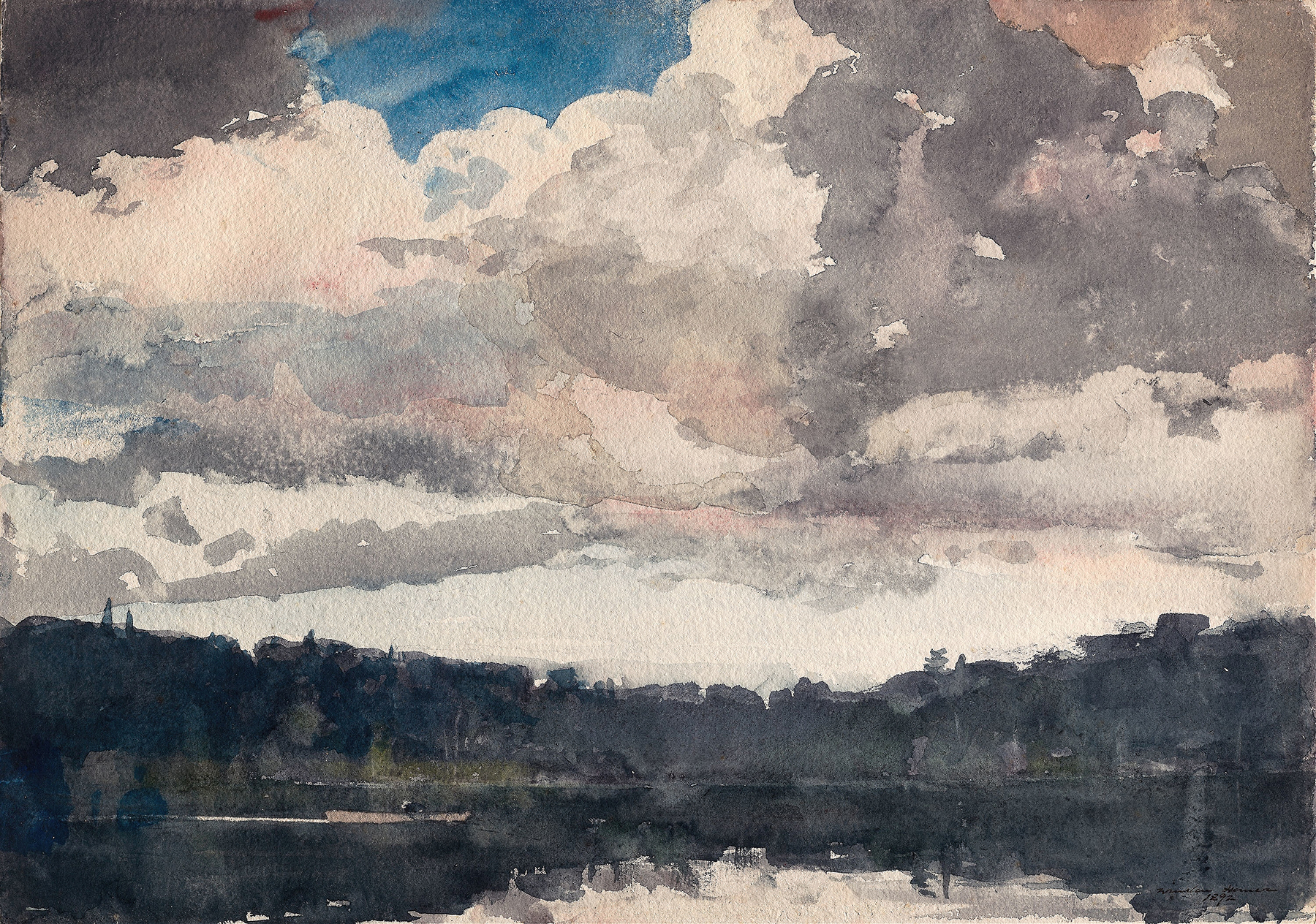
Storm, Bahamas — History & Analysis
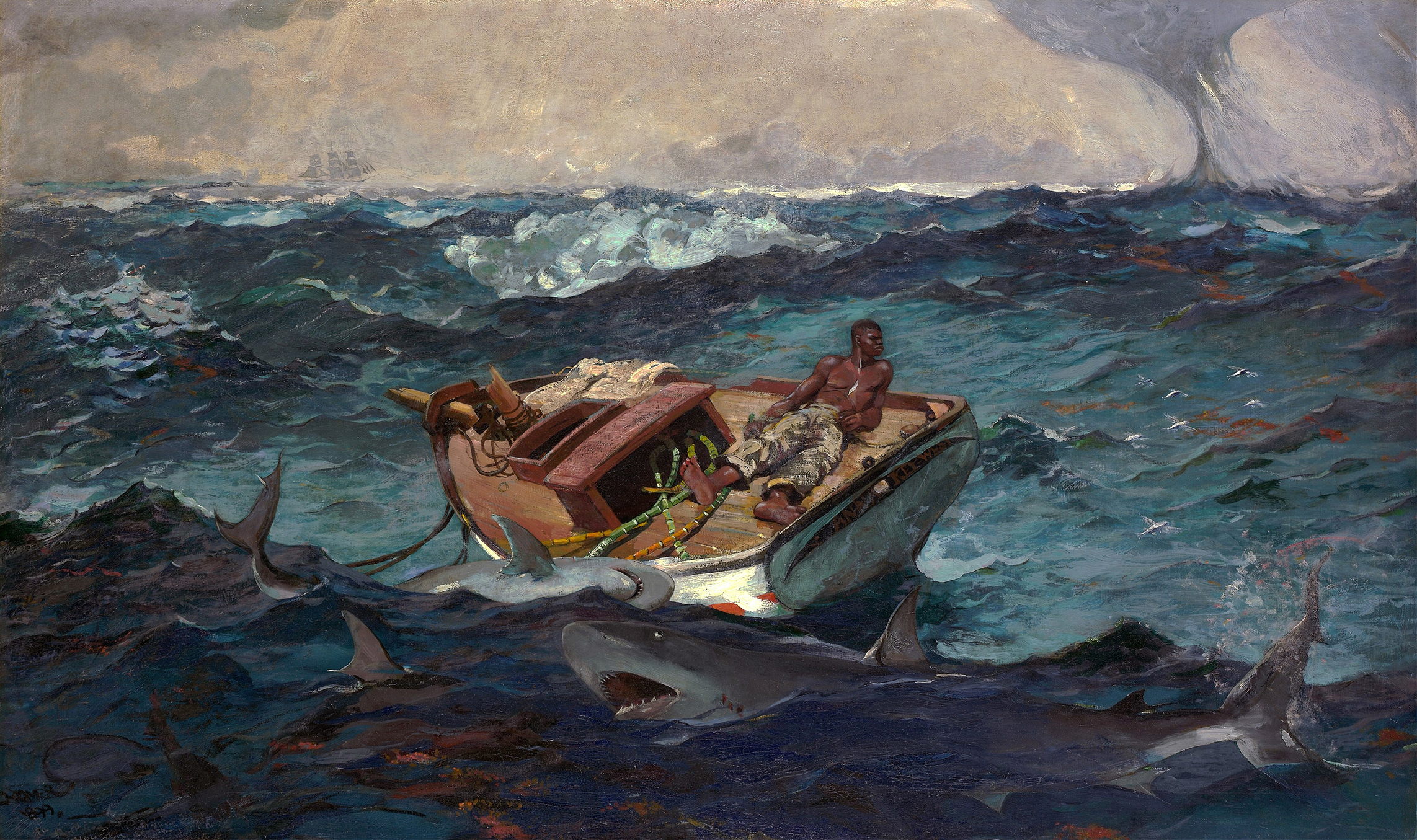
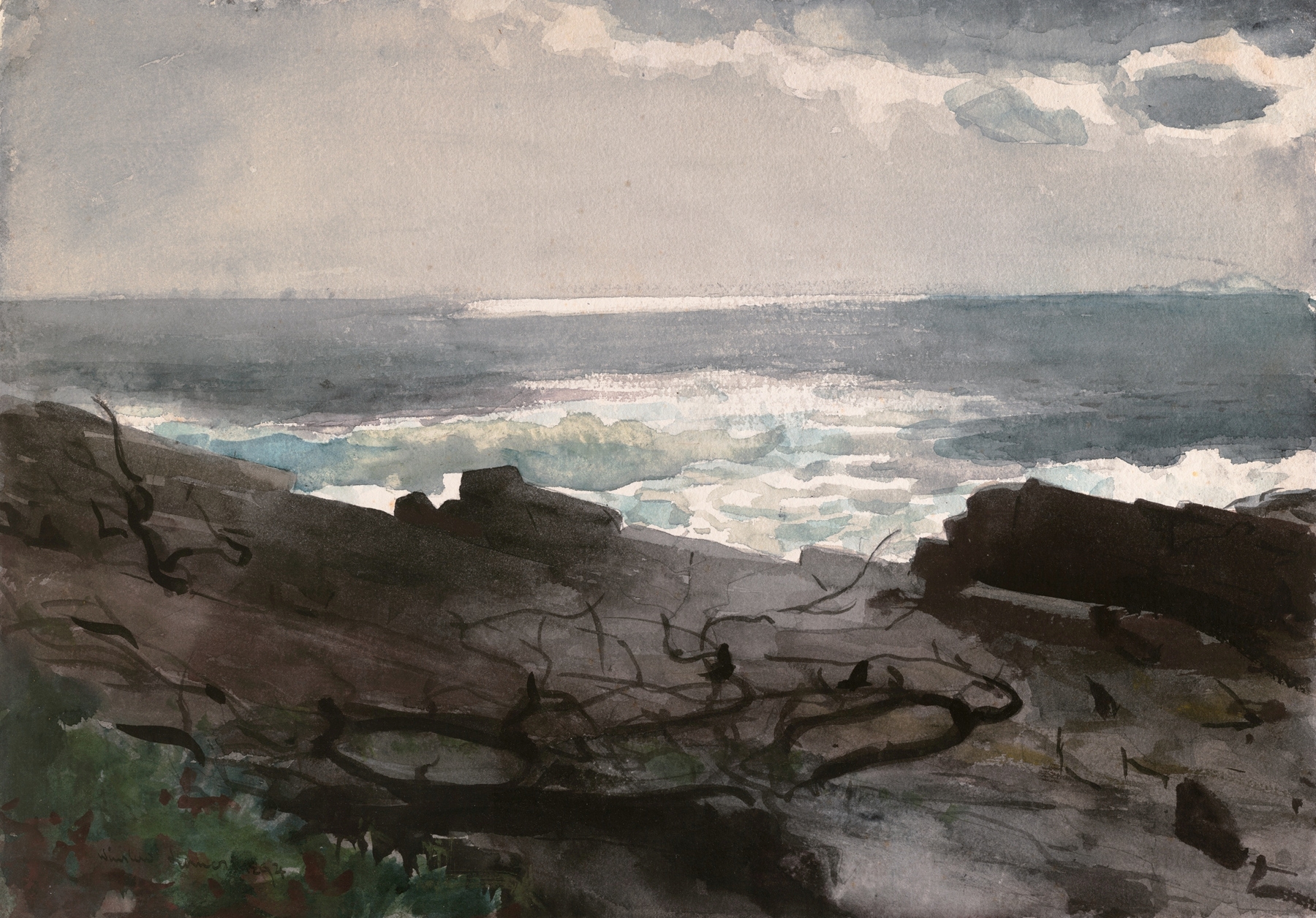
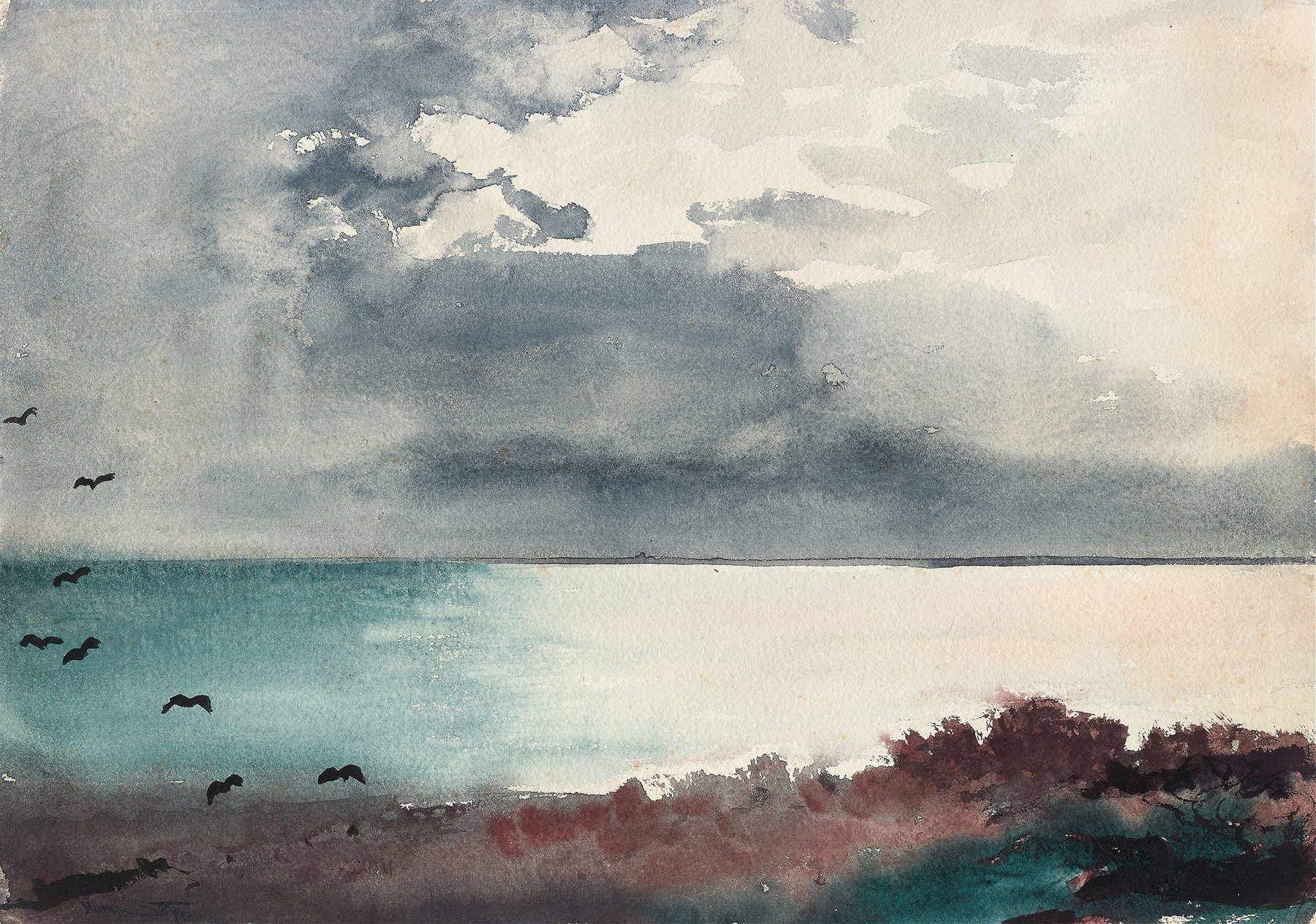
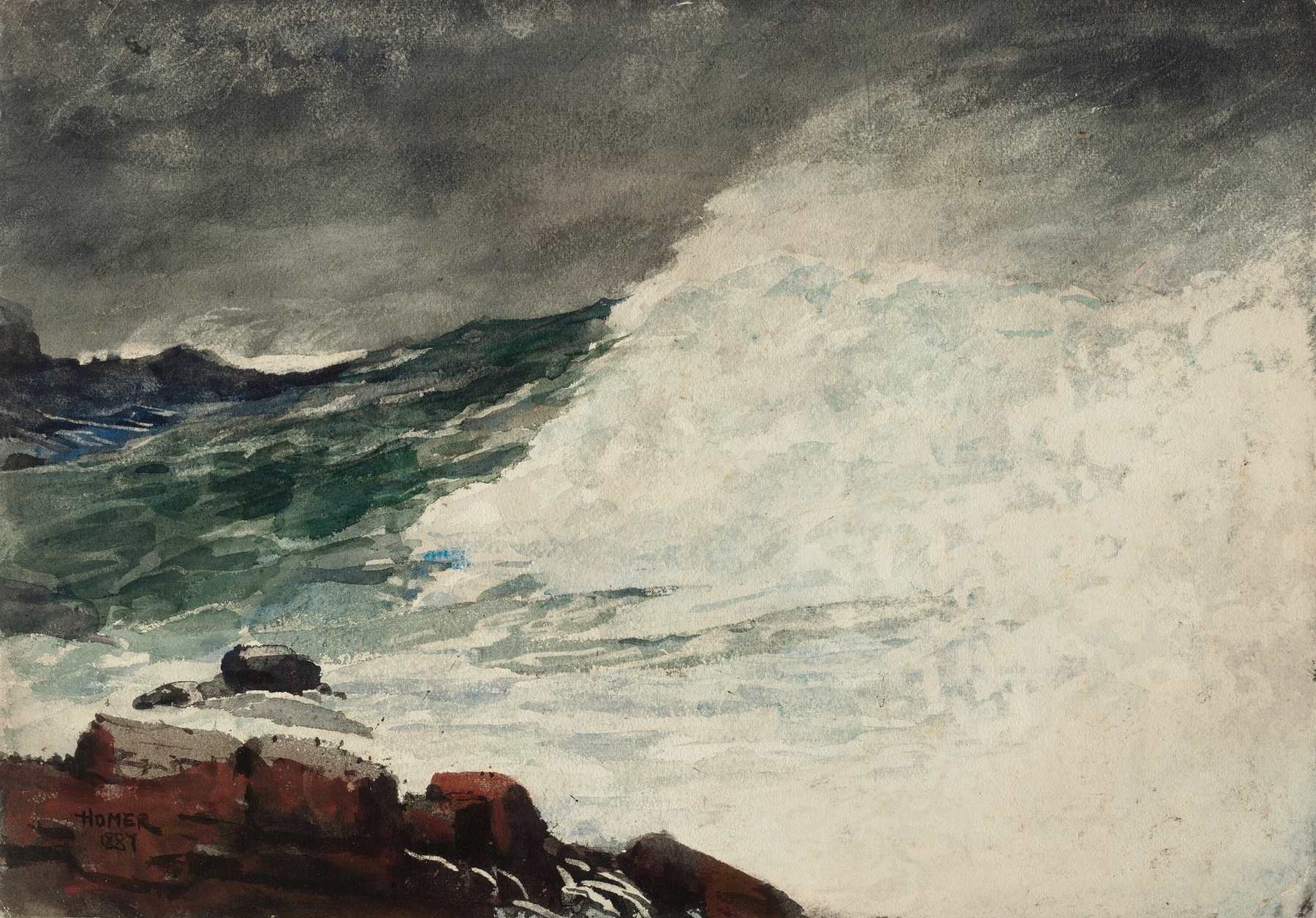
What secret hides in the quiet of the canvas? In Storm, Bahamas, nature's fierce temperament is rendered with striking clarity, leaving viewers to ponder the fragile balance between beauty and turmoil. Look to the lower right corner, where dark, swirling clouds loom ominously over the turquoise sea. The artist's brush strokes convey the churning waves, creating a dynamic contrast between the calm shallows and the violent depths beyond.
Notice how the sunlight attempts to pierce through the heavy gray, illuminating the white foam that thrashes against the shore, conveying both hope and impending danger in a single moment. The painting reveals an emotional tension that resonates beyond the landscape. The vibrant colors of the tropical water juxtapose the menacing sky, suggesting the duality of nature's grace and wrath. Each wave, curling and crashing, invites reflection on the unpredictability of life — a reminder of how quickly beauty can transform into chaos.
The distant boat, struggling against the elements, symbolizes humanity's vulnerability in the face of nature's power. Winslow Homer painted Storm, Bahamas in 1885 during a period when he was increasingly fascinated by the American landscape and the interplay of light and shadow. Living primarily in Prouts Neck, Maine, he was deeply influenced by his surroundings and the forces of nature. This work emerged as he sought to capture emotional experiences and the sublime, showcasing a pivotal moment in his artistic evolution.