Stowing Sail — History & Analysis
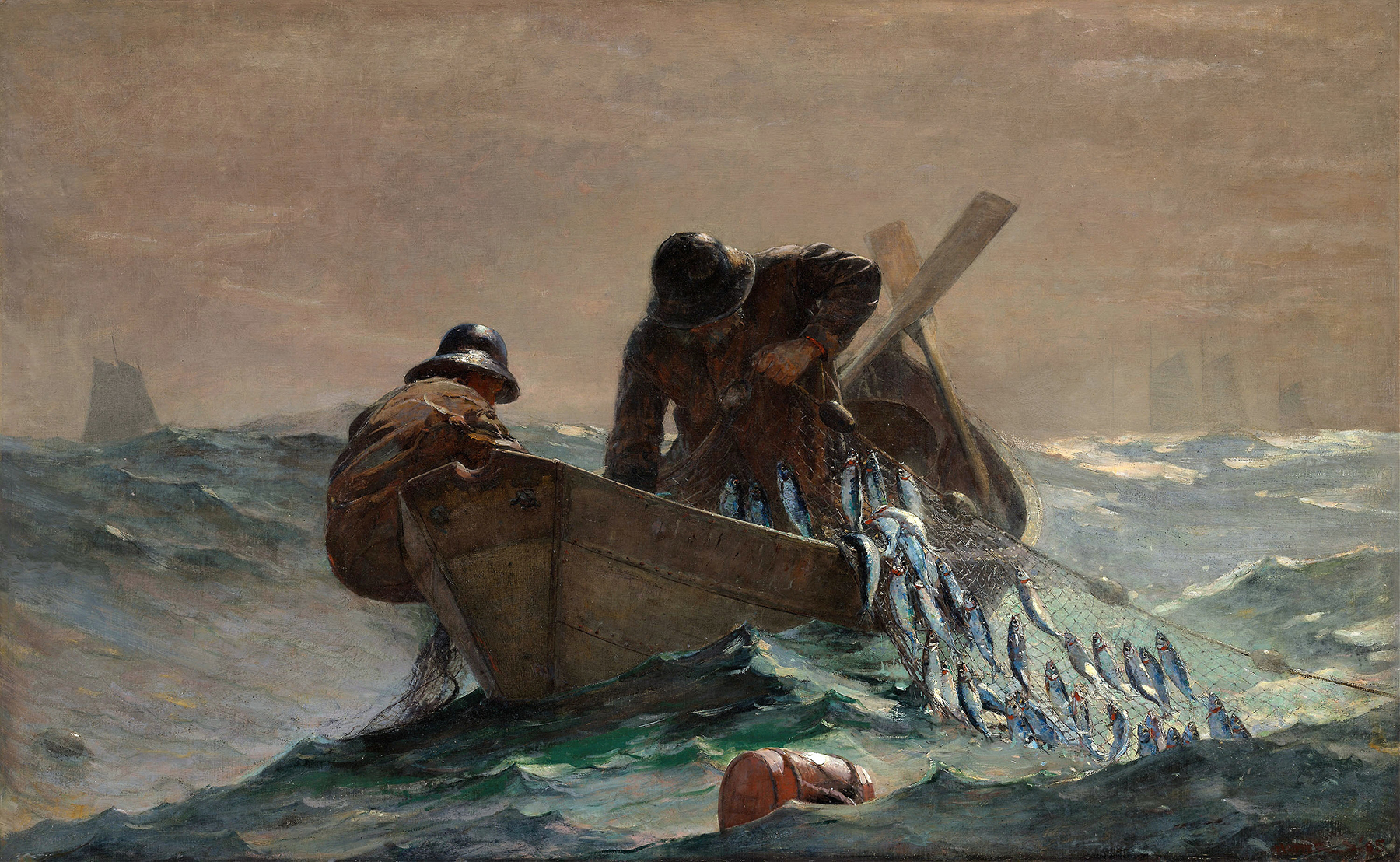
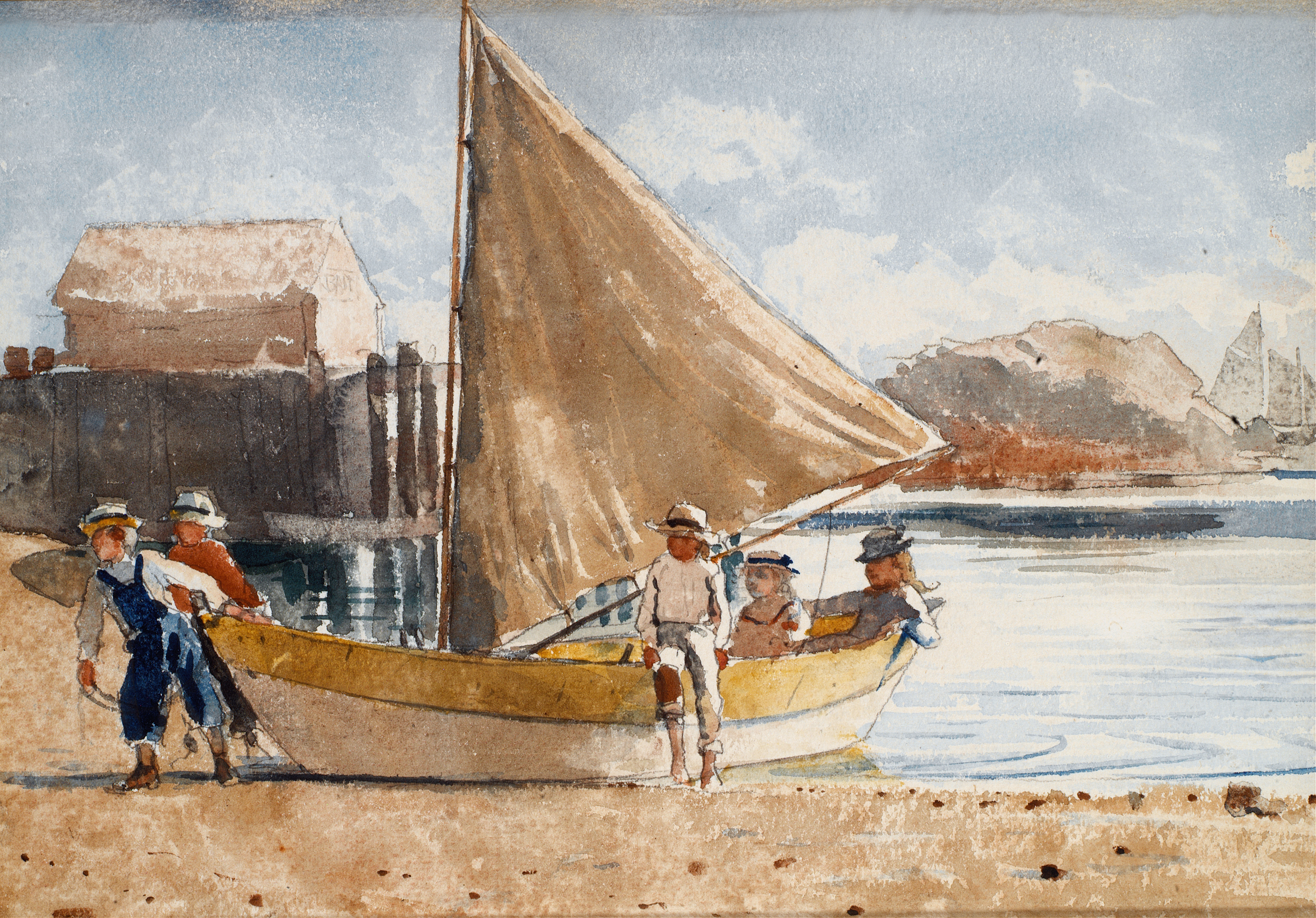
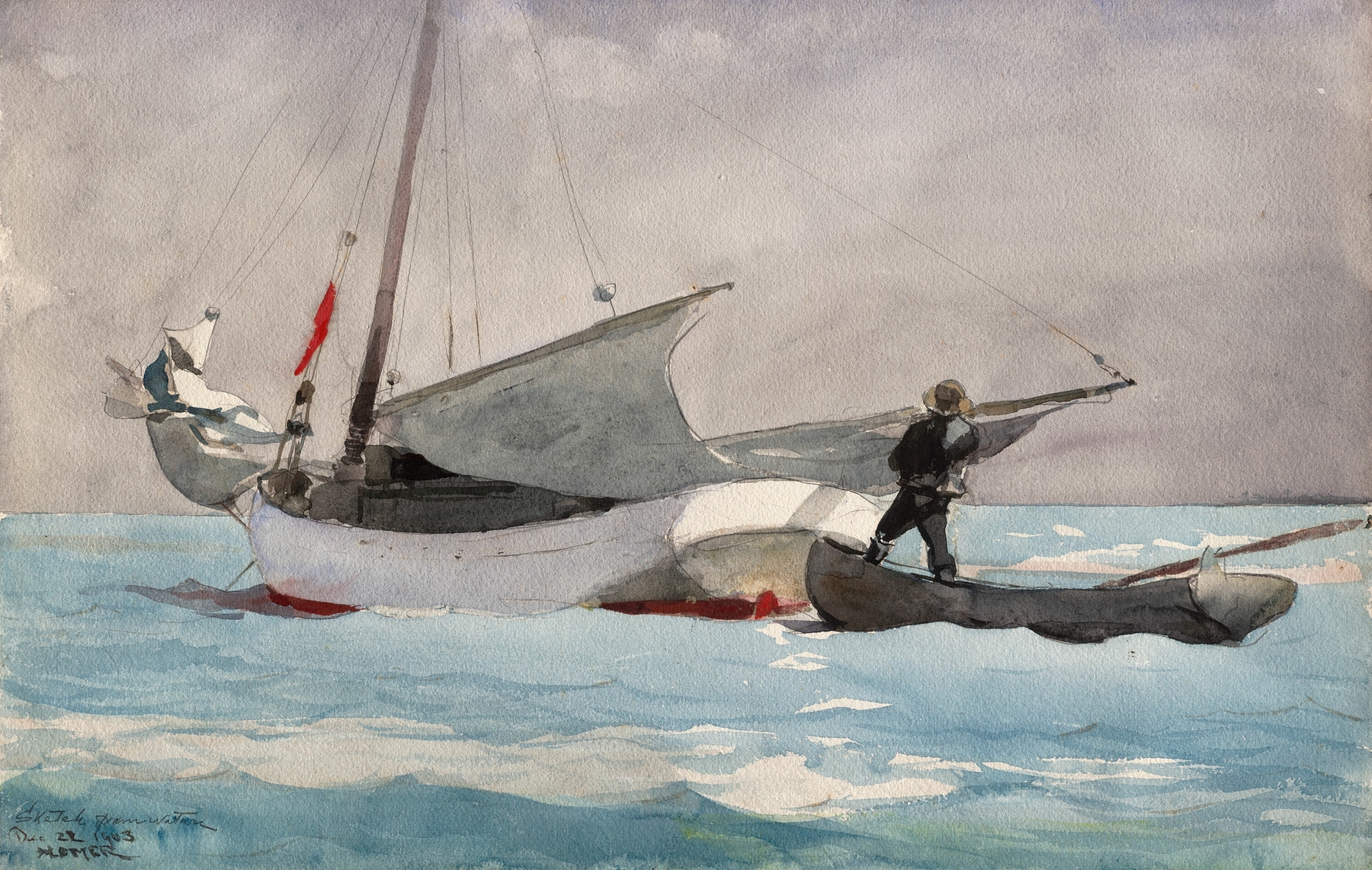
“Under the brush, chaos becomes grace.” In the hands of a master, tumult transforms into tranquility, revealing the revolutionary spirit of a time in transition. Begin by focusing on the robust figures at the center of the canvas, their sturdy forms exuding strength and purpose. Notice how the sunlight bathes their skin, infusing warmth into the scene while the waves ripple behind them, capturing the dynamic energy of the ocean. The colors, ranging from deep blues to sunlit golds, evoke a sense of harmony amidst the labor, inviting viewers to delve deeper into the intimate struggle between man and nature.
The juxtaposition of toil and beauty is palpable; the sailors’ muscular exertion stands in stark contrast to the gentle sway of the boat. Each gesture, whether a taut rope or a bending sail, reveals the emotional tension of the moment—an acknowledgment of nature’s power. Hidden within the strokes are echoes of resilience and the camaraderie born from shared challenges, suggesting a broader narrative of humanity’s relationship with the sea and the changing tides of life. In 1903, Winslow Homer painted Stowing Sail during a period marked by significant changes in American society.
Settling in a seaside studio in Maine, he was deeply influenced by the natural world and the lives of everyday fishermen. At this time, the art world was grappling with modernity, yet Homer remained rooted in the realism that celebrated the human spirit confronting nature’s vastness. This piece captures the essence of that moment, a testament to endurance and the quiet revolution of industry meeting artistry.