Study for a Stage Set; a Fortress with Cannon and Buildings — History & Analysis
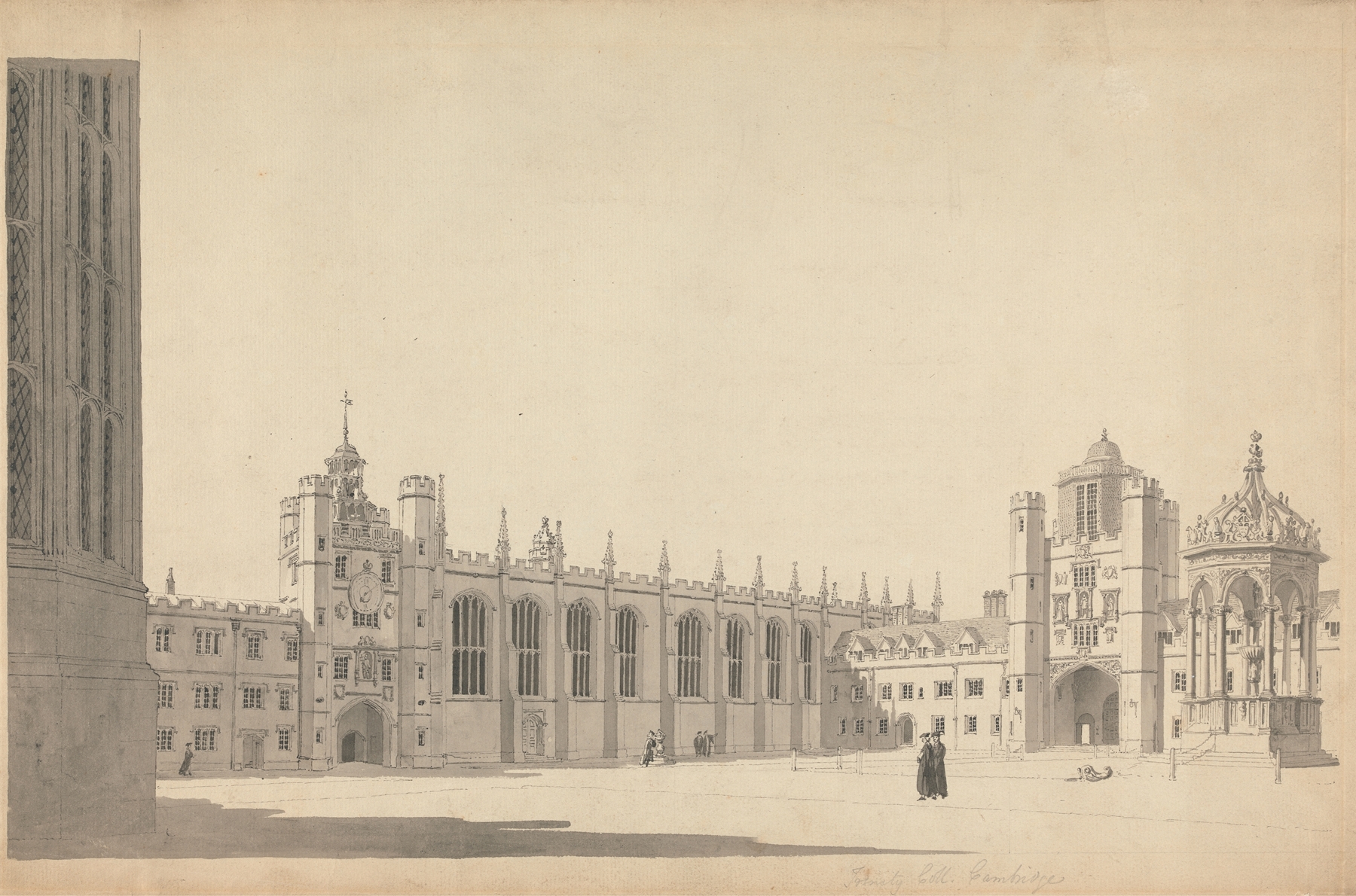
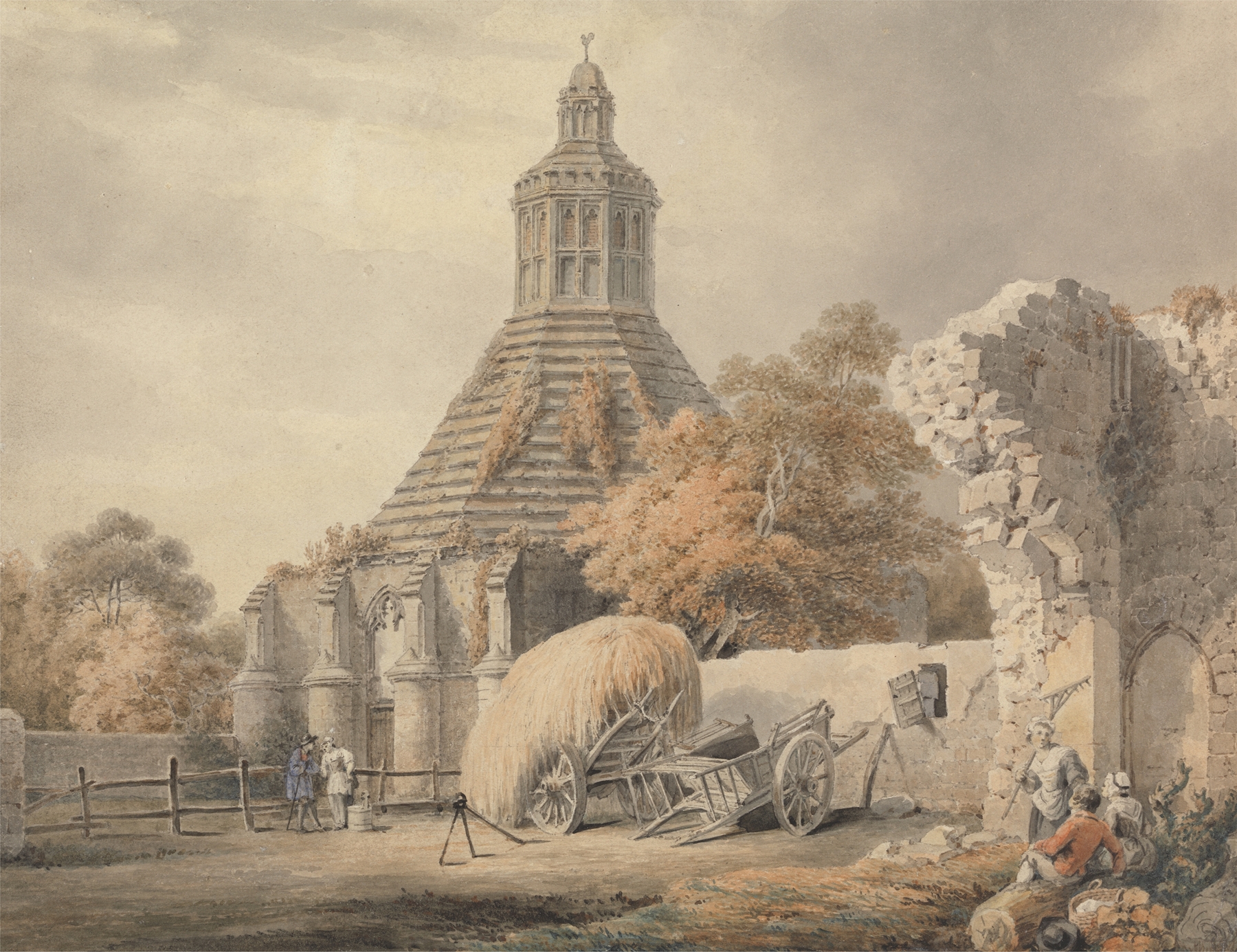
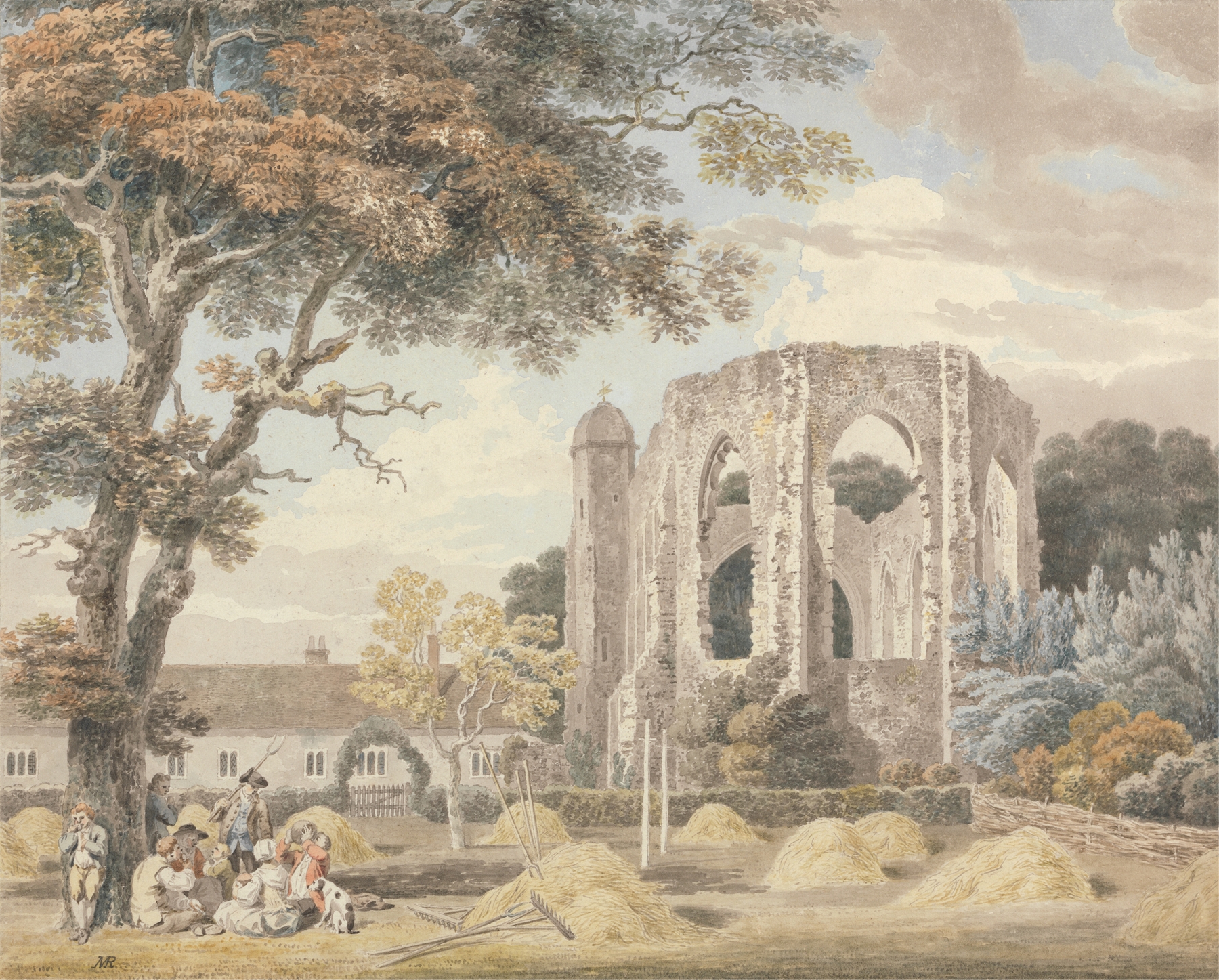
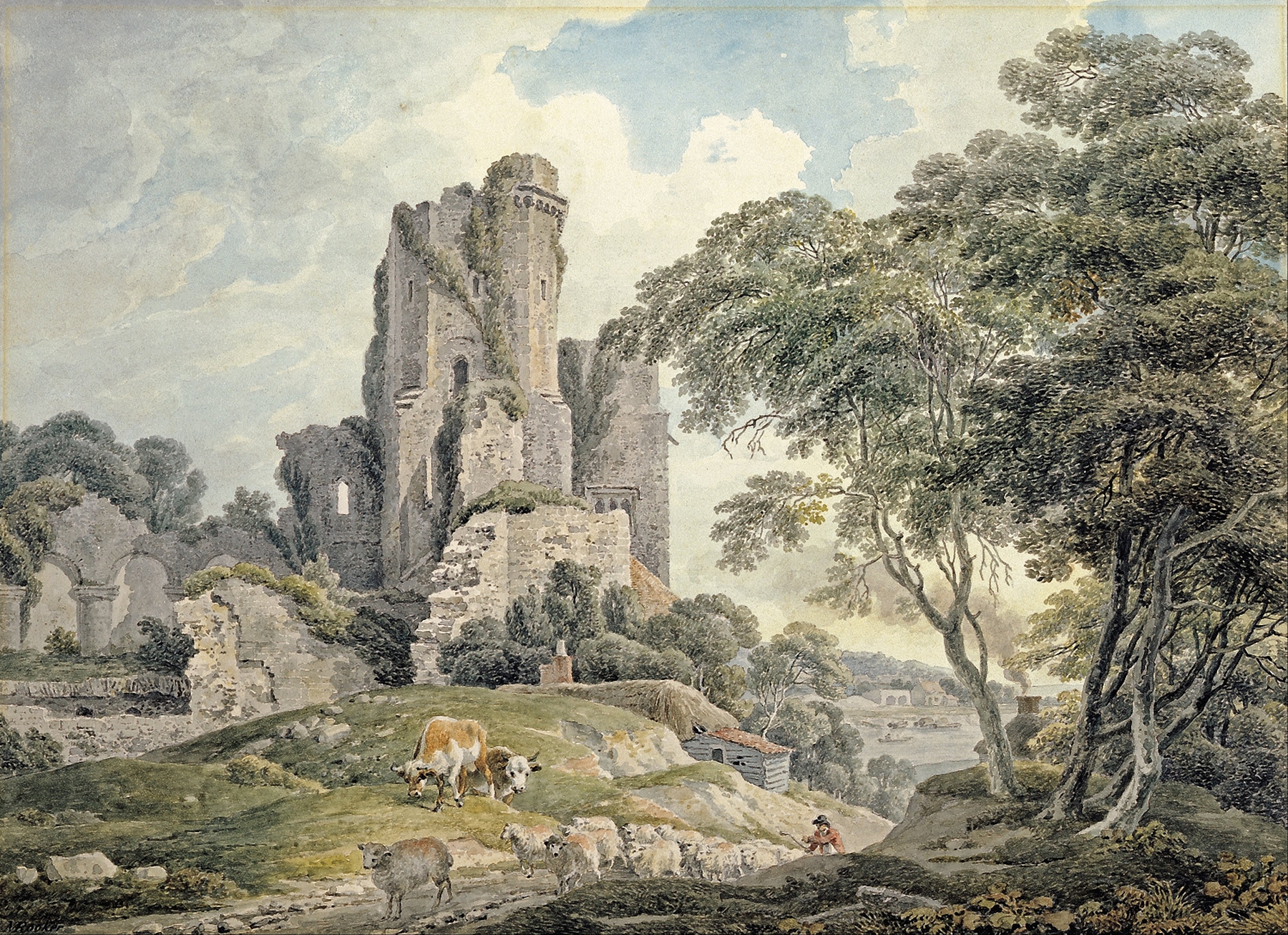
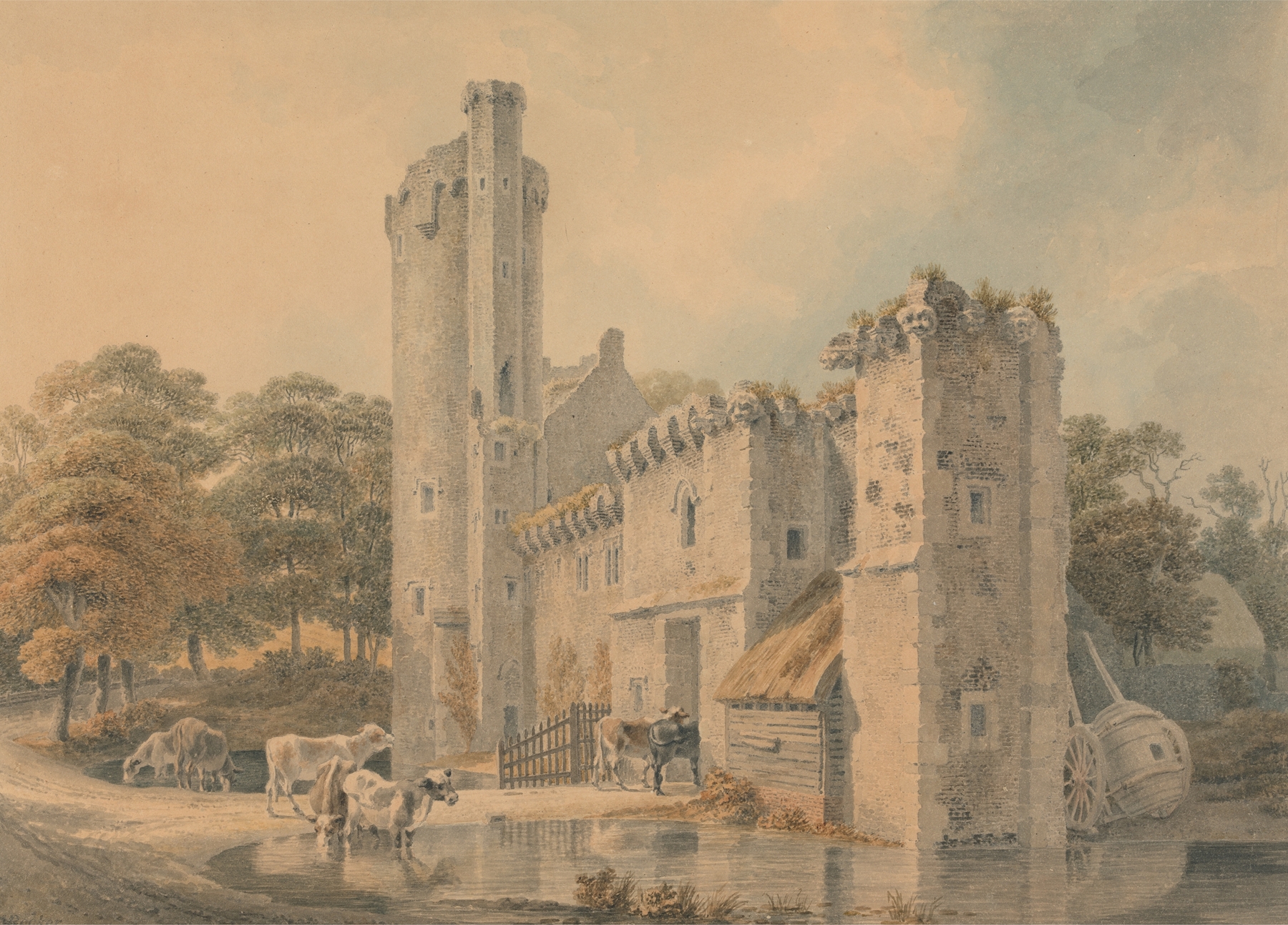
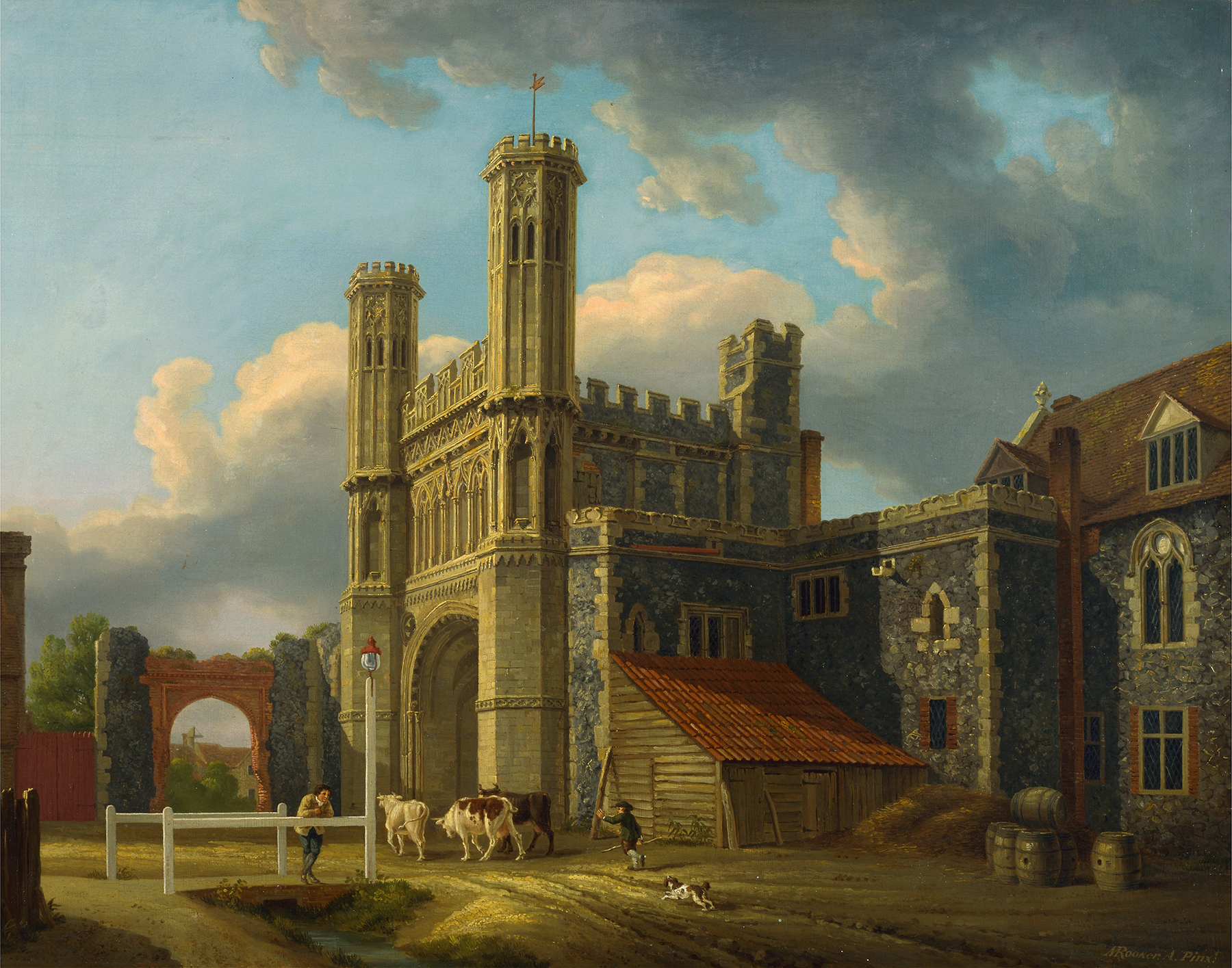
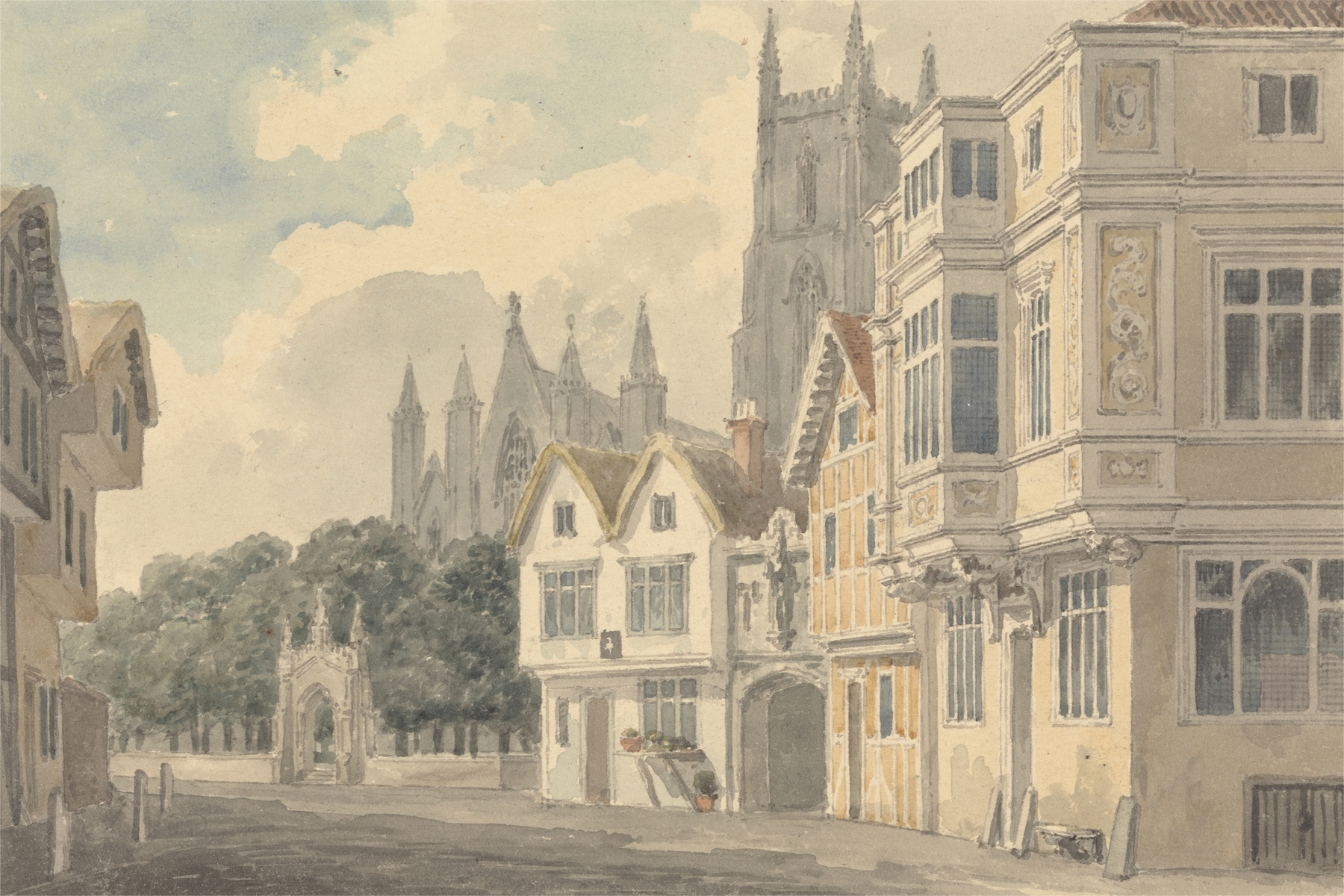
Could beauty survive in a century of chaos? In the contemplation of mortality, we find both despair and hope, each waiting for the other in the shadows of existence. Look to the left at the stark silhouette of the fortress, its imposing walls rising like a challenge against an unseen threat. The meticulous detailing of the cannon, positioned ominously, draws your eye, emphasizing its role in a potential conflict.
Notice how the delicate brushstrokes create a contrast with the darker, more aggressive forms around it, illustrating a fragile beauty nestled within the chaos of the imagined landscape. As you explore further, subtle layers emerge: the buildings, hinting at human ambition, stand resolute yet vulnerable, suggesting a transient existence amid harsher realities. The delicate use of light captures a moment of stillness, inviting reflection on the passage of time and the enduring struggle between creation and destruction. This tension fosters an emotional dialogue about mortality—how life flourishes even in the face of potential ruin.
Michael Angelo Rooker likely created this piece in the late 18th century, during a time of great artistic evolution in England. As a prominent figure within the Romantic movement, his work often wrestled with the themes of nature and humanity, influenced by the tumultuous socio-political backdrop of his era. This study reflects not only his artistic prowess but also a cultural conversation grappling with the fragility of life and the inherent beauty within its impermanence.