Study for ‘The Gulf Stream’ — History & Analysis
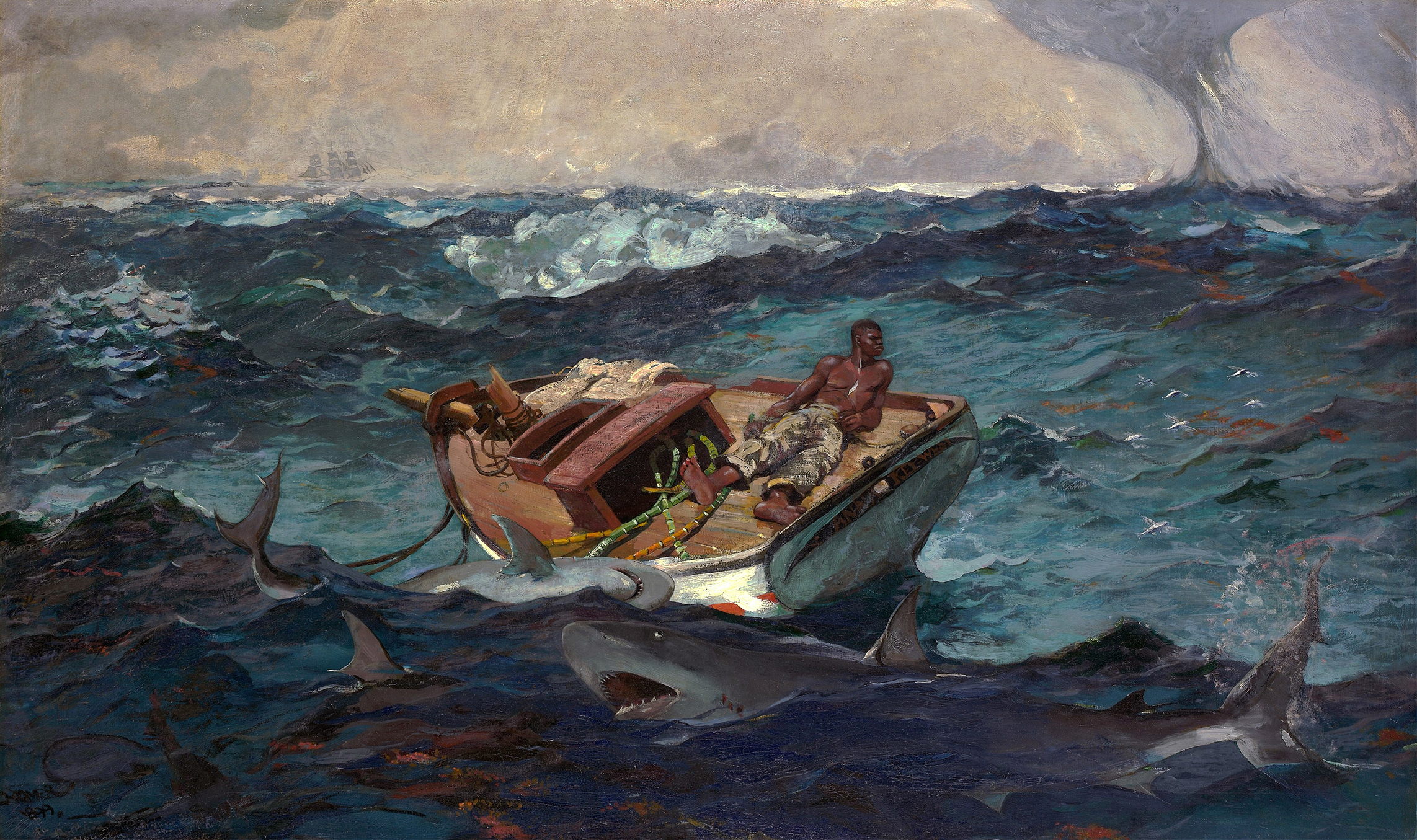
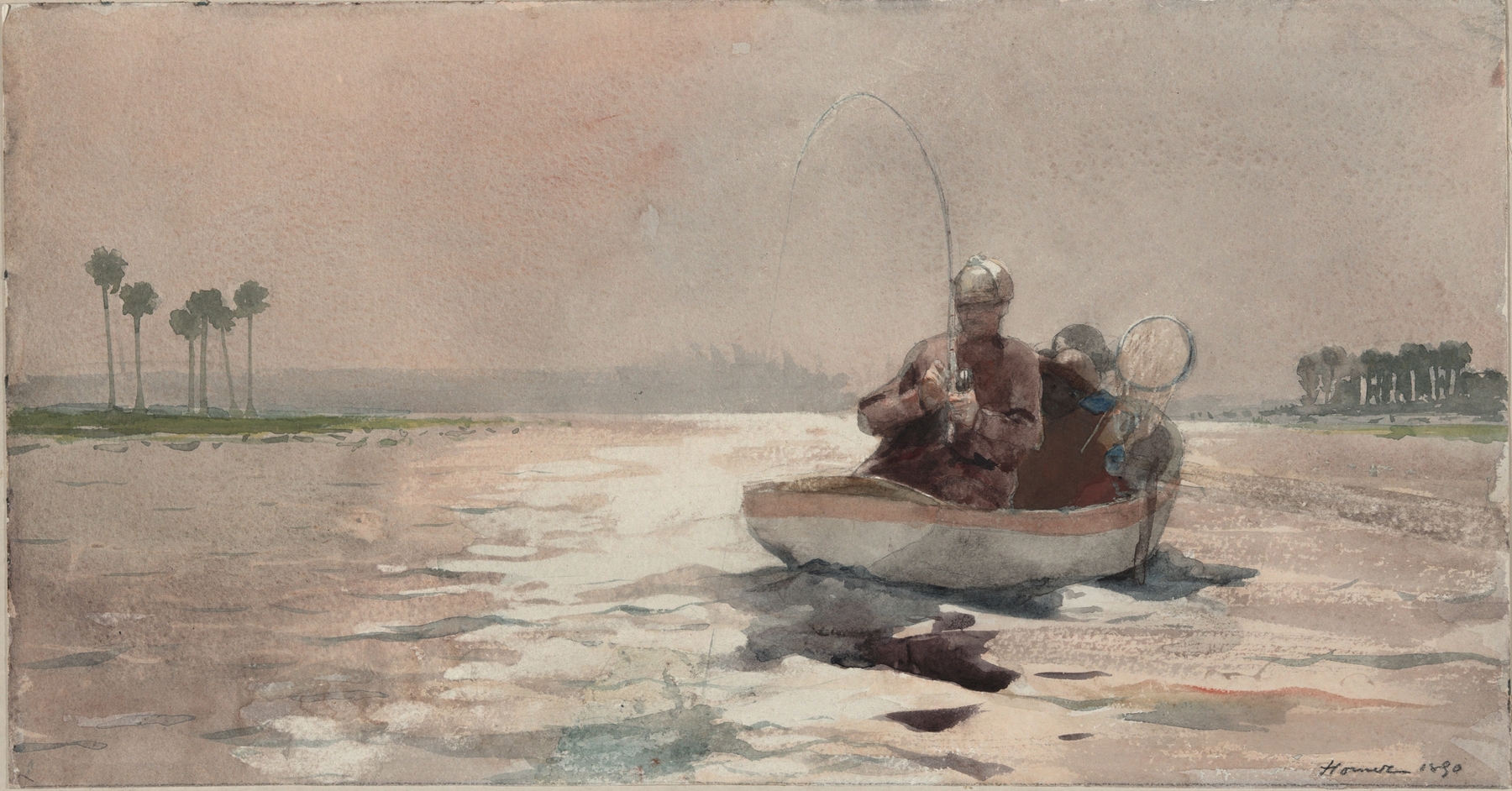
“To paint is to remember what time wants us to forget.” In an era where innocence slips away like grains of sand, we find ourselves drawn to the fragile interplay between vulnerability and survival. Focus first on the central figure, a lone fisherman adrift on a tattered boat, his posture a blend of desperation and resilience. Notice how the light dances upon the waves, creating a shimmering contrast against the stormy backdrop, as deep blues and greens swirl ominously. The rough textures of the water evoke a sense of turmoil, while the starkness of his isolation amplifies the emotional weight of the scene.
Your eyes may be drawn to the dark clouds gathering overhead, foreshadowing an approaching tempest. As you delve deeper into the details, observe the fisherman’s expression, a haunting mix of determination and fear, reflecting the struggle between man and nature. The whitecaps crashing against the boat serve as a reminder of the threats lurking just beyond the surface, capturing the fragility of human existence.
The composition itself forms a powerful dialogue; the fisherman fights against an indifferent sea, suggesting themes of isolation and the human spirit’s unyielding quest for survival amid chaos. Created between 1898 and 1899, this work emerges during a pivotal moment for the artist, who was exploring the depths of human emotion in the face of nature’s might. Living in a rapidly changing world, marked by industrialization and shifting social landscapes, the artist sought to capture the essence of the individual’s struggle, reflecting both personal and collective narratives that resonate through time.