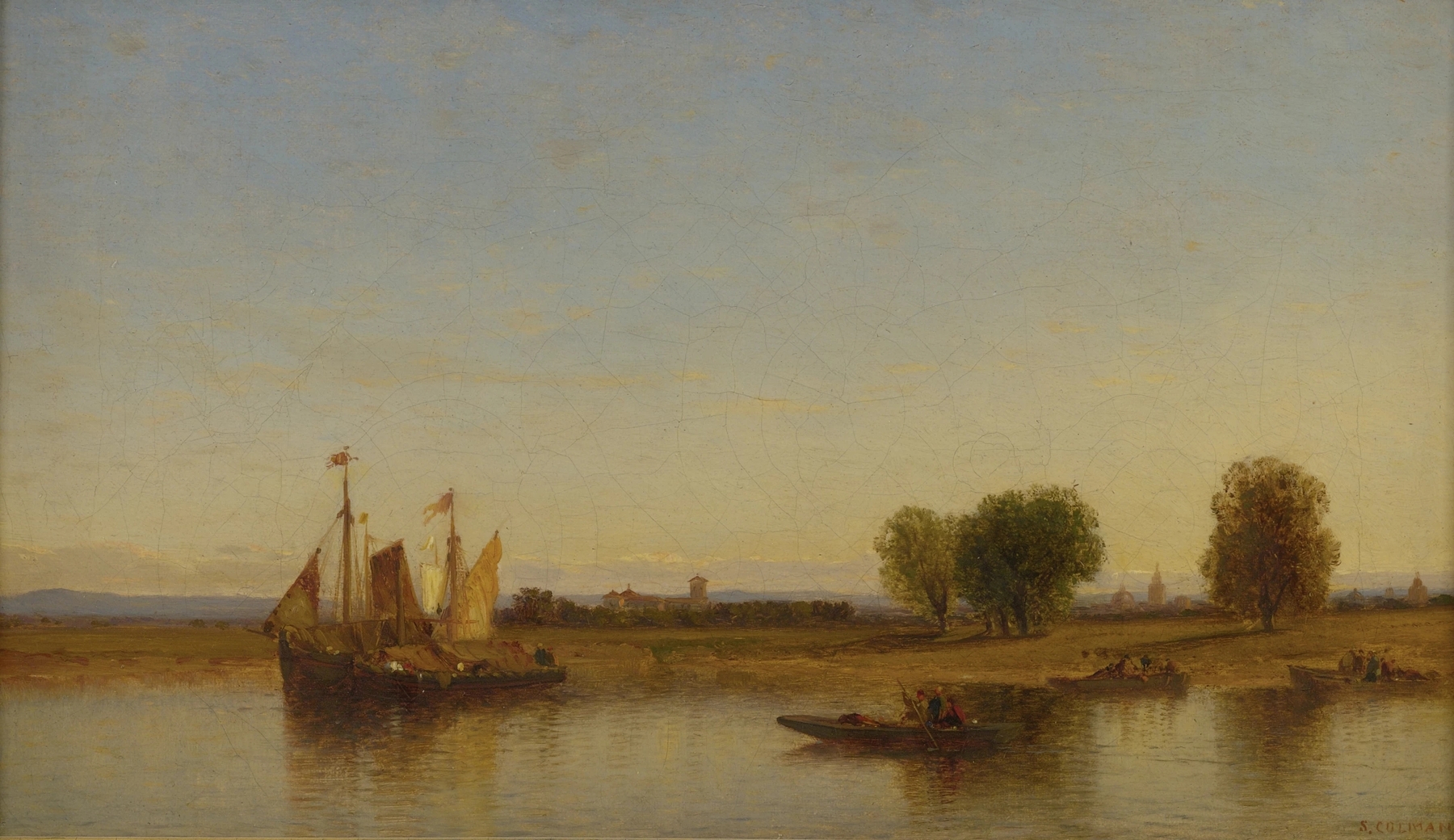
Summer, Hastings on Hudson — History & Analysis
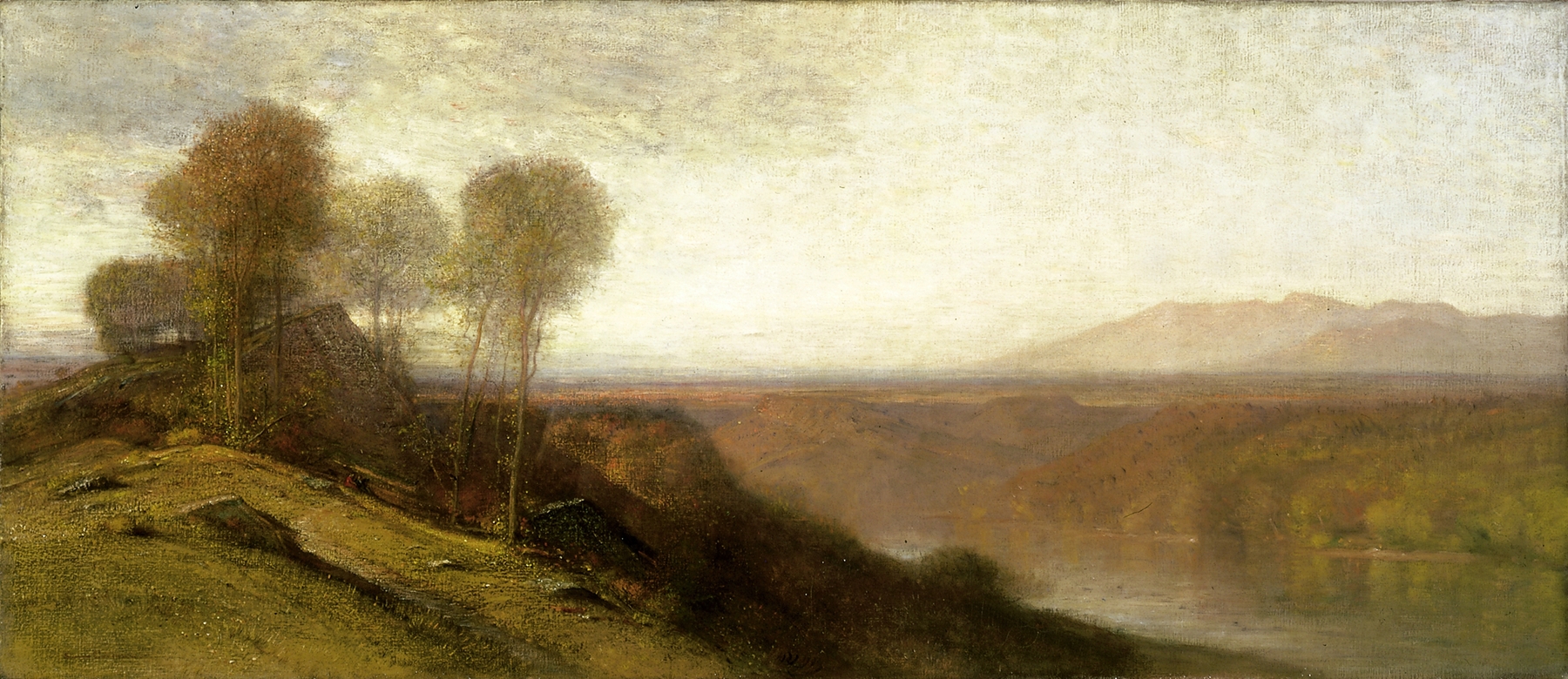
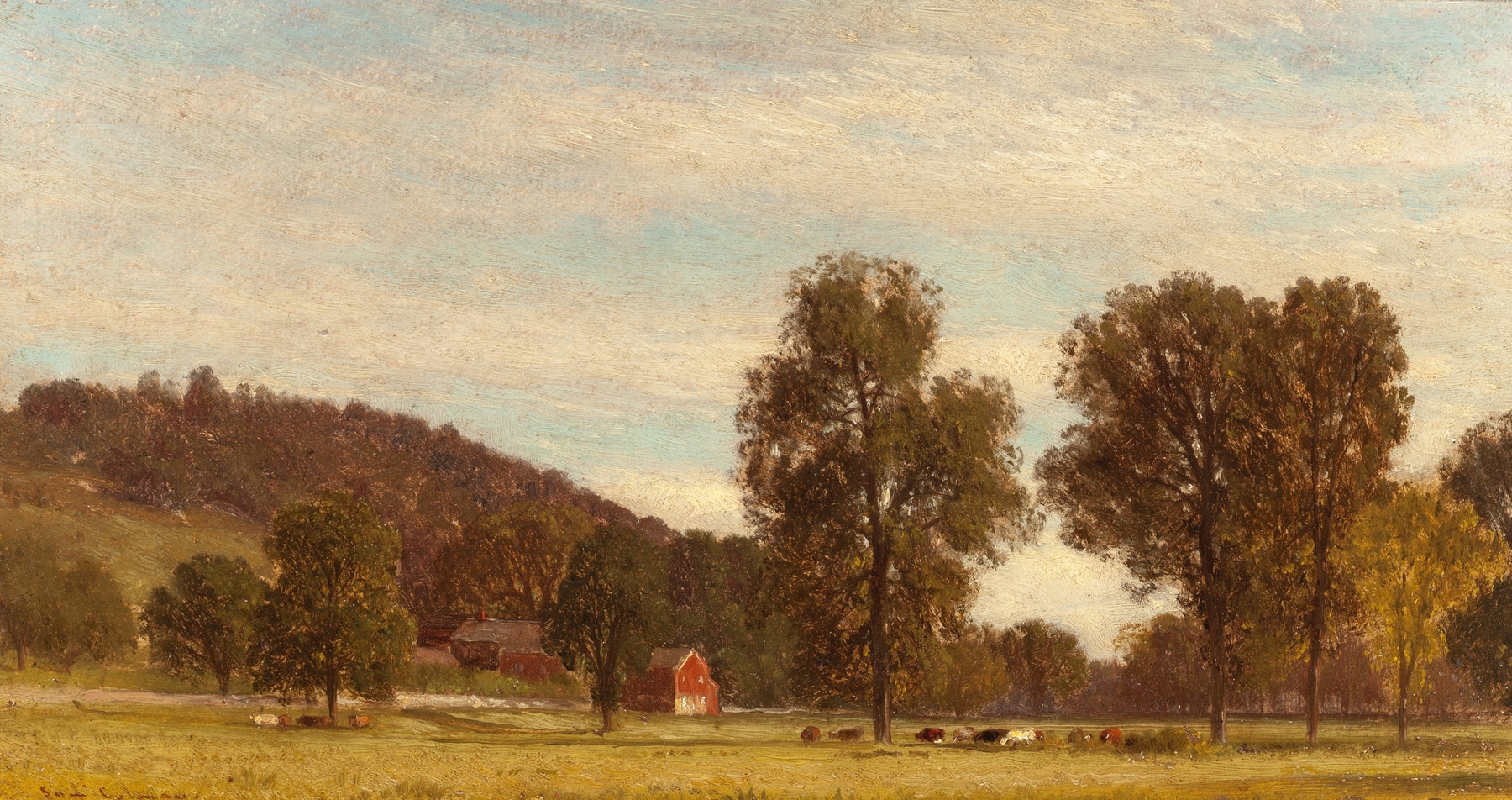
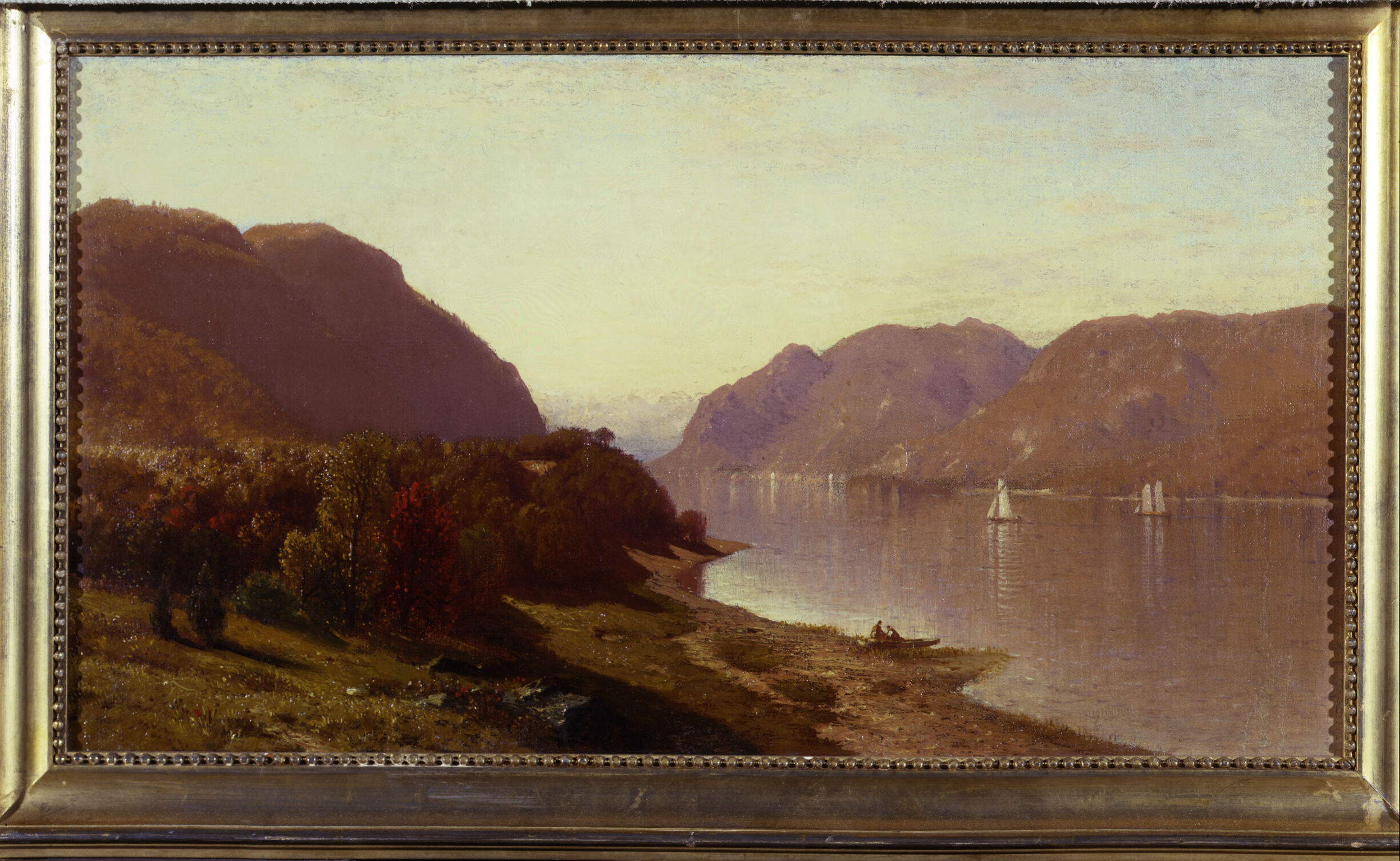
Can paint confess what words never could? In Summer, Hastings on Hudson, the canvas breathes a sense of awakening, inviting viewers to explore its serene landscape and emotional depth. Look to the left at the gentle curves of the rolling hills, where soft greens and muted yellows blend seamlessly. Notice how the light dances across the water, creating a shimmering reflection that captures the essence of a warm summer day.
The brushwork is fluid, with strokes that seem to ripple like the breeze that stirs the trees. The horizon, kissed by a pale sky, offers a tranquil backdrop that enhances the harmony within the composition. This artwork speaks of contrasts—the vibrancy of nature set against the stillness of a moment in time. The delicate balance between the lush vegetation and the quiet water evokes a sense of peace and introspection, while the exploration of light and shadow signifies the fleeting nature of beauty.
The viewer is drawn into a contemplative space, as if standing on the very banks of the Hudson, mesmerized by the landscape’s soft awakening. Samuel Colman painted this piece around 1866-1870, during a transformative period in American art, marked by the rise of the Hudson River School, which celebrated the beauty of the American landscape. Colman, inspired by both Romanticism and a quest for spiritual connection through nature, sought to capture the essence of this iconic location at a time when the country was still grappling with the repercussions of the Civil War.