Sunday walk in the Roman countryside — History & Analysis
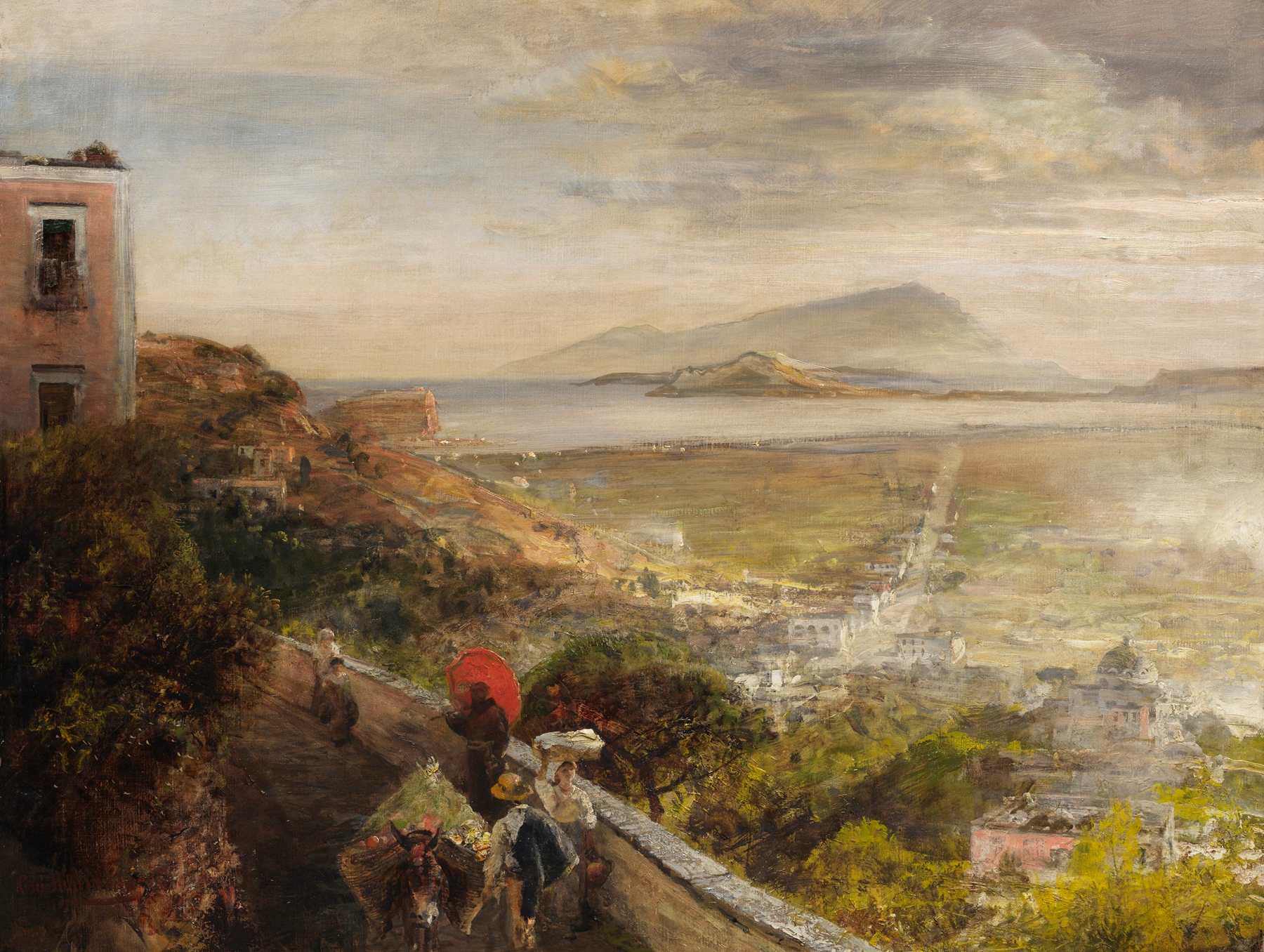
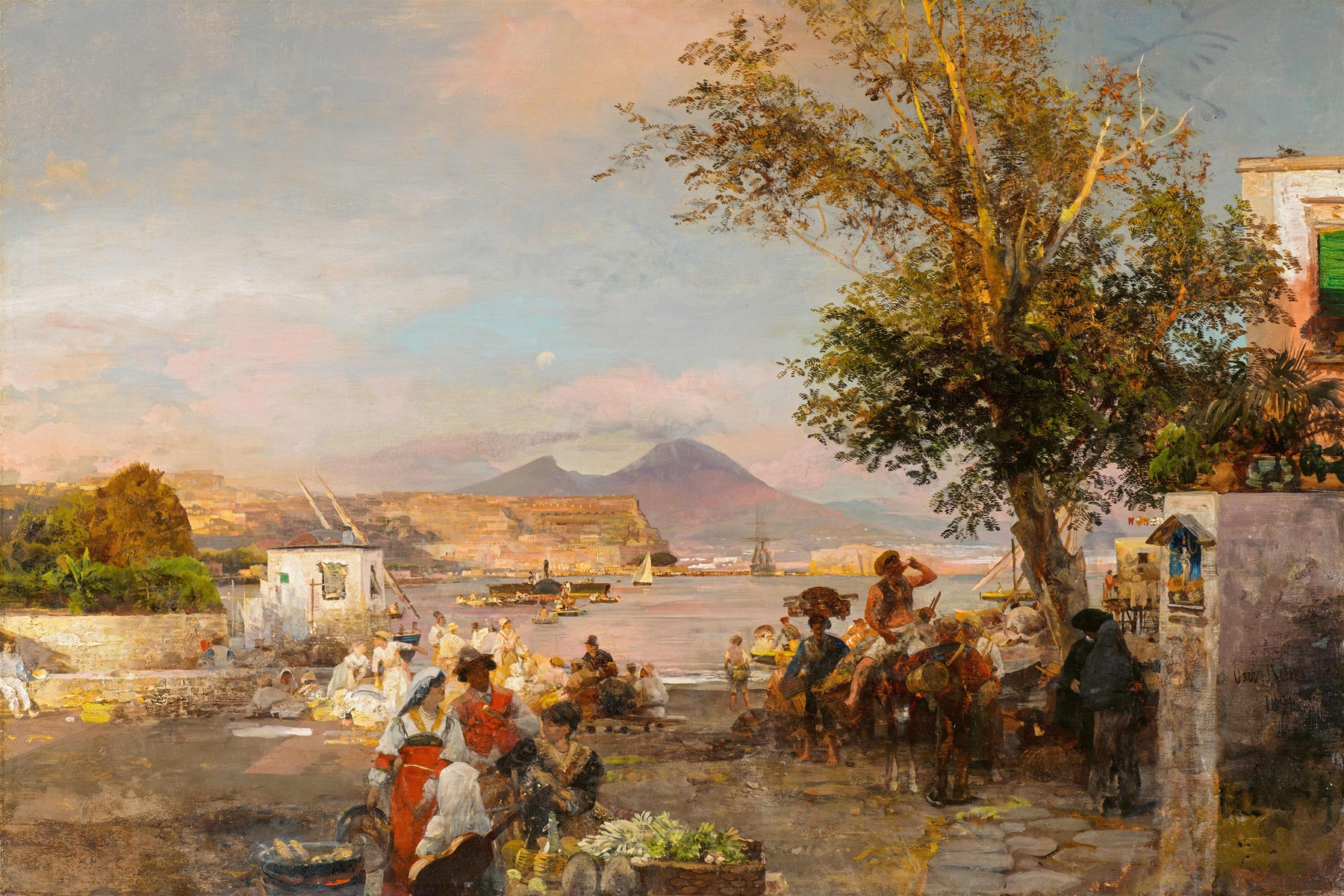
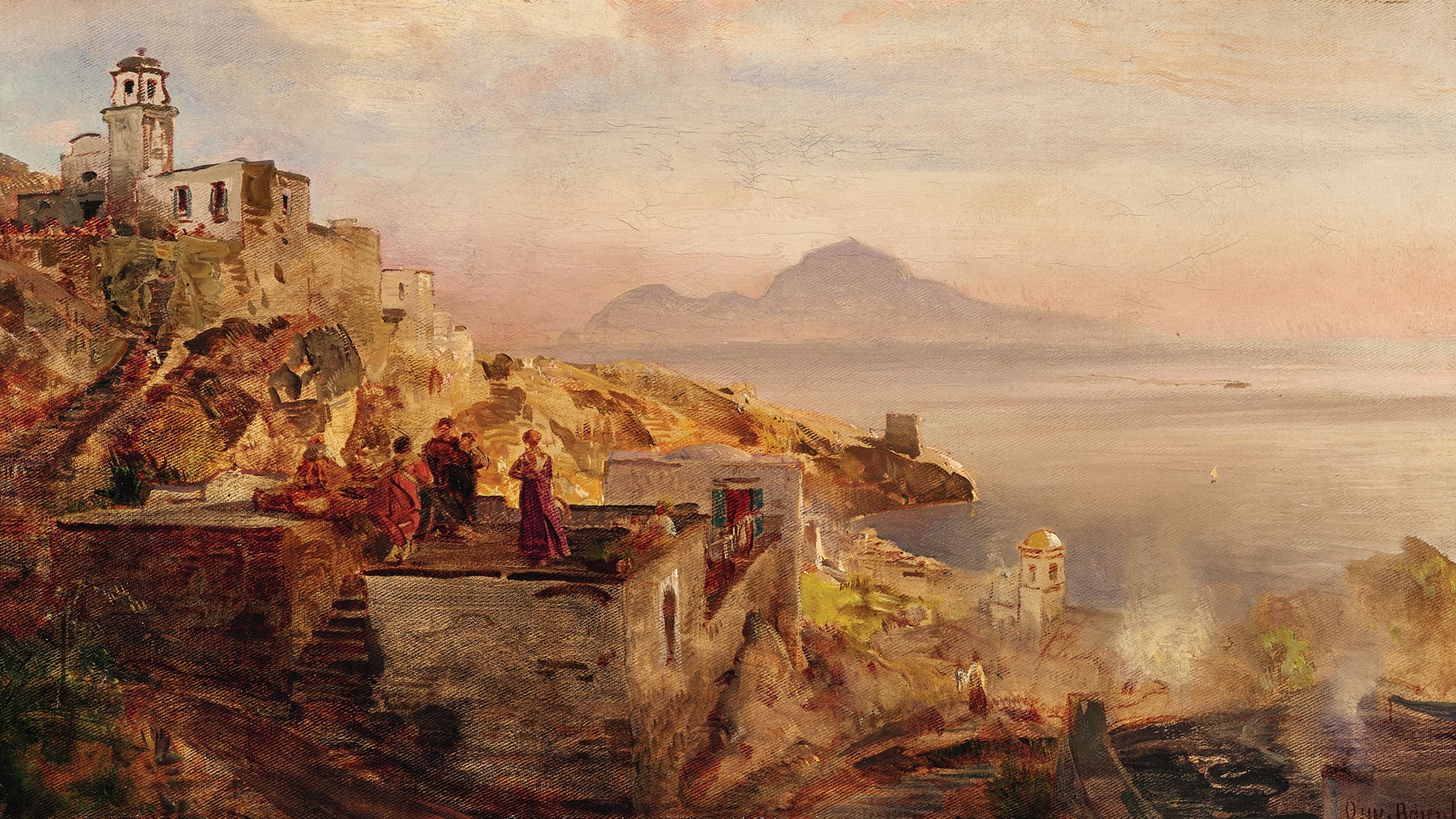
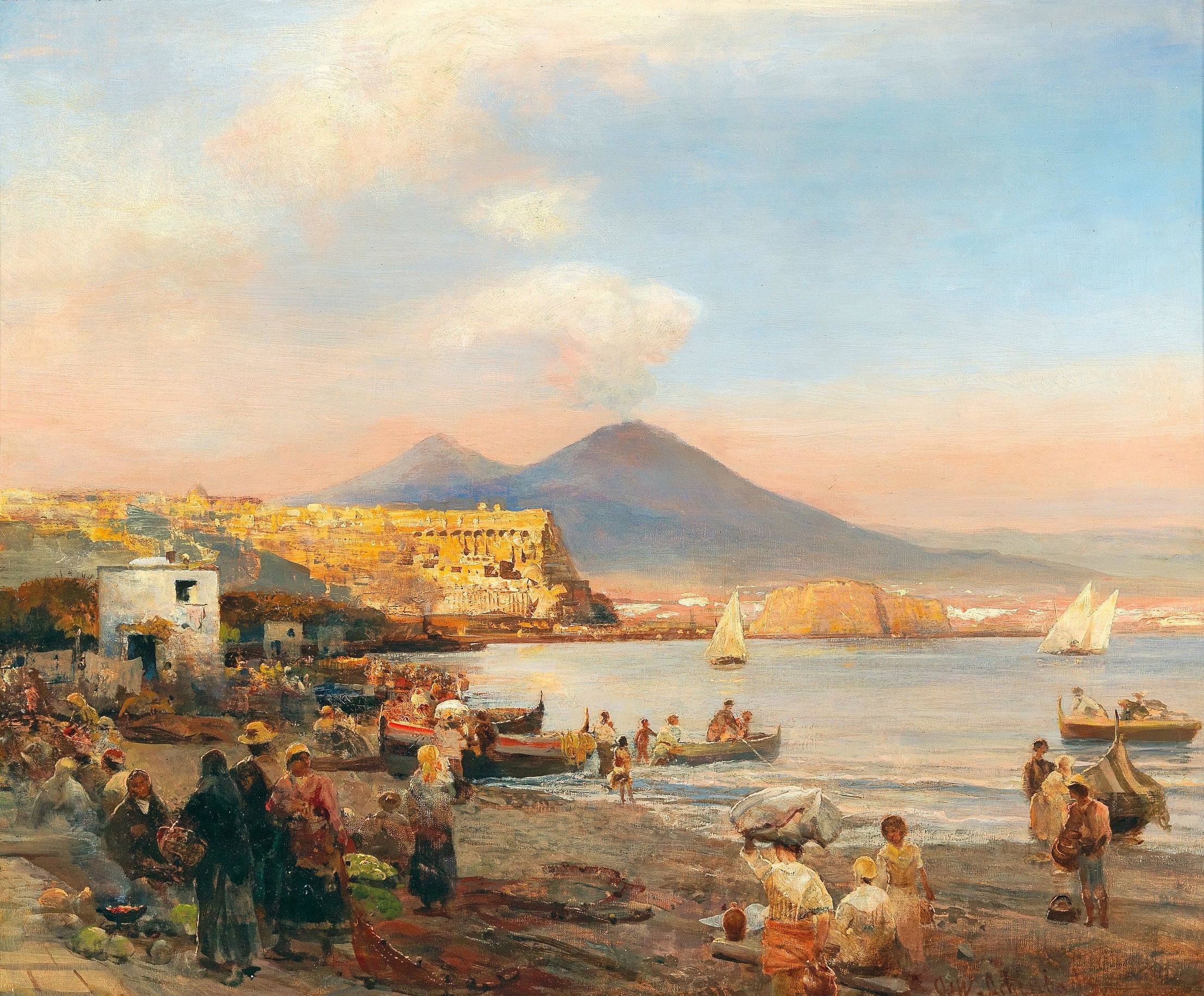
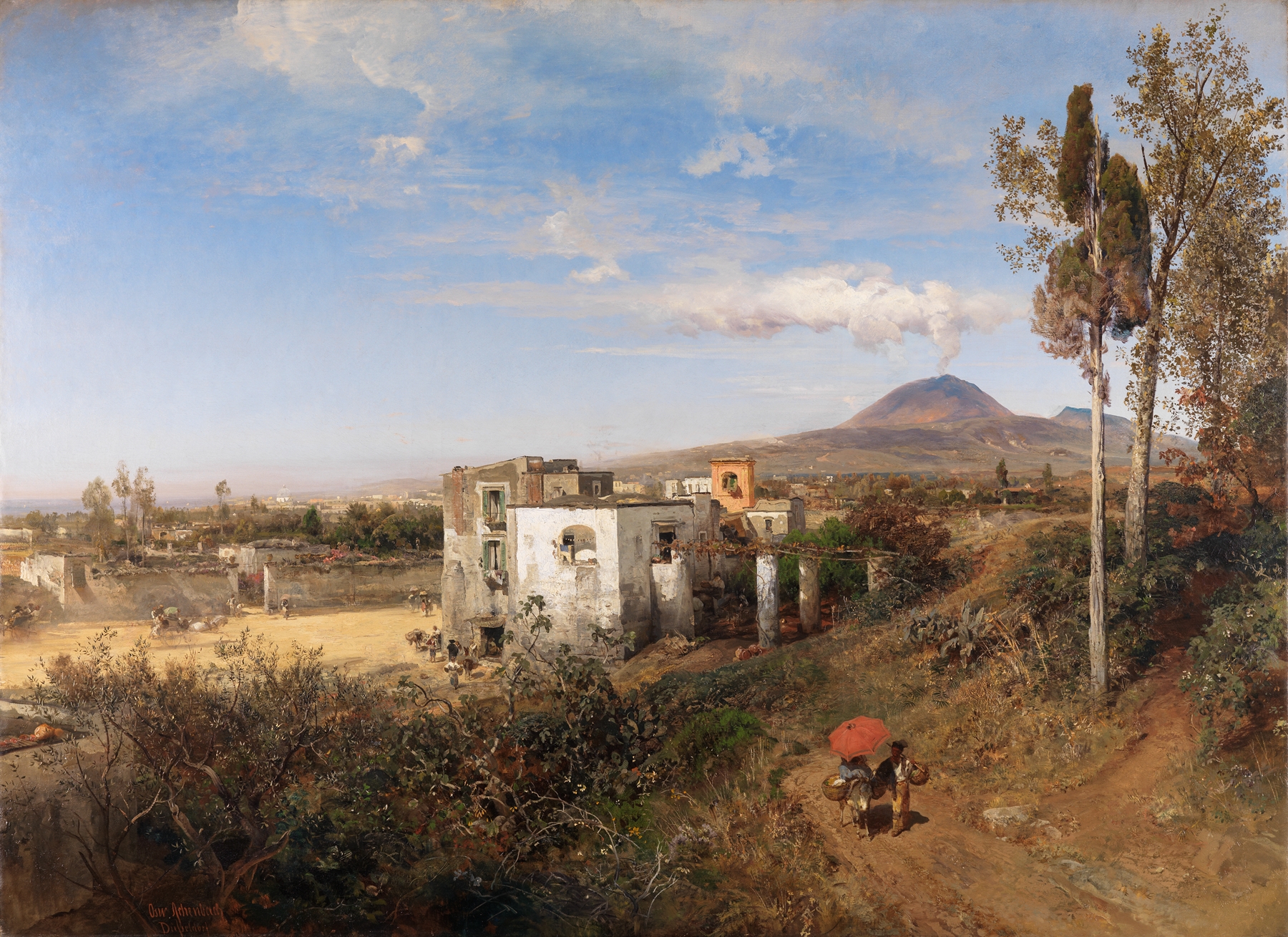
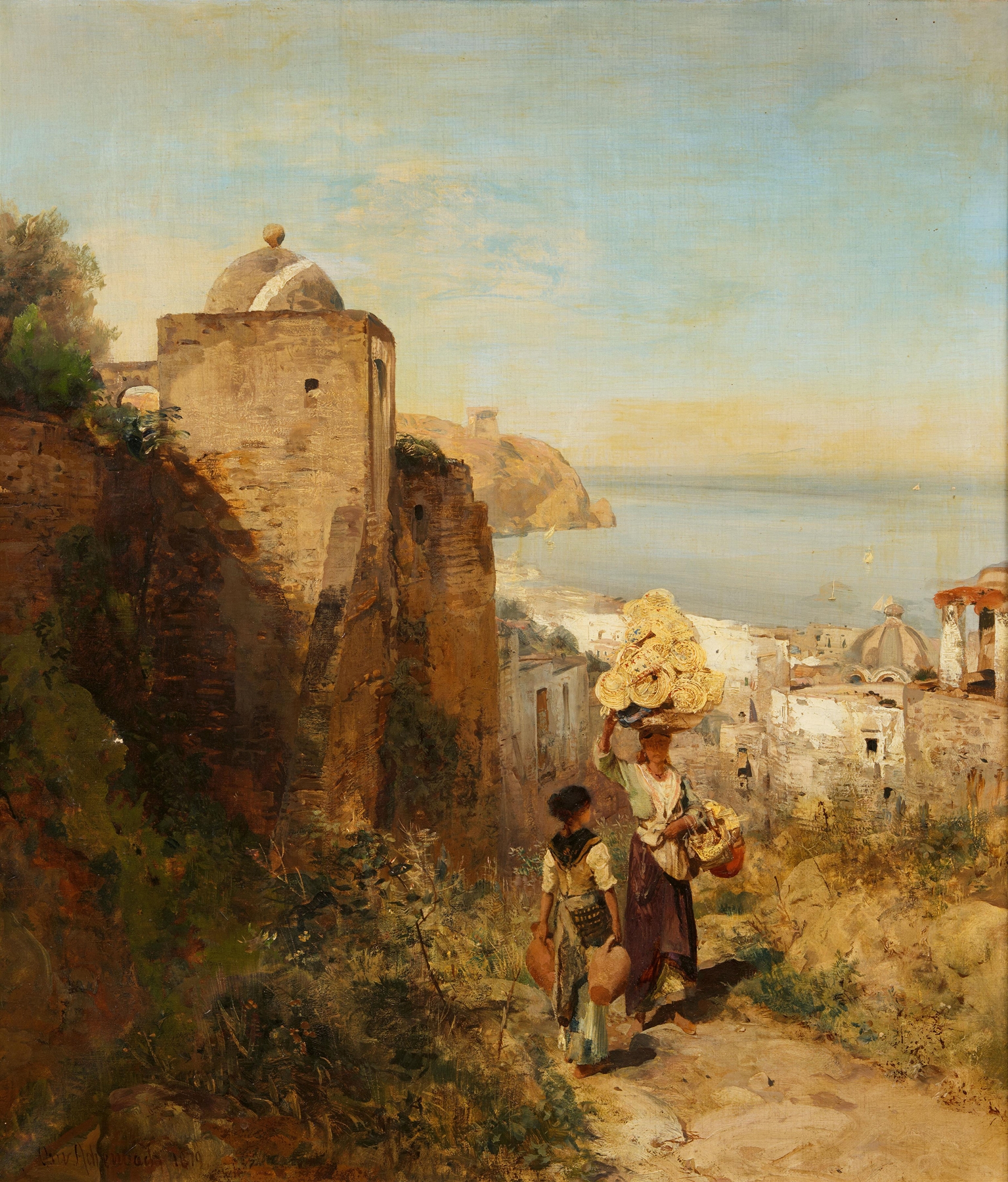
“Under the brush, chaos becomes grace.” This sentiment resonates deeply in a painting that invites us to question the very nature of tranquility among chaos and the betrayals hidden beneath serene surfaces. Look to the left at the winding path carved through the dappled sunlight, where figures meander like whispers in the wind. The vibrant greens of the countryside contrast with the somber hues of their garments, suggesting a dissonance between outward appearances and inner turmoil. Notice how the light plays across the canvas, illuminating the leaves in a way that renders them both luminous and suffocating, a metaphor for the allure of beauty that may conceal darker truths.
At first glance, the scene appears idyllic, yet subtle tensions lie just below the surface. The figures, seemingly engrossed in their leisurely stroll, hint at a disconnect between their joyful demeanor and the heaviness in the air. The darkened sky in the distance looms ominously, perhaps hinting at an approaching storm, symbolizing a betrayal of the peace they believe they possess. Each brushstroke carries a weight of contradiction, inviting the viewer to ponder the complexities of human experience.
In 1882, Oswald Achenbach created this piece in Germany during a time when realism was gaining traction in the art world, showcasing the beauty of nature while grappling with the underlying emotional currents that define our existence. He was deeply influenced by his travels through Italy, blending the picturesque landscape with his own reflections on the fragility of human contentment. This painting stands as a poignant reminder that even in the most beautiful of settings, the threat of betrayal can linger, casting shadows on moments of joy.