Sunset at Point Judith Light — History & Analysis
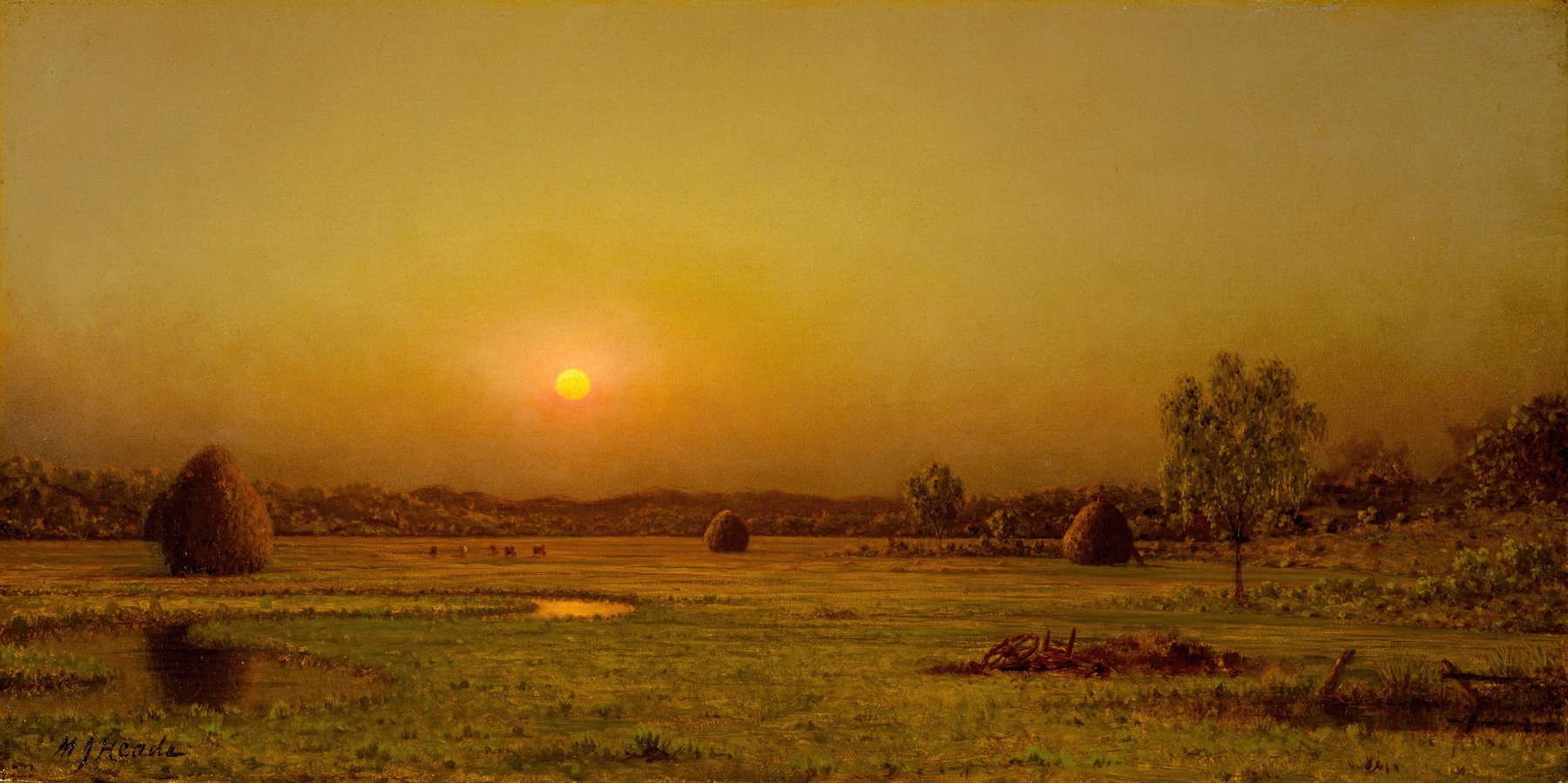
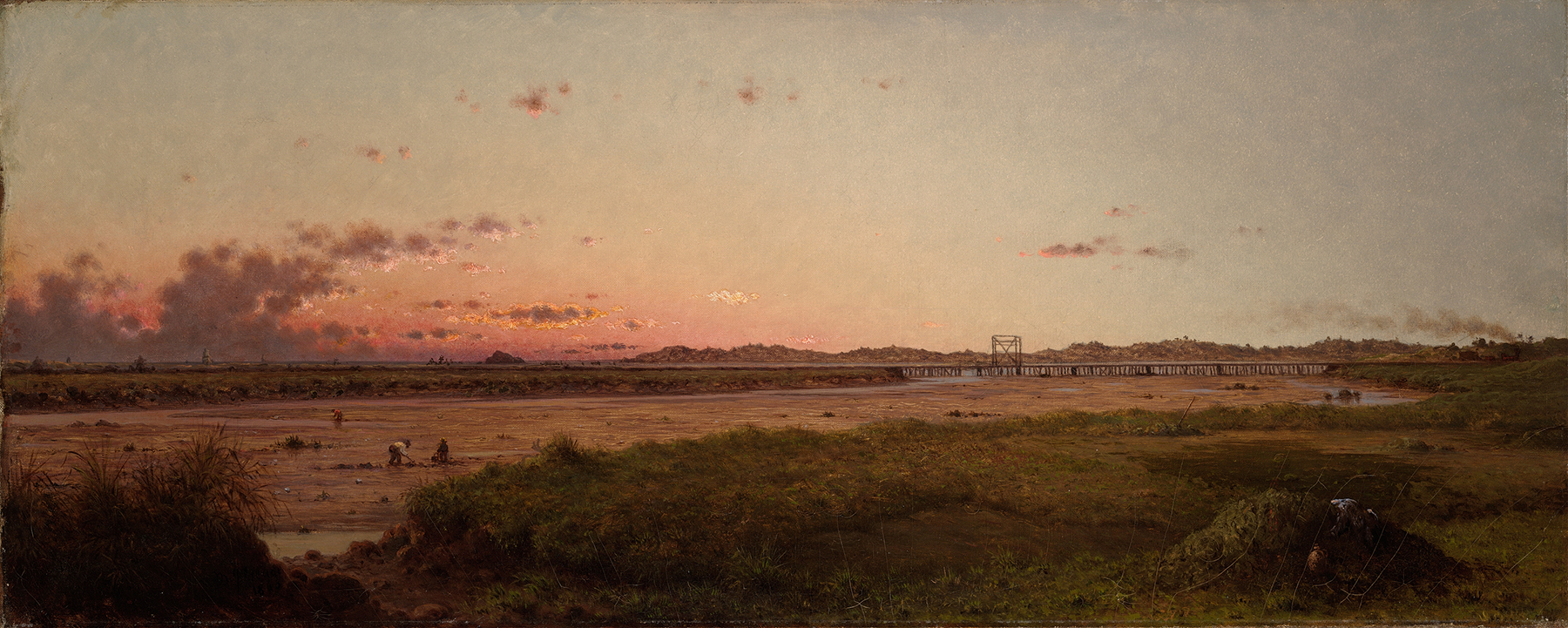
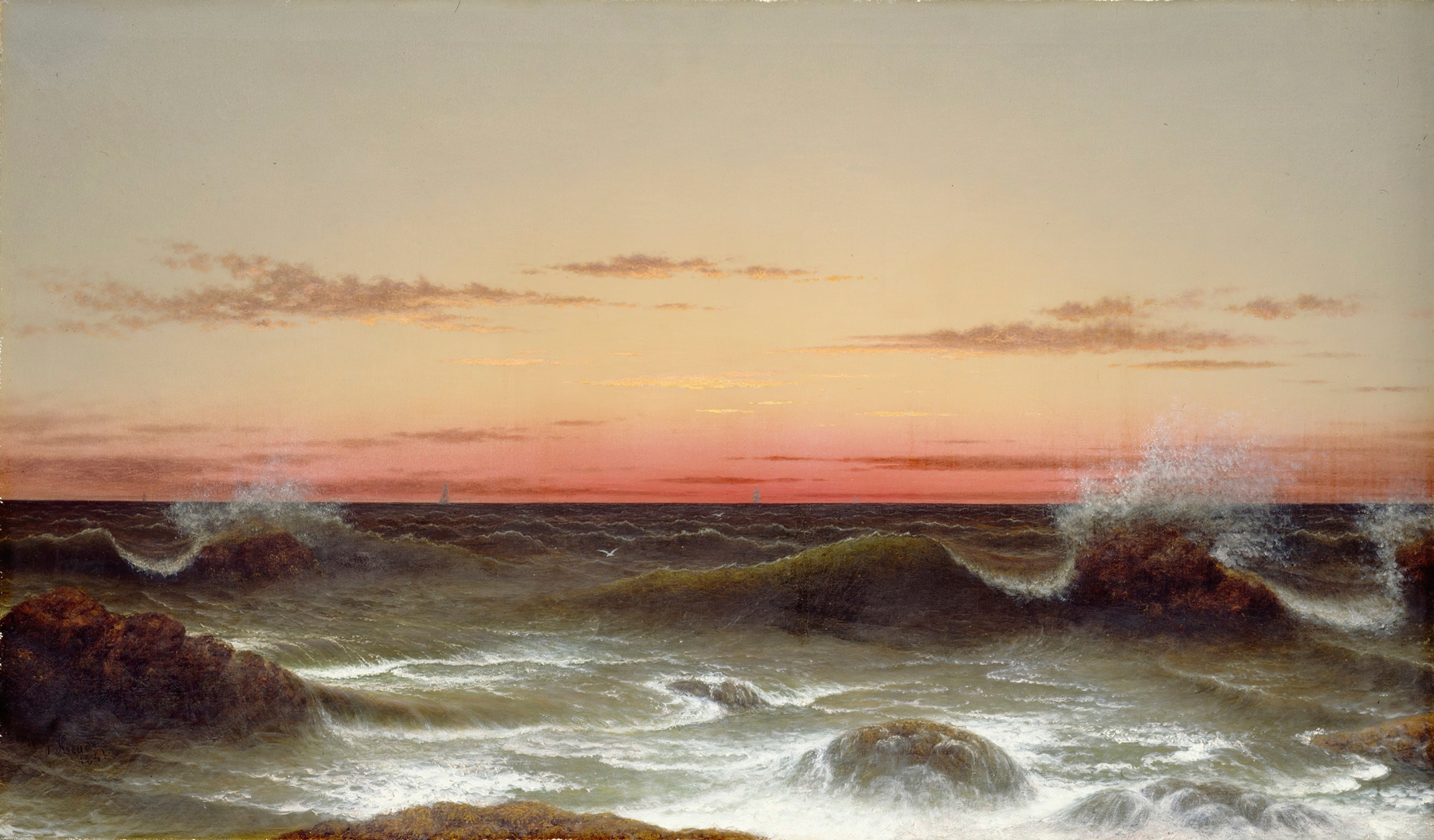
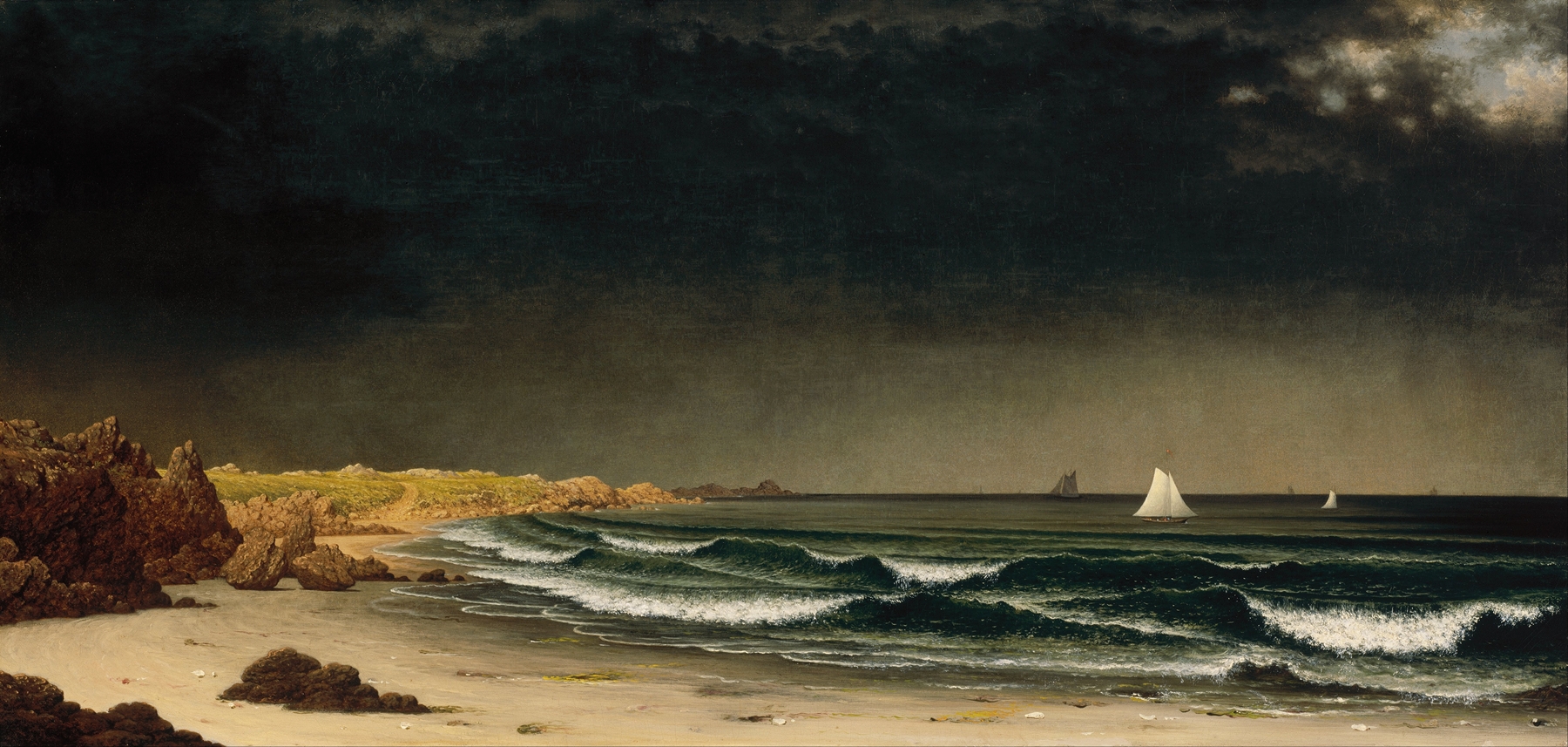
Is this a mirror — or a memory? The vibrant hues of a sunset can ignite the soul, evoking a sense of rebirth as day succumbs to night. Focus on the horizon where the fiery sun kisses the water, casting a golden path that leads your eye toward the distant lighthouse. Notice how the warm oranges and deep purples blend seamlessly, reflecting the artist's mastery of color and light.
The gentle waves catch the fading daylight, creating a shimmering dance that feels alive, while the darkening sky looms overhead, hinting at the encroaching night. Within this stunning portrayal lies an emotional tension between serenity and the inevitable passage of time. The lighthouse stands steadfast, a symbol of guidance amidst the transient beauty of nature. The interplay of light and shadow captures a fleeting moment, suggesting both the end of a day and the promise of a new dawn.
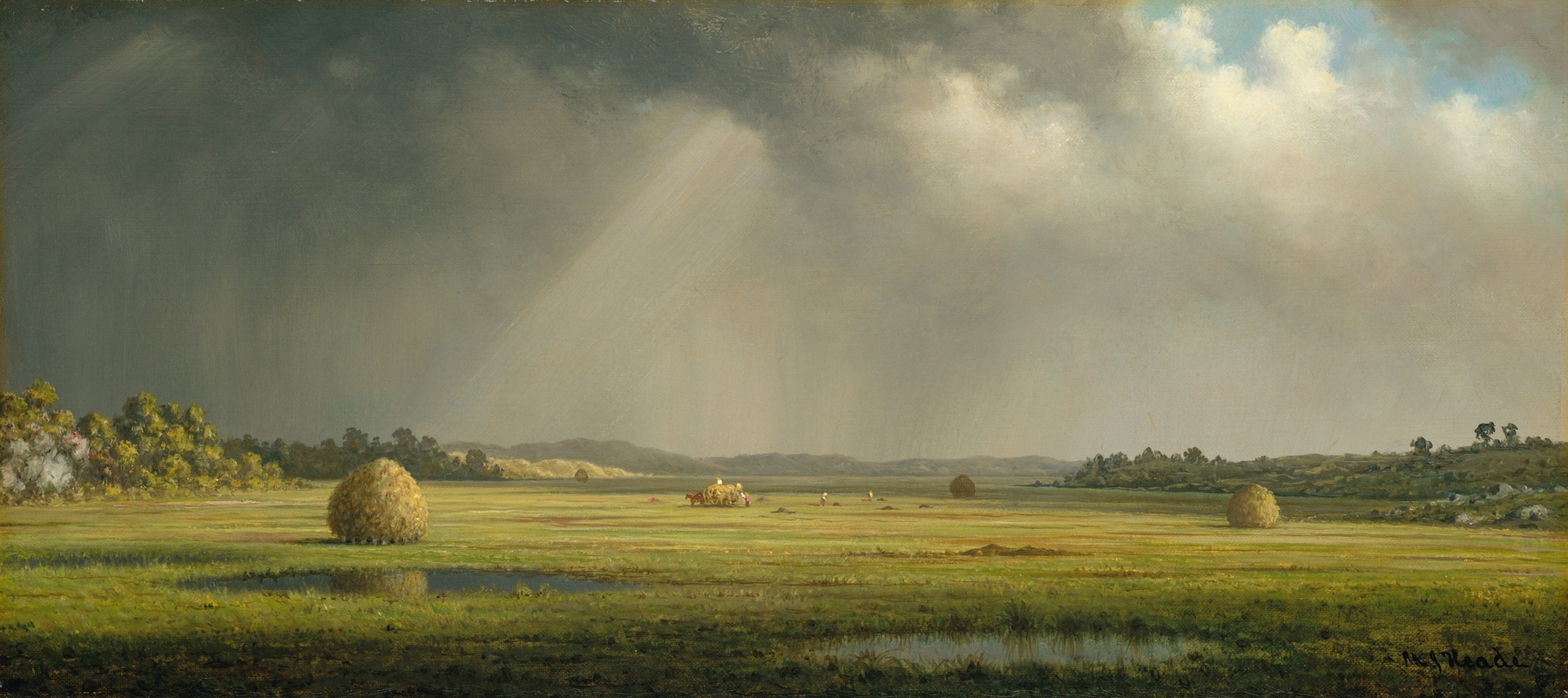
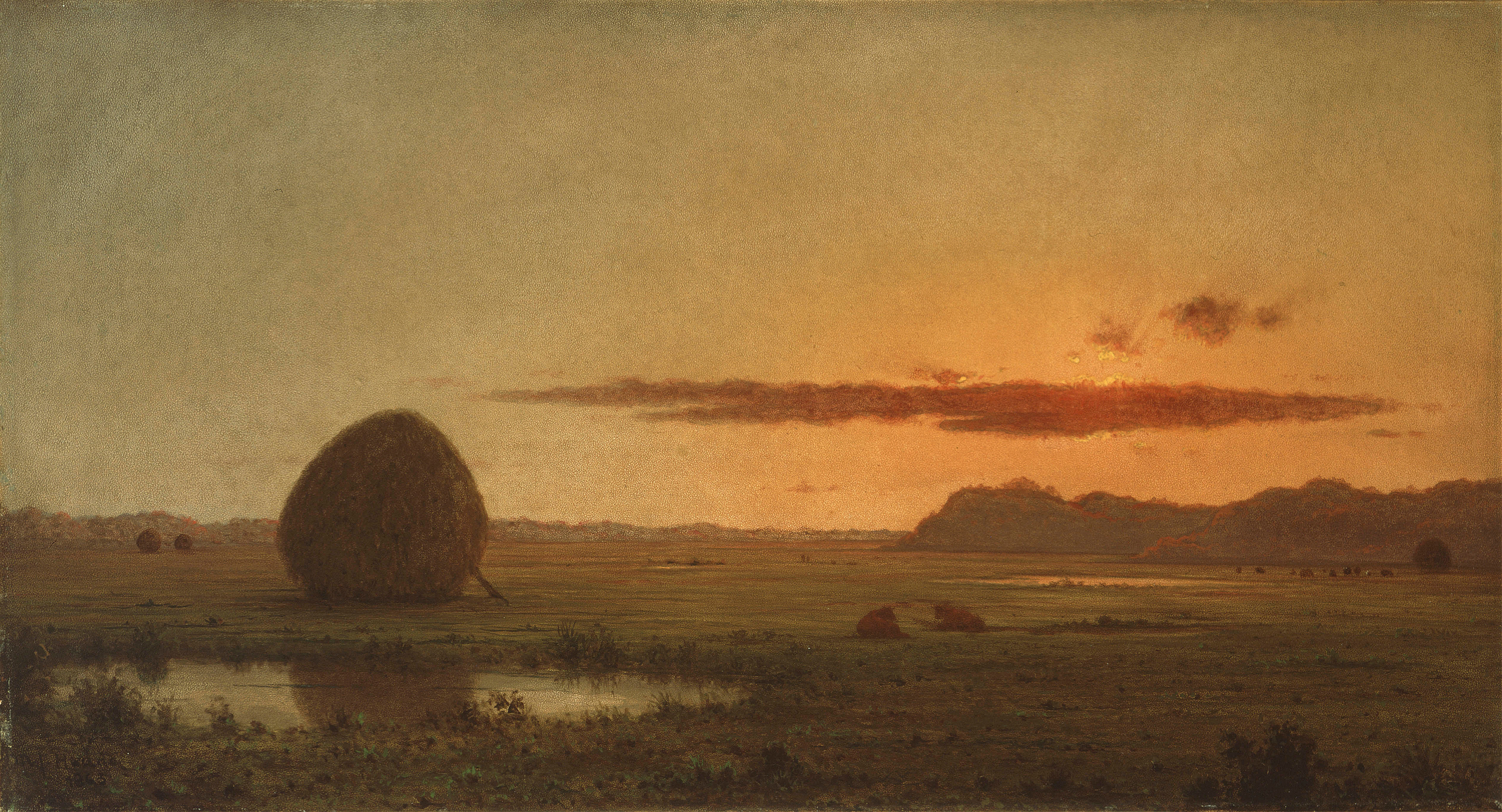
Heade's brushstrokes breathe life into the scene, inviting contemplation of the cycles we all experience. In 1869, the artist painted this piece while living in New York and actively engaging with the Hudson River School movement, which celebrated American landscapes. This period in Heade's life was marked by a quest for artistic identity, as he shifted from traditional landscapes to more evocative, atmospheric scenes. Amidst the burgeoning American art scene, Sunset at Point Judith Light reflects not only his personal journey but also a broader cultural embrace of nature's beauty and its ephemeral qualities.