Sunset near Rome — History & Analysis
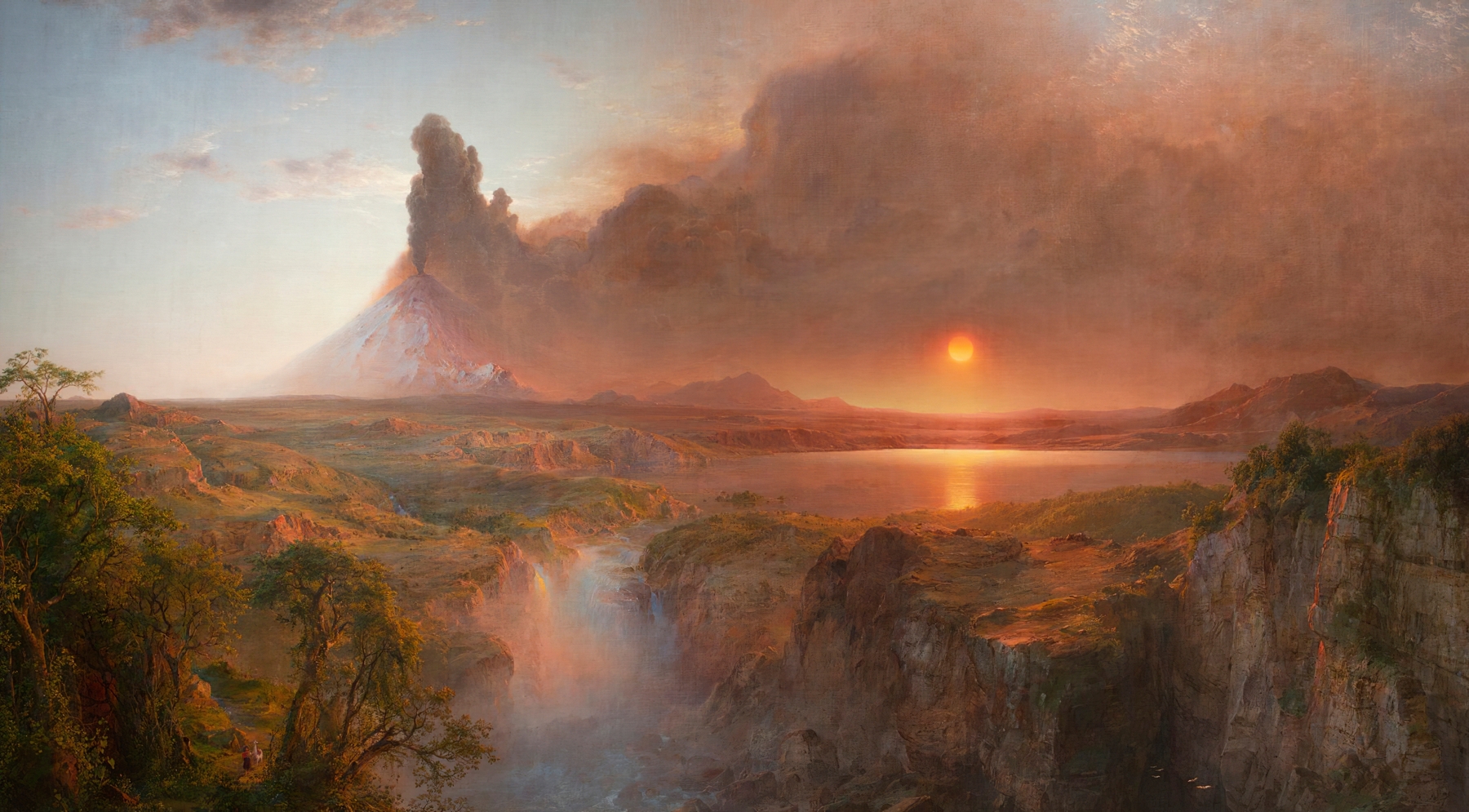
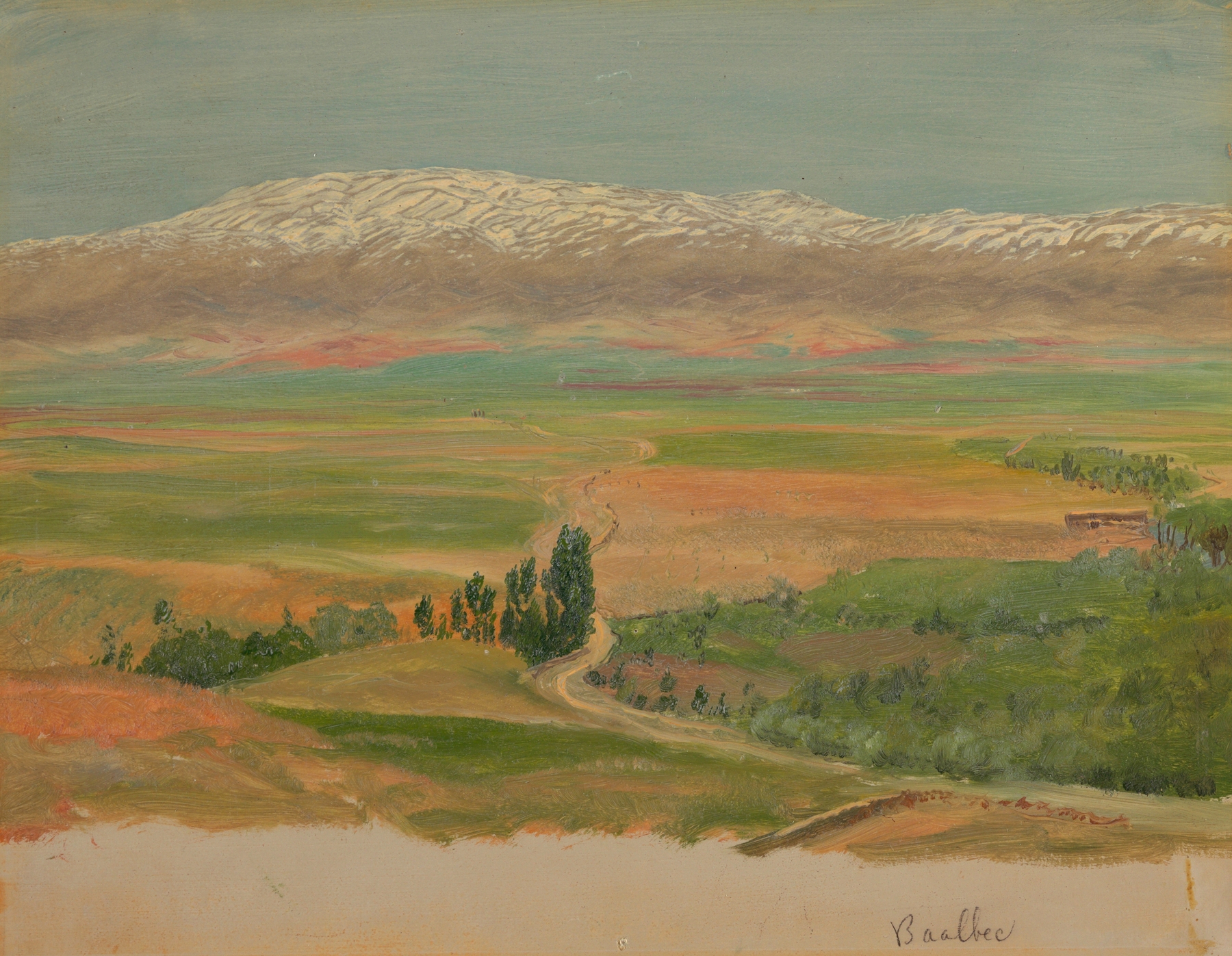
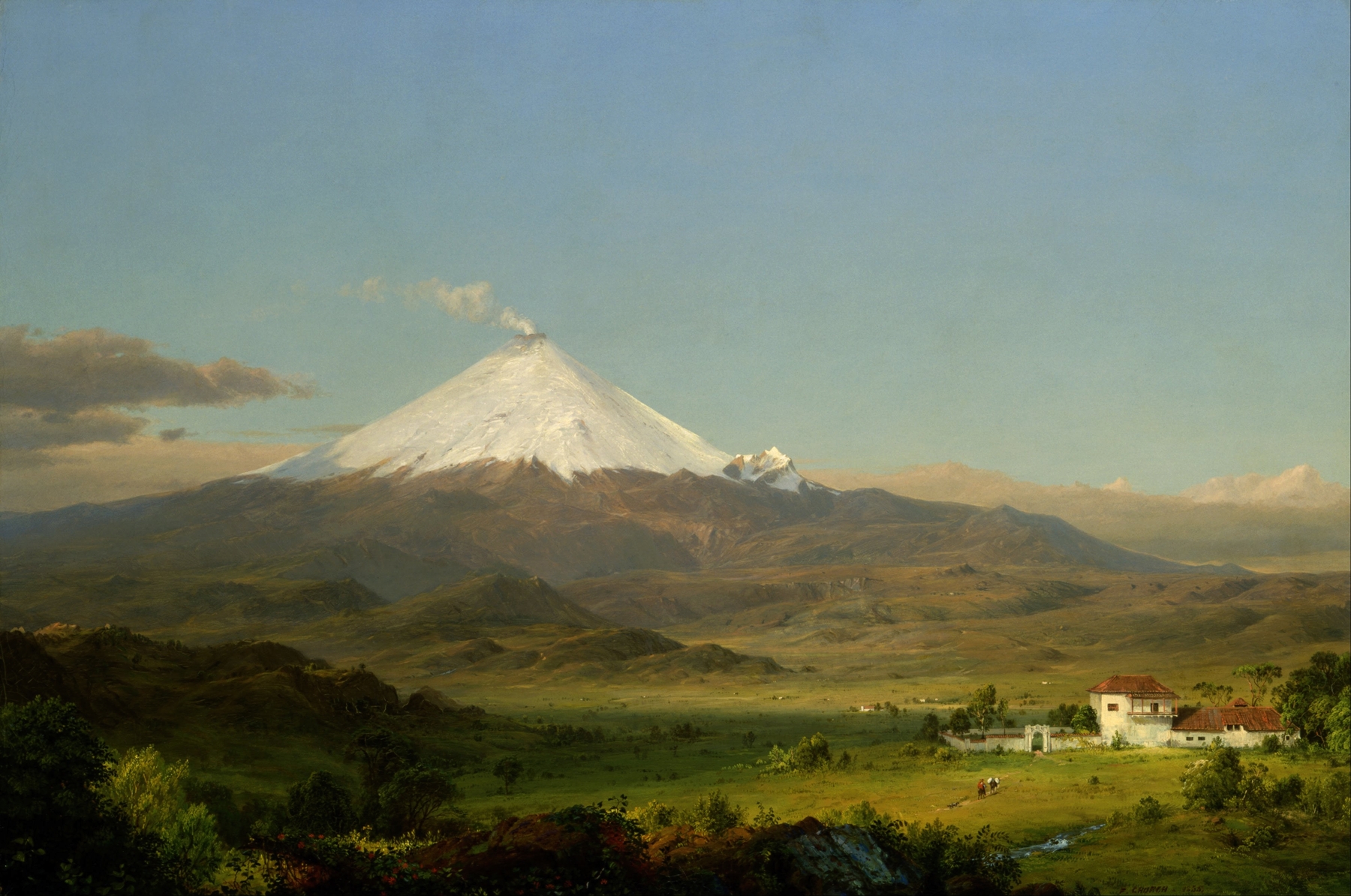
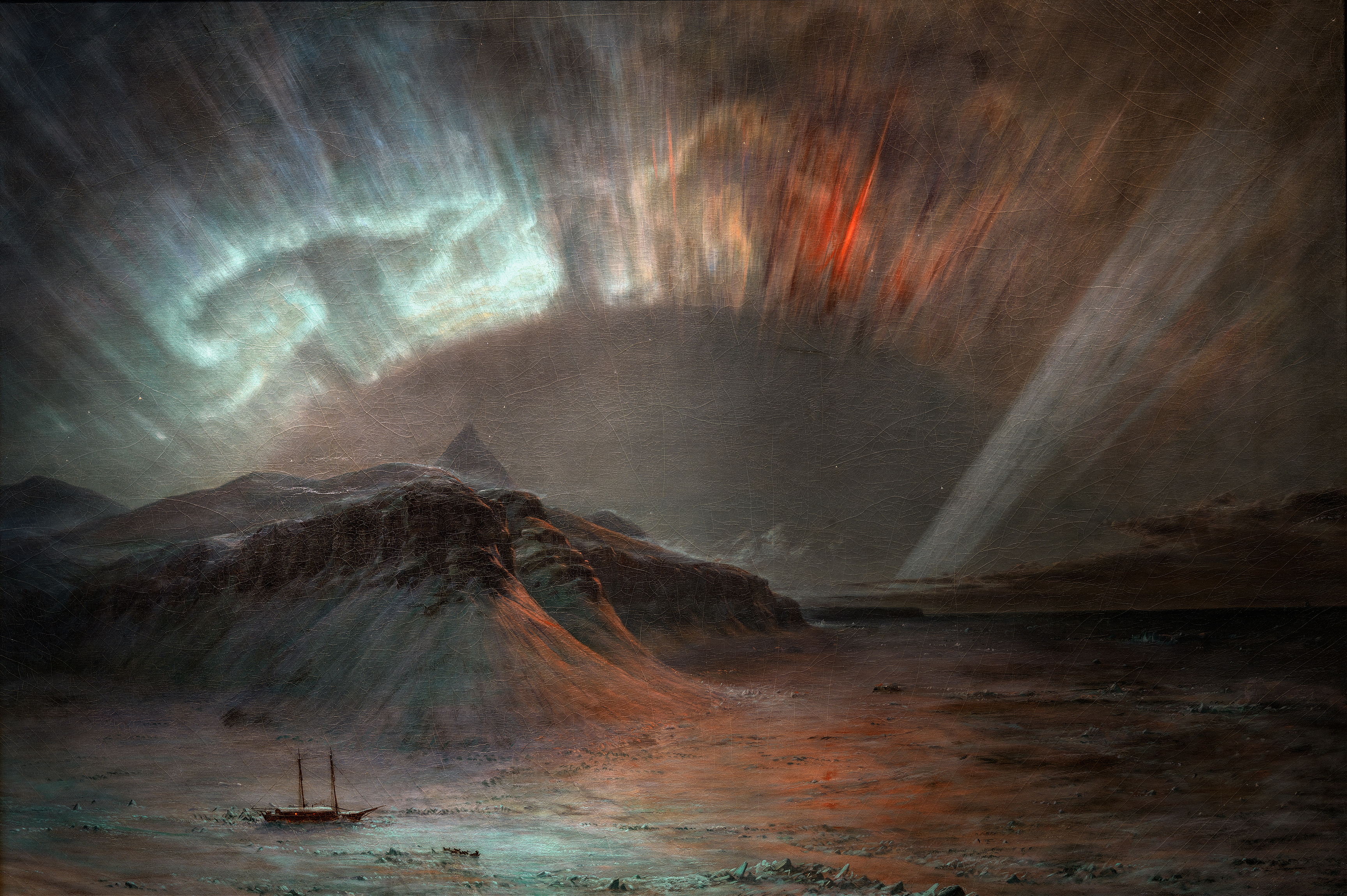
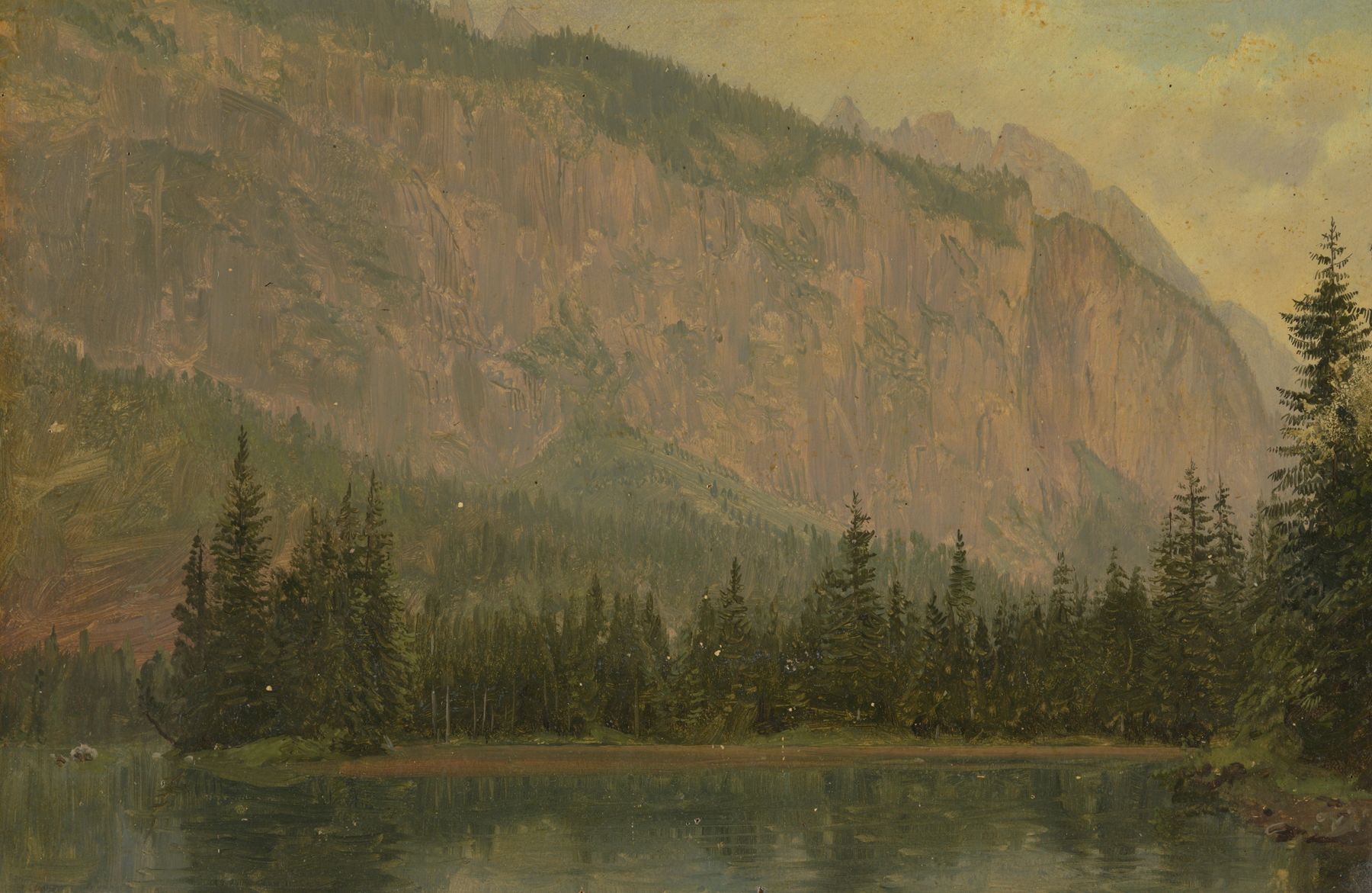
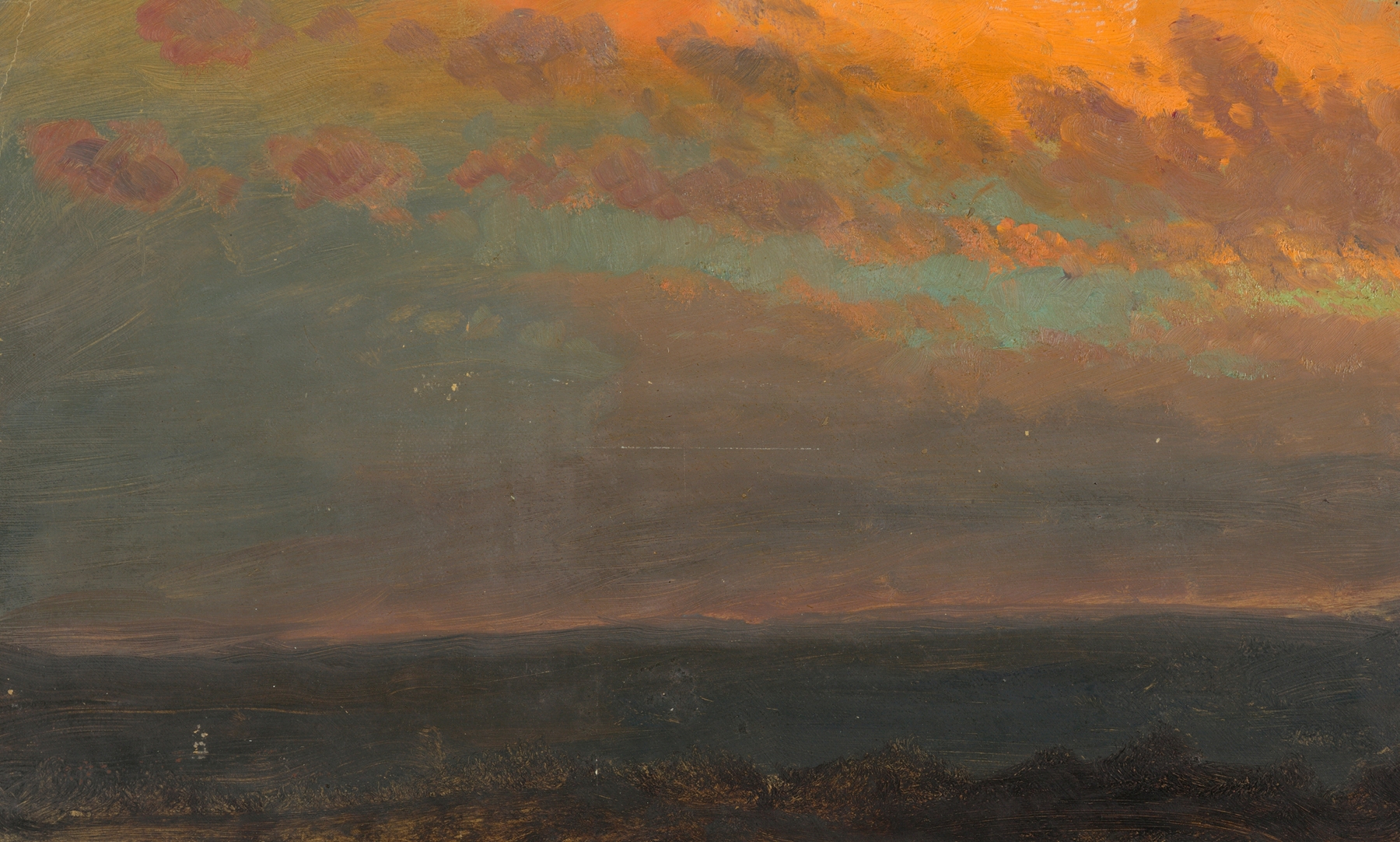
“To paint is to remember what time wants us to forget.” In a world where moments slip away like grains of sand, art remains a vessel for legacy, anchoring fleeting beauty in permanence. Look closely at the horizon, where vibrant oranges and deep purples meld into one another, capturing the fleeting essence of sunset. Notice how the soft glow illuminates the rugged landscape, casting long shadows that whisper secrets of the past. The towering trees stand sentinel, their silhouettes etched against the effulgent sky, inviting the viewer to ponder the interplay of light and shadow, transience and eternity.
This painting speaks not just of nature’s beauty but also of the passage of time. The juxtaposition of the warm hues of the setting sun and the coolness of impending twilight evokes a bittersweet nostalgia. Each stroke captures the delicate balance between what is seen and what is lost, drawing us into a contemplation of our own legacies and the moments we wish to preserve.
Frederic Edwin Church created Sunset near Rome between 1868 and 1869, during a time when the Hudson River School artists were redefining American landscape painting. He had recently returned from a transformative trip to Europe and the Middle East, which greatly influenced his artistic vision. As he painted, the world was shifting, with the Industrial Revolution reshaping the landscape of both nature and society, prompting a yearning for the sublime beauty of the natural world.