Sunset over the Marsh — History & Analysis
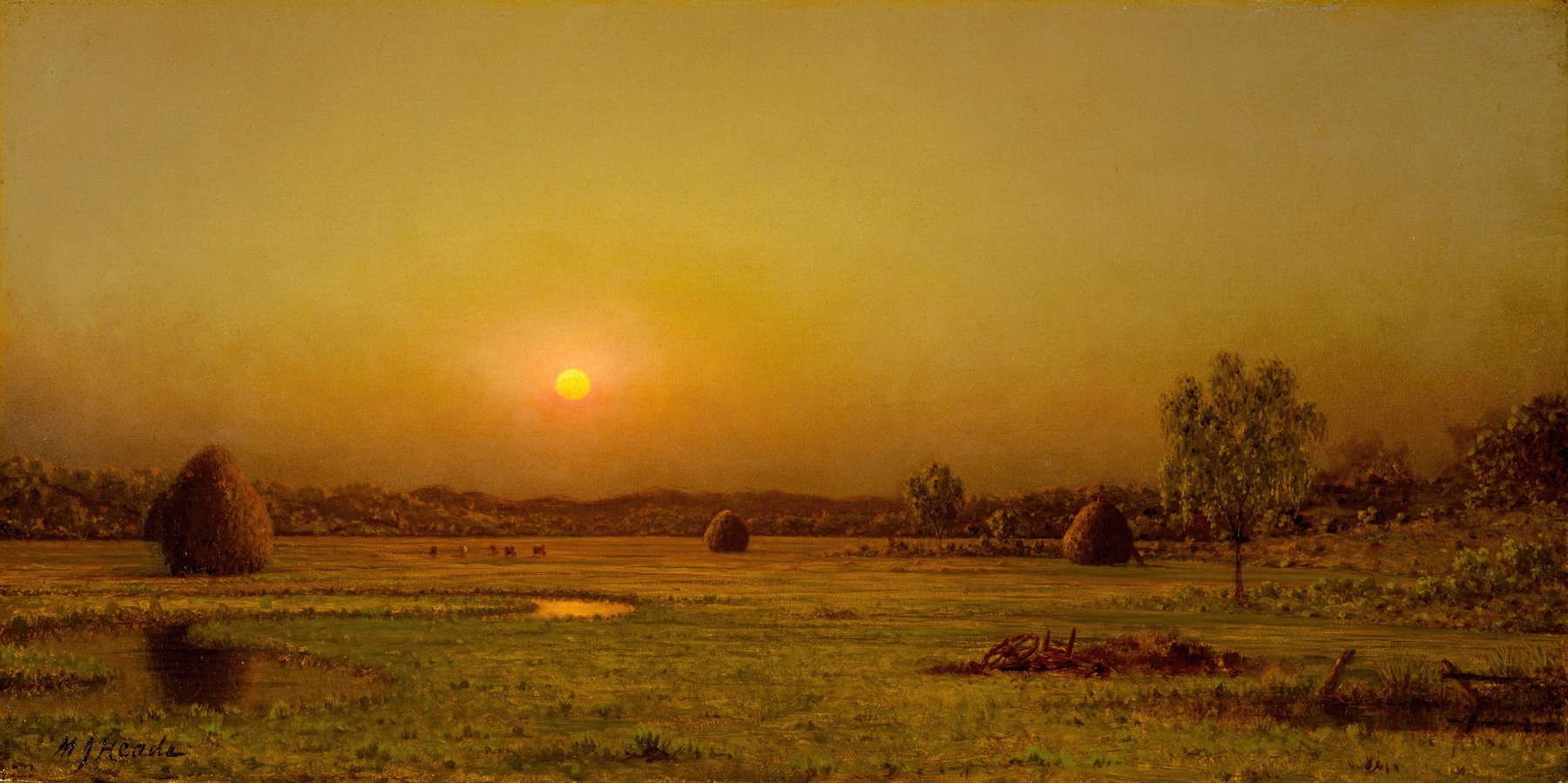
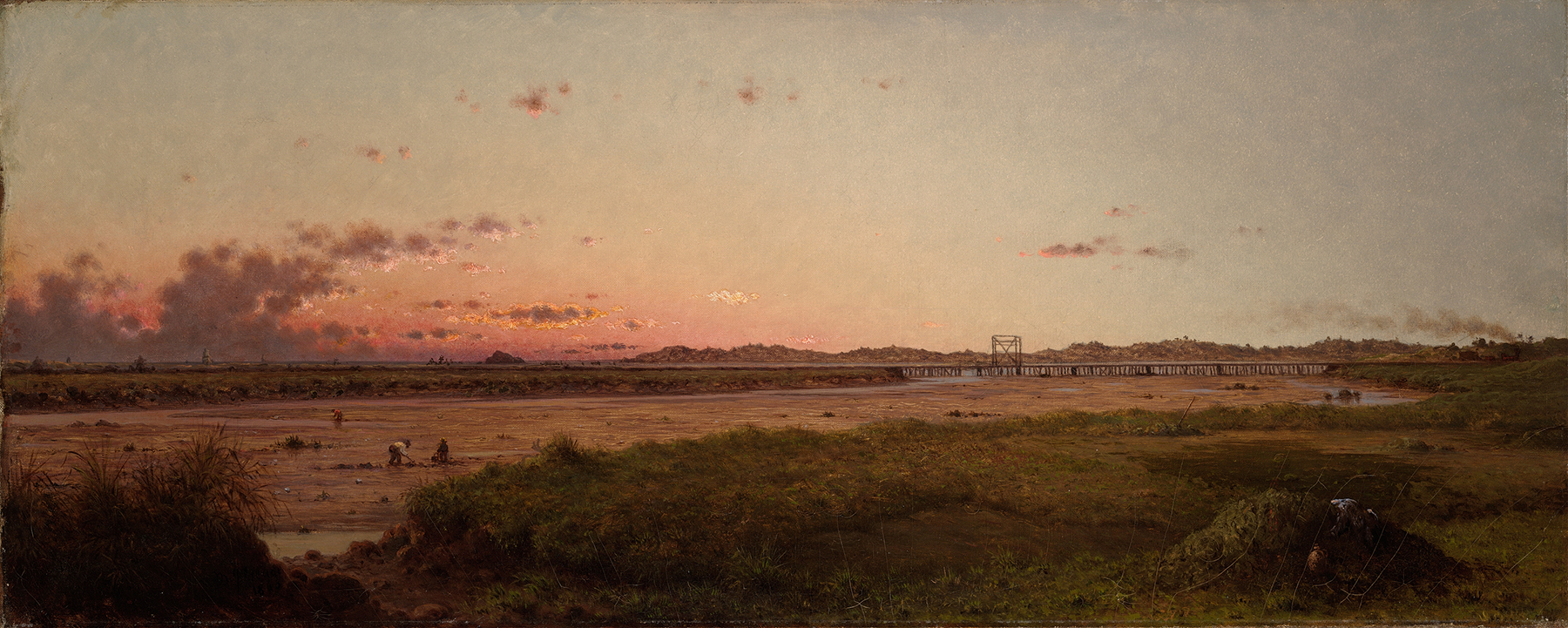
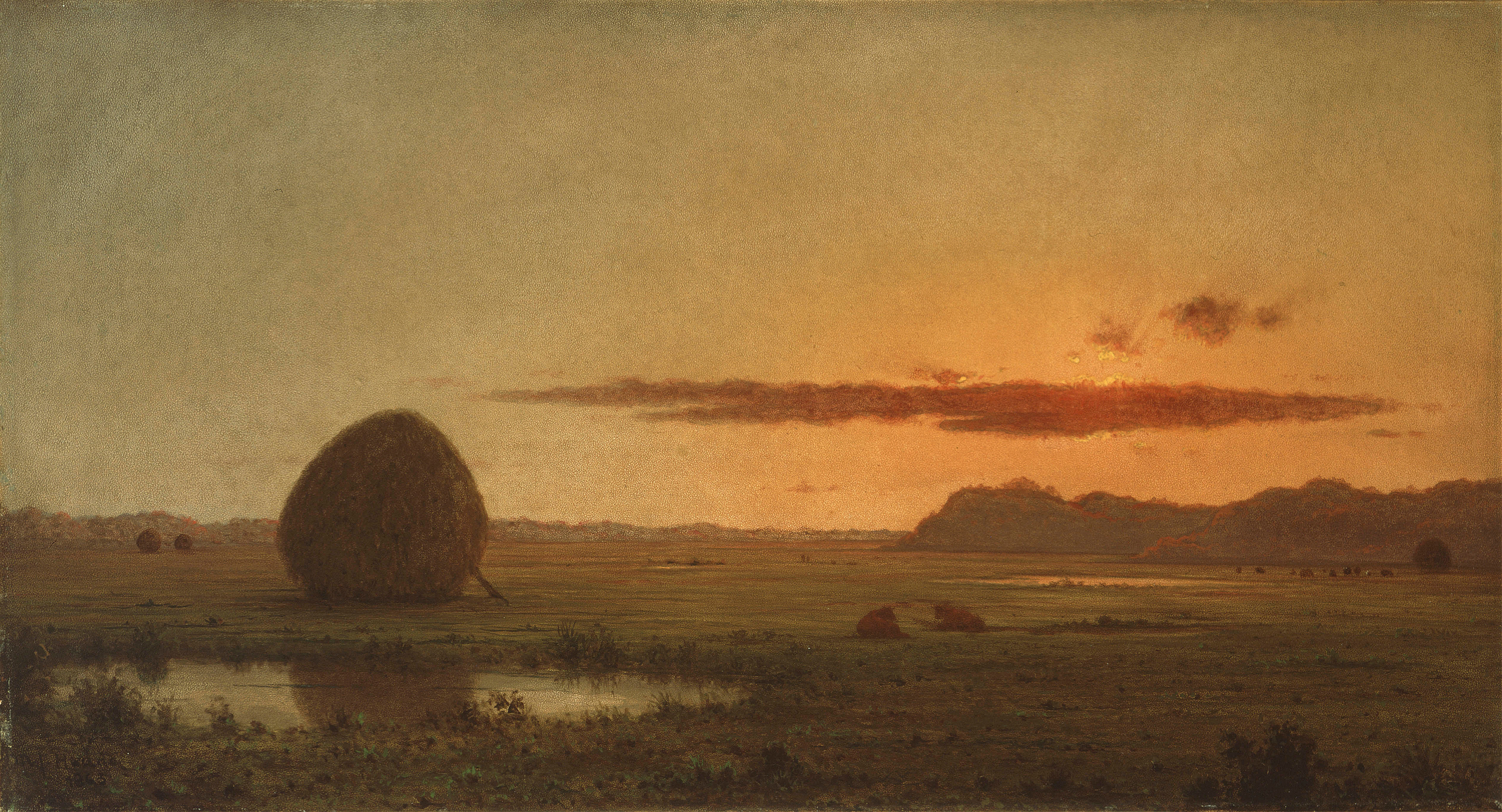
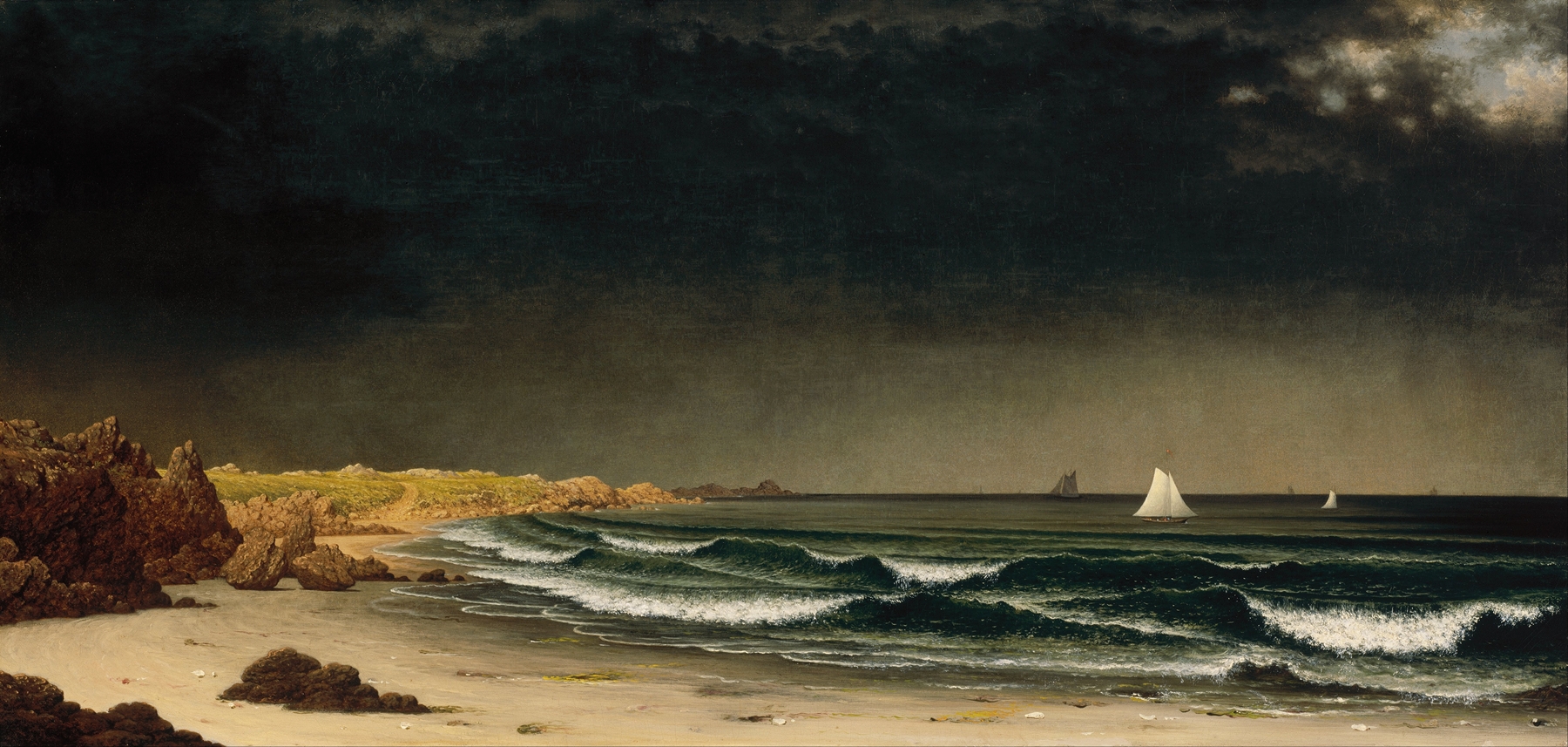
“Every brushstroke is a heartbeat remembered.” In the gentle embrace of twilight, moments of fragility linger on the cusp of memory, a fading reminder of beauty in the transient world. Look to the horizon, where the sun dips below the marshland, casting a palette of oranges and purples that dance across the surface of the water. Notice how the vibrant hues are enriched by soft strokes, evoking the delicate interplay of day and night. The silken reflections mirror the fleeting nature of time, drawing your eye into the serene yet restless expanse of the marsh.
Beneath the tranquil beauty lies a poignant tension—the juxtaposition of light and shadow evokes both warmth and melancholy. The shimmering water hints at life just beneath the surface, while the encroaching darkness signals an inevitable change. The soft grasses framing the scene speak to both resilience and fragility, as they sway gently in the evening breeze, embodying the transient moments that the artist so palpably captures.
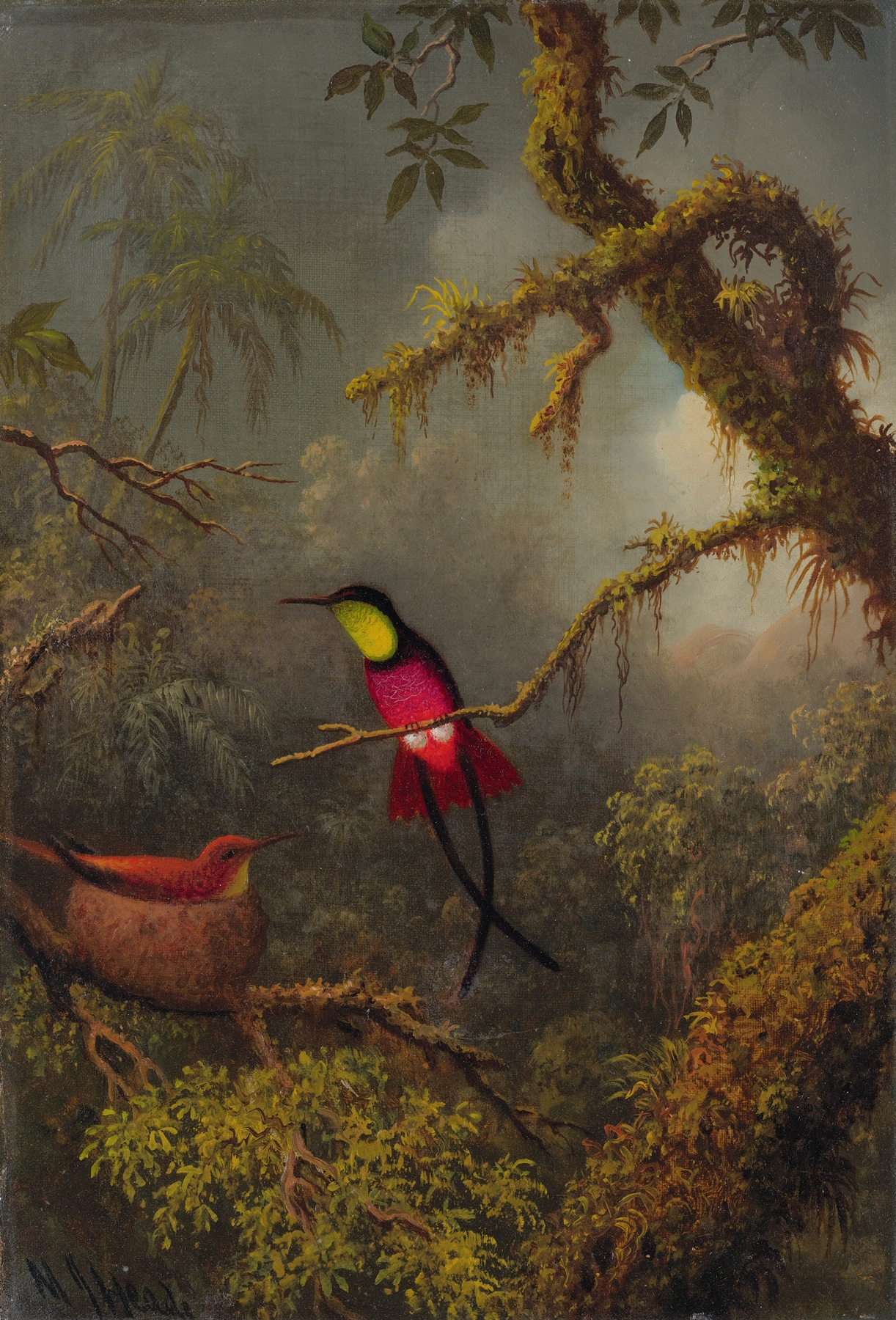
In the late 19th century, during the years surrounding the creation of this piece, Heade was deeply engaged with the American landscape and its representation. Living in Massachusetts, he was influenced by the luminist movement, which emphasized light and atmosphere. While grappling with his own artistic identity, he sought to create works that celebrated the underappreciated beauty of nature, reflecting a growing awareness of environmental concerns in a rapidly industrializing world.