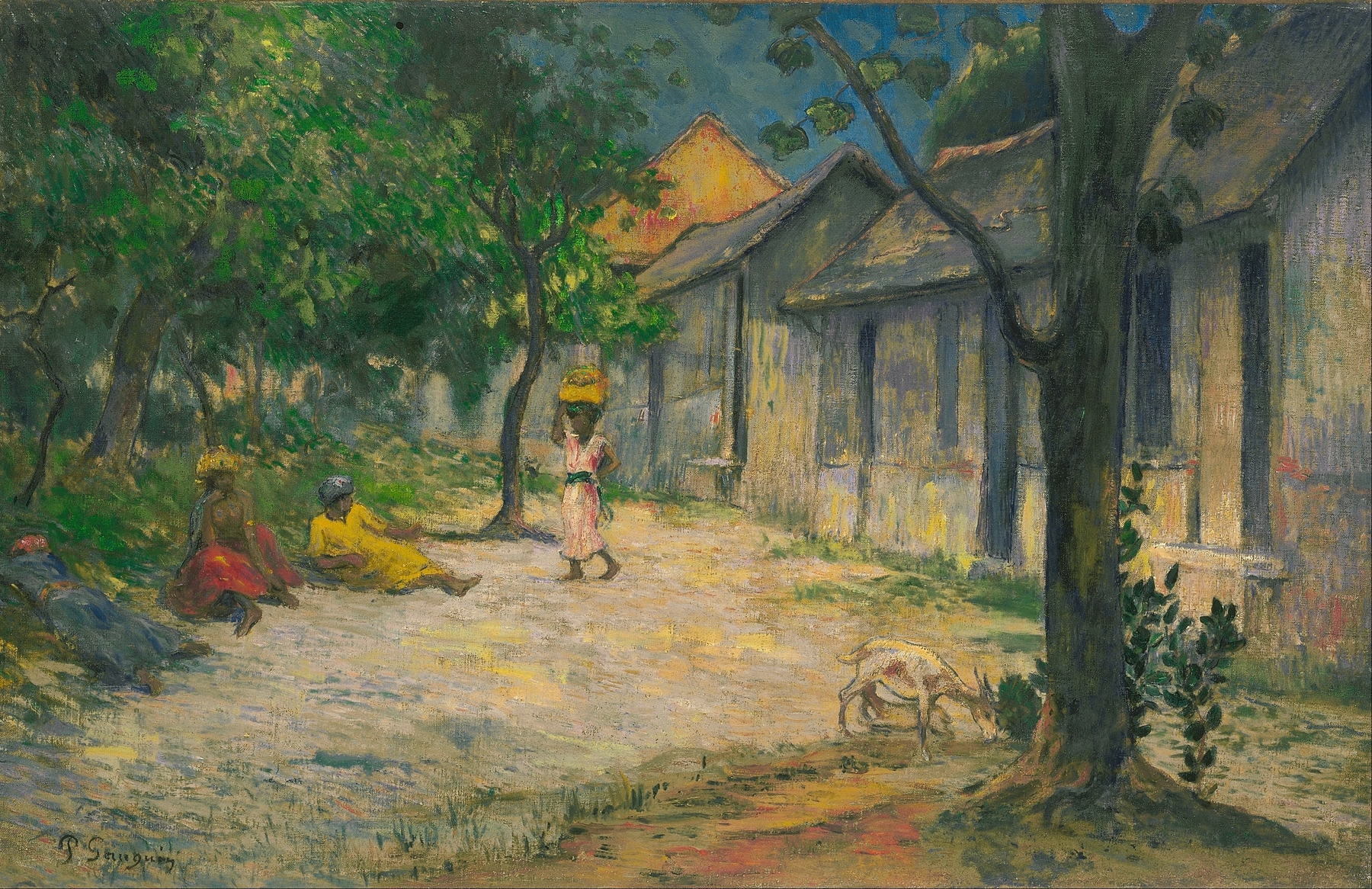
Sur l’Aven en amont de Pont-Aven — History & Analysis
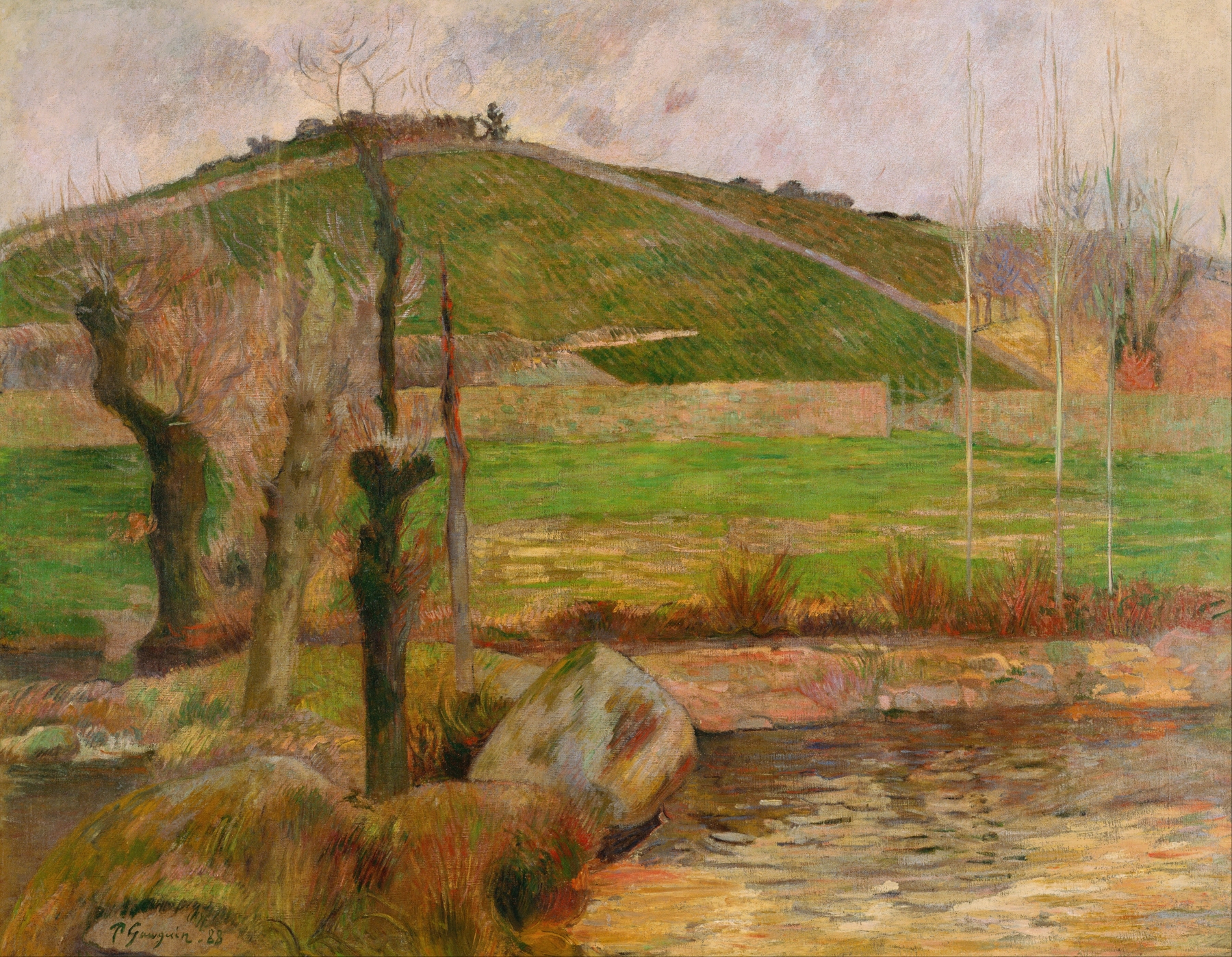
“The canvas doesn’t lie — it simply waits.” Within the depths of color and form lies a longing that echoes across the years, a heartfelt yearning captured in paint. Look to the left at the vivid greens and blues, where the river bends, inviting your gaze to wander. The brushstrokes dance with an energetic spontaneity, creating a sense of movement that suggests both tranquility and restlessness. Notice how the sunlight filters through the leaves, dappling the surface of the water, illuminating the contours of nature in a way that feels almost sacred.
Each stroke is deliberate, yet free, as though the artist poured his soul into the scene. Beneath the surface, the interplay of light and shadow reveals a complex emotional landscape. The juxtaposition of the serene water and the turbulent trees speaks to the contrasts within human experience—a harmonious longing for peace amidst the chaos of existence. The colors are not merely representations of nature; they evoke an internal dialogue of desire and disconnection, as if the viewer is invited to reflect on their own yearning for something just beyond reach.
In 1888, while in Pont-Aven, Gauguin sought to redefine art beyond realism, experimenting with color and style that broke from convention. This period marked a pivotal moment in his career, as he began to embrace symbolism and the emotional resonance of color, influenced by his desire to express deeper truths about human experience. The world of art was evolving rapidly, and Gauguin, amidst this transformation, painted Sur l’Aven en amont de Pont-Aven—a piece that resonates with the heart of longing still today.